The Empress Hotel in Victoria, BC: A Complete Visitor’s Guide

Empress Hotel Victoria BC

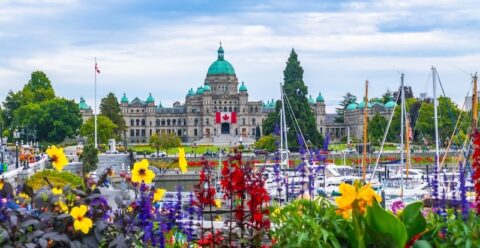
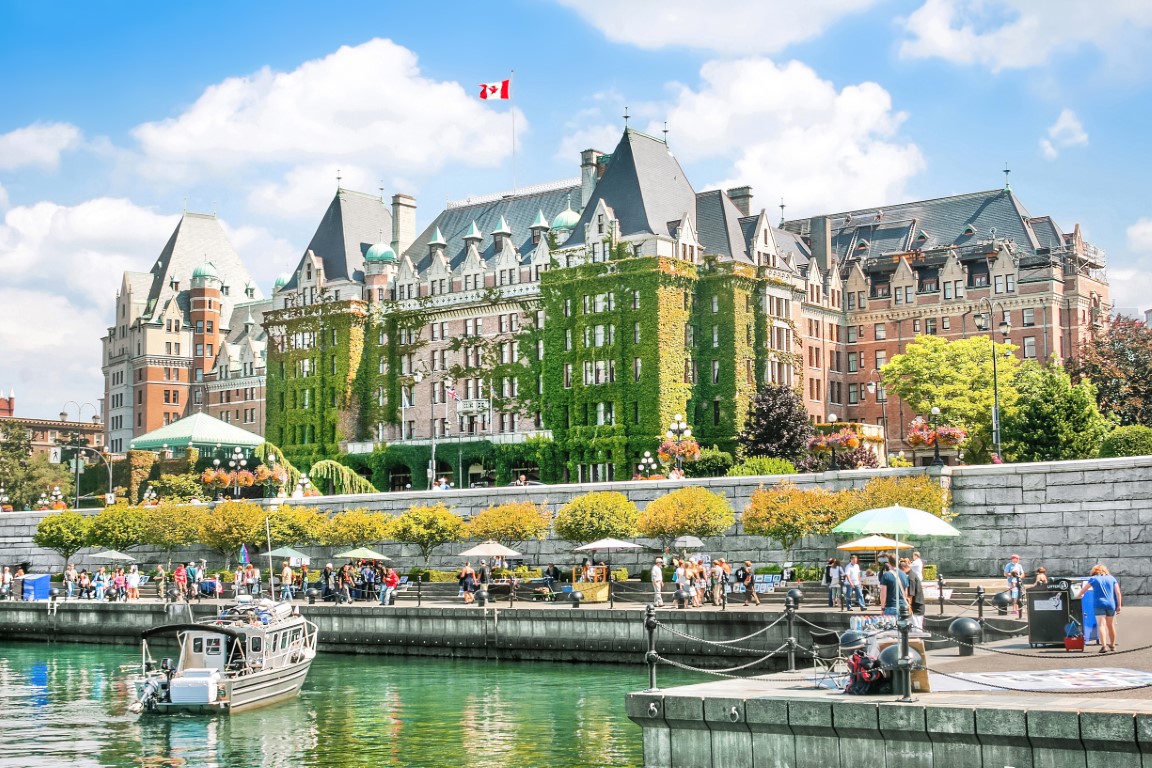
Few landmarks are as closely tied to Victoria as the Empress Hotel. Overlooking the Inner Harbour, this iconic building has been part of the city’s waterfront for more than a century and remains one of the most recognizable sights on Vancouver Island. Whether you’re arriving by harbour ferry, strolling Government Street, visiting the Legislature, or exploring downtown for the first time, chances are you’ll find yourself standing in front of the Empress at some point during your trip.

Today, the Empress is much more than a hotel. It is a historic landmark, architectural treasure, dining destination, cultural icon, and one of the defining features of Victoria’s skyline. From Afternoon Tea and waterfront dining to its fascinating history and beautiful harbourfront setting, the Empress offers visitors a unique way to experience the city.

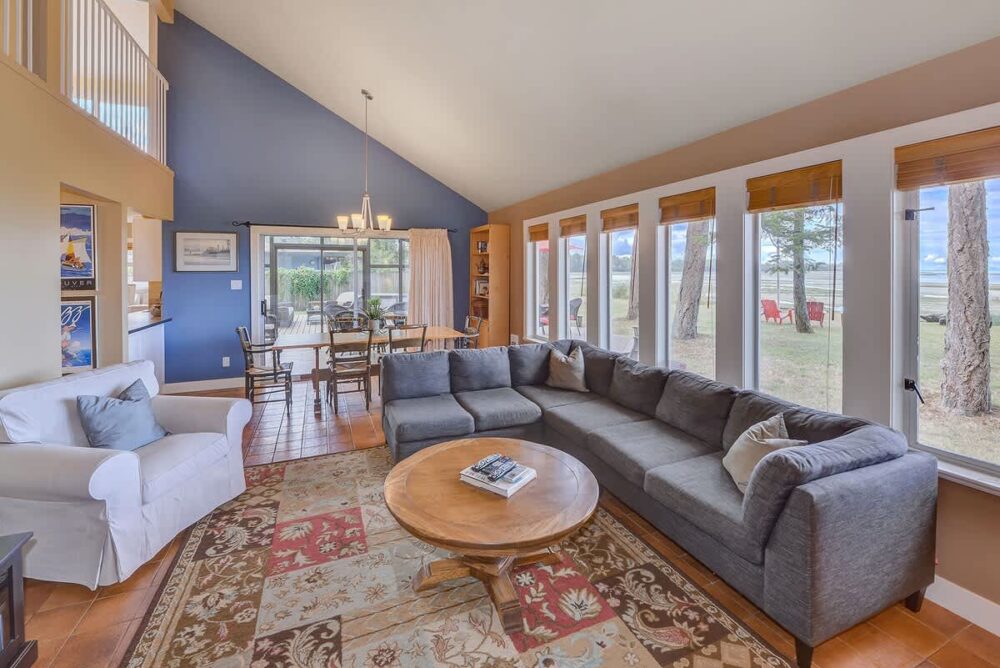
Harbourview Executive Condo Main Image - Victoria vacation rentals

If you’re planning a trip to Victoria, the Empress deserves a place on your itinerary. Pair your visit with a stay in one of EMR Vacation Rentals’ professionally managed homes and enjoy easy access to the Inner Harbour, downtown attractions, and everything Greater Victoria has to offer.

Quick Look: Visiting the Empress

Location: 721 Government Street, Victoria, BC

Best For: History, architecture, Afternoon Tea, waterfront dining, photography, and cultural experiences.

Good to Know: You do not need to be a guest of the hotel to enjoy many of its most popular experiences, including dining, Afternoon Tea, the spa, and the public spaces surrounding the property.

Nearby Attractions: BC Parliament Buildings, Royal BC Museum, Government Street, Beacon Hill Park, Fisherman’s Wharf, and Victoria’s Inner Harbour.

The History of the Empress Hotel

Built to Welcome the World to Victoria

The story of the Empress begins long before its doors opened in 1908. During the late nineteenth and early twentieth centuries, the Canadian Pacific Railway was expanding its influence across Canada through an ambitious network of grand hotels. These properties were designed to encourage tourism, support rail travel, and showcase some of the country’s most important destinations.

Victoria was a natural fit for the project. As British Columbia’s capital city and a growing port on Canada’s west coast, it was already attracting visitors arriving by steamship and rail. The CPR envisioned a landmark hotel that would greet travellers arriving at the Inner Harbour and reinforce Victoria’s reputation as one of Canada’s premier destinations.

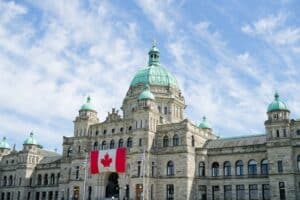
The project was awarded to Francis M. Rattenbury, the British architect responsible for the nearby Parliament Buildings. Rattenbury selected a prominent site overlooking the Inner Harbour, creating a dramatic visual pairing between the two buildings that still defines downtown Victoria today.

Construction began in 1904 and was completed four years later. From the moment it opened, the Empress became a symbol of Victoria’s ambitions and one of the most impressive buildings on Canada’s west coast.

Art, Architecture, and Design

A Distinctly Canadian Landmark

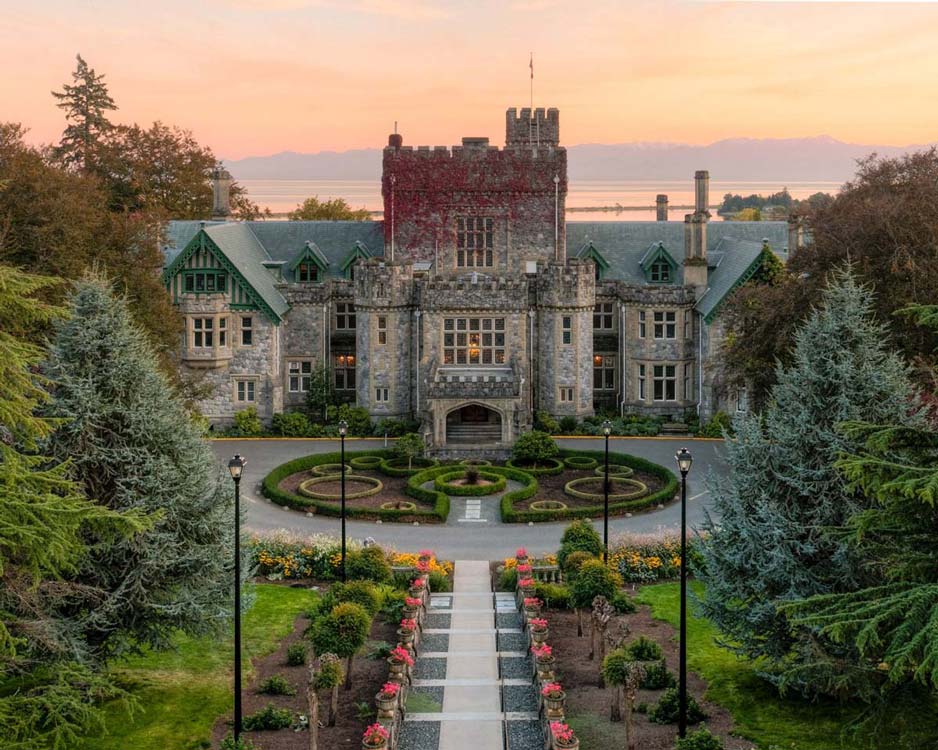
The Empress is often described as one of Canada’s finest examples of Château-style architecture. Inspired by the grand castles and manor houses of Europe, the design combines elements of Tudor, Gothic, Baronial, and Edwardian architecture into a uniquely Canadian expression.

Steep rooflines, dormer windows, prominent chimneys, and asymmetrical forms give the building its unmistakable silhouette. While many visitors simply admire the structure from the harbour, the building itself represents an important chapter in the evolution of Canadian architecture.

The Château style became closely associated with Canada’s great railway hotels, and the Empress remains one of the most recognizable examples of the movement. Its design helped establish a distinctly Canadian architectural identity that blended European influences with the scale and ambition of a growing nation.

Inside the Empress

The interior of the Empress was designed to impress. Early interiors featured rich materials, classical detailing, soaring coffered ceilings, and elegant public spaces that reflected the prestige of the era.

Over the years, many of these historic details have been carefully preserved and restored. Visitors can still appreciate the craftsmanship found throughout the building, from decorative woodwork and stained glass to the grand public rooms that have welcomed guests for generations.

A National Historic Site

In 1981, the Empress was designated a National Historic Site of Canada, recognizing its significance both architecturally and historically.

The designation reflects the building’s importance as one of Canada’s most influential railway hotels and one of the finest examples of the Château style. It also acknowledges the role the Empress has played in shaping Victoria’s identity for more than a century.

Today, the building remains one of the city’s most important heritage landmarks and continues to serve as a visual reminder of Victoria’s place in Canadian history.

Famous Visitors Through the Years

Few buildings in Victoria have welcomed as many notable visitors as the Empress. Over the decades, royalty, politicians, artists, entertainers, and world leaders have all passed through its doors.

In 1919, the Prince of Wales reportedly danced in the Crystal Ballroom. King George VI and Princess Elizabeth attended a luncheon at the hotel during their 1939 visit to Canada. Other famous guests have included author Rudyard Kipling, actress Shirley Temple, Princess Margaret, Rita Hayworth, and numerous contemporary performers and public figures.

Ghost Stories and Legends

With more than a century of history, it is perhaps no surprise that the Empress has developed a reputation for ghost stories and unexplained sightings.

Local legends suggest that Francis Rattenbury still wanders the halls, while stories of a mysterious woman who disappears near an elevator and a maid dressed in 1920s clothing continue to circulate among staff and visitors. Whether you believe the tales or not, the Empress has become one of Victoria’s most famous haunted landmarks and remains a popular stop on many local ghost tours.

Saving the Empress

Despite its importance, the Empress nearly faced a very different fate.

By the mid-twentieth century, the building had fallen into significant disrepair. Changing travel habits and decades of wear had left the structure in poor condition, and at one point demolition was seriously considered.

Fortunately, preservation efforts prevailed. Beginning in the 1960s, a series of restoration projects helped save the building and restore its historic character. Additional renovations throughout the 1980s and early 2000s further preserved important architectural features while updating the property for modern use.

One of the most significant restoration efforts took place between 2014 and 2017, when a major renovation carefully restored historic details, updated public spaces, and ensured the building would remain an important part of Victoria’s future.

The Empress visitors see today is the result of decades of preservation work and a community commitment to protecting one of the city’s most treasured landmarks.

The Empress and Victoria’s Inner Harbour

The Empress and Victoria’s Inner Harbour are inseparable.

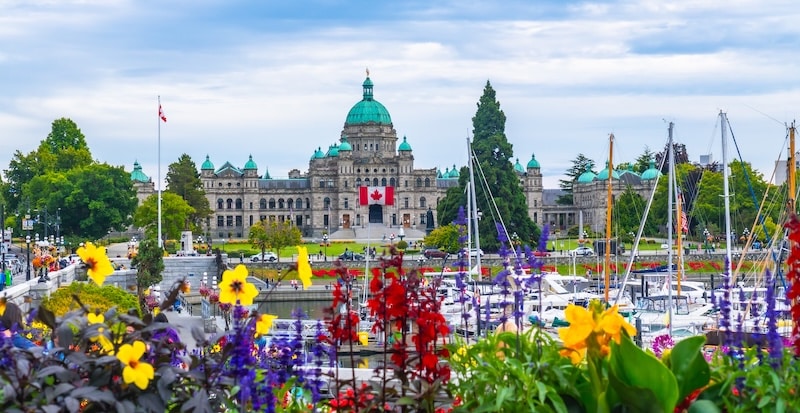
Together with the Parliament Buildings, the hotel creates one of the most recognizable waterfront scenes in Canada. For more than a century, visitors arriving in Victoria have been greeted by the sight of the Empress overlooking the harbour, creating an unforgettable first impression of the city.

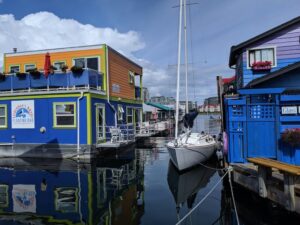
Its location places it at the heart of downtown Victoria, within easy walking distance of many of the city’s most popular attractions. The Royal BC Museum, Government Street, Beacon Hill Park, Fisherman’s Wharf, and numerous restaurants, galleries, and shops are all nearby.

What makes the Empress particularly special is how seamlessly it connects to the surrounding city. Visitors can spend an entire day exploring downtown before returning to the harbour to admire the building from a different perspective as the light changes throughout the day.

For many people, no visit to Victoria feels complete without spending time in the Inner Harbour and taking in the view of the Empress rising above the waterfront.

The Gardens and Grounds

While much of the attention naturally focuses on the building itself, the surrounding gardens and grounds are an important part of the Empress experience.

Carefully maintained landscaping softens the edges of the historic structure and creates beautiful viewing areas throughout the year. Seasonal flowers add colour to the harbourfront, while mature plantings help frame some of the best photo opportunities in downtown Victoria.

The grounds also provide a unique perspective on the building’s architecture. Walking around the property allows visitors to appreciate the scale of the structure, its distinctive rooflines, and the relationship between the hotel and the harbour.

Spring and summer are particularly beautiful when flowers are in bloom, but the grounds remain a pleasant place to visit throughout the year.

Afternoon Tea at the Empress

classic afternoon high tea - British styleFew traditions are more closely associated with the Empress than Afternoon Tea.

For generations, visitors have gathered in the hotel’s elegant tea room to enjoy one of Victoria’s most enduring experiences. Rooted in British traditions and influenced by the city’s colonial history, Afternoon Tea has become a defining part of the Empress story.

Part of its appeal is the setting itself. Overlooking the Inner Harbour, the experience combines history, atmosphere, and hospitality in a way that feels uniquely Victoria. Visitors often choose Afternoon Tea to celebrate special occasions, mark milestones, or simply enjoy a leisurely afternoon in one of the city’s most historic spaces.

Guests can expect a traditional tea service featuring a selection of teas accompanied by pastries, savouries, and freshly baked scones. While the menu evolves over time, the emphasis remains on creating a relaxed and memorable experience that connects visitors with one of Victoria’s most cherished traditions.

Reservations are highly recommended, particularly during peak travel seasons.

Dining at the Empress

upscale cocktails on a bar - restaurantWhile Afternoon Tea may be the hotel’s most famous culinary experience, the Empress has also become an important dining destination for both visitors and locals.

Q at the Empress

Q at the Empress focuses on Pacific Northwest cuisine and draws inspiration from Vancouver Island’s farms, waters, and surrounding landscapes.

The atmosphere strikes a balance between refined and approachable, making it a popular choice for special occasions, celebrations, and memorable dinners overlooking Victoria’s most famous waterfront.

Q Bar

Q Bar offers a more relaxed experience while maintaining the character and history that visitors expect from the Empress.

Its location near the heart of the hotel makes it a natural gathering place for locals and visitors looking to enjoy cocktails, wine, or light fare after a day spent exploring downtown Victoria.

The Veranda

Few dining experiences in Victoria rival the setting of The Veranda.

Located along the harbourfront, this seasonal space provides exceptional views of the Inner Harbour and creates one of the city’s most enjoyable places to sit outdoors. Whether you’re stopping in for a drink, a casual meal, or simply to enjoy the waterfront atmosphere, the Veranda offers a distinctly Victoria experience.

The Bengal Lounge

The Bengal Lounge has long been part of the Empress story and remains one of the property’s most recognizable gathering spaces.

Rich in history and character, it reflects a different era of travel while continuing to attract visitors interested in experiencing one of the hotel’s most enduring traditions.

Willow Stream Spa at the Empress

Shot of spa essentials on a table with a woman getting a massage in the background.For visitors seeking relaxation, Willow Stream Spa at the Empress has become one of Victoria’s most recognized wellness destinations.

Open to both hotel guests and day visitors, the spa offers a peaceful retreat from the activity of downtown Victoria. Treatments range from massages and facials to wellness-focused experiences designed to help visitors unwind during their stay in the city.

Many visitors choose to combine a spa appointment with Afternoon Tea, dining, or a day spent exploring the Inner Harbour, creating a well-rounded Victoria experience that balances sightseeing with relaxation.

Visiting the Empress Today

One of the biggest misconceptions about the Empress is that you need to stay overnight to enjoy it.

In reality, many of the building’s most popular experiences are available to day visitors. Whether you’re interested in Afternoon Tea, dining, wellness treatments, photography, architecture, or simply exploring the harbourfront, there are countless ways to experience the property without booking a room.

The Empress is worth visiting in every season. Spring and summer bring flowers and bustling harbour activity, while fall and winter offer a quieter atmosphere that highlights the building’s historic character.

If you’re visiting for the first time, consider combining your stop with a walk through the Inner Harbour, a visit to the Royal BC Museum, or an afternoon exploring Government Street.

Explore From a Local Home Base

Stay close to Victoria’s most iconic landmarks, waterfront walks, restaurants, and cultural attractions with a professionally managed EMR Vacation Rental.

Beacon Hill View Condo Main Image

Book a Rental to Explore Victoria

A Flexible Downtown Victoria Itinerary Featuring the Empress

group of people walking across the street in downtown Victoria, BCMorning: Explore the Inner Harbour

  • Walk the harbourfront and Causeway
  • Take photos of the Empress and Parliament Buildings
  • Grab coffee from a nearby café
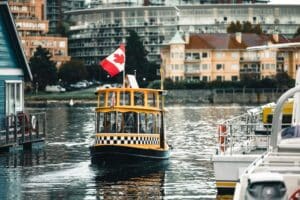
  • Watch floatplanes and harbour ferries come and go

Midday: Discover Downtown Victoria

  • Browse shops along Government Street
  • Explore Market Square and Bastion Square
  • Visit the Royal BC Museum
  • Stop for lunch at a local restaurant or café

Afternoon: Experience the Empress

  • Enjoy Afternoon Tea
  • Wander through the gardens and grounds
  • Admire the architecture and harbour views
  • Relax with a drink overlooking the waterfront

Evening: Victoria at Golden Hour

  • Stroll along the Inner Harbour waterfront
  • Watch the harbour lights come on
  • Enjoy dinner at the Empress or a nearby restaurant
  • Take in one of Victoria’s most iconic evening views

Local Tip: During the summer months, the Inner Harbour comes alive in the evening with street performers, musicians, and a lively waterfront atmosphere. It’s one of the best times of day to experience downtown Victoria.

Where to Stay in Victoria

The Empress may be one of Victoria’s most famous landmarks, but it is only one part of what makes the city such a rewarding destination. From waterfront walks and historic neighbourhoods to museums, restaurants, and outdoor adventures, there is much more to discover throughout Greater Victoria.

EMR Vacation Rentals offers professionally managed vacation rentals and furnished stays throughout Victoria and Vancouver Island, providing guests with comfortable, well-located accommodations that make it easy to explore the region at their own pace.

Whether you’re planning a weekend getaway, an extended stay, or a longer Vancouver Island adventure, EMR Vacation Rentals offers a comfortable home base close to the attractions, experiences, and landmarks that make Victoria unforgettable.

Find your perfect home base with EMR Vacation Rentals and experience Victoria at your own pace.
Working from Paradise: A Digital Nomad’s Guide to Victoria, BC

Laptop on table with a video call on the screen in living room. People using VoIP to connect together.
Victoria, British Columbia offers something many digital nomads are actively searching for: a place where productivity and lifestyle actually coexist. Set on the southern tip of Vancouver Island, this coastal city delivers reliable infrastructure, a slower pace, and easy access to nature without sacrificing everyday convenience. Compared to Vancouver, Victoria feels more grounded and livable. It is less intense, more community-driven, and far easier to settle into for longer stays. If you are planning to work remotely from the West Coast, this is where balance starts to feel realistic.

vacation rental on Mount FinlaysonFind your ideal home base with EMR Vacation Rentals and experience Victoria like a local.
Search Homes

Victoria vs Greater Victoria: What’s the Difference?

parliament buildings in Victoria BC

Victoria

  • The downtown core and surrounding neighbourhoods
  • Most walkable and urban area
  • Best for cafés, coworking, restaurants, and nightlife
  • Includes areas like James Bay, Fairfield, and Fernwood
aerial view of Victoria, BC

Greater Victoria

  • The wider region across southern Vancouver Island
  • Includes Sidney, Oak Bay, Langford, Sooke, and more
  • More space, quieter communities, and access to nature
  • Connected by shared services and infrastructure
  • Gateway to the Gulf Islands
Why it matters: Choosing where to stay in Greater Victoria shapes your remote work experience. Downtown offers convenience and energy, while the surrounding areas offer space, quiet, and a slower pace.

Victoria at a Glance for Digital Nomads

Parliament Buildings with Coast Salish totem in foreground

The Digital Nomad Checklist for Victoria, BC

💻 Internet: Fast and reliable in most areas 💰 Cost of Living: High, especially housing 🏡 Accommodation: Competitive, furnished rentals are ideal for monthly stays 🌿 Lifestyle: Coastal, outdoors, balanced 🚶 Walkability: Excellent downtown, moderate elsewhere 🚗 Transport: Car helpful outside core 🛂 Visa: No digital nomad visa, standard Canada entry rules apply
Victoria consistently ranks as one of the most livable places in British Columbia, largely because it balances modern infrastructure with a slower, more outdoor-focused lifestyle. Victoria stands out because it does not force a compromise between work and quality of life. You get reliable internet, strong services, and a safe, welcoming environment, all within a setting that naturally encourages you to step away from your screen. For digital nomads, that means you can work efficiently during the day and step directly into nature, whether that is a waterfront walk, a forest trail, or a quick café break. The trade-off is cost. Housing is competitive, and daily expenses are higher than many global nomad hubs, but for many, the lifestyle makes it worthwhile.

Cost of Living in Victoria

cost of living in Victoria infographic

Housing

Housing is the single biggest expense in Victoria and the main factor that shapes how long most digital nomads stay. Inventory is limited, and competition is high, especially in central areas like Downtown and Oak Bay. Long-term rentals often require leases and are typically unfurnished, which adds another layer of complexity for short to mid-term stays. For many remote workers, furnished monthly rentals are the most practical option. They eliminate the need to set up a home from scratch and provide immediate access to essentials like reliable internet, workspace areas, and full kitchens.

Daily Expenses

Groceries, dining, and general day-to-day costs are higher than average compared to many digital nomad destinations. Eating out regularly, especially in central Victoria, adds up quickly. That said, there are ways to balance it. Local markets, independent grocers, and cooking at home can significantly reduce costs. Transportation is manageable, especially if you stay in walkable areas, but costs increase if you rely on a car.

What to Expect Overall

Victoria falls firmly into the premium lifestyle category. You are paying more, but what you are buying into is stability, safety, and a high quality of life. For digital nomads who prioritize environment, routine, and long-term livability over short-term savings, it tends to justify itself.

Want a clearer picture of what it actually costs to live in Victoria?

We break down housing, groceries, transportation, and real monthly expectations so you can plan your stay with confidence.

Explore the Full Cost of Living Guide

Finding Accommodation in Victoria

Description of image Finding the right place to stay in Victoria requires some planning, especially if you are arriving from outside Canada. The rental market is tight, and listings move quickly. Long-term leases often require in-person viewings, references, and upfront commitments that do not align well with flexible or remote lifestyles. Short-term rentals can work initially, but availability fluctuates and pricing can vary significantly depending on the season. For digital nomads, starting with a furnished rental is often the most reliable approach. It gives you time to understand the city, explore neighbourhoods, and decide if a longer-term setup makes sense, all without the pressure of immediate commitments or the risk of rental scams.

Let’s find you the right home in Victoria.

Search Victoria Rentals

Best Neighbourhoods for Digital Nomads in Greater Victoria

view of Victoria from Mount Douglas Greater Victoria is made up of a collection of distinct communities, each offering a different pace of life, access to amenities, and overall work environment. Choosing the right area comes down to how you like to work and how you want to spend your time outside of it. Below is a high-level look at the areas most digital nomads consider when staying in Greater Victoria. For a deeper breakdown of each neighbourhood, including pros, cons, and lifestyle details, explore our full neighbourhood guide.

How to Choose the Right Area

  • If you want walkability and work flexibility, stay in Victoria
  • If you want space and value, consider Langford
  • If you want quiet coastal living, look at Sidney
  • If you want nature and full privacy, Sooke is the best fit

Guide to Victoria Neighbourhoods

downtown victoria from the inner harbour

Victoria: Downtown and Core Neighbourhoods

Quick Look

  • Best for: Walkability, cafés, coworking
  • Vibe: Urban, active
  • Commute: Not needed
  • Good to know: Higher cost, busier environment
Downtown Victoria is the most convenient place to base yourself if your work relies on structure, routine, and easy access to everything. Cafés, restaurants, grocery stores, and coworking spaces are all within walking distance. This area also offers the strongest work outside your home environment. If you like rotating between cafés, shared workspaces, and your rental, downtown gives you the most flexibility.
suburb Victoria BC Langford

Langford: Westshore Communities

Quick Look

  • Best for: Value, space, newer homes
  • Vibe: Suburban, growing
  • Commute: 20 to 30 minutes to downtown
  • Good to know: Car recommended
Langford and the surrounding Westshore communities offer more space and generally better value compared to central Victoria. For digital nomads who prefer working from home and do not need to be in cafés or coworking spaces daily, this area works well.
Sidney BC waterfront

Sidney: Saanich Peninsula

Quick Look

  • Best for: Quiet coastal living
  • Vibe: Small-town, relaxed
  • Commute: 30 to 40 minutes to downtown
  • Good to know: Limited coworking options
Sidney offers a slower pace of life, with a strong connection to the ocean and a walkable small-town core. The town has cafés and basic services, but fewer work-focused amenities than downtown.
view from East Sooke Park

Sooke

Quick Look

  • Best for: Nature, privacy, retreat-style stays
  • Vibe: Rural, rugged
  • Commute: 45 to 60 minutes to downtown
  • Good to know: Internet can vary by property
Sooke is the most nature-focused option in Greater Victoria. It offers oceanfront views, forested landscapes, and a noticeable step away from city life. Services are more limited, coworking options are minimal, and internet reliability can vary depending on the exact location.

Working Remotely in Victoria

Victoria makes remote work relatively easy, but how you set yourself up can shape your entire experience. Whether you prefer a dedicated office, rotating cafés, or a quiet home base, the city supports a range of work styles with a few important trade-offs.

Internet and Reliability

Internet in Greater Victoria is generally fast and reliable, especially in Downtown, Oak Bay, and Langford. Most professionally managed rentals and newer buildings offer strong, stable connections that are more than capable of handling video calls and full workdays. That said, reliability can vary in more rural areas like Sooke or parts of the Saanich Peninsula. If your work depends on consistent connectivity, it is worth confirming speeds before booking. Cost is also a factor. Internet and mobile plans in Canada tend to be more expensive than many global digital nomad destinations, which is something to factor into longer stays. downtown victoria from the inner harbour

Coworking Spaces in Victoria

Coworking spaces are concentrated in and around Downtown Victoria, with a few options extending into surrounding areas. They offer a reliable alternative to working from home, especially if you need structure or frequent meetings.

Coworking Spaces Overview

Space Location Cost Best For Amenities
KWENCH Downtown Victoria Moderate to high Community, networking Meeting rooms, events, café, fitness
The Dock Downtown, Inner Harbour Moderate Small teams, creatives Meeting rooms, waterfront location
Fort Tectoria Downtown Moderate Tech, startups Flexible desks, offices, community
Victopia Downtown Low to moderate Solo workers Simple desks, quiet environment
Note: Pricing varies by membership type, duration, and access level.

Are Coworking Spaces Worth It?

It depends entirely on how you work.

Coworking makes sense if you:

  • Need a professional or quiet environment
  • Want separation between work and home
  • Value routine and structure
  • Are staying longer than a few weeks

You may not need it if you:

  • Have a comfortable, dedicated workspace in your rental
  • Prefer flexible hours or working from multiple locations
  • Take frequent meetings or calls from home
  • Want to keep costs lower
For many digital nomads in Victoria, coworking becomes an occasional tool rather than a daily necessity, used to break up routine or handle focused work sessions. downtown victoria from the inner harbour

Cafés to Work From in Greater Victoria

Victoria has a strong café culture, especially in the downtown core. Many cafés are laptop-friendly during quieter hours, though expectations vary. If you are staying for a while, continue ordering and be mindful of space during busy periods.

Best Cafés for Working Remotely

Café Area Best For Work Environment
Habit Coffee Downtown Long work sessions Spacious, laptop-friendly
Discovery Coffee Downtown Consistent work spot Multiple locations, reliable
Hey Happy Downtown Short work bursts Smaller, high-quality coffee
2% Jazz Coffee Downtown Quiet focus Relaxed, less crowded
Parsonage Café Fernwood Creative work Cosy, neighbourhood feel
Fickle Fig North Saanich, near Sidney Remote days Bright, spacious, great food
Stick in the Mud Sooke Casual work sessions Relaxed, local vibe

Visas and Staying in Canada as a Digital Nomad

Description of image Canada does not currently offer a dedicated digital nomad visa, but there are still ways to stay and work remotely while visiting.

Common options include:

  • Visitor stay: Most travellers can stay in Canada for up to 6 months. Remote work for a foreign employer is generally permitted, as long as you are not entering the Canadian labour market.
  • Work permits: Required if you plan to work for a Canadian company or Canadian clients.
  • Study pathways: Some visitors use study programs as a way to extend their stay.
Because rules can vary based on nationality and individual circumstances, it is important to check current government guidelines before planning a longer stay.

Transportation in Greater Victoria

Even if you are not commuting daily, transportation plays a big role in how easily you can live and work here.

Getting Around Without a Car

If you are staying in or near downtown Victoria, living without a car is very realistic.
  • Downtown is highly walkable, with groceries, cafés, coworking spaces, and services all close together
  • Cycling is widely used and supported by dedicated bike lanes and scenic routes like the Galloping Goose Trail
  • Public transit connects most areas of Greater Victoria, including routes to Langford and Sidney.

Riding Bikes and E-Bikes in Victoria

Cycling is one of the most practical and enjoyable ways to get around Victoria.
  • Bike lanes are well integrated throughout the city
  • E-bikes are widely used and make longer distances or hills much easier
  • Many neighbourhoods are connected by multi-use trails rather than busy roads
For digital nomads, this can be an ideal middle ground. You get more range than walking without the cost or commitment of a car. Bike rentals and e-bike options are available throughout the city, making it easy to test this as a primary mode of transportation during your stay.

Victoria Car Shares and Public Transit

Car Shares: Modo & Evo

If you do not want a full-time vehicle, car share services offer a flexible alternative.
  • Available in central areas and bookable by the hour
  • Ideal for grocery runs, errands, and day trips
  • Great for accessing beaches, parks, and harder-to-reach areas
  • Traditional rentals are widely available for weekend use
This setup works well if you mostly stay local but want occasional flexibility.

Public Transit in Victoria

Public transit connects most of Greater Victoria, but it is best suited for simple, planned routes rather than day-to-day flexibility.
  • Works well for direct A-to-B commuting if you know your route
  • Coverage is broad, but not all areas are well connected
  • Multiple transfers are often required outside core routes
  • Buses can be slow, delayed, or full during peak times
Transit is usable, but for everyday living and exploring, it can feel limiting without another option.

When a Car Makes Sense in Victoria

A car becomes much more useful once you move outside the downtown core.
  • Staying in Langford, Sidney, or Sooke
  • Wanting to explore beaches, parks, and coastal areas regularly
  • Running errands efficiently across multiple locations

Parking in Victoria

  • Downtown Victoria: Parking can be limited and often paid. Street parking has time limits, and parkades are common but add cost. If you are staying downtown, a car can feel more like a burden than a benefit.
  • Residential areas: Parking is generally easier in Oak Bay and Saanich, with street parking or dedicated spots depending on the property.
  • Outer areas: Parking is rarely an issue in Langford, Sidney, and Sooke, and is usually included with accommodations.

Traffic in Victoria

Traffic in Greater Victoria is manageable compared to larger cities, but there are patterns to be aware of.
  • Peak congestion occurs on main routes into and out of downtown, especially during weekday mornings and late afternoons
  • The Trans-Canada Highway between Langford and Victoria can slow down during rush hour
  • Outside of these windows, driving is typically straightforward and predictable

Bottom Line

  • If you are downtown, skip the car and rely on walking, biking, and occasional car share
  • If you are just outside downtown, a car is optional depending on your routine
  • If you are in Langford, Sidney, or Sooke, a car makes daily life significantly easier
For most digital nomads, the decision comes down to location. If you stay downtown, you can easily live without a car. Anywhere else, having one significantly improves flexibility.

Lifestyle in Victoria

Victoria’s biggest advantage for digital nomads is not just that you can work here, but that it is genuinely easy to build a lifestyle around that work. The pace is slower, access to nature is immediate, and daily life tends to feel more balanced than in larger cities.

Outdoor Living

In Victoria, getting outside is part of everyday life, not something you plan around. Ocean access is constant, whether that is a quick walk along Dallas Road, a paddleboarding session in the Inner Harbour, or a weekend exploring the coastline around Sooke.

Health and Wellness

Victoria naturally supports a healthy lifestyle. The environment is clean, the air quality is strong, and there is a clear emphasis on being active without it feeling forced.
  • Walking and cycling integrated into daily life
  • Yoga studios and fitness spaces across the region
  • Access to fresh, local food

Food and Café Culture

Victoria has a well-established food scene that leans local, seasonal, and independent. Cafés play a central role, especially for remote workers. Many digital nomads rotate between a few go-to spots throughout the week.

Community and Social Life

Victoria is smaller and more community-oriented than most major cities, which comes with both benefits and trade-offs.
  • Outdoor activities
  • Local events and markets
  • Café and neighbourhood culture

Best Time to Live in Victoria

Victoria in spring

Spring

Spring is one of the most enjoyable times to be in Victoria. The city comes to life with longer days, mild temperatures, and early blooms.
  • Mild weather and increasing sunshine
  • Fewer crowds than summer
  • Great time to establish a routine
Kayaking near Victoria in summer

Summer

Summer is peak season, with warm, dry weather and a more vibrant atmosphere across the city.
  • Long, sunny days
  • Higher accommodation costs
  • Busy downtown and popular areas
Foggy morning view of the Gulf Islands near Victoria

Fall

Fall brings a quieter pace, fewer tourists, and a more local feel while still offering relatively mild weather.
  • Better availability and pricing
  • Cooler temperatures
  • More relaxed atmosphere
Winter forest scene near Victoria

Winter

Winter is mild but rainy, with shorter days and a quieter overall pace.
  • Cool, wet weather
  • Lower demand and pricing
  • Ideal for focused, quieter stays

When Is the Best Time Overall?

  • Best for lifestyle and energy: Summer
  • Best balance of cost and livability: Spring and early fall
  • Best for quiet, focused stays: Late fall and winter
There is not a single best time to live in Victoria. It comes down to whether you prioritize weather, cost, or a quieter environment for work.

Is Victoria Good for Digital Nomads with Families?

Victoria is one of the more family-friendly destinations for remote workers in Canada, particularly for longer stays. The combination of safety, access to nature, and a slower pace of life makes it easier to balance work responsibilities with family time.

Best Suited For

  • Families staying for a few weeks or longer
  • Those looking for a safe, outdoor-oriented environment
  • Families comfortable with a quieter, slower-paced lifestyle

What to Consider

  • Cost of living, particularly housing
  • Limited availability for short-term school or childcare placements
  • Need for transportation outside downtown

Schools and Childcare

Greater Victoria offers a mix of public, private, and alternative schools, along with daycare and childcare options across the region. Availability can vary depending on the area, especially for shorter stays, so planning ahead is important.

Safety and Liveability

Victoria is widely considered a safe and stable place to live. Neighbourhoods are generally quiet, and the overall environment is well-suited to families.

Outdoor Lifestyle

Beaches, parks, and trails are accessible throughout Greater Victoria, which makes it simple to build outdoor time into daily routines. For families with children, this often becomes a key part of the experience, especially during longer stays.

Pros and Cons of Living in Victoria as a Digital Nomad

Like any destination, Victoria offers a strong lifestyle, but it comes with trade-offs. Understanding both sides helps you decide if it is the right fit for how you work and live.

Pros

Work-life balance: Victoria makes it easy to step away from work and reset. Safety and stability: The region is clean, stable, and easy to navigate. Access to nature: Beaches, forests, and coastal views are close to most neighbourhoods. Mild climate: Winters are manageable compared to most of Canada. Walkability: Downtown Victoria is highly walkable.

Cons

High cost of living: Housing, groceries, and services are expensive. Limited nightlife: Victoria is not a high-energy city. Smaller networking market: The local professional scene is smaller than in larger cities. Winter weather: Winter is grey and rainy. Transportation: Outside downtown, getting around without a car can be limiting.

The Bottom Line

Victoria works best for digital nomads who value consistency, environment, and balance over speed, cost, and constant activity. If your ideal setup includes a stable routine, access to nature, and a quieter lifestyle, it is a strong fit. If you are looking for a high-energy, low-cost, or highly social destination, it may feel limiting.

Practical Tips for Moving to Victoria as a Digital Nomad

Relocating, even temporarily, is much easier when you know what to plan for ahead of time. Use this checklist to set yourself up for a smooth and comfortable stay in Victoria.

Digital Nomad Setup Checklist

☐ Start with a furnished rental ☐ Choose the right neighbourhood  ☐ Plan for the cost of living ☐ Decide on transportation early ☐ Book early if you are staying in peak season ☐ Confirm your work setup ☐ Understand your visa timing ☐ Give yourself time to settle in

The Easiest Way to Find a Rental in Victoria

Finding the right place to stay is one of the most important parts of your experience in Victoria, especially as a remote worker. EMR Vacation Rentals offers professionally managed homes across Greater Victoria, including Downtown Victoria, Oak Bay, Sidney, Langford, and Sooke. These fully furnished properties are designed for comfort and longer stays, with practical layouts, reliable high-speed internet, and access to the everyday essentials that make remote work easier.

Whether you are staying for a few weeks or a few months, having a well-managed home base allows you to focus on your work while enjoying everything the region has to offer.

Search Homes in Victoria

Find your perfect home base with EMR Vacation Rentals and start planning your stay in Greater Victoria.
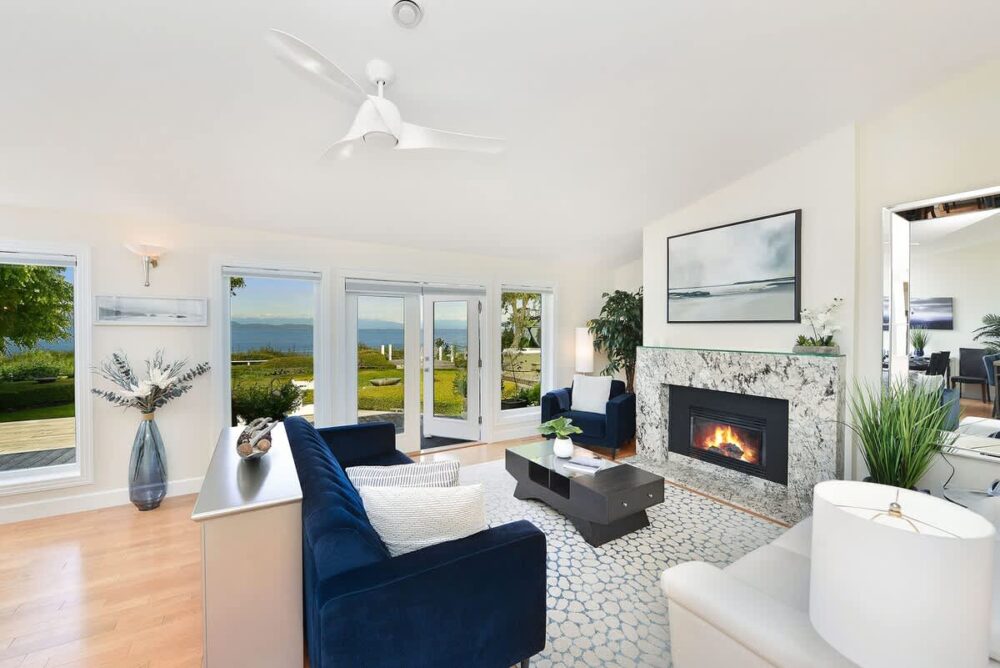
Ready to Work from Paradise in Victoria, BC?

Victoria offers a rare combination of reliable infrastructure, natural beauty, and a pace of life that supports long-term remote work. It is not the cheapest or the busiest destination, but for many digital nomads, it is one of the most livable. Start planning your stay, explore the region, and find the setup that works best for how you live and work.

Winter Performance 2025 and Summer Projections 2026: How EMR Stays Ahead of the Curve

Home improvement. Incorporate modern technologies, enhance energy efficiency, safety concerns. Increase the resale property value.

The Vancouver Island vacation rental market has shifted over the past year, but it hasn’t slowed down. Instead, we’re seeing a more dynamic landscape where demand remains strong, but how and when that demand shows up is changing. For homeowners and investors, this creates both opportunity and complexity.

EMR vacation rental home

Learn More About EMR

At EMR Vacation Rentals, we closely track performance across our portfolio to understand where the market is heading and how to position each property for success.

Have a home or property you’d like to list? Get a free estimate today.

Get a Free Estimate
Speak to Our Team

Quick Look: What the Data Is Telling Us

  • STR demand is strong year-over-year
  • Bookings are happening closer to arrival
  • Peak travel periods are driving performance
  • Strategy and management now directly impact results

Winter 2025 Performance: Strong, But Not Linear

Winter 2025 performance graph

Winter 2025 showed a clear lift in short term rental performance compared to the previous year, with every month outperforming 2024. Early winter saw particularly strong gains, and while January dipped, February rebounded significantly.

This pattern points to an important shift. Demand remained active throughout the season, but it did not follow a predictable or evenly distributed path.

Instead, travellers booked later and moved between months, creating periods of compression followed by strong recovery. For homeowners, this reinforces that performance is no longer just about being listed. It is about being positioned to capture demand when it appears.

At the same time, this performance reflects short term rental activity specifically, highlighting that in areas where this model is permitted, it continues to deliver strong seasonal results.

What this shows homeowners

Demand remains strong, but it is more timing-sensitive. Properties need active pricing, strong positioning, and responsive management to capture bookings as they appear.

What Changed: Booking Behaviour Is Shifting

Looking deeper at the winter performance, the shape of the booking curve tells the real story. Compared to the previous year, demand is no longer building steadily over time. Instead, it’s compressing closer to arrival dates.

January’s dip followed by February’s strong recovery is a clear example. Demand didn’t disappear, it shifted. Travellers are waiting longer to commit, responding to factors like weather, pricing, and flexibility.

For homeowners, this changes how success is achieved. Static pricing and passive management are far less effective in this environment. Capturing demand now requires ongoing adjustments, strong listing presentation, and the ability to respond in real time.

This is where professional management becomes a key advantage. When booking behaviour becomes less predictable, the ability to adapt quickly is what drives consistent performance.

Summer 2026 Projections: Strength in Peak Season

Summer 2026 projections graph

Looking ahead, Summer 2026 is already showing encouraging signs. Overall pacing is ahead of last year, particularly in the peak summer months of July and August, where demand is building more strongly than in 2025.

At the same time, June is tracking slightly behind, reinforcing a pattern we’re seeing more often. Travellers are prioritizing core summer weeks, concentrating demand into the most desirable periods rather than spreading it evenly across the season.

This creates a clear opportunity. Peak season remains highly valuable, but shoulder periods require a more intentional approach to pricing and positioning.

Much like winter, summer demand is still present, but it’s arriving in phases and often later in the booking window. For homeowners, this means that performance is less about early bookings and more about maintaining momentum and capturing demand as it develops.

What this means for Summer 2026

Peak demand is strong, but homeowners need a strategy for both high-demand windows and softer shoulder periods.

What Vancouver Island Rental Owners Should Know

The data is clear. Demand is still there, but the way it shows up has changed.

For homeowners, this means the opportunity hasn’t disappeared. It has become more nuanced. Performance now depends on aligning the right rental strategy with the right property, location, and market conditions.

Across Vancouver Island, we’re seeing two distinct but equally important paths emerge.

Own a Vancouver Island Vacation Rental

Short Term Rentals Where Permitted

Sunridge Beachside Retreat by EMR Vacation Rentals

In areas where short term rentals are allowed, performance remains strong. The winter data and summer projections both show that travellers continue to choose Vancouver Island for shorter stays, particularly during peak seasons.

These bookings are happening closer to arrival and are more sensitive to timing and pricing, which means success depends on how well a property is positioned and managed throughout the booking cycle.

Properties such as laneway homes, secondary suites, and principal residences continue to present strong opportunities in this space. For homeowners, the key is understanding whether a property qualifies and how to optimize it within current regulations. If you’re unsure where your property fits, connecting with a knowledgeable local team can help clarify your options and unlock its potential.

Monthly Stays 30+ Days

Vancouver Island monthly rental home

In areas where regulations require longer stays, monthly rentals offer a stable and effective way to generate revenue while remaining fully compliant.

These stays attract a wide range of guests, including relocating professionals, remote workers, students, and extended visitors, and provide more consistency across longer booking windows.

For many homeowners, this model offers a clear alternative to traditional long-term renting, without committing to fixed tenancy structures. It allows for flexibility while still generating steady income in a changing regulatory environment.

Understanding how this model performs, what kind of income to expect, and how to position a property correctly is where the right guidance becomes essential, particularly as regulations continue to evolve.

Why Professional Management Matters More Than Ever

Professional vacation rental management

As booking patterns shift, the difference between average and strong performance comes down to execution.

The winter data showed how quickly demand can move between months. Summer projections are already reinforcing how concentrated and timing-sensitive bookings have become. In this environment, success depends on more than simply listing a property.

It requires active pricing, strong presentation, and the ability to respond as demand develops. Capturing late bookings, optimizing peak periods, and maintaining performance through shoulder seasons all require a hands-on, informed approach.

This is where professional management plays a critical role.

Connect With Us

A Smarter Way to Invest in Vancouver Island Rentals

For homeowners and investors, the opportunity on Vancouver Island remains strong. Short term rentals continue to perform in permitted areas, and monthly stays provide a reliable path in regulated markets.

The key is making informed decisions from the start. Choosing the right location, understanding local regulations, and aligning the property with the right rental model all have a direct impact on long-term performance.

With the market becoming more complex, guidance is no longer optional. It is part of a successful investment strategy.

Where to Invest on Vancouver Island

EMR Vacation Rentals manages properties across some of the most desirable and well-positioned regions on Vancouver Island, including:

  • Victoria and the Saanich Peninsula
  • Sooke
  • Cowichan Valley
  • Parksville and Qualicum Beach
  • Nanaimo
  • Comox Valley

Each area offers a different mix of demand drivers, regulations, and opportunities, making local insight essential when choosing where to invest or how to position a property.

If you’re considering entering the market, or already own a home in one of these areas and are looking to improve performance, it’s worth having a conversation. Understanding what’s possible for your specific property is often the difference between average results and a well-performing rental.

Let’s Connect

Work With EMR Vacation Rentals

Navigating today’s vacation rental market requires a clear understanding of both opportunity and regulation.

EMR Vacation Rentals provides full-service management across Vancouver Island, helping homeowners position their properties for success whether through short term rentals or monthly stays. From initial guidance on where and how to invest, to ongoing management and optimization, EMR ensures each home is aligned with current market conditions and performing at its full potential.

If you’re considering a vacation rental on Vancouver Island or looking to improve the performance of an existing property, working with the right partner can make all the difference.

Speak to Our Team

A Newcomer’s Guide to Victoria, BC: How to Choose the Right Neighbourhood for You

Scenic cityscape view from Mount Douglas, capturing the panoramic beauty of Victoria, Vancouver Island, with distant mountains under a cloudy sky.

Greater Victoria is often described as a “city of villages,” and that’s exactly how it feels once you start to explore it. Rather than one central urban core, the region is made up of distinct neighbourhoods and communities, each with its own pace, character, and way of living.

A serene morning scene in Victoria, Vancouver Island, BC, showcasing charming coastal homes under the soft light of sunrise with a tranquil sea view. The calm sky complements the picturesque landscape.

At the centre is downtown Victoria, surrounded by established neighbourhoods to the east and west, with the Saanich Peninsula stretching north and the Westshore communities expanding outward. Whether you’re looking for walkable urban living, a quiet residential street, or something closer to nature, where you stay will shape your day-to-day experience in a meaningful way.

More helful resources:

Living in Victoria, BC

The Cost of Living in Victoria BC

Understanding Greater Victoria

Greater Victoria at a Glance

  • Victoria Core: Best for walkability, heritage charm, cafés, and easy access to downtown
  • Westshore: Best for newer homes, more space, family amenities, and value
  • UVic & Saanich Corridor: Best for families, students, and central residential living
  • Saanich Peninsula: Best for coastal lifestyle, small-town feel, and a slower pace
  • Outer Communities: Best for privacy, nature, and more room to breathe
  • Big deciding factor: Your daily routine matters more than distance on a map

Greater Victoria may look compact on a map, but it does not feel like one single, uniform city when you are actually living in it. It feels more like a collection of mini communities, each with its own personality, pace, and everyday rhythm. One area might mean harbour walks, heritage buildings, and coffee shops around the corner. Another might mean newer homes, school drop-offs, rec centres, and a bit more breathing room.

That is part of what makes this region so appealing, but it can also make choosing where to live surprisingly tricky. A short drive can take you from a lively, walkable neighbourhood near downtown to a quiet suburban street or a coastal community that feels almost like a town of its own. For newcomers, that shift can be hard to understand until you start exploring in person.

two women walking along the foot bridge toward downtown VictoriaIt helps to think of Greater Victoria in a few broad lifestyle zones. The Victoria core, including downtown, James Bay, and Fernwood, tends to appeal to people who want walkability, character, and easy access to restaurants, cafés, and the Inner Harbour. The Westshore, including Langford, Colwood, and View Royal, attracts people looking for newer developments, more space, and practical family amenities. Around Gordon Head and Upper Quadra, you get a more residential mix shaped by schools, parks, and proximity to UVic, while the Peninsula communities like Cordova Bay, Brentwood Bay, and Sidney offer a quieter, more coastal way of life.

The other piece newcomers often underestimate is the commute. Distances here can look short, but traffic patterns, especially between the Westshore and downtown, can change how a location feels on a daily basis. At the same time, remote and hybrid work have shifted the equation for many people, making lifestyle, scenery, and space just as important as driving time.

In the end, there is no single “best” neighbourhood in Greater Victoria. The right fit depends on how you want your days to look and feel. Whether you picture morning walks to a local café, easy access to schools and recreation, or a quieter home base near the water, there is a part of Greater Victoria that will feel more like you than the rest.

Quick Look: How to Choose Where to Stay

Want walkability and easy access → Downtown, James Bay

Want character and a local feel → Fairfield, Fernwood

Want quiet, established areas → Oak Bay, Gordon Head, Cordova Bay

Want close to downtown with more value → Esquimalt, View Royal

Want a coastal town feel → Sidney

Want farm country and a slower pace → Central Saanich, North Saanich, Brentwood Bay

Want space and newer homes → Langford, Colwood

Want nature and a more remote lifestyle → Metchosin, Sooke

Comparison Table

Most rental data in Greater Victoria reflects unfurnished apartments or long-term leases, typically for one- or two-bedroom condos or suites.

AreaVibeAvg Monthly Rent*WalkabilityCommute to Downtown**Best For
Downtown VictoriaUrban, lively, convenient$2,000–$2,400HighNoneCorporate stays, students, car-free living
James BayResidential, walkable, calm$2,000–$2,300High5 – 20 minLonger stays, professionals
Victoria WestEvolving, practical, close-in$2,200–$2,500Medium5 – 20 minValue near downtown, commuters
FairfieldRelaxed, local, established$2,000–$2,300High15 – 30 minFamilies, longer stays
FernwoodCreative, eclectic, community-focused$1,800–$2,200Medium15 – 30 minStudents, creatives
RocklandHistoric, quiet, refined$2,300–$2,800+Medium10 –30 minPrivacy, quiet living
Oak BayEstablished, polished, residential$2,400–$3,000+Medium20 – 45 minFamilies, upscale stays
EsquimaltPractical, evolving, close-in$1,900–$2,300Medium10–25 minValue, families
Gordon HeadResidential, practical, family-friendly$2,000–$2,400Medium20 – 45 minStudents, families
Cordova BayCoastal, quiet, scenic$2,400–$3,200+Low–Medium20 – 45 minRemote workers, coastal living
SidneyWalkable, coastal, small-town$2,000–$2,400High30 – 50 minRetirees, remote workers
View RoyalQuiet, connected, practical$1,900–$2,300Low–Medium10–20 minValue, commuters
North SaanichRural, private, spacious$2,500–$3,500+Low30 – 50 minPrivacy, nature
Central SaanichSemi-rural, grounded, convenient$2,100–$2,600Low–Medium20–30 minFamilies
Brentwood BayCoastal village, relaxed$2,100–$2,500Medium30 – 50 minQuiet long stays
LangfordSuburban, active, growing$1,900–$2,400Low25–45 minFamilies, space
ColwoodResidential, coastal, expanding$2,000–$2,500Low25–45 minFamilies, space
MetchosinRural, quiet, agricultural$2,300–$3,200+Low45–60 minPrivacy, nature
SookeRugged, coastal, outdoorsy$1,900–$2,400Low45–75 minNature-focused stays

*Rental ranges are based on recent long-term market data for unfurnished apartments and condos. Furnished monthly stays, including fully equipped homes, utilities, and flexible terms, will vary depending on property type, season, and availability.

**Commute times are averages based on typical traffic behaviour.

For many longer stays, especially relocations, corporate assignments, or in-between moves, the difference comes down to ease.

Instead of sourcing furniture, setting up internet and utilities, and committing to a fixed lease, furnished rentals offer a more flexible option where everything is ready from day one. You can arrive, settle in, and focus on your stay rather than the logistics of setting up a home.

Getting Around Greater Victoria

Diverse group of people standing and holding on to handrails inside a crowded public transport bus, commuting through the city during rush hourGetting around Greater Victoria is relatively easy, but how you move day to day will depend heavily on where you choose to stay.

Driving is the most common option, especially if you’re staying outside of the downtown core. Public transit is available throughout the region, but service can be limited depending on the area and may not always be the most efficient choice for daily commuting.

Hipster businessman commuter with electric bicycle traveling home from work in city at sunset. Copy space. Cycling is a strong option, particularly in the warmer months. The region has an extensive network of multi-use trails like the Galloping Goose and Lochside Trail, which connect many neighbourhoods and make it possible to commute or run errands by bike if you’re staying nearby.

The Reality of Commuting

If you’re planning to travel downtown regularly, it’s worth considering your commute carefully.

Cars and trucks are stuck in a traffic jam on a highway, creating congestion and delays for commutersOne of the most well-known traffic patterns in the region is the “Colwood Crawl,” referring to congestion along the main route between the Westshore and downtown during peak hours. While communities like Langford and Colwood offer more space and newer homes, the trade-off can be a longer and less predictable commute.

Neighbourhoods closer to the city centre, such as Esquimalt, View Royal, and Fairfield, tend to offer easier day-to-day access with shorter travel times. Like most places, it comes down to what matters more for your stay: space and value, or proximity and convenience.

Living Here Day-to-Day

Choosing the right neighbourhood isn’t just about location. It’s about how your day-to-day life will actually feel while you’re here.

Young family with a girl, spending time at home on the weekends. Loving family resting on the couch, playing, watching television.For families

Access to parks, schools, and quieter residential streets often becomes a priority. Neighbourhoods with more space and a slower pace can make longer stays feel more settled and comfortable.

Laptop on table with a video call on the screen in living room. People using VoIP to connect together.

For remote workers and digital nomads

A balance of reliable internet, a comfortable workspace, and a peaceful environment can make a big difference. Areas that offer both access to amenities and a sense of calm tend to work well for longer stays.

For pet owners

Loving couple is playing with their dog at the beach - caucasian people - people, animal, lifestyle and nature concept Walkability, nearby green space, and access to trails or beaches can shape your daily routine. Many neighbourhoods across Greater Victoria offer excellent outdoor access, but some are better suited than others depending on how you like to spend your time outside.

Downtown & Inner Harbour Living

Urban, walkable, close to everything

If your priority is convenience and walkability, this is where you want to be. Daily life is compact and efficient, with restaurants, cafés, shops, and the waterfront all within a few blocks. This area is especially well suited for corporate travellers, short-term stays, and anyone who prefers not to rely on a car.

Downtown Victoria

Quick Look

  • Best for: Walkability, corporate stays, short commutes
  • Vibe: Urban, lively, convenient
  • Walkability: Very high
  • Commute to Downtown: None

Downtown Victoria is the most active and connected part of the city. Living here means stepping directly into restaurants, shops, and waterfront activity. It’s an energizing environment with a mix of professionals, visitors, and long-term renters.

For longer stays, it works best if convenience outweighs the need for space or quiet. Expect a faster pace, some noise, and limited parking, but unmatched access to everything.

James Bay

Quick Look

  • Best for: Walkability with a quieter feel, coastal access
  • Vibe: Historic, residential, relaxed
  • Walkability: High
  • Commute to Downtown: Minutes to downtown

James Bay sits just outside downtown but feels noticeably calmer. With tree-lined streets, heritage homes, and easy access to the waterfront and Beacon Hill Park, it offers a balanced, liveable environment.

For extended stays, it’s one of the strongest options if you want walkability without the intensity of downtown living.

Victoria West (Vic West)

Quick Look

  • Best for: Proximity to downtown with more space
  • Vibe: Residential, evolving
  • Walkability: Moderate
  • Commute to Downtown: 5 to 10 minutes

Located just across the harbour, Vic West offers quick access to downtown with a slightly more relaxed feel. Newer condo developments and waterfront paths make it increasingly popular for longer stays.

It’s a practical option if you want to stay close to the action without being directly in it.

Character Neighbourhoods Close to Downtown

Established, local feel, highly livable

These neighbourhoods offer a more residential experience while still keeping downtown within easy reach. This is where many locals choose to live, with a stronger sense of community and more day-to-day comfort.

Fairfield

Quick Look

  • Best for: Families, walkability, access to parks
  • Vibe: Quiet, established, residential
  • Walkability: High
  • Commute to Downtown: 5 to 10 minutes

Fairfield is one of the most consistently desirable neighbourhoods in Victoria. With access to Beacon Hill Park and the waterfront, it offers a calm, balanced lifestyle close to downtown.

For longer stays, it’s ideal if you want a neighbourhood that feels settled and easy to live in.

Fernwood

Quick Look

  • Best for: Creatives, young professionals
  • Vibe: Artsy, community-focused
  • Walkability: Moderate to high
  • Commute to Downtown: 5 to 10 minutes

Fernwood has a distinct personality, centred around a small village hub with cafés, bakeries, and local events. It’s slightly less polished than other areas, but that’s part of its appeal.

It’s a strong choice if you’re looking for character and a neighbourhood with a social, creative energy.

Rockland

Quick Look

  • Best for: Quiet living, historic homes
  • Vibe: Upscale, peaceful
  • Walkability: Moderate
  • Commute to Downtown: 5 to 10 minutes

Rockland is known for its larger homes and quiet, tree-lined streets. It feels more removed despite being close to downtown.

For extended stays, it suits those who prioritize privacy and a calm environment over walkability.

Oak Bay

Quick Look

  • Best for: Long-term stays, coastal access
  • Vibe: Established, refined
  • Walkability: Moderate
  • Commute to Downtown: 10 to 15 minutes

Oak Bay offers a traditional neighbourhood feel with access to the ocean and a strong sense of community. It feels slightly separate from the city, even though it’s close by.

It’s ideal for longer stays where routine, comfort, and a slower pace matter.

Esquimalt

Quick Look

  • Best for: Value, proximity to downtown
  • Vibe: Transitional, community-focused
  • Walkability: Moderate
  • Commute to Downtown: 5 to 10 minutes

Esquimalt is evolving quickly, with new cafés, breweries, and waterfront access shaping the area. It offers strong value while keeping you close to downtown.

It’s a practical choice for longer stays, especially if budget and location are priorities.

Coastal & Residential Areas Near the City

A serene morning scene in Victoria, Vancouver Island, BC, showcasing charming coastal homes under the soft light of sunrise with a tranquil sea view. The calm sky complements the picturesque landscape.Water access, quieter pace, still connected

These areas offer a balance between city access and coastal living, with a slower pace and more space.

Gordon Head

Quick Look

  • Best for: Families, students
  • Vibe: Residential, practical
  • Walkability: Moderate
  • Commute to Downtown: 15 to 25 minutes

Gordon Head is a well-established neighbourhood near UVic, with access to parks, beaches, and everyday essentials.

It works well for longer stays where function, space, and access to amenities matter.

Cordova Bay

Quick Look

  • Best for: Coastal living, quiet lifestyle
  • Vibe: Scenic, calm
  • Walkability: Low to moderate
  • Commute to Downtown: 20 to 30 minutes

Cordova Bay is more lifestyle-driven, with ocean views, beach access, and a quieter pace. Daily life here is centred around outdoor routines rather than urban convenience.

It’s ideal if you want to prioritize environment over walkability.

View Royal

Quick Look

  • Best for: Central location, value
  • Vibe: Quiet, practical
  • Walkability: Moderate
  • Commute to Downtown: 10 to 20 minutes

View Royal sits between downtown and the Westshore, making it one of the most strategically located areas.

For longer stays, it offers a reliable, central base without the higher cost of more in-demand neighbourhoods.

Saanich Peninsula & Farm Country Living

lush garden at Beacon Hill Park in Victoria BCAgricultural, slower pace, connected rural living

The Peninsula offers a quieter, more grounded lifestyle shaped by farmland, coastal views, and smaller communities. It’s ideal for those who want space without being completely disconnected.

North Saanich

Quick Look

  • Best for: Privacy, space, coastal living
  • Vibe: Rural, quiet
  • Walkability: Low
  • Commute to Downtown: 25 to 40 minutes

North Saanich offers large properties, ocean views, and a strong sense of privacy. It feels removed from the city in a way that appeals to those seeking quiet.

Best suited for longer stays where space and calm are priorities.

Central Saanich

Quick Look

  • Best for: Balance, families
  • Vibe: Semi-rural, community-oriented
  • Walkability: Low to moderate
  • Commute to Downtown: 20 to 30 minutes

Central Saanich blends rural living with everyday convenience. It’s a comfortable middle ground with access to essential services.

A strong option for relocations or extended stays.

Brentwood Bay

Quick Look

  • Best for: Village feel, coastal access
  • Vibe: Small-town, connected
  • Walkability: Moderate
  • Commute to Downtown: 25 to 35 minutes

Brentwood Bay offers a true village atmosphere with a walkable core, marina access, and a strong sense of community.

It’s one of the more livable Peninsula options for longer stays.

Sidney

Quick Look

  • Best for: Walkable coastal living
  • Vibe: Small-town, seaside
  • Walkability: High
  • Commute to Downtown: 25 to 40 minutes

Sidney stands out for its walkability and self-contained feel. With shops, cafés, and the waterfront all nearby, it offers an easy, relaxed lifestyle.

It’s especially appealing for longer stays where you want to live without relying heavily on a car.

Westshore Communities

neighbourhood on a sunny dayNewer development, more space, value trade-offs

The Westshore is where much of Victoria’s growth is happening, offering newer homes and more space at a lower price point.

Langford

Quick Look

  • Best for: Families, space, newer homes
  • Vibe: Suburban, growing
  • Walkability: Moderate
  • Commute to Downtown: 25 to 45 minutes

Langford is built around convenience, with shopping, recreation, and services all close by.

It’s ideal for longer stays where space and practicality are priorities.

Colwood

Quick Look

  • Best for: Coastal access, quieter pace
  • Vibe: Residential, expanding
  • Walkability: Moderate
  • Commute to Downtown: 30 to 45 minutes

Colwood offers a slightly quieter alternative to Langford, with coastal access and growing residential communities.

It’s a good fit for those who want space with a more relaxed pace.

West Coast & Rural Living

Nature-first, remote, lifestyle-driven

These areas offer a completely different experience, focused on nature, space, and a slower way of living.

Metchosin

Quick Look

  • Best for: Privacy seekers, remote workers
  • Vibe: Rural, agricultural, quiet
  • Walkability: Low
  • Commute: 30 to 50 minutes

Metchosin is one of the most rural areas in Greater Victoria, defined by farmland, forest, and open space.

Daily life requires planning, with limited services nearby, but the trade-off is privacy and a strong connection to the landscape.

Sooke

Quick Look

  • Best for: Outdoor lifestyle, ocean views
  • Vibe: Rugged, coastal, laid-back
  • Walkability: Low
  • Commute: 45 to 75 minutes

Sooke sits at the edge of Greater Victoria, where nature becomes the main focus. Life here revolves around beaches, forests, and outdoor exploration.

It’s best suited for longer stays where lifestyle and environment matter more than convenience.


Where to Stay While You Explore Victoria

Mount Finlayson HomeOne of the best ways to choose the right neighbourhood is to experience it firsthand. Staying in a furnished rental allows you to explore different areas while maintaining comfort and flexibility, whether you want to test out urban living, a quieter coastal setting, or a more family-oriented community.

EMR Vacation Rentals offers professionally managed homes across Greater Victoria, including downtown Victoria, Sidney, Langford and the Westshore, and Sooke. You can also browse by stay type, whether you are looking for condos, houses, or longer-term monthly furnished rentals.

Find the Home You’re Looking For

Ready to explore your options? Browse EMR Vacation Rentals’ full collection of professionally managed homes across Greater Victoria and Vancouver Island.

Guide to Living in Victoria, BC: The Pros, Cons and What it’s Really Like to Live Here

view of Victoria's Inner Harbour from the walkway

At the southern tip of Vancouver Island, Victoria offers a lifestyle that’s hard to match anywhere else in Canada. With ocean views, walkable neighbourhoods, and one of the mildest climates in the country, it’s no surprise so many people consider making the move.

If you’re thinking about relocating, working remotely, or planning a longer stay, spending time here first can make all the difference. Explore fully furnished homes across Greater Victoria with EMR Vacation Rentals and experience what living here is really like before committing long-term.
 

A Quick Look at Victoria vs Greater Victoria

When people say “Victoria,” they’re often referring to a much larger region.

  • City of Victoria: The downtown core, Inner Harbour, heritage buildings, and main attractions
  • Greater Victoria: Includes surrounding municipalities stretching from Sooke on the far west coast to the top of the Saanich Peninsula

Greater Victoria offers a range of lifestyles, from urban and walkable to rural and coastal, all within a relatively short drive.


Neighbourhoods in Greater Victoria

If you’re planning a move or extended stay, choosing the right area is one of the most important decisions. For a deeper breakdown, you can explore our full neighbourhood guide for Greater Victoria.

Core Victoria

Downtown Victoria: Walkable, central, and close to restaurants, shopping, the Inner Harbour, and major attractions

James Bay: Historic, residential, and close to Beacon Hill Park, Dallas Road, and the waterfront

Fairfield: Leafy, relaxed, and popular with families and professionals, with easy access to Cook Street Village and the ocean

Fernwood: Creative, community-focused, with heritage homes, cafés, and a strong arts scene


North of Downtown

Hillside: Residential and practical, with easy access to shopping, transit, and central Victoria

Quadra: Diverse and convenient, close to downtown without being in the core

Burnside: Well-connected, with access to the Galloping Goose Trail and major routes

Oaklands: Quiet, residential, and family-friendly with parks and schools

Saanich Peninsula

North Saanich & Sidney: Quiet, coastal, and residential. Close to the ferry terminal

Central Saanich: Agricultural landscapes and home to The Butchart Gardens

South Saanich: Family-friendly with parks, beaches, and proximity to UVic

West Shore

Langford: Fast-growing, more affordable, popular with families

Colwood: Coastal living with access to Royal Roads University

Bear Mountain: Resort-style community with golf and hiking

Other Key Areas

Sooke: Gateway to the rugged west coast

Metchosin: Spacious, rural, and oceanfront

Esquimalt: Close to downtown with strong waterfront access

Oak Bay: Established, walkable, and upscale

View Royal: Centrally located between Victoria and the West Shore


The Pros of Living in Victoria, BC

Adventurous female is hiking Juan de Fuca Trail to Mystic Beach on the Pacific Ocean Coast during a sunny summer day. Taken near Port Renfrew, Vancouver Island, BC, Canada.Access to Nature Year-Round

Living in Victoria means you’re never far from the ocean, parks, or trails. From the Dallas Road waterfront to the expansive green space at Beacon Hill Park, outdoor access is part of daily life.

The mild climate makes it possible to stay active year-round, whether that’s walking, cycling, or exploring nearby beaches and forests.

View of the Inner Harbour in Victoria, BC from the Songhees walkwayA Distinctive Coastal City

Victoria’s character comes from its blend of heritage architecture and coastal setting. Around the Inner Harbour, you’ll find historic buildings, walkable streets, and a slower pace.

Neighbourhoods tend to have their own identity, often with cafés, small shops, and access to green space.

Majestic whale tail emerges from the ocean at sunsetWildlife and Everyday Nature

Wildlife is part of everyday life here. Harbour seals gather near Fisherman’s Wharf, bald eagles are a common sight, and deer often move through residential areas.

Seasonally, you may even catch glimpses of orcas offshore.

pizza near wood pizza ovenA Strong Food and Drink Scene

Victoria is known for high-quality, locally driven food. Restaurants focus on seasonal ingredients supported by nearby farms, fisheries, and wineries.

The city also has a growing network of breweries, cideries, and distilleries.

many blooming cherry trees with pink blooms and daffodils in flower bedsA Manageable Climate

Victoria’s climate is notably moderate. Summers are warm but rarely extreme, and winters are mild with minimal snowfall.

This makes it easier to maintain routines year-round.

two people sitting on a log on a beach in Victoria at sunset while their children play in the sand near the waterHigh Quality of Life

Victoria offers strong access to healthcare, education, and employment, particularly in government and tech sectors.

The balance of infrastructure and natural surroundings creates a stable, livable environment.


The Cons of Living in Victoria

Upset attractive blonde senior woman in pink dress sitting next to her husband driving auto, touching head, look through window, feeling down after quarrel with spouse. Family fight during car ride It’s an Island

Living on Vancouver Island means travel requires planning. BC Ferries connects the island to the mainland, but schedules, wait times, and demand can affect travel.

Flights and seaplanes are faster but often more expensive, especially for frequent travel.

Stressed asian spouses checking financial papers, upset mature husband and young wife looking at loan documents, calculating family budget, suffering financial crisis Cost of Living

Housing is one of the biggest challenges. Both home prices and long-term rentals have increased significantly in recent years.

Beyond housing, groceries, transportation, and utilities also tend to be higher than the national average.

Limited Big-City Access

Victoria offers a lot day-to-day, but it doesn’t have the scale of larger cities.

For major events, specialized services, or international travel, many residents rely on Vancouver.

Earthquake Risk

Victoria sits near the Cascadia Subduction Zone. While major events are rare, preparedness is part of living on the coast.

Many residents maintain emergency plans and basic supplies.


Is Victoria Right for You?

Victoria tends to work best for people who value lifestyle over speed.

It’s a strong fit for:

  • Remote workers and digital nomads
  • Retirees seeking a milder climate
  • Families looking for access to nature and education
  • Professionals relocating for government, healthcare, or tech roles

It can be more challenging for those seeking lower housing costs or fast-paced urban environments.


Where to Stay in Greater Victoria

Harbourfront Executive Stay - EMR Vacation RentalsIf you’re considering a move, a longer stay is one of the best ways to understand how Victoria fits your lifestyle.

EMR Vacation Rentals offers fully furnished homes across Greater Victoria, designed specifically for extended stays. These properties provide the space and functionality that hotels often lack, including full kitchens, in-suite laundry, and dedicated work areas.

Whether you’re relocating, working remotely, or planning a transitional stay, having a comfortable, ready-to-live-in home allows you to settle in and experience the area properly.

Explore EMR Vacation Rentals across Greater Victoria to find the right home for your stay.


Tips for Planning a Longer Stay in Victoria

A bit of planning can make a longer stay much smoother:

  • Book early: Demand for furnished rentals is high, especially in peak seasons
  • Choose your neighbourhood carefully: Your daily routine will depend heavily on location
  • Plan transportation: Some areas are walkable, but many require a car
  • Consider the season: Summer is busy and vibrant, while winter is quieter and more local


Thinking About Living in Victoria?

Victoria offers a unique balance of natural beauty, livability, and coastal charm that continues to attract people from across Canada and beyond. Taking the time to experience it through a longer stay can help you decide if it’s the right fit.

Find your perfect home base with EMR Vacation Rentals and start experiencing life in Victoria at your own pace!

Corporate Housing vs. Hotels in Victoria: Why Business Travelers Are Making the Switch

exterior view of the whole vacation rental

Business travel in Victoria, BC has changed. Longer stays, hybrid work, and the rise of “bleisure” travel mean professionals are no longer looking for a place to simply sleep. They need a place where they can live and work comfortably.

view of the ocean from Luxury Oceanside home's patio For companies booking extended stays, the choice is shifting away from traditional hotels toward corporate housing in Victoria BC. If you are coordinating travel for your team, explore EMR Vacation Rentals’ monthly furnished rentals in Victoria to find professionally managed homes designed for relocations, project-based travel, and longer stays!

View Monthly Furnished Rentals


The Evolution of Business Travel in Victoria, BC

Whether you’re a medical locum, on set or a part of a project team, business travel today often involves weeks or months on location and teams need stable, comfortable accommodations for those extended periods.

At the same time, expectations have shifted. Travellers need more than a place to sleep, they need a space that supports both productivity and daily living. While hotels can work for short visits, they often fall short during longer stays where comfort, routine, and balance become essential.

Quick Look: What Today’s Business Travelers Need

  • Longer stays, often 30 days or more
  • Work-ready environments with reliable internet
  • Space to separate work and rest
  • Comfortable, home-like amenities


The Space & Privacy Equation: Hotel Room vs. Corporate Housing

One of the most noticeable differences between hotels and corporate housing is space.

A standard hotel room in Victoria typically offers around 325 square feet. In contrast, a furnished condo or home through EMR Vacation Rentals often provides 650 square feet or more, along with separate living, dining, and sleeping areas.

FeatureHotel RoomEMR Corporate Housing
Average Size~325 sq ft650+ sq ft
Living AreaLimitedSeparate living room
KitchenNone or kitchenetteFull kitchen
PrivacyShared spacesPrivate residence

That additional space has a direct impact on comfort and productivity. Being able to step away from your workspace, cook a meal, or unwind in a separate living area helps create a more sustainable routine during longer stays.

Explore Extended Stay Rentals

Why “Work-Ready” Accommodation Matters More Than Ever

laneway cottage of Bayside Cottage work space with view of the garden For many professionals, accommodation doubles as a workspace. Reliable internet, a proper desk, and a quiet environment are no longer optional.

Hotels can present challenges, including shared Wi-Fi networks, inconsistent speeds, and limited workspace options. Corporate housing is designed with longer stays in mind, offering dependable internet and environments better suited to focused work.

Quick Look: Work Essentials Business Travelers Expect

  • Dedicated desk or workspace
  • Reliable high-speed internet
  • Quiet, distraction-free environment
  • Comfortable seating for extended work sessions

For teams that need reliable, work-ready accommodation, browse EMR’s extended stay rentals built specifically for business travel and longer stays.

Lifestyle Logistics: Where Corporate Housing Wins

Quick Look: Everyday Advantages of Corporate Housing

  • Full kitchens for routine and cost control
  • In-suite laundry for longer stays
  • Family-friendly layouts with multiple bedrooms
  • Separate spaces for living and working
  • Convenient locations across Victoria
  • Flexible, pet-friendly options

Full Kitchens and Daily Living

Bayside Cottage interior of home dining and kitchen A full kitchen makes it easier to maintain routines, eat well, and reduce daily expenses. Instead of relying on takeout or room service, travellers can prepare meals on their own schedule.

In-Suite Laundry for Extended Stays

For longer assignments, laundry is a necessity. In-suite laundry removes the need for shared facilities or added service fees, making day-to-day living more convenient.

Family-Friendly Space for Longer Stays

Many extended stays involve more than one traveller. Corporate housing provides multiple bedrooms and comfortable living areas, making it easier for families to stay together and maintain a sense of normalcy.

Dedicated Spaces for Living and Working

workspace in Columbia beach house - vacation rental interiorHaving separate areas for work and relaxation helps support both productivity and well-being. Corporate housing allows guests to stay focused during the day and properly disconnect in the evening.

Convenient Locations Across Victoria


Location plays a key role in business travel. Corporate housing options are available in both central and residential neighbourhoods, making it easier to stay close to offices, job sites, and essential services.

dog on a beach at sunrise - pets

Pet-Friendly Flexibility

For travellers bringing pets, flexibility matters. Corporate housing typically offers more accommodating options than hotels, creating a more comfortable experience for longer stays.

Browse Monthly Furnished Rentals


Cost Analysis: The ROI of Corporate Housing in Victoria

Hotels may seem like the default choice, but for extended stays, the cost difference becomes clear.

Monthly furnished rentals typically offer lower per-night rates compared to hotels. When combined with savings on dining, laundry, and additional fees, the overall cost is often significantly more efficient.

Quick Look: Where Companies Save

  • Lower nightly rates for long-term bookings
  • Reduced dining costs with full kitchens
  • Fewer additional fees and surcharges
  • Potential tax advantages for extended stays

Looking to reduce accommodation costs without compromising comfort? Discover EMR’s monthly furnished rentals on Vancouver Island and find a more efficient solution for your team.
 

Who Is Making the Switch to Corporate Housing?

Corporate housing is becoming the preferred option across industries where extended stays are common.

  • HR managers coordinating employee relocations
  • Film production teams working across Vancouver Island
  • Executive assistants booking accommodations for leadership teams
  • Healthcare professionals and travel nurses on assignment

For these groups, comfort, reliability, and cost efficiency are essential, not optional.
 

Corporate Housing in Victoria BC: A Better Experience for Your Team

When employees are comfortable, they perform better. Having space to relax, cook, and maintain a routine supports both productivity and well-being.

Corporate housing offers a more balanced experience. It provides a functional work environment during the day and a comfortable place to recharge in the evening, something that becomes increasingly important during longer assignments.

Find a Better Way to Stay


Where to Stay in Victoria for Business Travel

exterior view of the whole vacation rental Victoria offers several neighbourhoods that work well for business travel, depending on the nature of the stay. The Inner Harbour and downtown core are ideal for shorter assignments or executive stays, with easy access to offices, dining, and services.

For longer stays, many travellers prefer quieter residential areas such as James Bay, Fairfield, and Saanich. These neighbourhoods offer more space and a comfortable day-to-day environment while still being close to key business hubs.

EMR Vacation Rentals offers a curated collection of fully furnished homes and condos across Victoria and surrounding areas. With options ranging from central suites to spacious residential properties, it is easy to find accommodations that align with both professional and lifestyle needs.

For companies planning longer assignments or relocations, EMR’s monthly furnished rentals in Victoria offer a flexible, fully equipped alternative to traditional accommodations.


Find the Right Monthly Furnished Rental in Victoria

Skip the limitations of hotel stays and choose a space that supports how your team actually lives and works. EMR Vacation Rentals offers fully furnished homes across Victoria and Vancouver Island, ideal for extended stays, relocations, and corporate travel.

With professional management, reliable amenities, and flexible options for longer bookings, your team can settle in comfortably from day one.

View Monthly Furnished Rentals


You Deserve a Home, Not a Room

As business travel continues to evolve, so do expectations. Extended stays require more than a standard hotel room. They require space, functionality, and comfort.

EMR Vacation Rentals offers professionally managed monthly furnished rentals in Victoria and across Vancouver Island, giving your team a better way to stay, work, and live during extended assignments. Explore available homes or connect with our team to find the right fit for your next booking.

Start Your Search

The Best Coffee Shops in Victoria, BC: A Local’s Guide

Victoria is famous for its harbour views, historic architecture, and beautiful coastal scenery, but many visitors quickly discover another highlight of the city: an exceptional coffee culture. Independent cafés, specialty roasters, and welcoming neighbourhood coffee shops are part of everyday life here.

Beacon Hill View Condo Main Image

Whether you are starting the morning before exploring the Inner Harbour or taking a mid-afternoon break while wandering downtown streets, Victoria offers an impressive range of cafés serving excellent coffee. From modern specialty coffee bars to long-standing local favourites, these are some of the best coffee shops in Victoria to visit during your stay.

Quick Coffee Guide to Victoria

If you only have time to visit a few cafés during your trip, start with these standout spots.

Best specialty coffee: Hey Happy Coffee

Best local favourite: Habit Coffee

Best relaxed café atmosphere: Union Pacific Coffee

Best neighbourhood coffee stop: Hide + Seek Coffee

Best historic café experience: Murchie’s

Many of these cafés are located within walking distance of downtown Victoria, making it easy to explore several in a single morning.

Why Victoria Has One of the Best Coffee Scenes in Canada

Quick Look: Victoria Coffee Culture

  • Strong independent café scene
  • Influence from Pacific Northwest coffee traditions
  • Emphasis on specialty beans and quality brewing
  • Walkable neighbourhood café culture
  • Locally owned coffee shops dominate the city

https://www.emrvacationrentals.com/all-listings/beacon-hill-view-condo/Victoria’s coffee culture has developed alongside the broader Pacific Northwest coffee movement, which emphasizes quality beans, careful roasting, and skilled brewing. Like nearby Vancouver and Seattle, the city has embraced specialty coffee in a way that goes far beyond the traditional café experience.

One of the most noticeable aspects of Victoria’s coffee scene is the strong presence of independent cafés. While international chains exist, the city is dominated by locally owned coffee shops that focus on craft and community. Many cafés build loyal neighbourhood followings and become daily gathering places for residents.

The city’s walkable layout also helps support this culture. Visitors exploring downtown, Chinatown, or neighbourhoods like Fernwood and Oak Bay will often find several excellent cafés within a short walk of each other. For travellers, this means discovering great coffee can become part of the experience of exploring Victoria itself.

Victoria’s Coffee Roasters and the Third-Wave Movement

Quick Look: What Is Third-Wave Coffee?

  • Emphasis on bean origin and quality
  • Small-batch roasting
  • Lighter roasting profiles that preserve flavour
  • Careful brewing techniques
  • Focus on craftsmanship and customer experience

Behind many of Victoria’s cafés is a strong community of specialty roasters. The city has embraced the third-wave coffee movement, which treats coffee with the same level of care and attention often associated with craft beer or wine.

https://www.emrvacationrentals.com/all-listings/beacon-hill-view-condo/Third-wave coffee focuses on the origin of beans, roasting techniques, and brewing methods that highlight subtle flavours. Rather than dark roasting beans until they taste uniform, roasters aim to bring out the unique characteristics of each coffee.

Many Victoria cafés serve beans roasted locally or elsewhere on the West Coast. Baristas often use precise brewing techniques such as pour-over or carefully calibrated espresso machines to produce balanced, flavourful coffee.

For visitors, this means a simple cup of coffee can become a memorable experience. Baristas are usually happy to explain the beans they are serving or recommend drinks based on individual preferences, making Victoria an enjoyable destination for both casual coffee drinkers and serious enthusiasts.

Where Locals Get Coffee in Victoria

Before diving into the full list, it helps to know that Victoria’s coffee culture is strongly influenced by neighbourhood favourites. Many residents have a regular café they visit every day, whether for a morning espresso or an afternoon break.

Three cafés in particular are widely considered essential stops for experiencing Victoria’s coffee scene.

Closeup image of a couple people clinking coffee cups together in cafeHey Happy Coffee is known for carefully sourced beans and beautifully crafted espresso drinks.

Habit Coffee has long been a favourite among coffee enthusiasts and proudly serves Bows & Arrows Coffee Roasters.

Union Pacific Coffee combines excellent coffee with a relaxed atmosphere in Victoria’s historic Old Town district.

These cafés represent the heart of Victoria’s independent coffee culture and are excellent places to begin exploring the city’s café scene.

10 Best Coffee Shops in Victoria


Hey Happy Coffee

Quick Look

Location: Johnson Street

Best for: specialty espresso drinks

Neighbourhood: Downtown Victoria

Hey Happy Coffee has become one of the most recognizable specialty coffee cafés in Victoria. Known for its carefully sourced beans and beautifully prepared espresso drinks, the café is a favourite among locals who appreciate high-quality coffee.

The modern space has a relaxed but energetic atmosphere that makes it a popular stop for both residents and visitors exploring downtown Victoria.

Union Pacific Coffee

Quick Look

Location: Herald Street

Best for: relaxed atmosphere and great espresso

Neighbourhood: Old Town / Chinatown

Union Pacific Coffee offers a bright, spacious café environment that encourages visitors to slow down and enjoy their coffee. The café is known for excellent espresso drinks paired with fresh pastries and baked goods.

Located near Victoria’s historic Chinatown district, it is a convenient stop while exploring some of the city’s oldest streets.

Habit Coffee

Habit Coffee's sandwich board sign on the sidewalk on a sunny day with a cyclist in the backgroundQuick Look

Location: Yates Street

Best for: coffee enthusiasts

Neighbourhood: Downtown Victoria

Habit Coffee has built a reputation as one of Victoria’s most respected specialty coffee cafés. The shop proudly serves beans from Bows & Arrows Coffee Roasters, a local roaster known for carefully balanced blends.

The café’s relaxed atmosphere and focus on quality brewing techniques make it a favourite among people who appreciate well-crafted coffee.

Hide + Seek Coffee

Quick Look

Location: Oak Bay Avenue

Best for: neighbourhood coffee culture

Neighbourhood: Oak Bay

Hide + Seek Coffee is a welcoming neighbourhood café that has developed a strong following among Oak Bay residents. The café’s friendly staff and relaxed environment create a comfortable place to enjoy a cup of coffee.

Visitors exploring Oak Bay will find it an ideal stop while wandering through one of Victoria’s most charming residential neighbourhoods.

Little June

Quick Look

Location: Gladstone Avenue

Best for: coffee and house-made baked goods

Neighbourhood: Fernwood

Little June is known for pairing excellent coffee with fresh baked goods made in-house. The café’s bread and pastries have helped it become a popular neighbourhood gathering spot in the Fernwood area.

The warm atmosphere makes it a great place to enjoy a slower morning while exploring this creative and community-focused neighbourhood.

Bean Around the World

Quick Look

Location: Fisgard Street

Best for: casual coffee stop in Chinatown

Neighbourhood: Chinatown

Bean Around the World is a well-known Vancouver Island coffee brand with several locations across the region. The Chinatown café provides a relaxed place to grab coffee while exploring one of Victoria’s most historic districts.

Its comfortable atmosphere and consistent coffee make it a reliable stop for visitors wandering through downtown.

Murchie’s Fine Tea & Coffee

Quick Look

Location: Government Street

Best for: historic Victoria café experience

Neighbourhood: Downtown Victoria

Murchie’s is one of Victoria’s most historic cafés and has been serving locals and visitors for generations. Although the shop is famous for its teas, it also serves excellent coffee in a traditional café setting.

The heritage atmosphere and central location near the Inner Harbour make it a memorable stop during a visit to downtown Victoria.

Farmhouse Victoria

Quick Look

Location: Bastion Square

Best for: cozy café atmosphere

Neighbourhood: Old Town

Farmhouse Victoria is a small independent café located in historic Bastion Square. The café is known for its welcoming environment, good coffee, and delicious baked goods.

Its quiet setting makes it a pleasant place to relax after exploring nearby shops and historic streets.

Saint Cecilia Coffee & Brands

Quick Look

Location: Yates Street

Best for: specialty coffee

Neighbourhood: Downtown Victoria

Saint Cecilia Coffee focuses on carefully selected beans and expertly crafted espresso drinks. The café has developed a strong reputation among local coffee enthusiasts for its knowledgeable baristas and consistent quality.

The modern interior and calm atmosphere make it a comfortable place to enjoy a thoughtfully prepared cup of coffee.

Loft & Ladder Coffee House

Quick Look

Location: Johnson Street

Best for: relaxed workspace café

Neighbourhood: Downtown Victoria

Loft & Ladder Coffee House offers comfortable seating and a welcoming environment that attracts students, remote workers, and casual visitors alike.

The café serves good coffee alongside sandwiches and light meals, making it a convenient stop for both quick visits and longer afternoons.

Bonus: A Local Coffee Spot Worth Discovering

There are tons of great coffee spots in Victoria but we needed to give this one a special mention: Mile Zero Coffee in the Rock Bay area. This small specialty roastery focuses on small-batch roasting, high-quality beans, and its friendly staff are always happy to talk about brewing techniques and roasting profiles. Because it sits slightly outside the downtown core, Mile Zero tends to attract more locals than tourists, making it a great place to experience Victoria’s coffee culture from a local perspective!

Victoria Neighbourhoods to Explore for Great Coffee

Victoria’s café culture extends well beyond the downtown core. Exploring different neighbourhoods can reveal new cafés and unique local atmospheres.

Downtown Victoria offers the highest concentration of specialty cafés.

Chinatown combines historic streets with several popular coffee stops.

Fernwood is known for independent cafés and creative community spaces.

Oak Bay features relaxed neighbourhood cafés close to the waterfront.

Each area offers its own take on Victoria’s thriving coffee culture.

Great Coffee Shops Near Victoria

Many visitors explore beyond downtown Victoria during their stay on Vancouver Island. Fortunately, excellent coffee can be found throughout the surrounding communities, from the West Shore to the Saanich Peninsula and the rural coastline near Sooke.

If you are staying outside the city centre, these cafés are well worth visiting.

Coffee Shops in Langford (West Shore)

Langford has grown rapidly over the past decade and now has a thriving local café scene. Visitors staying in the West Shore area will find several independent coffee shops that offer great espresso drinks and welcoming neighbourhood atmospheres.

Rhino Coffee House

Quick Look

Location: Goldstream Avenue, Langford

Best for: relaxed neighbourhood café

Known for: espresso drinks and fresh baked goods

Rhino Coffee House is one of the most popular cafés in Langford and a favourite among West Shore residents. The café serves well-crafted espresso drinks alongside pastries and baked goods in a comfortable, welcoming environment.

Its central location makes it a great stop before heading out to explore nearby outdoor attractions such as Goldstream Provincial Park or Thetis Lake.

Poncho’s Coffee House

Quick Look

Location: West Shore area

Best for: creative drinks and friendly service

Known for: locally loved neighbourhood café

Poncho’s Coffee House has developed a loyal following thanks to its friendly service and creative menu of coffee drinks. The café offers a relaxed space where locals often gather for morning coffee or casual meetings.

Visitors staying in Langford will find it an easy and enjoyable place to experience the local café culture.

Dagwoods Café

Quick Look

Location: Veterans Memorial Parkway, Langford

Best for: casual breakfast and coffee

Known for: hearty café menu and strong coffee

Dagwoods Café is known for its classic café atmosphere and satisfying breakfast options. Alongside its popular breakfast dishes, the café serves excellent coffee that keeps locals coming back.

It is a convenient stop for travellers starting a day of exploring the West Shore.

Coffee Shops on the Saanich Peninsula (Sidney & North Saanich)

The Saanich Peninsula is known for its seaside views, small towns, and relaxed pace of life. Visitors exploring Sidney or travelling to the nearby ferry terminal will find several excellent cafés along the peninsula.

Quince Café & Ice Cream

Quick Look

Location: Beacon Avenue, Sidney

Best for: coffee near the waterfront

Known for: locally roasted coffee and baked goods

Quince Café is a charming stop near Sidney’s waterfront. The café serves locally roasted coffee along with fresh pastries and baked goods, making it a popular stop for both locals and visitors.

Its location near Sidney’s seaside walkway makes it a perfect place to grab coffee before a stroll along the harbour.

Level Ground Trading Café

Quick Look

Location: Sidney

Best for: ethically sourced coffee

Known for: fair trade beans and sustainable sourcing

Level Ground Trading Café focuses on ethically sourced, fair trade coffee. The company has deep roots in the region and is known for its commitment to sustainable sourcing.

Visitors interested in high-quality beans and responsible coffee production will appreciate stopping here.

Beacon Café

Quick Look

Location: Beacon Avenue, Sidney

Best for: classic seaside café

Known for: relaxed atmosphere and harbour views

Beacon Café offers a relaxed place to enjoy coffee while exploring Sidney’s charming downtown streets. The café’s location near the waterfront makes it a convenient stop while browsing shops or walking along the marina.

Coffee Shops in Sooke & Metchosin

West of Langford, the communities of Sooke and Metchosin offer a quieter coastal atmosphere. Visitors exploring beaches, hiking trails, and scenic drives in this area will also find several excellent cafés.

Stick in the Mud Coffee House

Quick Look

Location: Sooke

Best for: local community café

Known for: cozy atmosphere and strong coffee

Stick in the Mud Coffee House is one of Sooke’s most beloved cafés. The shop has a relaxed, welcoming atmosphere and serves excellent coffee alongside baked goods and light meals.

It is a popular gathering place for the local community and a great stop before exploring nearby coastal parks.

The Artisan’s Garden Café

Quick Look

Location: Metchosin

Best for: rural café experience

Known for: garden setting and fresh baking

The Artisan’s Garden Café offers a peaceful café experience in a rural garden setting. Visitors often stop here while exploring the scenic farmland and coastline of Metchosin.

The café is known for its baked goods and relaxed atmosphere.

Little Vienna Bakery & Café

Quick Look

Location: Sooke

Best for: coffee and European-style pastries

Known for: fresh baking and welcoming atmosphere

Little Vienna Bakery & Café is well known for its excellent pastries and strong coffee. The café blends European baking traditions with a relaxed West Coast atmosphere.

It is a great place to stop for coffee while exploring Sooke’s scenic coastline.

FAQ: Coffee in Victoria

Is Victoria known for good coffee?

Yes. Victoria has one of the strongest independent coffee scenes in Canada, with many cafés focusing on specialty beans and careful brewing techniques.

Are there many specialty coffee shops in Victoria?

Victoria has dozens of independent cafés across the city, many of which serve locally roasted beans.

Where are most coffee shops located in Victoria?

Many popular cafés are located in downtown Victoria and nearby neighbourhoods like Chinatown, Fernwood, and Oak Bay.

Can you walk to most cafés in downtown Victoria?

Yes. Victoria is very walkable, and several excellent coffee shops are located within a few blocks of each other downtown.

Where to Stay in Victoria

Many of Victoria’s best coffee shops are located within walking distance of the downtown core. Staying nearby makes it easy to start the day with a great cup of coffee before exploring the city’s historic streets, waterfront parks, and local attractions.

EMR Vacation Rentals offers a range of vacation homes in Victoria and throughout Vancouver Island, giving visitors a comfortable home base while discovering the city’s cafés, restaurants, and neighbourhoods.

Find your perfect home base with EMR Vacation Rentals and experience Victoria like a local.

Caves and Spelunking on Vancouver Island

Joyful female tourist greeting her male companion, walking out of dark cavern in rocks

Vancouver Island, British Columbia, Canada is one of the most impressive caving destinations in North America. Beneath its forests, mountains, and rugged west coast lies an extensive network of karst landscapes shaped by water over thousands of years. These underground environments include dramatic cave systems, crystal formations, underground rivers, and delicate ecosystems found nowhere else.

Beautiful backyard living and garden spaces.

Whether you are new to spelunking or an experienced caver looking for your next challenge, Vancouver Island offers a range of cave experiences, from accessible guided tours to remote self-guided exploration. With proper preparation and respect for the environment, caving here can be a rewarding, year-round adventure. Pair your trip with a comfortable home base and explore some of the most fascinating underground terrain in Canada!

Explore Vacation Rentals


What to Know Before You Go Caving on Vancouver Island


Quick Look: Vancouver Island Caving Basics

Best for: Adventure seekers, nature lovers, curious first-time cavers

Season: Year-round, though conditions vary by cave system

Experience levels: Beginner to advanced

Tour options: Guided tours and self-guided tours

Essential gear: Headlamp, sturdy footwear, warm layers

group of smiling people on an outdoor adventure wearing blue helmetsCaving on Vancouver Island is not a casual walk underground. These are natural cave systems formed within karst landscapes, often featuring uneven terrain, narrow passages, and active water flow. For first-time visitors, guided tours are strongly recommended, especially within provincial parks where access and conservation rules are enforced.

Experienced cavers may explore select sites independently, but self-guided cave exploration should only be attempted with appropriate skills, equipment, and local knowledge. Protecting cave ecosystems is critical, as even minor disturbances can permanently damage fragile formations.

Book a Home Today!


The Best Places for Caving and Spelunking on Vancouver Island

Horne Lake Caves Provincial Park

Location: Near Qualicum Beach and Parksville

Best for: First-time cavers and guided cave tours

Access: Designated parking lot off the highway

Experience type: Guided tours, limited self-guided access

Notable Experience: Riverbend Cave

Horne Lake Caves Provincial Park is the best place on Vancouver Island to try caving or spelunking for the first time. Located near Qualicum Beach and Parksville, this protected provincial park offers professionally guided cave tours through a connected karst cave system, making it both accessible and educational for beginners.

Man walking and exploring dark cave with light headlamp underground. Mysterious deep dark, explorer discovering mystery moody tunnel looking on rock wall inside.Guided tours are the main way visitors explore the caves, and for good reason! The routes are designed to introduce first-time cavers to cave exploration in a safe, structured way, with experienced guides leading the way. Depending on the tour, you may walk through wide underground chambers, navigate ladders, scramble over rock features, or descend short sections by rappel. Along the way, guides explain how karst landscapes form, how underground rivers shape the caves, and why crystal formations and cave ecosystems need careful protection.

Above ground, the park also offers the Cave and Karst Education Centre and interpretive trails for those who want to learn more without entering a cave. This makes Horne Lake Caves Provincial Park an excellent option for families, mixed-experience groups, or anyone curious about spelunking but unsure where to start.

Riverbend Cave (Guided Experience)

Riverbend Cave is part of the Horne Lake cave system and is often included in guided experiences designed for first-time cavers. Compared to deeper or more technical routes, Riverbend offers a gentler introduction to the underground environment while still showcasing flowing water, sculpted limestone passages, and the sense of exploration that makes caving so memorable.

Because Riverbend is accessed through guided tours, visitors benefit from expert instruction, safety oversight, and interpretation of the cave’s features. It is a popular choice for those who want an authentic cave experience without committing to longer or more physically demanding tours, and it serves as a natural stepping stone for anyone considering more advanced cave exploration in the future.


Upana Caves

Location: Near Gold River on the North Island

Best for: Experienced cavers

Experience type: Self-guided exploration only

Man walking and exploring dark cave with light headlamp underground. Mysterious deep dark, explorer discovering mystery moody tunnel looking on rock wall inside.The Upana Caves are located near Gold River and represent a more remote and demanding cave experience on the North Island. Unlike Horne Lake, these caves are not developed for tourism and are intended for experienced cavers comfortable navigating complex cave entrances and underground terrain.

This area contains extensive karst cave systems that require route-finding skills, proper equipment, and a strong understanding of cave safety. Visitors can expect tight passages, uneven surfaces, and wet conditions depending on the season. The remoteness of the region adds to the appeal but also increases risk, making preparation essential.

Upana is best suited for cavers who already have experience and who understand the responsibility that comes with self-guided cave exploration in sensitive ecosystems.


North Island Karst Cave Systems

Location: Remote North Island regions

Best for: Advanced and experienced cavers

Experience type: Self-guided only

Beyond named caves, the North Island is home to extensive karst landscapes containing numerous undocumented or minimally explored cave entrances. These cave systems play a vital role in local ecosystems, supporting groundwater flow and unique subterranean life.

Because of their remoteness and fragility, these areas are not suitable for casual exploration. Navigation challenges, access restrictions, and environmental sensitivity make them appropriate only for skilled cavers with strong conservation ethics.


Coastal Cave Experiences by Kayak

Location: West Coast Vancouver Island

Best for: Adventure seekers combining kayak and exploration

The rugged cliffs and rocks at Botanical Beach, a popular tourist destination.While not traditional karst caves, sea caves along the west coast of Vancouver Island offer a different type of cave experience. Accessed by kayak, these caves are shaped by ocean forces rather than underground rivers and provide a striking contrast to inland spelunking.

Guided tours are recommended due to changing tides, weather conditions, and marine safety considerations. These experiences pair well with coastal trips and offer a unique way to explore Vancouver Island from both land and water.


Guided vs Self-Guided Caving on Vancouver Island

Guided cave tours are the best option for first-time visitors, families, and anyone new to cave exploration on Vancouver Island. Professional guides not only manage safety and group movement through cave systems, but also help visitors understand how karst landscapes form, why underground rivers behave the way they do, and how crystal formations develop over time. This added context turns a cave visit into a true learning experience rather than just a physical challenge.

young girl exploring a cave with a headlamp onGuided tours are also critical for protecting fragile cave ecosystems. Many caves contain delicate formations and micro-environments that can be permanently damaged by a single misstep. In provincial park settings such as Horne Lake Caves Provincial Park, guided access ensures that exploration remains sustainable while still delivering a memorable and adventurous cave experience.

Self-guided tours should only be considered by experienced cavers who are comfortable with route finding, tight passages, variable water levels, and low-light conditions. These explorers should have a strong understanding of risk management and conservation ethics. Many Vancouver Island cave systems are undeveloped, remote, and sensitive, making preparation and restraint essential to preserving these underground environments for future generations.


Essential Tips for a Safe Cave Experience

Equipment necessary for mountaineering and hiking on wooden backgroundCaving is an inherently adventurous activity, but preparation makes all the difference. Before entering any Vancouver Island cave, make sure you are equipped, informed, and realistic about your experience level.

  • Always carry a reliable headlamp and at least one backup light source. Caves are completely dark once inside, and lighting failures can quickly become dangerous.
  • Wear sturdy, non-slip footwear designed for wet and uneven terrain. Many cave floors are slick, muddy, or rocky.
  • Never cave alone. Even experienced cavers explore in groups to ensure help is available in case of injury or equipment failure.
  • Respect cave ecosystems by avoiding contact with crystal formations, walls, and ceilings. Oils from human skin can permanently damage these features.
  • Follow all provincial park rules, posted signage, and access guidelines. Some cave entrances are seasonally closed to protect wildlife or prevent unsafe conditions.

Approaching caving with care, preparation, and respect ensures a safer experience while helping protect Vancouver Island’s unique underground landscapes.


Where to Stay for Your Vancouver Island Caving Adventure

Huge living/entertainment room in the center of the house.Caving destinations on Vancouver Island are spread across several regions, making location an important part of trip planning. Parksville and Qualicum Beach homes offer the most convenient access to Horne Lake Caves Provincial Park, while Nanaimo vacation rentals provide a central base for mid-island exploration. Travellers heading to Gold River or the North Island should plan accommodations carefully due to longer driving distances and limited services.

We offer a wide selection of professionally managed homes across Vancouver Island, giving you a comfortable place to recharge after a day underground. Explore our listings and find the perfect home base for your next cave experience on Vancouver Island.

The Real Cost of Living in Victoria, BC in 2025/2026: A Budgeting Guide for Relocating Professionals

downtown Victoria neighbourhood seen from the water with a rainbow aboveRelocating to Victoria often comes with a bit of sticker shock. The city consistently ranks among the most desirable places to live in Canada, and that demand shows up in housing costs, grocery prices, and everyday expenses. Locals often refer to this premium as the “Sunshine Tax” , a tradeoff for mild weather, ocean access, and a quality of life that is difficult to replicate elsewhere in British Columbia.

That said, understanding the true cost of living in Victoria is the key to making a successful move. With realistic budgeting and the right housing choice, life in Victoria can be manageable, predictable, and well worth the investment.

This guide breaks down monthly expenses in Victoria for 2025 and 2026, with practical context for relocating professionals, remote workers, and families planning their next chapter on Vancouver Island.

Ready to look for furnished rentals in Victoria?

Search Our Listings

A Quick Look: Monthly Cost of Living in Victoria, BC (2025/2026)

Single professional: approximately $2,800 to $3,600 per month

Couple: approximately $3,800 to $4,800 per month

Family of four: approximately $5,200 to $6,500 per month

Largest cost driver: housing, followed by groceries and transportation

Most variable expense: rent and utilities

Budget smoothing tip: furnished, all inclusive rentals reduce upfront and monthly surprises

These ranges vary significantly depending on neighbourhood, housing type, and lifestyle, which is why understanding each category matters.

Housing: The Biggest Line Item in Your Victoria Budget

Rental Prices in Victoria 2025/2026

Beacon Hill View Condo Main Image

Housing remains the most expensive and least flexible part of the cost of living in Victoria. Rental demand has been strong for several years, driven by limited housing supply, population growth, and increased interest from remote workers.

For renters relocating from outside the region, understanding the difference between advertised rent and true monthly housing costs is critical.

Average Monthly Rental Costs in Victoria

Rental Type

Studio apartment

One bedroom apartment

Two bedroom apartment

Furnished mid-term rental

Average Monthly Rent

$1,600 to $1,900

$2,000 to $2,400

$2,700 to $3,300

$2,900 to $4,200

Unfurnished rentals often appear less expensive at first glance, but those base prices rarely reflect the full cost of settling in.

Furnished vs Unfurnished Rentals: The Real Cost Difference

In Victoria, most rentals are unfurnished and geared toward local tenants who already live nearby, own their furniture, and are simply moving between permanent homes. Traditional rental searches reflect this reality, with the majority of listings assuming long term occupancy and full tenant setup.

Living room space to enjoy with fantastic views.

For relocating professionals or those seeking short to mid term stays of 30 to 90 days, this can be challenging. Unfurnished rentals typically require furniture purchases, utility hookups, internet installation, and setup fees. For newcomers, these upfront costs and logistics can quickly add up to several thousand dollars before the first month even begins!

However, furnished rentals, particularly those designed for mid and long term stays, bundle utilities, internet, and furnishings into a predictable monthly rate. This makes budgeting easier during the first three to six months in Victoria, especially for those transitioning jobs, working remotely, or evaluating neighbourhoods before committing long term.

How EMR Can Help

Our vacation rentals are furnished, all-inclusive homes across Greater Victoria, removing many of the hidden costs that catch new residents off guard. For many relocating renters, this approach provides stability while they learn the city and plan next steps.

Grocery Costs and the “Island Tax”

Why Groceries Cost More on Vancouver Island

Beautiful young woman is doing shopping at the supermarket. A shopping cart full of goods in the foregroundVictoria’s grocery prices are consistently higher than mainland cities due to transportation logistics. Many goods arrive by ferry, adding fuel and shipping costs that are passed along to consumers. Combined with national food inflation of roughly 6%, grocery spending has become a meaningful part of monthly expenses in Victoria.

Average Monthly Grocery Costs

Single adult: approximately $475 to $575 per month

Couple: approximately $800 to $1,000 per month

Family of four: approximately $1,200 to $1,400 per month

These estimates assume a mix of home cooking and occasional dining out while more frequent restaurant meals can push monthly food costs significantly higher.

Where You Shop Makes a Difference

Grocery prices in Victoria vary widely depending on where and how you shop. Premium neighbourhood markets, specialty food stores, and convenience focused grocers tend to carry higher price tags, while larger, value oriented grocery stores generally offer more predictable pricing for weekly essentials.

For relocating professionals and families, the most effective way to manage grocery costs is to separate everyday staples from discretionary purchases. Many residents rely on larger grocery stores for routine items and supplement with local markets or specialty shops as needed, rather than doing all of their shopping in one place.

This approach helps keep monthly grocery spending within budget while still allowing flexibility for higher quality or locally sourced foods when desired. Over time, most newcomers naturally find a balance that matches both their lifestyle and budget.

Utilities, Internet, and Staying Connected


Electricity, Heating, and Basic Utilities

Utility costs in VictoriaRound smart thermostat with touch screen installed on the wall indoors. Smart home heating regulation concept. View with copy space are generally lower than in many Canadian cities due to the region’s mild climate, but they can still vary widely. Most households are served by BC Hydro, with average electricity bills typically ranging from $150 to $600 per month depending on the size and age of the home and the number of occupants.

The most significant cost in most homes is heating in winter and cooling in summer if the house is equipped with air conditioning. Older homes and apartments often don’t have air conditioning but are equipped with electric baseboard heating and tend to see higher bills during colder months. This is particularly true in older, heritage buildings with poor insulation or drafty windows. Newer builds, townhomes, and purpose built rentals are often more energy efficient and provide more predictable monthly utility costs.

In addition to electricity, renters also have to factor in water, garbage, and recycling fees if these are not included in rent. In unfurnished rentals, these costs are often passed through by the landlord, adding another layer of variability to monthly expenses.

Internet and Mobile Connectivity

Laptop on table with a video call on the screen in living room. People using VoIP to connect together.Reliable internet is a non-negotiable expense for remote workers and professionals relocating to Victoria. High speed internet plans typically range from $90 to $120 per month, depending on speed and provider. Factor installation appointments, modem rentals, and setup fees often means a larger bill than expected and can also delay service during a move!

The primary internet providers in the region are Shaw and Telus, both of which offer a range of plans suitable for video conferencing, remote work, and streaming..

When it comes to mobile phone plans, Canada ranks as one of the most expensive countries. In BC, most residents pay between $70 and $100 per line for plans with sufficient data for everyday use, however, plan providers often provide seasonal deals and discounts for additional lines so shopping around is recommended.

With furnished, all-inclusive rentals, everything is ready right at check-in.

Utilities, high speed internet, furnishings, and household essentials are already in place. Aside from setting up a personal phone plan, there is little to manage. This allows relocating professionals and families to settle in immediately, budget accurately, and focus on work and life rather than complicated logistics.

The True Cost of Owning a Vehicle in Victoria

Gas prices in Victoria have averaged around $1.63 per litre in the past year and are often higher than mainland British Columbia due to transportation and supply factors. When fuel is combined with insurance, maintenance, parking, and occasional repairs, vehicle ownership can easily cost anywhere from $600 to $900 per month and increases from there.

Parking is another consideration, particularly in central neighbourhoods. Most homes and apartments include parking, or offer limited, free street parking while others can charge additional monthly fees. For professionals commuting to work downtown, these costs can balloon into a large, unforeseen monthly cost.

Public Transit, Walkability, and Alternatives

cyclist biking in Victoria on a sunny dayVictoria’s compact size and established bus network make car free commuting a realistic option in many areas. While the public transit system in Victoria is not as extensive as some cities, many use it to commute as it offers significantly lower monthly costs compared to driving a daily vehicle.

Walking and cycling are also popular, particularly during the spring and summer months, with many neighbourhoods designed with daily errands and commuting in mind.

Cycling in Victoria is a popular mode of transportation for much of Victoria’s work force with dedicated bike lanes, trails and routes that weave throughout the city and connect more remote areas to the downtown core. Another aspect that makes cycling in Victoria feasible is the mild temperatures, even through winter. While there may be a few days of freezing temperatures, for most of the year, cycling is a viable option.

If you are in an area that requires a car, car sharing services offer a flexible middle ground for newcomers. Programs like Modo and Evo allow residents to access vehicles on demand without the commitment of ownership. For relocating professionals, this can be an ideal short term solution while you settle in and decide between a car rental, a lease or purchase.

Neighbourhood Context Matters

Neighbourhood choice plays a major role in transportation costs. Areas like James Bay are highly walkable and located close to downtown, allowing many residents to live comfortably without a car. This can substantially reduce monthly expenses and simplify daily routines.

By contrast, communities such as Langford, Sooke and Sidney often offer more space and slightly lower housing costs, but typically require a vehicle for commuting, shopping, and daily activities. While rent may be lower, the necessity for a vehicle is a cost that should be factored into the overall budget.

Income: What It Takes to Live Comfortably in Victoria

The estimated living wage in Victoria is approximately $27.40 per hour. This figure reflects the income required to cover basic expenses without financial strain and is calculated using housing, food, transportation, and childcare costs.

For many professionals, housing choice is the single biggest factor determining whether Victoria feels financially comfortable or stressful. Reducing uncertainty around rent, utilities, and setup costs can make a meaningful difference in overall quality of life.

For additional budgeting context, readers can reference data from Living Wage for Families BC, Statistics Canada, and BC Housing.

Is the Cost of Living in Victoria Worth It

For many relocating professionals, the answer is yes. Victoria offers a rare combination of mild climate, access to nature, walkable neighbourhoods, and a slower pace of life compared to larger Canadian cities. While costs are higher than average, thoughtful budgeting and flexible housing choices make the transition far smoother.

Where to Stay While You Settle In

Large cabin with peaked roof, large deck and lots of windows located in Sooke BCFor professionals and families relocating to Victoria, short and mid term rentals offer breathing room. EMR Vacation Rentals provides furnished, all inclusive homes across Greater Victoria, allowing newcomers to manage costs, avoid long term commitments, and get to know the city before settling permanently.
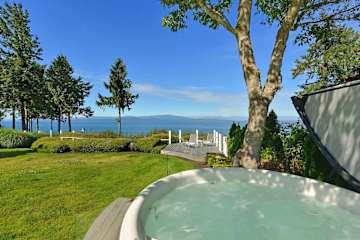
If you are planning a move and want a clearer, more predictable start, explore EMR Vacation Rentals and discover an easier way to budget your first six months in Victoria.

Off-Roading on Vancouver Island: Trails, Access Tips, and Where to Stay

Close up view of young male blonde driving black SUV, looking at landscape from car, and riding on dirt roads in the mountains. Extreme off-road riding on mountain hills.

Vancouver Island, British Columbia is best known for its coastal beauty, refined small towns, and relaxed pace, but beyond the highways and seaside communities lies a vast wilderness that feels worlds away. Dense, old growth forests, inland mountains, and remote backroads give the Island a rugged edge that appeals to travellers looking for a deeper sense of adventure.

Mount Finlayson HomeFor visitors travelling with trucks, SUVs, ATVs, or UTVs (side-by-sides), off-roading offers a way to explore this wild side by day while still enjoying the comforts of a well-located vacation rental by night! With the right planning and a thoughtful home base, off-roading on Vancouver Island can be thrilling, rewarding and relaxing!

If you’re planning an off-road adventure on Vancouver Island, choosing the right place to stay can make all the difference.

Book Vancouver Island Rental

Quick Look: Off-Roading on Vancouver Island

Best for: Adventure-minded travellers with trucks, SUVs, ATVs, or UTVs

Experience level: Moderate to advanced

Terrain: Forestry roads, service roads, inland backroads, alpine routes (seasonal)

Popular regions: Sooke, Cowichan Valley, Nanaimo, Comox Valley

Cell service: Limited to none in many areas

Ideal stay style: Comfortable vacation rental with easy day-trip access

Find a comfortable home base for your Vancouver Island adventure.

Browse Vacation Rentals

What Off-Roading on Vancouver Island Really Looks Like

Summer Activities for adults - a trip on quad bikes on the road. Man on ATV witn safety helmets on the track in the mud participate in the cross country race in the forest on a hot summer day.Off-roading on Vancouver Island has been shaped by the Island’s industry. Most routes follow forest service roads originally built for natural resource industries. Many of these routes remain active industrial corridors used by logging trucks and often cut deep into remote areas, offering access to scenery few visitors ever see.

As beautiful as it can be, conditions can change quickly due to weather, many gravel roads require seasonal maintenance, or closures, and cell service is often unreliable or unavailable. This is not casual terrain, for travellers who enjoy self-reliant exploration and careful planning, the experience can be exceptional!

The Island’s off-roading community values respect for the land, local knowledge, and most of all: preparation. No matter what kind of off-roading adventure you’re looking for, proper preparation and having a comfortable vacation rental to come back to is the key to having a fun, safe and enjoyable adventure!

Book Your Adventure!

Trucks, ATVs, and UTVs

Not all vehicles are suited to every part of Vancouver Island’s backcountry, and understanding the differences helps shape both your routes and your accommodations.

red and black 4x4 vehicles parked near a forestTrucks and SUVs are the most versatile option, ideal for overlanding* on logging roads and long inland drives. Many travellers use them for full-day exploration before returning to a nearby town or rural community.

parked ATV outdoorsATVs are all-terrain vehicles (ATV) designed for off-highway travel with a narrower, more agile build that is operated by straddling the seat and steering with handlebars. Typically used by a single rider, though some models allow a passenger, ATVs are well suited to navigating tight trails, uneven terrain, and areas where maneuverability is more important than cargo capacity. ATVs are better suited to designated trails and require transport, trail knowledge, and careful planning. Rentals and guided experiences exist in limited areas but are seasonal and region-specific.

dirty UTV parkedUTVs are designed primarily for work rather than recreation, with a wide, stable build that seats passengers side by side and offers ample cargo space. Commonly used in rugged or remote areas, they are well suited to transporting equipment and supplies where using a truck is impractical or not possible.

Travelling with a truck or trailered gear? Staying close to main access routes makes exploring far easier.

Not sure where to start? This Vancouver Island off road forum is a great resource for trail information, tips and more!

Vancouver Island Vacation Rentals

*Overlanding is a form of self-reliant travel that focuses on the journey as much as the destination, typically using off-road-capable vehicles to reach remote areas. It often involves extended trips, travel on backroads or unpaved routes, and overnight stays that rely on camping or vehicle-based setups rather than traditional accommodations.

Where to Find the Best Off-Roading on Vancouver Island


Southwest Vancouver Island: Sooke and the West Coast Interior

aerial photo of a 4x4 on a trail through the forestSouthwest Vancouver Island offers rugged terrain, dense forest, and a strong sense of remoteness. A network of forest service roads extends inland from the south coast near Sooke to Port Renfrew and beyond, making this area popular with experienced drivers travelling by truck or high-clearance SUV. Cell service is limited, and preparation is essential.

Staying in or near Victoria, Langford, or Sooke allows visitors to access remote routes during the day while returning to modern amenities in the evening.

Rentals in Victoria Here

Cowichan Valley

Centrally located, the Cowichan Valley offers a diverse mix of terrain, from rolling farmland to forested backroads and higher-elevation routes. This variety makes it especially appealing for multi-day exploration, especially around Lake Cowichan.

The area is well-travelled, particularly in summer, and is suitable for both trucks and ATVs. Visitors often appreciate the balance of rural character, working landscapes, and easy access to supplies and services.

Browse Cowichan Valley Rentals

Nanaimo and Central Vancouver Island

With easy highway access and proximity to inland routes, Nanaimo is a popular base for off-road travellers bringing ATVs or trailered vehicles. Like the Cowichan Valley, this area is well known and frequently explored, especially during warmer months.

Its central location makes it a practical choice for visitors planning to explore multiple regions while maintaining a consistent home base.

Vacation Rentals in Nanaimo

Comox Valley and the Strathcona Backcountry

Camping car in recreation site at sunriseThe Comox Valley serves as a gateway to the Island’s most mountainous and remote terrain. Routes near Strathcona Provincial Park reach higher elevations and are more seasonal, requiring experience, proper equipment, and careful monitoring of conditions.

This region appeals to confident adventurers who want challenging exploration paired with the comfort of well-appointed accommodations at the end of the day.

Book Your Comox Valley Rental

Responsible Off-Roading on Vancouver Island

Thumbs up to a beautiful mountain viewResponsible off-roading is essential to preserving access and protecting Vancouver Island’s landscapes, many of which are actively used, carefully managed, or environmentally sensitive.

Staying on established roads and designated trails helps prevent erosion and habitat damage, while respecting closures and private land ensures continued access for everyone.

Travellers should always yield to industrial and logging trucks, drive at safe speeds, and be prepared to turn back when conditions deteriorate.

Packing out everything you bring in, avoiding wet or unstable routes, and minimizing noise and disruption are all part of responsible exploration.

When approached thoughtfully, off-roading allows visitors to experience the Island’s wild places while helping keep its backcountry accessible and enjoyable for future travellers.

Where to Stay for Off-Road Adventures on Vancouver Island

Stunning HomeFrom the rugged southern routes near Sooke to the central landscapes of the Cowichan Valley and the alpine terrain of the Comox Valley, choosing the right home base makes off-roading safer, easier, and far more enjoyable. With a wide range of professionally managed homes across Vancouver Island, EMR Vacation Rentals offers comfortable places to relax, recharge, and plan your next day’s adventure.

Explore by day and relax in a stunning Vancouver Island vacation rental at night!