

Jump To:
- Victoria at a Glance
- Why Victoria Works for Digital Nomads
- Cost of Living in Victoria
- Finding Accommodation in Victoria
- Best Neighbourhoods for Digital Nomads in Greater Victoria
- Working Remotely in Victoria
- Visas and Staying in Canada as a Digital Nomad
- Transportation in Greater Victoria
- Lifestyle in Victoria
- Best Time to Live in Victoria
- Is Victoria Good for Digital Nomads with Families?
- Pros and Cons of Living in Victoria as a Digital Nomad
- Practical Tips for Moving to Victoria as a Digital Nomad
- The Easiest Way to Find a Rental in Victoria
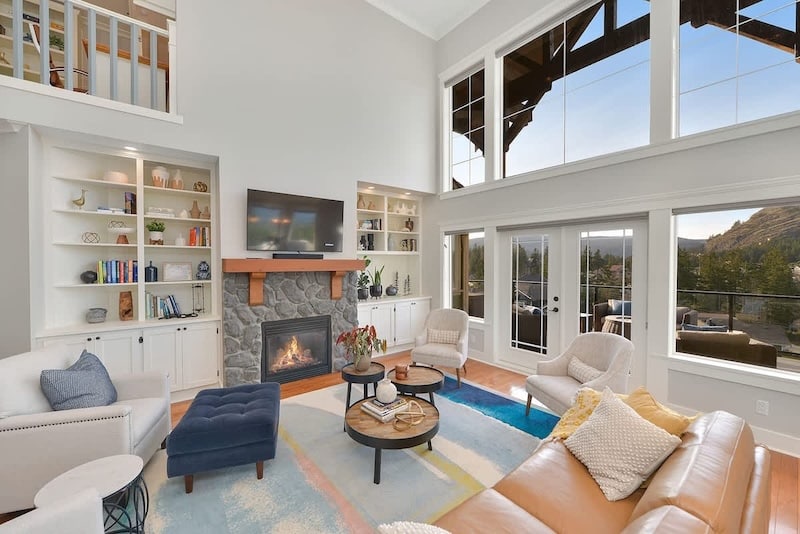 Find your ideal home base with EMR Vacation Rentals and experience Victoria like a local.
Victoria vs Greater Victoria: What’s the Difference?

Victoria
- The downtown core and surrounding neighbourhoods
- Most walkable and urban area
- Best for cafés, coworking, restaurants, and nightlife
- Includes areas like James Bay, Fairfield, and Fernwood

Greater Victoria
- The wider region across southern Vancouver Island
- Includes Sidney, Oak Bay, Langford, Sooke, and more
- More space, quieter communities, and access to nature
- Connected by shared services and infrastructure
- Gateway to the Gulf Islands
Why it matters: Choosing where to stay in Greater Victoria shapes your remote work experience. Downtown offers convenience and energy, while the surrounding areas offer space, quiet, and a slower pace.
Victoria at a Glance for Digital Nomads

The Digital Nomad Checklist for Victoria, BC
💻 Internet: Fast and reliable in most areas 💰 Cost of Living: High, especially housing 🏡 Accommodation: Competitive, furnished rentals are ideal for monthly stays 🌿 Lifestyle: Coastal, outdoors, balanced 🚶 Walkability: Excellent downtown, moderate elsewhere 🚗 Transport: Car helpful outside core 🛂 Visa: No digital nomad visa, standard Canada entry rules applyCost of Living in Victoria
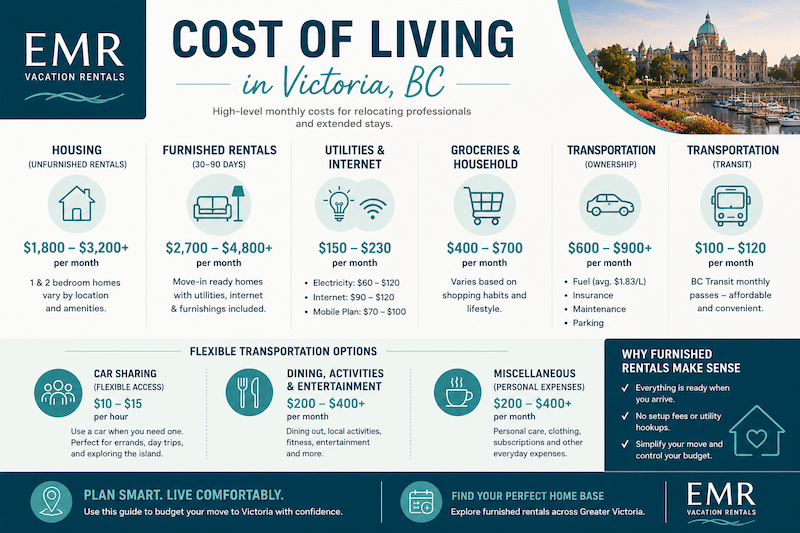
Housing
Housing is the single biggest expense in Victoria and the main factor that shapes how long most digital nomads stay. Inventory is limited, and competition is high, especially in central areas like Downtown and Oak Bay. Long-term rentals often require leases and are typically unfurnished, which adds another layer of complexity for short to mid-term stays. For many remote workers, furnished monthly rentals are the most practical option. They eliminate the need to set up a home from scratch and provide immediate access to essentials like reliable internet, workspace areas, and full kitchens.Daily Expenses
Groceries, dining, and general day-to-day costs are higher than average compared to many digital nomad destinations. Eating out regularly, especially in central Victoria, adds up quickly. That said, there are ways to balance it. Local markets, independent grocers, and cooking at home can significantly reduce costs. Transportation is manageable, especially if you stay in walkable areas, but costs increase if you rely on a car.What to Expect Overall
Victoria falls firmly into the premium lifestyle category. You are paying more, but what you are buying into is stability, safety, and a high quality of life. For digital nomads who prioritize environment, routine, and long-term livability over short-term savings, it tends to justify itself.Want a clearer picture of what it actually costs to live in Victoria?
We break down housing, groceries, transportation, and real monthly expectations so you can plan your stay with confidence.
Finding Accommodation in Victoria
 Finding the right place to stay in Victoria requires some planning, especially if you are arriving from outside Canada.
The rental market is tight, and listings move quickly. Long-term leases often require in-person viewings, references, and upfront commitments that do not align well with flexible or remote lifestyles.
Short-term rentals can work initially, but availability fluctuates and pricing can vary significantly depending on the season.
For digital nomads, starting with a furnished rental is often the most reliable approach. It gives you time to understand the city, explore neighbourhoods, and decide if a longer-term setup makes sense, all without the pressure of immediate commitments or the risk of rental scams.
Finding the right place to stay in Victoria requires some planning, especially if you are arriving from outside Canada.
The rental market is tight, and listings move quickly. Long-term leases often require in-person viewings, references, and upfront commitments that do not align well with flexible or remote lifestyles.
Short-term rentals can work initially, but availability fluctuates and pricing can vary significantly depending on the season.
For digital nomads, starting with a furnished rental is often the most reliable approach. It gives you time to understand the city, explore neighbourhoods, and decide if a longer-term setup makes sense, all without the pressure of immediate commitments or the risk of rental scams.
Let’s find you the right home in Victoria.
Best Neighbourhoods for Digital Nomads in Greater Victoria
 Greater Victoria is made up of a collection of distinct communities, each offering a different pace of life, access to amenities, and overall work environment. Choosing the right area comes down to how you like to work and how you want to spend your time outside of it.
Below is a high-level look at the areas most digital nomads consider when staying in Greater Victoria. For a deeper breakdown of each neighbourhood, including pros, cons, and lifestyle details, explore our full neighbourhood guide.
Greater Victoria is made up of a collection of distinct communities, each offering a different pace of life, access to amenities, and overall work environment. Choosing the right area comes down to how you like to work and how you want to spend your time outside of it.
Below is a high-level look at the areas most digital nomads consider when staying in Greater Victoria. For a deeper breakdown of each neighbourhood, including pros, cons, and lifestyle details, explore our full neighbourhood guide.
How to Choose the Right Area
- If you want walkability and work flexibility, stay in Victoria
- If you want space and value, consider Langford
- If you want quiet coastal living, look at Sidney
- If you want nature and full privacy, Sooke is the best fit
Guide to Victoria Neighbourhoods
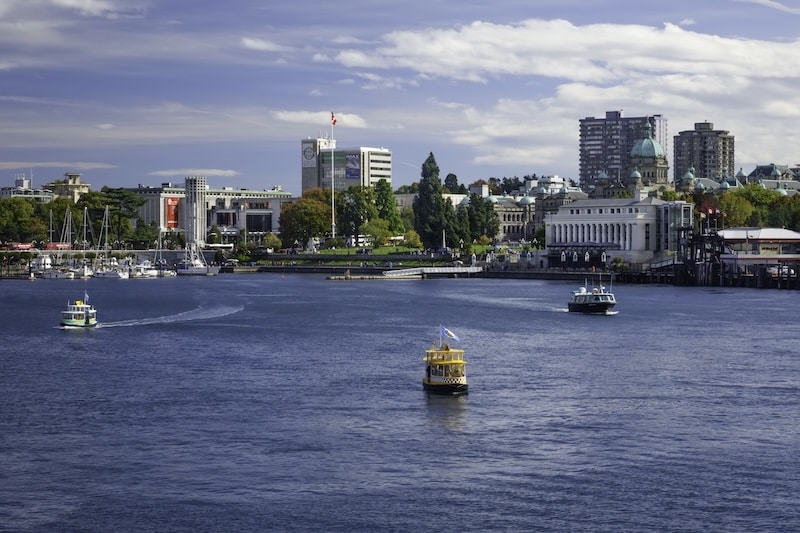
Victoria: Downtown and Core Neighbourhoods
Quick Look
- Best for: Walkability, cafés, coworking
- Vibe: Urban, active
- Commute: Not needed
- Good to know: Higher cost, busier environment

Langford: Westshore Communities
Quick Look
- Best for: Value, space, newer homes
- Vibe: Suburban, growing
- Commute: 20 to 30 minutes to downtown
- Good to know: Car recommended
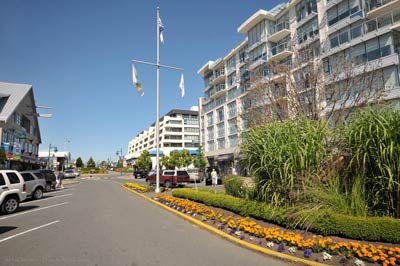
Sidney: Saanich Peninsula
Quick Look
- Best for: Quiet coastal living
- Vibe: Small-town, relaxed
- Commute: 30 to 40 minutes to downtown
- Good to know: Limited coworking options

Sooke
Quick Look
- Best for: Nature, privacy, retreat-style stays
- Vibe: Rural, rugged
- Commute: 45 to 60 minutes to downtown
- Good to know: Internet can vary by property
Working Remotely in Victoria
Victoria makes remote work relatively easy, but how you set yourself up can shape your entire experience. Whether you prefer a dedicated office, rotating cafés, or a quiet home base, the city supports a range of work styles with a few important trade-offs.Internet and Reliability
Internet in Greater Victoria is generally fast and reliable, especially in Downtown, Oak Bay, and Langford. Most professionally managed rentals and newer buildings offer strong, stable connections that are more than capable of handling video calls and full workdays. That said, reliability can vary in more rural areas like Sooke or parts of the Saanich Peninsula. If your work depends on consistent connectivity, it is worth confirming speeds before booking. Cost is also a factor. Internet and mobile plans in Canada tend to be more expensive than many global digital nomad destinations, which is something to factor into longer stays.
Coworking Spaces in Victoria
Coworking spaces are concentrated in and around Downtown Victoria, with a few options extending into surrounding areas. They offer a reliable alternative to working from home, especially if you need structure or frequent meetings.Coworking Spaces Overview
| Space | Location | Cost | Best For | Amenities |
|---|---|---|---|---|
| KWENCH | Downtown Victoria | Moderate to high | Community, networking | Meeting rooms, events, café, fitness |
| The Dock | Downtown, Inner Harbour | Moderate | Small teams, creatives | Meeting rooms, waterfront location |
| Fort Tectoria | Downtown | Moderate | Tech, startups | Flexible desks, offices, community |
| Victopia | Downtown | Low to moderate | Solo workers | Simple desks, quiet environment |
Are Coworking Spaces Worth It?
It depends entirely on how you work.Coworking makes sense if you:
- Need a professional or quiet environment
- Want separation between work and home
- Value routine and structure
- Are staying longer than a few weeks
You may not need it if you:
- Have a comfortable, dedicated workspace in your rental
- Prefer flexible hours or working from multiple locations
- Take frequent meetings or calls from home
- Want to keep costs lower

Cafés to Work From in Greater Victoria
Victoria has a strong café culture, especially in the downtown core. Many cafés are laptop-friendly during quieter hours, though expectations vary. If you are staying for a while, continue ordering and be mindful of space during busy periods.Best Cafés for Working Remotely
| Café | Area | Best For | Work Environment |
|---|---|---|---|
| Habit Coffee | Downtown | Long work sessions | Spacious, laptop-friendly |
| Discovery Coffee | Downtown | Consistent work spot | Multiple locations, reliable |
| Hey Happy | Downtown | Short work bursts | Smaller, high-quality coffee |
| 2% Jazz Coffee | Downtown | Quiet focus | Relaxed, less crowded |
| Parsonage Café | Fernwood | Creative work | Cosy, neighbourhood feel |
| Fickle Fig | North Saanich, near Sidney | Remote days | Bright, spacious, great food |
| Stick in the Mud | Sooke | Casual work sessions | Relaxed, local vibe |
Visas and Staying in Canada as a Digital Nomad
 Canada does not currently offer a dedicated digital nomad visa, but there are still ways to stay and work remotely while visiting.
Common options include:
- Visitor stay: Most travellers can stay in Canada for up to 6 months. Remote work for a foreign employer is generally permitted, as long as you are not entering the Canadian labour market.
- Work permits: Required if you plan to work for a Canadian company or Canadian clients.
- Study pathways: Some visitors use study programs as a way to extend their stay.
Transportation in Greater Victoria
Even if you are not commuting daily, transportation plays a big role in how easily you can live and work here.
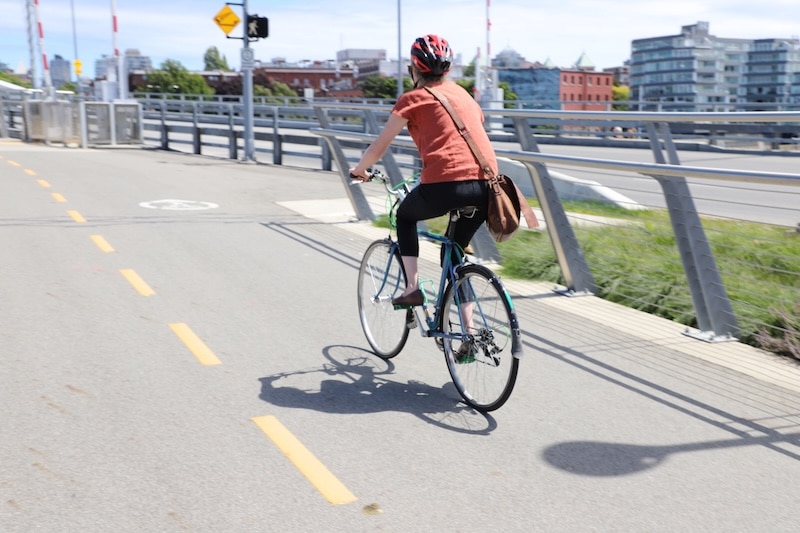 Cycling is one of the most practical and enjoyable ways to get around Victoria.

Getting Around Without a Car
If you are staying in or near downtown Victoria, living without a car is very realistic.- Downtown is highly walkable, with groceries, cafés, coworking spaces, and services all close together
- Cycling is widely used and supported by dedicated bike lanes and scenic routes like the Galloping Goose Trail
- Public transit connects most areas of Greater Victoria, including routes to Langford and Sidney.
Riding Bikes and E-Bikes in Victoria
Cycling is one of the most practical and enjoyable ways to get around Victoria.
- Bike lanes are well integrated throughout the city
- E-bikes are widely used and make longer distances or hills much easier
- Many neighbourhoods are connected by multi-use trails rather than busy roads
Victoria Car Shares and Public Transit
Car Shares: Modo & Evo
If you do not want a full-time vehicle, car share services offer a flexible alternative.- Available in central areas and bookable by the hour
- Ideal for grocery runs, errands, and day trips
- Great for accessing beaches, parks, and harder-to-reach areas
- Traditional rentals are widely available for weekend use
Public Transit in Victoria
Public transit connects most of Greater Victoria, but it is best suited for simple, planned routes rather than day-to-day flexibility.- Works well for direct A-to-B commuting if you know your route
- Coverage is broad, but not all areas are well connected
- Multiple transfers are often required outside core routes
- Buses can be slow, delayed, or full during peak times
When a Car Makes Sense in Victoria
 A car becomes much more useful once you move outside the downtown core.
- Staying in Langford, Sidney, or Sooke
- Wanting to explore beaches, parks, and coastal areas regularly
- Running errands efficiently across multiple locations
Parking in Victoria
- Downtown Victoria: Parking can be limited and often paid. Street parking has time limits, and parkades are common but add cost. If you are staying downtown, a car can feel more like a burden than a benefit.
- Residential areas: Parking is generally easier in Oak Bay and Saanich, with street parking or dedicated spots depending on the property.
- Outer areas: Parking is rarely an issue in Langford, Sidney, and Sooke, and is usually included with accommodations.
Traffic in Victoria
Traffic in Greater Victoria is manageable compared to larger cities, but there are patterns to be aware of.- Peak congestion occurs on main routes into and out of downtown, especially during weekday mornings and late afternoons
- The Trans-Canada Highway between Langford and Victoria can slow down during rush hour
- Outside of these windows, driving is typically straightforward and predictable
Bottom Line
- If you are downtown, skip the car and rely on walking, biking, and occasional car share
- If you are just outside downtown, a car is optional depending on your routine
- If you are in Langford, Sidney, or Sooke, a car makes daily life significantly easier
Lifestyle in Victoria
Victoria’s biggest advantage for digital nomads is not just that you can work here, but that it is genuinely easy to build a lifestyle around that work. The pace is slower, access to nature is immediate, and daily life tends to feel more balanced than in larger cities.
Outdoor Living
In Victoria, getting outside is part of everyday life, not something you plan around. Ocean access is constant, whether that is a quick walk along Dallas Road, a paddleboarding session in the Inner Harbour, or a weekend exploring the coastline around Sooke.
Health and Wellness
Victoria naturally supports a healthy lifestyle. The environment is clean, the air quality is strong, and there is a clear emphasis on being active without it feeling forced.- Walking and cycling integrated into daily life
- Yoga studios and fitness spaces across the region
- Access to fresh, local food

Food and Café Culture
Victoria has a well-established food scene that leans local, seasonal, and independent. Cafés play a central role, especially for remote workers. Many digital nomads rotate between a few go-to spots throughout the week.
Community and Social Life
Victoria is smaller and more community-oriented than most major cities, which comes with both benefits and trade-offs.- Outdoor activities
- Local events and markets
- Café and neighbourhood culture
Best Time to Live in Victoria
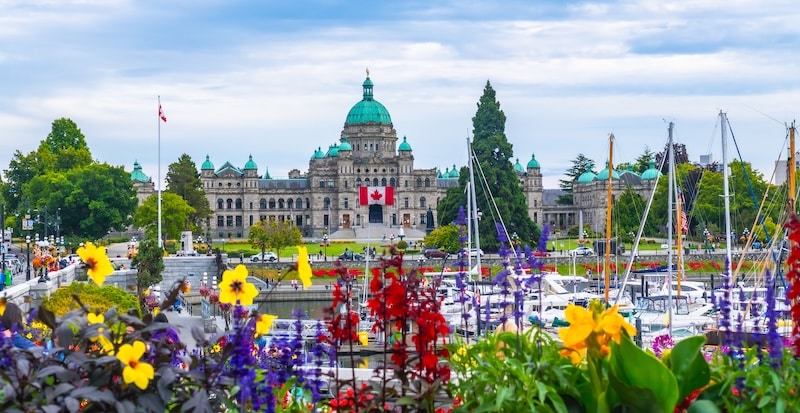
Spring
Spring is one of the most enjoyable times to be in Victoria. The city comes to life with longer days, mild temperatures, and early blooms.- Mild weather and increasing sunshine
- Fewer crowds than summer
- Great time to establish a routine

Summer
Summer is peak season, with warm, dry weather and a more vibrant atmosphere across the city.- Long, sunny days
- Higher accommodation costs
- Busy downtown and popular areas

Fall
Fall brings a quieter pace, fewer tourists, and a more local feel while still offering relatively mild weather.- Better availability and pricing
- Cooler temperatures
- More relaxed atmosphere

Winter
Winter is mild but rainy, with shorter days and a quieter overall pace.- Cool, wet weather
- Lower demand and pricing
- Ideal for focused, quieter stays
When Is the Best Time Overall?
- Best for lifestyle and energy: Summer
- Best balance of cost and livability: Spring and early fall
- Best for quiet, focused stays: Late fall and winter
Is Victoria Good for Digital Nomads with Families?
 Victoria is one of the more family-friendly destinations for remote workers in Canada, particularly for longer stays. The combination of safety, access to nature, and a slower pace of life makes it easier to balance work responsibilities with family time.
Best Suited For
- Families staying for a few weeks or longer
- Those looking for a safe, outdoor-oriented environment
- Families comfortable with a quieter, slower-paced lifestyle
What to Consider
- Cost of living, particularly housing
- Limited availability for short-term school or childcare placements
- Need for transportation outside downtown
Schools and Childcare
Greater Victoria offers a mix of public, private, and alternative schools, along with daycare and childcare options across the region. Availability can vary depending on the area, especially for shorter stays, so planning ahead is important.Safety and Liveability
Victoria is widely considered a safe and stable place to live. Neighbourhoods are generally quiet, and the overall environment is well-suited to families.Outdoor Lifestyle
Beaches, parks, and trails are accessible throughout Greater Victoria, which makes it simple to build outdoor time into daily routines. For families with children, this often becomes a key part of the experience, especially during longer stays.Pros and Cons of Living in Victoria as a Digital Nomad
Like any destination, Victoria offers a strong lifestyle, but it comes with trade-offs. Understanding both sides helps you decide if it is the right fit for how you work and live.Pros
Work-life balance: Victoria makes it easy to step away from work and reset. Safety and stability: The region is clean, stable, and easy to navigate. Access to nature: Beaches, forests, and coastal views are close to most neighbourhoods. Mild climate: Winters are manageable compared to most of Canada. Walkability: Downtown Victoria is highly walkable.Cons
High cost of living: Housing, groceries, and services are expensive. Limited nightlife: Victoria is not a high-energy city. Smaller networking market: The local professional scene is smaller than in larger cities. Winter weather: Winter is grey and rainy. Transportation: Outside downtown, getting around without a car can be limiting.The Bottom Line
Victoria works best for digital nomads who value consistency, environment, and balance over speed, cost, and constant activity. If your ideal setup includes a stable routine, access to nature, and a quieter lifestyle, it is a strong fit. If you are looking for a high-energy, low-cost, or highly social destination, it may feel limiting.Practical Tips for Moving to Victoria as a Digital Nomad
Relocating, even temporarily, is much easier when you know what to plan for ahead of time. Use this checklist to set yourself up for a smooth and comfortable stay in Victoria.Digital Nomad Setup Checklist
☐ Start with a furnished rental ☐ Choose the right neighbourhood ☐ Plan for the cost of living ☐ Decide on transportation early ☐ Book early if you are staying in peak season ☐ Confirm your work setup ☐ Understand your visa timing ☐ Give yourself time to settle inThe Easiest Way to Find a Rental in Victoria
 Finding the right place to stay is one of the most important parts of your experience in Victoria, especially as a remote worker.
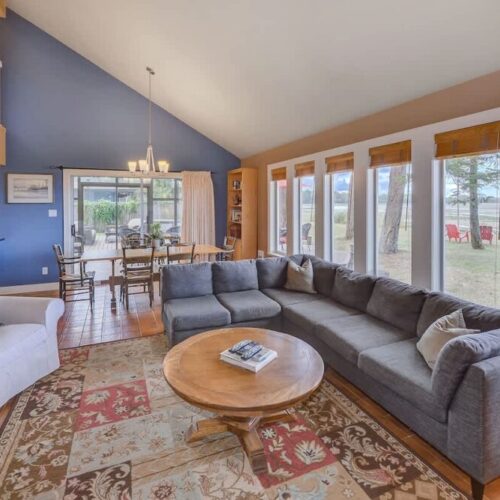
EMR Vacation Rentals offers professionally managed homes across Greater Victoria, including Downtown Victoria, Oak Bay, Sidney, Langford, and Sooke. These fully furnished properties are designed for comfort and longer stays, with practical layouts, reliable high-speed internet, and access to the everyday essentials that make remote work easier.
Finding the right place to stay is one of the most important parts of your experience in Victoria, especially as a remote worker.
EMR Vacation Rentals offers professionally managed homes across Greater Victoria, including Downtown Victoria, Oak Bay, Sidney, Langford, and Sooke. These fully furnished properties are designed for comfort and longer stays, with practical layouts, reliable high-speed internet, and access to the everyday essentials that make remote work easier.
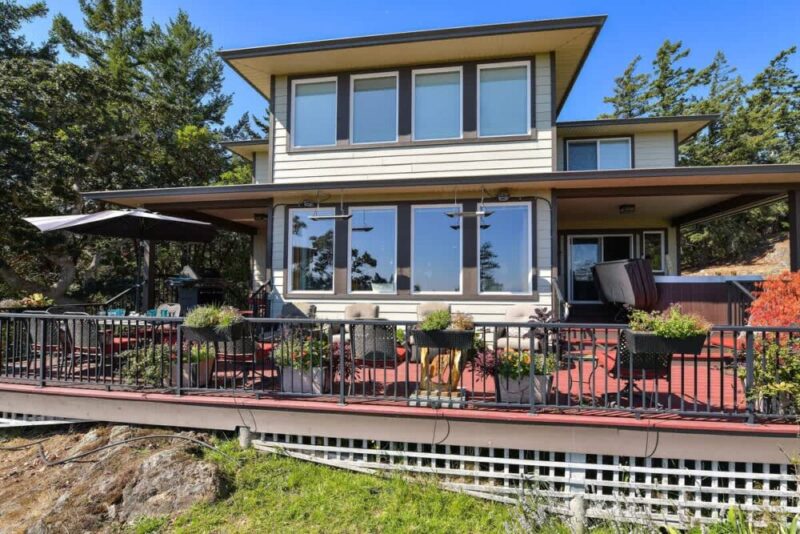 Whether you are staying for a few weeks or a few months, having a well-managed home base allows you to focus on your work while enjoying everything the region has to offer.
Find your perfect home base with EMR Vacation Rentals and start planning your stay in Greater Victoria.







 Access to Nature Year-Round
 A Distinctive Coastal City
 Wildlife and Everyday Nature
 A Strong Food and Drink Scene
 A Manageable Climate
 High Quality of Life
 It’s an Island
 Cost of Living
 Limited Big-City Access
 Earthquake Risk
 If you’re considering a move, a longer stay is one of the best ways to understand how Victoria fits your lifestyle.
 Relocating to Victoria often comes with a bit of sticker shock.


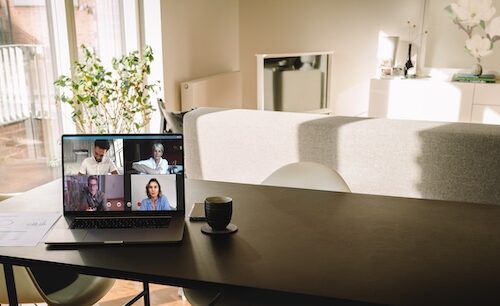 Reliable internet is a non-negotiable expense for remote workers and professionals relocating to Victoria.
 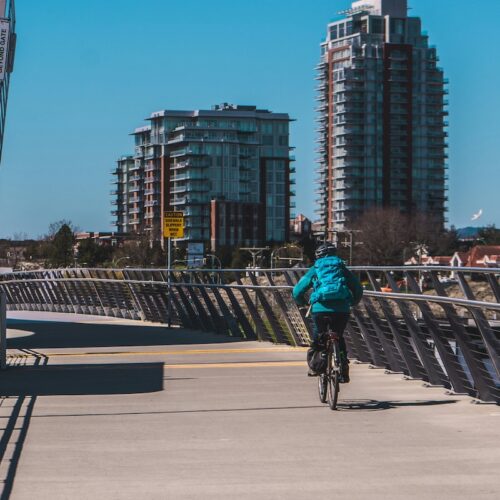 Victoria’s compact size and established bus network make car free commuting a realistic option in many areas.
  For professionals and families relocating to Victoria, short and mid term rentals offer breathing room. EMR Vacation Rentals provides furnished, all inclusive homes across Greater Victoria, allowing newcomers to manage costs, avoid long term commitments, and get to know the city before settling permanently.

 Here’s the good news: while the numbers can feel overwhelming, what you get in return is hard to beat. Victoria consistently ranks as one of the most livable cities in Canada thanks to its mild climate, stunning natural surroundings, and thriving cultural scene. Access to high-quality healthcare, excellent schools, safe neighbourhoods, and endless opportunities for outdoor recreation all contribute to a quality of life that offsets the higher costs. For many, the investment is worth it when balanced against the day-to-day lifestyle that Victoria offers.


 Despite high costs, Victoria continues to rank among Canada’s most desirable cities to live in. The city offers excellent healthcare, clean public spaces, safe neighbourhoods, strong schools, local food production, and well-planned urban