

 Relocating to Victoria often comes with a bit of sticker shock. The city consistently ranks among the most desirable places to live in Canada, and that demand shows up in housing costs, grocery prices, and everyday expenses. Locals often refer to this premium as the “Sunshine Tax” , a tradeoff for mild weather, ocean access, and a quality of life that is difficult to replicate elsewhere in British Columbia.
That said, understanding the true cost of living in Victoria is the key to making a successful move. With realistic budgeting and the right housing choice, life in Victoria can be manageable, predictable, and well worth the investment.
This guide breaks down monthly expenses in Victoria for 2025 and 2026, with practical context for relocating professionals, remote workers, and families planning their next chapter on Vancouver Island.
Ready to look for furnished rentals in Victoria?
A Quick Look: Monthly Cost of Living in Victoria, BC (2025/2026)
Single professional: approximately $2,800 to $3,600 per month
Couple: approximately $3,800 to $4,800 per month
Family of four: approximately $5,200 to $6,500 per month
Largest cost driver: housing, followed by groceries and transportation
Most variable expense: rent and utilities
Budget smoothing tip: furnished, all inclusive rentals reduce upfront and monthly surprises
These ranges vary significantly depending on neighbourhood, housing type, and lifestyle, which is why understanding each category matters.
Housing: The Biggest Line Item in Your Victoria Budget
Rental Prices in Victoria 2025/2026

Housing remains the most expensive and least flexible part of the cost of living in Victoria. Rental demand has been strong for several years, driven by limited housing supply, population growth, and increased interest from remote workers.
For renters relocating from outside the region, understanding the difference between advertised rent and true monthly housing costs is critical.
Average Monthly Rental Costs in Victoria
Unfurnished rentals often appear less expensive at first glance, but those base prices rarely reflect the full cost of settling in.
Furnished vs Unfurnished Rentals: The Real Cost Difference
In Victoria, most rentals are unfurnished and geared toward local tenants who already live nearby, own their furniture, and are simply moving between permanent homes. Traditional rental searches reflect this reality, with the majority of listings assuming long term occupancy and full tenant setup.

For relocating professionals or those seeking short to mid term stays of 30 to 90 days, this can be challenging. Unfurnished rentals typically require furniture purchases, utility hookups, internet installation, and setup fees. For newcomers, these upfront costs and logistics can quickly add up to several thousand dollars before the first month even begins!
However, furnished rentals, particularly those designed for mid and long term stays, bundle utilities, internet, and furnishings into a predictable monthly rate. This makes budgeting easier during the first three to six months in Victoria, especially for those transitioning jobs, working remotely, or evaluating neighbourhoods before committing long term.
How EMR Can Help
Our vacation rentals are furnished, all-inclusive homes across Greater Victoria, removing many of the hidden costs that catch new residents off guard. For many relocating renters, this approach provides stability while they learn the city and plan next steps.
Grocery Costs and the “Island Tax”
Why Groceries Cost More on Vancouver Island
 Victoria’s grocery prices are consistently higher than mainland cities due to transportation logistics. Many goods arrive by ferry, adding fuel and shipping costs that are passed along to consumers. Combined with national food inflation of roughly 6%, grocery spending has become a meaningful part of monthly expenses in Victoria.
Average Monthly Grocery Costs
Single adult: approximately $475 to $575 per month
Couple: approximately $800 to $1,000 per month
Family of four: approximately $1,200 to $1,400 per month
These estimates assume a mix of home cooking and occasional dining out while more frequent restaurant meals can push monthly food costs significantly higher.
Where You Shop Makes a Difference
Grocery prices in Victoria vary widely depending on where and how you shop. Premium neighbourhood markets, specialty food stores, and convenience focused grocers tend to carry higher price tags, while larger, value oriented grocery stores generally offer more predictable pricing for weekly essentials.
For relocating professionals and families, the most effective way to manage grocery costs is to separate everyday staples from discretionary purchases. Many residents rely on larger grocery stores for routine items and supplement with local markets or specialty shops as needed, rather than doing all of their shopping in one place.
This approach helps keep monthly grocery spending within budget while still allowing flexibility for higher quality or locally sourced foods when desired. Over time, most newcomers naturally find a balance that matches both their lifestyle and budget.
Utilities, Internet, and Staying Connected
Electricity, Heating, and Basic Utilities
Utility costs in Victoria are generally lower than in many Canadian cities due to the region’s mild climate, but they can still vary widely. Most households are served by BC Hydro, with average electricity bills typically ranging from $150 to $600 per month depending on the size and age of the home and the number of occupants.
The most significant cost in most homes is heating in winter and cooling in summer if the house is equipped with air conditioning. Older homes and apartments often don’t have air conditioning but are equipped with electric baseboard heating and tend to see higher bills during colder months. This is particularly true in older, heritage buildings with poor insulation or drafty windows. Newer builds, townhomes, and purpose built rentals are often more energy efficient and provide more predictable monthly utility costs.
In addition to electricity, renters also have to factor in water, garbage, and recycling fees if these are not included in rent. In unfurnished rentals, these costs are often passed through by the landlord, adding another layer of variability to monthly expenses.
Internet and Mobile Connectivity
 Reliable internet is a non-negotiable expense for remote workers and professionals relocating to Victoria. High speed internet plans typically range from $90 to $120 per month, depending on speed and provider. Factor installation appointments, modem rentals, and setup fees often means a larger bill than expected and can also delay service during a move!
The primary internet providers in the region are Shaw and Telus, both of which offer a range of plans suitable for video conferencing, remote work, and streaming..
When it comes to mobile phone plans, Canada ranks as one of the most expensive countries. In BC, most residents pay between $70 and $100 per line for plans with sufficient data for everyday use, however, plan providers often provide seasonal deals and discounts for additional lines so shopping around is recommended.
With furnished, all-inclusive rentals, everything is ready right at check-in.
Utilities, high speed internet, furnishings, and household essentials are already in place. Aside from setting up a personal phone plan, there is little to manage. This allows relocating professionals and families to settle in immediately, budget accurately, and focus on work and life rather than complicated logistics.
The True Cost of Owning a Vehicle in Victoria
Gas prices in Victoria have averaged around $1.63 per litre in the past year and are often higher than mainland British Columbia due to transportation and supply factors. When fuel is combined with insurance, maintenance, parking, and occasional repairs, vehicle ownership can easily cost anywhere from $600 to $900 per month and increases from there.
Parking is another consideration, particularly in central neighbourhoods. Most homes and apartments include parking, or offer limited, free street parking while others can charge additional monthly fees. For professionals commuting to work downtown, these costs can balloon into a large, unforeseen monthly cost.
Public Transit, Walkability, and Alternatives
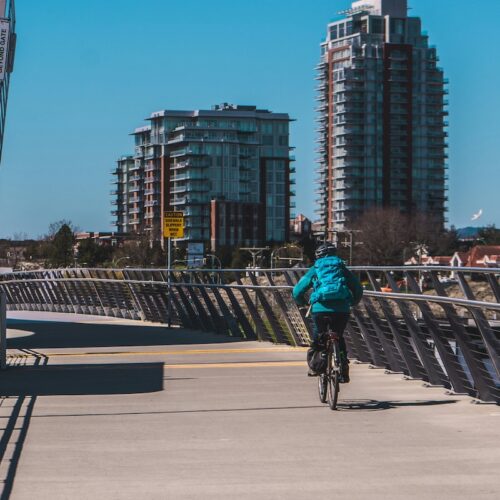 Victoria’s compact size and established bus network make car free commuting a realistic option in many areas. While the public transit system in Victoria is not as extensive as some cities, many use it to commute as it offers significantly lower monthly costs compared to driving a daily vehicle.
Walking and cycling are also popular, particularly during the spring and summer months, with many neighbourhoods designed with daily errands and commuting in mind.
Cycling in Victoria is a popular mode of transportation for much of Victoria’s work force with dedicated bike lanes, trails and routes that weave throughout the city and connect more remote areas to the downtown core. Another aspect that makes cycling in Victoria feasible is the mild temperatures, even through winter. While there may be a few days of freezing temperatures, for most of the year, cycling is a viable option.
If you are in an area that requires a car, car sharing services offer a flexible middle ground for newcomers. Programs like Modo and Evo allow residents to access vehicles on demand without the commitment of ownership. For relocating professionals, this can be an ideal short term solution while you settle in and decide between a car rental, a lease or purchase.
Neighbourhood Context Matters
Neighbourhood choice plays a major role in transportation costs. Areas like James Bay are highly walkable and located close to downtown, allowing many residents to live comfortably without a car. This can substantially reduce monthly expenses and simplify daily routines.
By contrast, communities such as Langford, Sooke and Sidney often offer more space and slightly lower housing costs, but typically require a vehicle for commuting, shopping, and daily activities. While rent may be lower, the necessity for a vehicle is a cost that should be factored into the overall budget.
Income: What It Takes to Live Comfortably in Victoria
The estimated living wage in Victoria is approximately $27.40 per hour. This figure reflects the income required to cover basic expenses without financial strain and is calculated using housing, food, transportation, and childcare costs.
For many professionals, housing choice is the single biggest factor determining whether Victoria feels financially comfortable or stressful. Reducing uncertainty around rent, utilities, and setup costs can make a meaningful difference in overall quality of life.
For additional budgeting context, readers can reference data from Living Wage for Families BC, Statistics Canada, and BC Housing.
Is the Cost of Living in Victoria Worth It
For many relocating professionals, the answer is yes. Victoria offers a rare combination of mild climate, access to nature, walkable neighbourhoods, and a slower pace of life compared to larger Canadian cities. While costs are higher than average, thoughtful budgeting and flexible housing choices make the transition far smoother.
Where to Stay While You Settle In
 For professionals and families relocating to Victoria, short and mid term rentals offer breathing room. EMR Vacation Rentals provides furnished, all inclusive homes across Greater Victoria, allowing newcomers to manage costs, avoid long term commitments, and get to know the city before settling permanently.
If you are planning a move and want a clearer, more predictable start, explore EMR Vacation Rentals and discover an easier way to budget your first six months in Victoria.


 Here’s the good news: while the numbers can feel overwhelming, what you get in return is hard to beat. Victoria consistently ranks as one of the most livable cities in Canada thanks to its mild climate, stunning natural surroundings, and thriving cultural scene. Access to high-quality healthcare, excellent schools, safe neighbourhoods, and endless opportunities for outdoor recreation all contribute to a quality of life that offsets the higher costs. For many, the investment is worth it when balanced against the day-to-day lifestyle that Victoria offers.


 Despite high costs, Victoria continues to rank among Canada’s most desirable cities to live in. The city offers excellent healthcare, clean public spaces, safe neighbourhoods, strong schools, local food production, and well-planned urban