

By the EMR Vacation Rentals Team | Local Vancouver Island accommodation specialists
Fall on Vancouver Island brings crisp mornings, mild afternoons, quieter trails and a slower pace after the busy summer season. September often feels like an extension of summer, October brings cooler walking weather and more autumn colour, and November marks the transition toward the Island’s wetter coastal winter.
It is an especially rewarding time to explore Greater Victoria, Sooke, the Cowichan Valley, Nanaimo, Parksville and Qualicum Beach, and the Comox Valley. You can watch salmon return to local rivers, walk beneath changing maples and towering evergreens, visit wineries and cideries, or settle into a café when the rain rolls in.
With professionally managed vacation rentals across many of these regions, EMR makes it easy to choose a comfortable home base and experience Vancouver Island at your own pace.
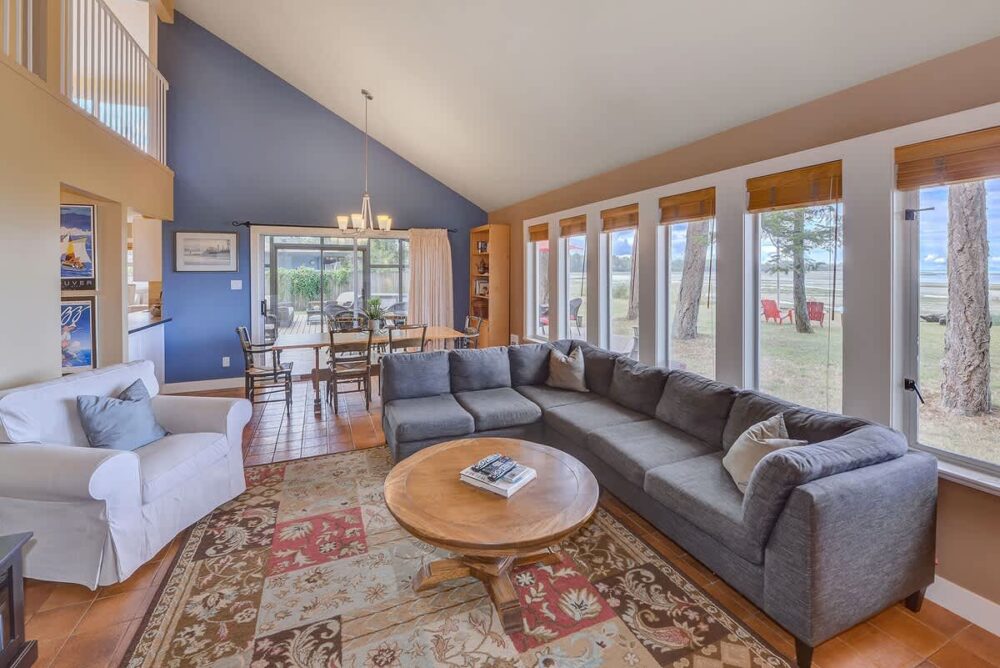
Explore Vancouver Island Vacation Rentals
Quick Look: Fall on Vancouver Island
Best time to visit: September and October for milder weather and outdoor activities; November for a quieter, rainier coastal experience
Best for: Hiking, road trips, salmon runs, food and drink, heritage attractions and longer stays
Typical conditions: Changeable weather, with cooler mornings, mild afternoons and increasing rain later in the season
What to pack: Waterproof jacket, layers, water-resistant footwear and a flexible itinerary
Good home bases: Victoria, Sooke, Cowichan Valley, Nanaimo, Parksville and Qualicum Beach, and Comox Valley
Pairs well with: A scenic drive, an outdoor walk and one weatherproof activity each day
What Is Vancouver Island Like in the Fall?
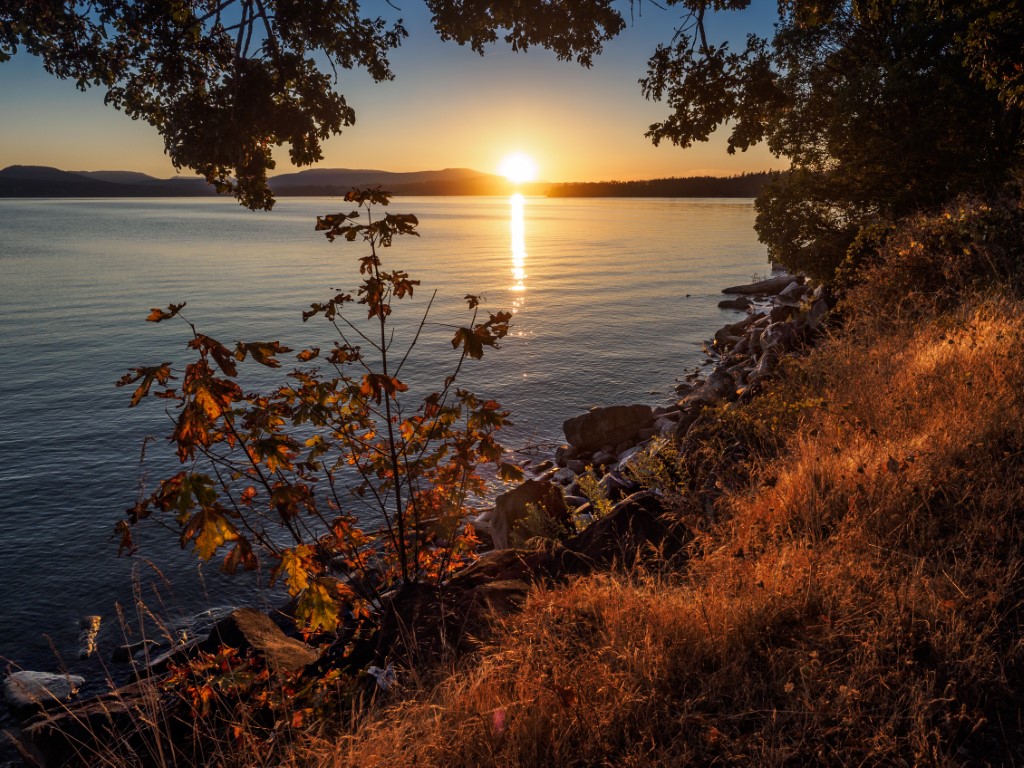 Fall on Vancouver Island is generally mild, but conditions vary by month and region. Early September can still bring warm, dry afternoons. By October, mornings are cooler, daylight hours are shorter and rain becomes more common. November tends to be wetter and windier, particularly on exposed coastlines.
Vancouver Island does not transform into one uninterrupted display of red and gold. Much of the landscape remains green because of its coniferous forests. The contrast is part of the appeal: Japanese maples, Garry oaks and other deciduous trees add pockets of colour among deep green firs, cedars and moss-covered forest floors.
In our experience helping guests plan stays across the Island, the best fall itineraries leave room for the weather. A rainy morning does not have to derail the day. It may simply mean visiting a museum or heritage site first, then heading outside when the clouds lift.
The EMR Fall Planning Formula
Rather than building every day around a fixed schedule, we recommend planning three layers:
- Choose one outdoor anchor. Make a park, garden, beach walk or scenic drive the main experience of the day.
- Add one weatherproof backup. Keep a museum, heritage site, café or tasting room nearby in case the forecast changes.
- Leave one flexible day. Use it for the clearest forecast, the salmon run, a longer drive or the activity you discover after arriving.
This simple approach works particularly well in fall because Vancouver Island weather can change quickly, even within the same region.
Best Things to Do on Vancouver Island in the Fall
1. Take a Fall Walk or Hike

Cooler temperatures and quieter trails make autumn one of our favourite hiking seasons. Conditions can become muddy or slippery after rain, so sturdy footwear and an early start are worthwhile. For more ideas across the Island, explore our guide to the top hikes on Vancouver Island.
Goldstream Provincial Park, near Langford
Goldstream combines accessible forest walks, waterfalls, towering trees and one of the South Island’s best-known salmon runs. It is a convenient excursion from Victoria or the Westshore and offers options for both short walks and more demanding hikes.
Best for: Families, nature lovers and salmon viewing | Pairs well with: A warm drink or meal in Langford after the walk
East Sooke Regional Park
East Sooke offers rugged shoreline, forest trails, small coves and broad views across the water. The park has approximately 50 kilometres of trails, ranging from approachable walks near Aylard Farm to challenging coastal routes. Choose a route that matches your experience and available daylight.
Best for: Coastal scenery and longer hikes | Pairs well with: A stay in Sooke or the Westshore
Beacon Hill Park and the Dallas Road waterfront, Victoria
For an easy urban outing, begin among the Garry oaks and gardens of Beacon Hill Park, then continue toward the waterfront. The Dallas Road path offers ocean views and easy access to James Bay, Fairfield and Cook Street Village.
Best for: A flexible half-day in Victoria | Pairs well with: Lunch or coffee in Cook Street Village
Englishman River Falls and Little Qualicum Falls
These provincial parks near Parksville and Qualicum Beach offer forested trails and dramatic river scenery. Wet leaves, roots and rock can make trails slippery, so check current park advisories and walk carefully after heavy rain.
Best for: Waterfalls and forest walks | Pairs well with: A Parksville or Qualicum Beach getaway
2. See the Salmon Run
The annual salmon return is one of Vancouver Island’s defining fall experiences. Timing varies by river, species and seasonal conditions, but October and November are generally the key months at many viewing locations.
Goldstream Provincial Park is one of the most accessible places to learn about the run near Victoria. Farther north, Englishman River Falls and Little Qualicum Falls are also associated with seasonal salmon activity. Always use established trails and viewing areas, keep dogs controlled where required, and never enter spawning channels or disturb fish.
Salmon also attract eagles and other wildlife. Observe from a respectful distance, carry out everything you bring and follow current park guidance.
3. Explore Gardens and Heritage Sites
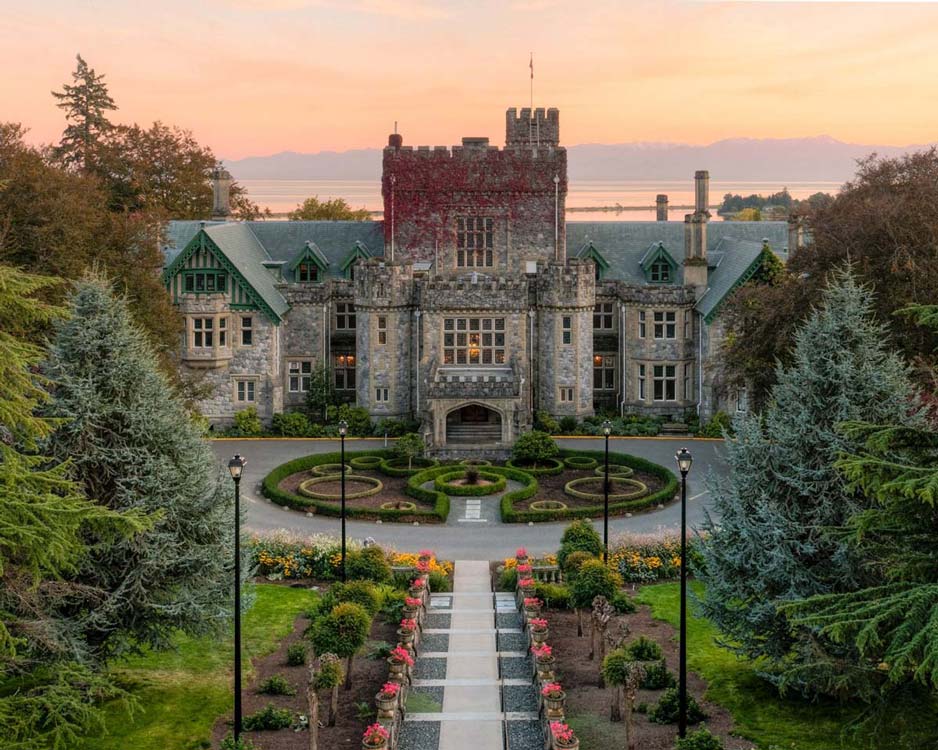 Fall weather is ideal for pairing an outdoor attraction with an indoor or sheltered experience.
At The Butchart Gardens in Brentwood Bay, autumn colour is especially noticeable in the Japanese Garden, where maples add rich reds and golds to the landscape. Because hours and admission change seasonally, check the official schedule before visiting.
In Greater Victoria, Craigdarroch Castle, the Royal BC Museum and the Parliament Buildings offer reliable options when the rain arrives. Hatley Castle and Hatley Park in Colwood provide historic architecture and landscaped grounds, although access and tours vary, so confirm what is open before making the trip. Our guide to Victoria’s top heritage sites can help you choose which stops to add to your day.
Victoria’s compact centre also makes it easy to combine heritage and food. Walk through Chinatown and Fan Tan Alley, visit the Inner Harbour and stop for lunch without committing to a long drive.
4. Plan a Scenic Fall Drive
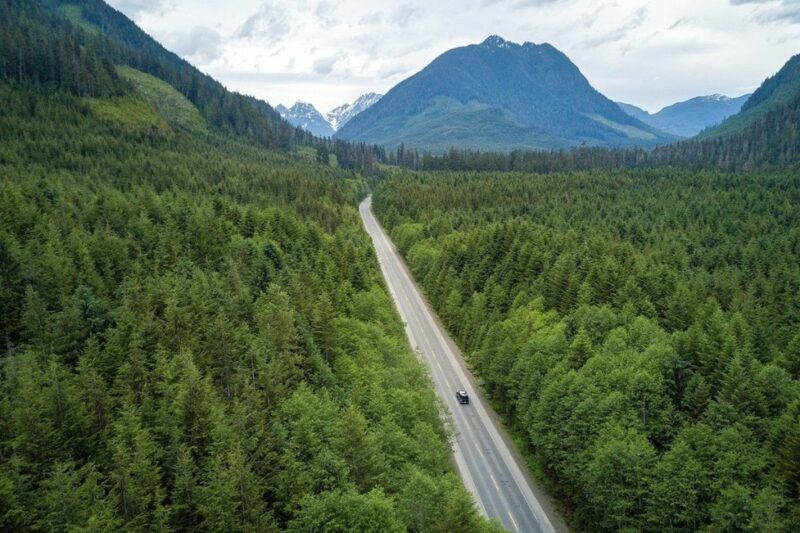 Autumn road trips come with lighter traffic than the height of summer, but they also require more attention to daylight, rain and road conditions.
Cowichan Valley loop
Build a relaxed day around Duncan, Cowichan Bay, Cobble Hill and the surrounding agricultural communities. Depending on seasonal hours, you can combine one of the Cowichan Valley wineries with a cidery or farm stop, the Kinsol Trestle or a waterfront walk in Cowichan Bay.
Best for: Food, wine and gentle sightseeing | Pairs well with: A Cowichan Valley stay so no one has to rush back to Victoria
Pacific Marine Circle Route
This southern Vancouver Island loop connects Victoria, Sooke, Port Renfrew and the Cowichan Valley. It is beautiful, but it is not a quick sightseeing circuit.
Good to Know:
Roads can be narrow or rough in places, services are limited on some stretches and daylight fades earlier in fall. Treat the Pacific Marine Circle Route as a full-day trip, or divide it over multiple days.
Best for: Experienced road trippers who enjoy remote coastal scenery | Pairs well with: Overnight stops in Sooke and the Cowichan Valley
Nanaimo to the Comox Valley
The east coast route makes it easy to connect Nanaimo, Parksville, Qualicum Beach, Courtenay and Comox. Beaches, forest walks, small-town stops and restaurants can all fit into the day, but choosing two or three priorities will make the drive more enjoyable.
Best for: Travellers exploring Central Vancouver Island | Pairs well with: A multi-stop stay or a longer monthly rental
Local Planning Note:
Tofino, Ucluelet and northern Vancouver Island can be inspiring additions to a larger road trip, but they are not close day trips from EMR’s primary rental regions. If they are part of your itinerary, plan separate accommodation and check driving conditions before leaving.
5. Taste the Fall Harvest
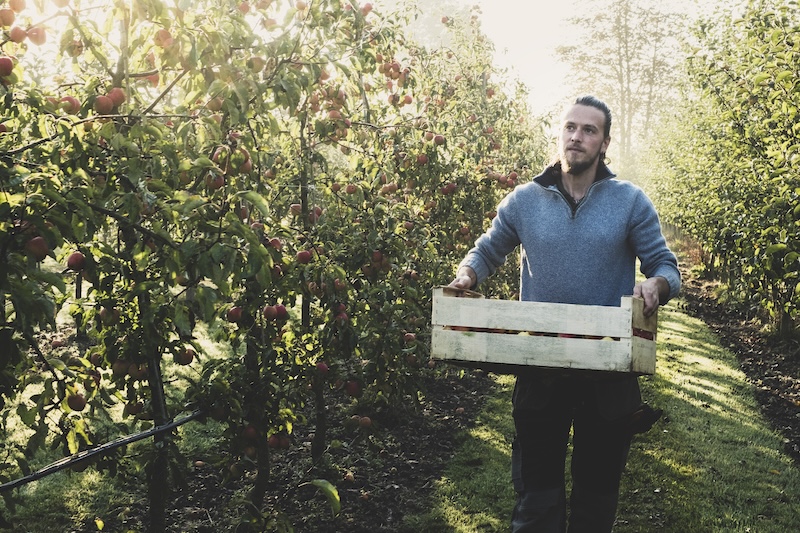 Fall is an excellent time to explore Vancouver Island’s food and drink. The Cowichan Valley is known for wineries, cideries, farms and restaurants that draw from the surrounding region. Greater Victoria, Nanaimo and the Comox Valley also have strong craft brewery and dining scenes. The Vancouver Island Ale Trail and Vancouver Island Cider Path are useful starting points, and Sea Cider is an easy addition to a Saanich Peninsula day.
Seasonal hours can change after summer, particularly at rural tasting rooms and farm businesses. Confirm opening times and reservation requirements before driving out. If your day includes alcohol, choose a designated driver, join a tour or stay nearby.
For a low-key alternative, visit a bakery or café, pick up local ingredients and make dinner in your vacation rental. A full kitchen is especially useful on cool evenings when staying in feels like part of the trip rather than a compromise.
If you would rather let someone else cook, use our local guides to find restaurants in Qualicum Beach, Parksville, the Comox Valley, Nanaimo and Sidney. Early risers can also explore our guide to the best breakfast in Nanaimo.
6. Celebrate Halloween and the Cosier Side of Fall
 By October, pumpkin patches, corn mazes, ghost tours and family Halloween events begin appearing across Greater Victoria and the Cowichan Valley. See our Halloween on Vancouver Island guide to find out how best to celebrate spooky season no matter what you’re looking for. Event dates, age recommendations and ticket requirements change every year, so be sure to check the event website for current information.
You do not need a scheduled event to enjoy the season. A blustery waterfront walk, a heritage attraction, a bookstore visit or a slow dinner can be just as memorable. In November, the quieter pace becomes one of the Island’s biggest advantages.
Which Vancouver Island Fall Experience Is Right for You?
| If you want… | Choose… | Stay near… |
|---|---|---|
| Easy walks, museums and restaurants | Beacon Hill Park, Dallas Road and central Victoria | Downtown Victoria, James Bay, Fairfield or Oak Bay |
| Rugged coastline and forest trails | East Sooke Regional Park | Sooke or the Westshore |
| Salmon viewing and waterfalls | Goldstream Provincial Park | Langford, Colwood or Victoria |
| Wineries, cideries and farm stops | Cowichan Valley | Duncan, Cowichan Bay or nearby communities |
| Beaches and waterfall day trips | Parksville and Qualicum Beach | Parksville or Qualicum Beach |
| Food, forest and a Central Island base | Nanaimo or the Comox Valley | Nanaimo, Courtenay or Comox |
What to Pack for Vancouver Island in the Fall
 Pack for changes rather than one fixed forecast:
- A waterproof jacket with a hood
- Light layers that can be added or removed
- Water-resistant walking shoes or hiking boots
- Warm socks and a spare pair for longer outings
- A small daypack with water and snacks
- A portable charger
- A headlamp for rural walks or trail days
- Binoculars for wildlife viewing
Before hiking or driving, check the forecast, park advisories and local road conditions. Cell service can be limited in rural and coastal areas, so download directions in advance.
Stay Longer and Experience More
Fall is well suited to a longer Vancouver Island stay. With fewer peak-season crowds and a mix of outdoor and indoor activities, you can explore at a slower pace, work remotely between outings or use a furnished rental as a comfortable base while relocating.
EMR’s monthly furnished rentals offer the space and everyday conveniences that make extended stays easier, including full kitchens and separate living areas in many homes. Availability and minimum-stay requirements vary by property.
Where to Stay for a Fall Vancouver Island Getaway
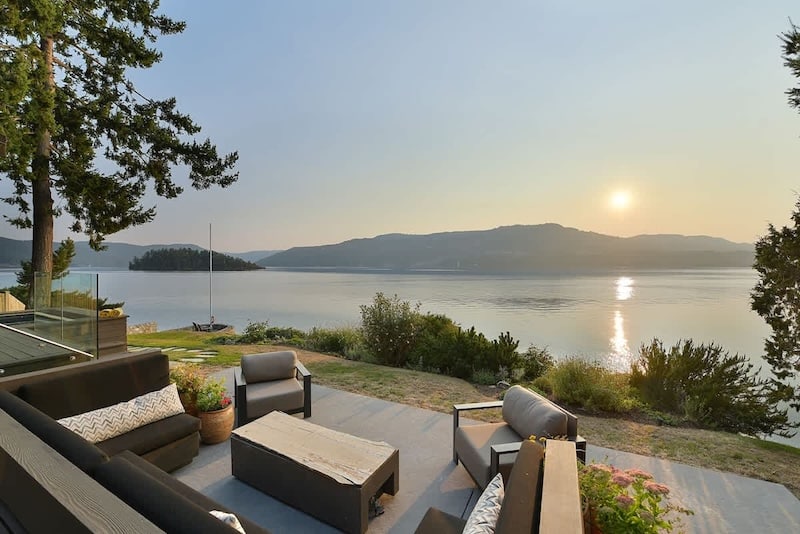
The right home base depends on the experience you want. Stay in Victoria for walkable neighbourhoods, museums, restaurants and easy day trips. Choose Sooke for rugged coastline, the Cowichan Valley for food and wine, Parksville and Qualicum Beach for beaches and waterfall excursions, or Nanaimo and the Comox Valley for Central Island exploring.
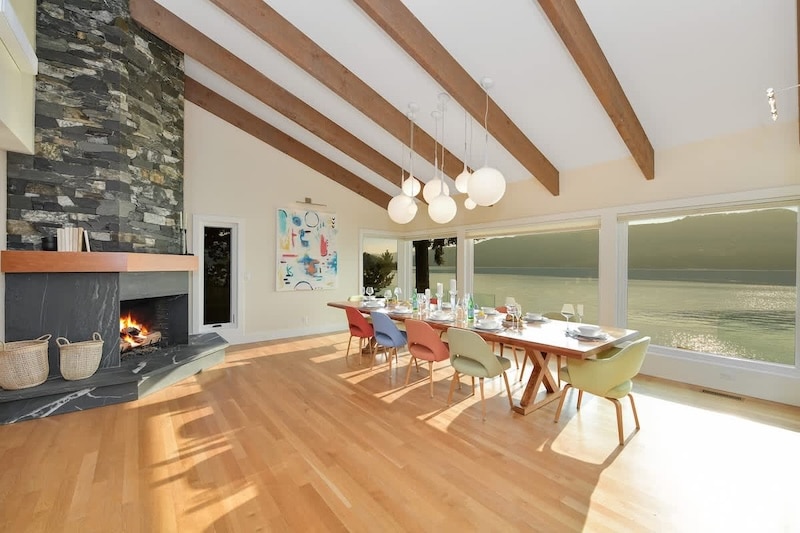
EMR Vacation Rentals offers professionally managed homes across Vancouver Island, from urban condos to spacious coastal retreats. Booking directly gives you access to local support and a team that knows the homes and the regions they serve.
Ready to Plan Your Fall Vancouver Island Getaway?
Professionally managed stays for effortless Vancouver Island getaways.Find Your Fall Home Base with EMR Vacation Rentals
 Point, Inner Harbour
 Families visiting Victoria for Canada Day will find plenty to keep children entertained throughout the afternoon. The Kid’s Zone features hands-on activities, games, crafts, and interactive exhibits designed specifically for younger visitors.
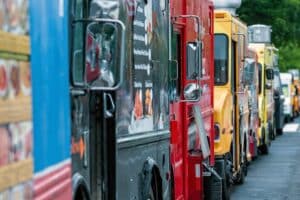 One of the highlights of Canada Day in Victoria is the opportunity to sample cuisine from around the world without leaving the harbour. The Flavours of the World food court brings together local vendors serving everything from classic Canadian favourites to international dishes.
 Victoria-born musician Jesse Roper traditionally headlines the evening entertainment before the fireworks begin. Known for his blues-infused rock sound and energetic stage presence, his performance helps build excitement as the celebrations move toward their grand finale.

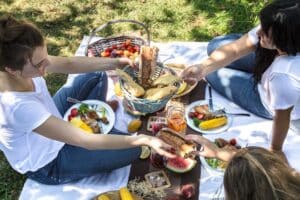 Gorge Canada Day Picnic
 TD Victoria International JazzFest
 What the Weather Is Usually Like


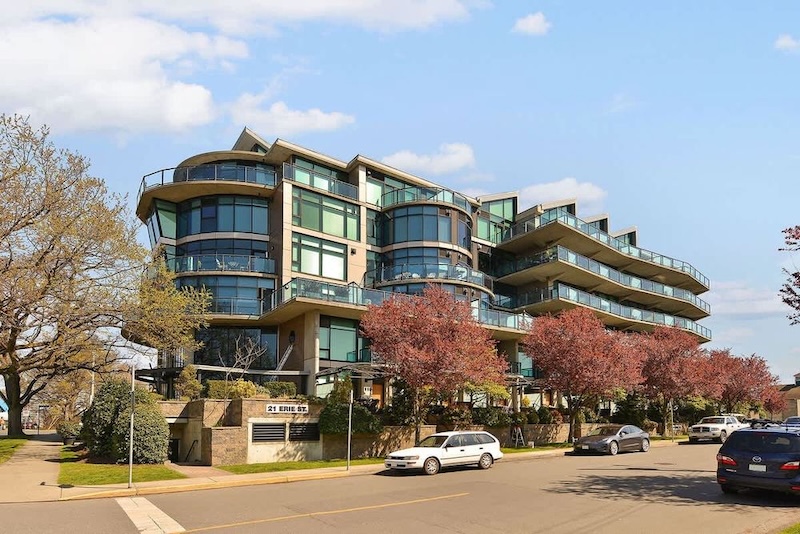
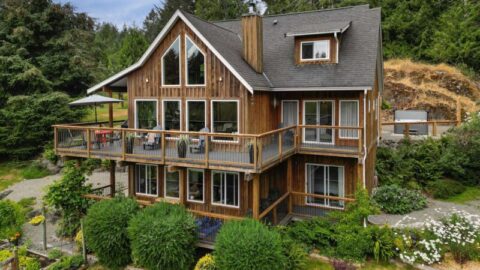

 EMR exists to remove the uncertainty that often comes with vacation rentals. Instead of navigating individual hosts, unclear instructions, or inconsistent quality, you are working with a professional team from start to finish.
There is one point of contact. One standard. One experience. You always know who to reach, what to expect, and how things will be handled.

 Arrival should feel easy. You receive clear check-in instructions, and your home is prepared for immediate use.
Clean, organized, and ready to live in. No setup required, no confusion on what to do next. And if something does not go as planned, support is there to help you quickly.
 For extended stays, your rental needs to function like a home, not a temporary setup.
EMR properties are prepared for day-to-day living, with practical layouts, full kitchens, and the essentials needed for longer visits. Communication continues throughout your stay to ensure everything remains comfortable and on track.
 Every EMR property is prepared to a consistent standard. Homes are professionally cleaned before arrival and fully furnished for real use, not just short visits.
Kitchens are equipped for cooking, spaces are designed for comfort, and everything is set up so you can settle in immediately.
For longer stays, additional services can be arranged to maintain that level of comfort over time.
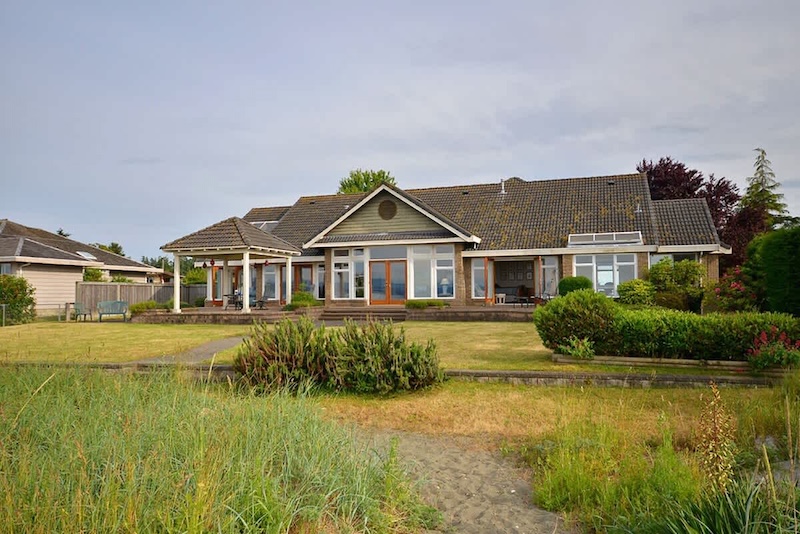 Each property is backed by the same service model, the same standards, and the same commitment to making your stay feel easy and well looked after.
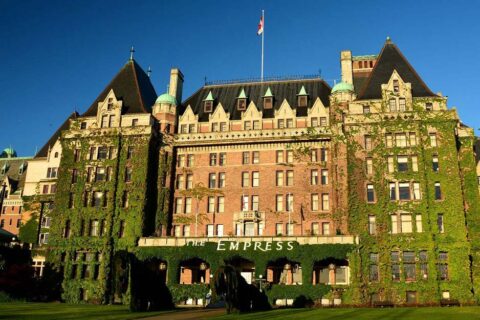
 If you’re planning a trip to Victoria, the Empress deserves a place on your itinerary. Pair your visit with a stay in one of EMR Vacation Rentals’ professionally managed homes and enjoy easy access to the Inner Harbour, downtown attractions, and everything Greater Victoria has to offer.
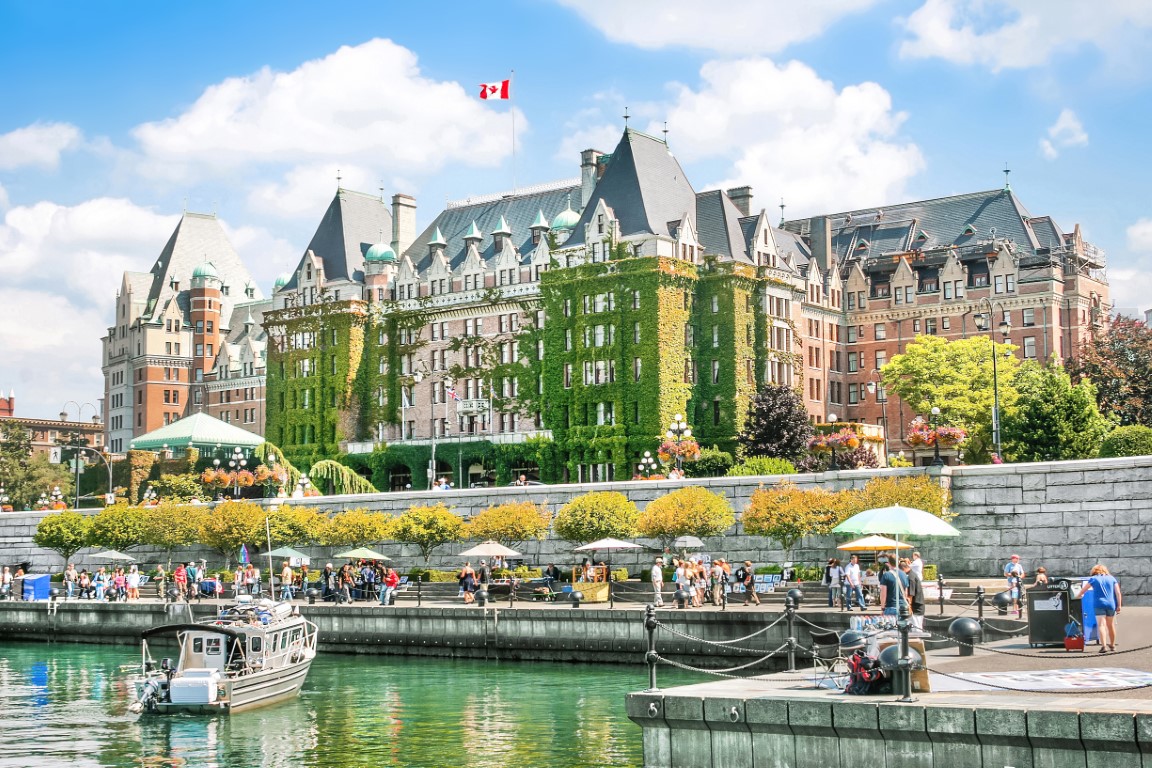
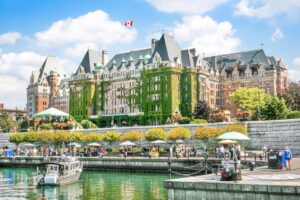 The story of the Empress begins long before its doors opened in 1908. During the late nineteenth and early twentieth centuries, the Canadian Pacific Railway was expanding its influence across Canada through an ambitious network of grand hotels. These properties were designed to encourage tourism, support rail travel, and showcase some of the country’s most important destinations.
Victoria was a natural fit for the project. As British Columbia’s capital city and a growing port on Canada’s west coast, it was already attracting visitors arriving by steamship and rail. The CPR envisioned a landmark hotel that would greet travellers arriving at the Inner Harbour and reinforce Victoria’s reputation as one of Canada’s premier destinations.
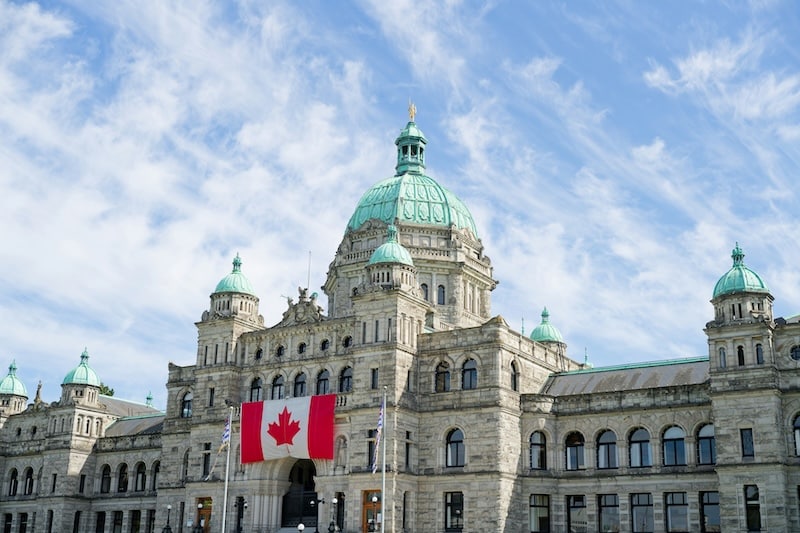
The project was awarded to Francis M. Rattenbury, the British architect responsible for the nearby Parliament Buildings. Rattenbury selected a prominent site overlooking the Inner Harbour, creating a dramatic visual pairing between the two buildings that still defines downtown Victoria today.
Construction began in 1904 and was completed four years later. From the moment it opened, the Empress became a symbol of Victoria’s ambitions and one of the most impressive buildings on Canada’s west coast.
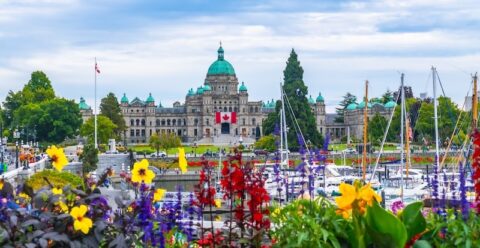
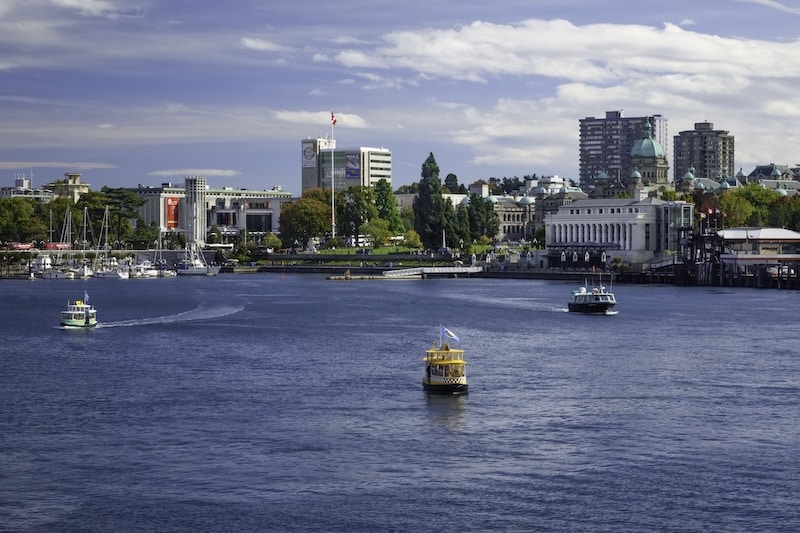
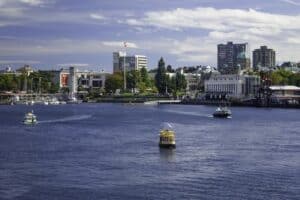 Together with the Parliament Buildings, the hotel creates one of the most recognizable waterfront scenes in Canada. For more than a century, visitors arriving in Victoria have been greeted by the sight of the Empress overlooking the harbour, creating an unforgettable first impression of the city.
Its location places it at the heart of downtown Victoria, within easy walking distance of many of the city’s most popular attractions. The Royal BC Museum, Government Street, Beacon Hill Park, Fisherman’s Wharf, and numerous restaurants, galleries, and shops are all nearby.
What makes the Empress particularly special is how seamlessly it connects to the surrounding city. Visitors can spend an entire day exploring downtown before returning to the harbour to admire the building from a different perspective as the light changes throughout the day.
For many people, no visit to Victoria feels complete without spending time in the Inner Harbour and taking in the view of the Empress rising above the waterfront.
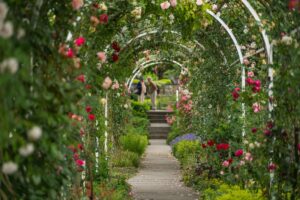 Carefully maintained landscaping softens the edges of the historic structure and creates beautiful viewing areas throughout the year. Seasonal flowers add colour to the harbourfront, while mature plantings help frame some of the best photo opportunities in downtown Victoria.
The grounds also provide a unique perspective on the building’s architecture. Walking around the property allows visitors to appreciate the scale of the structure, its distinctive rooflines, and the relationship between the hotel and the harbour.
Spring and summer are particularly beautiful when flowers are in bloom, but the grounds remain a pleasant place to visit throughout the year.
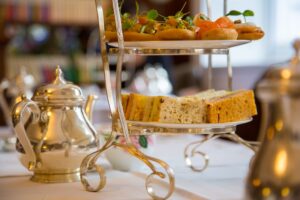 Few traditions are more closely associated with the Empress than
 While Afternoon Tea may be the hotel’s most famous culinary experience, the Empress has also become an important dining destination for both visitors and locals.
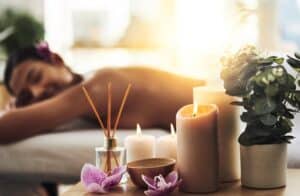 For visitors seeking relaxation,

 Morning: Explore the Inner Harbour
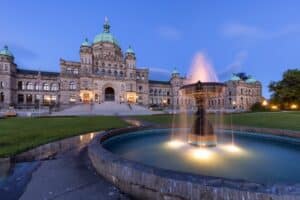
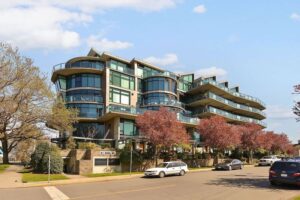 EMR Vacation Rentals offers professionally managed vacation rentals and furnished stays throughout Victoria and Vancouver Island, providing guests with comfortable, well-located accommodations that make it easy to explore the region at their own pace.
Whether you’re planning a weekend getaway, an extended stay, or a longer Vancouver Island adventure, EMR Vacation Rentals offers a comfortable home base close to the attractions, experiences, and landmarks that make Victoria unforgettable.
Find your perfect home base with EMR Vacation Rentals and experience Victoria at your own pace.
 Find your ideal home base with EMR Vacation Rentals and experience Victoria like a local.
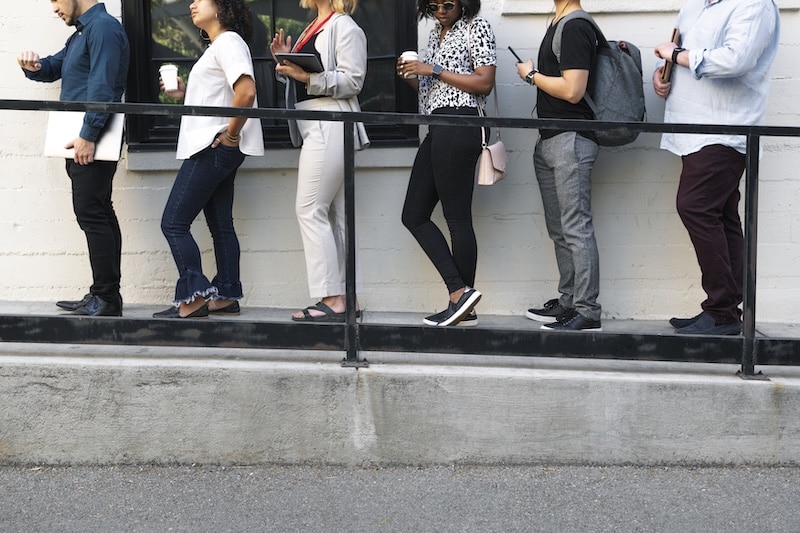 Finding the right place to stay in Victoria requires some planning, especially if you are arriving from outside Canada.
The rental market is tight, and listings move quickly. Long-term leases often require in-person viewings, references, and upfront commitments that do not align well with flexible or remote lifestyles.
Short-term rentals can work initially, but availability fluctuates and pricing can vary significantly depending on the season.
For digital nomads, starting with a furnished rental is often the most reliable approach. It gives you time to understand the city, explore neighbourhoods, and decide if a longer-term setup makes sense, all without the pressure of immediate commitments or the risk of rental scams.
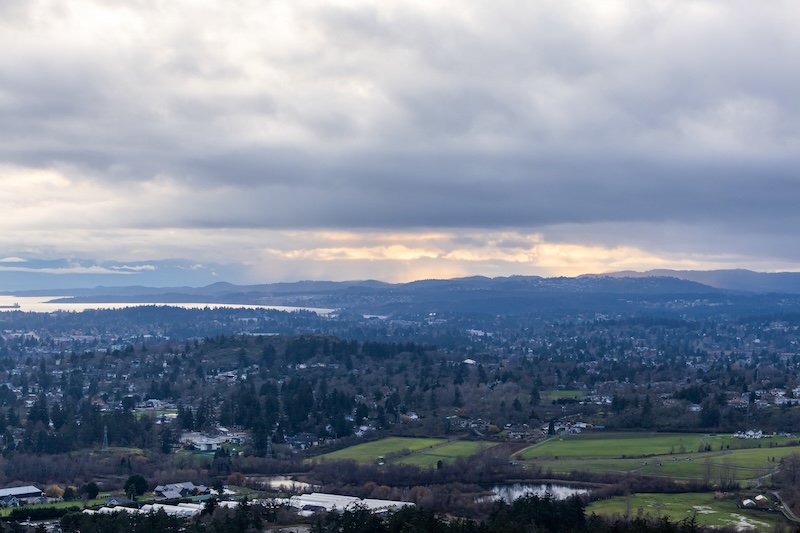 Greater Victoria is made up of a collection of distinct communities, each offering a different pace of life, access to amenities, and overall work environment. Choosing the right area comes down to how you like to work and how you want to spend your time outside of it.
Below is a high-level look at the areas most digital nomads consider when staying in Greater Victoria. For a deeper breakdown of each neighbourhood, including pros, cons, and lifestyle details, explore our full neighbourhood guide.


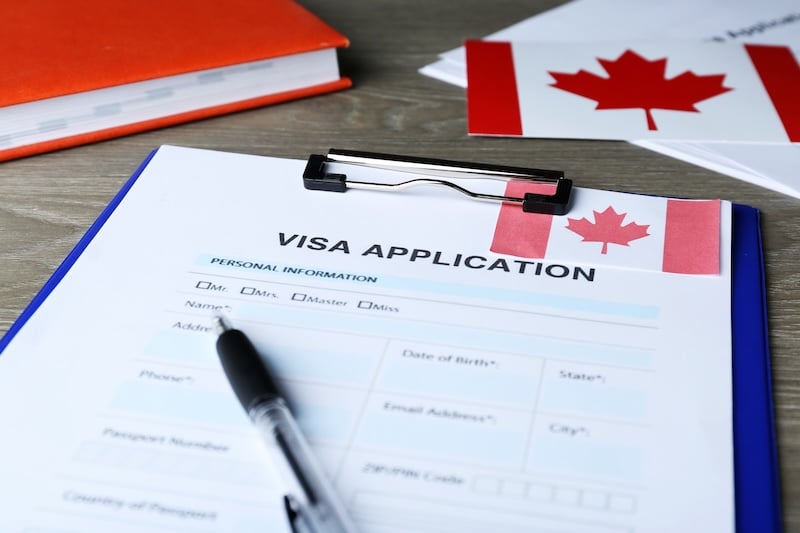 Canada does not currently offer a dedicated digital nomad visa, but there are still ways to stay and work remotely while visiting.
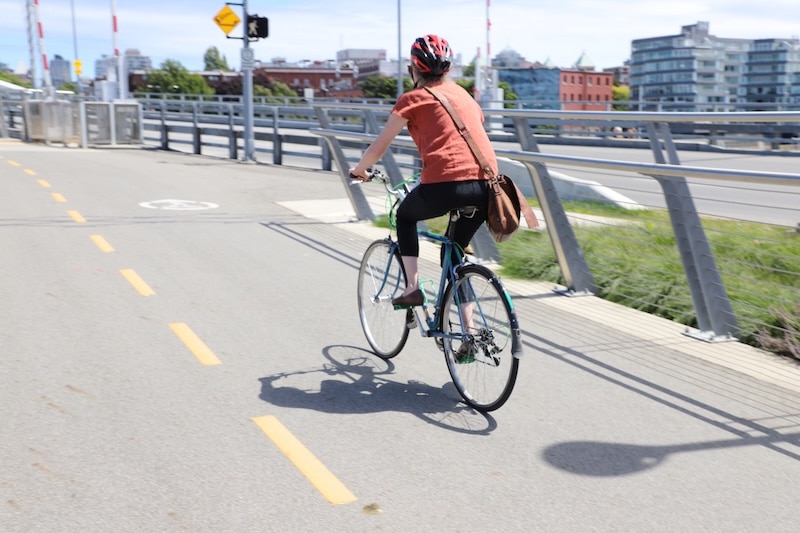 Cycling is one of the most practical and enjoyable ways to get around Victoria.

 A car becomes much more useful once you move outside the downtown core.

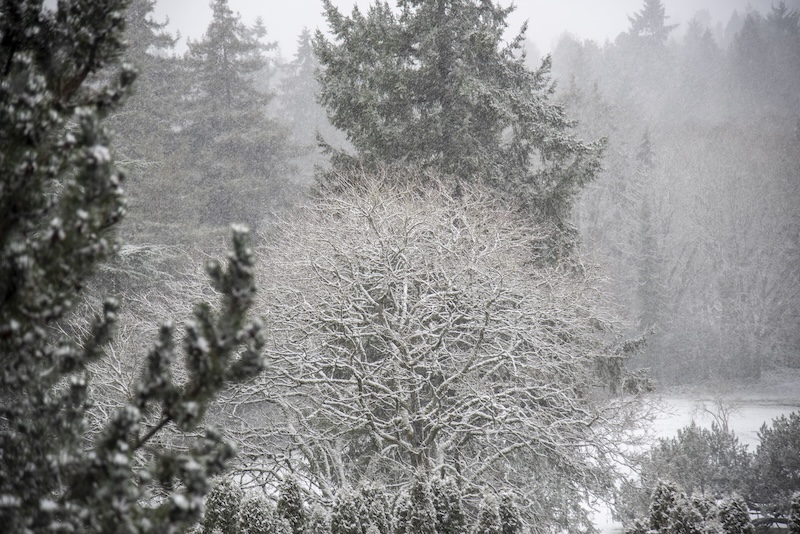
 Victoria is one of the more family-friendly destinations for remote workers in Canada, particularly for longer stays. The combination of safety, access to nature, and a slower pace of life makes it easier to balance work responsibilities with family time.
 Finding the right place to stay is one of the most important parts of your experience in Victoria, especially as a remote worker.
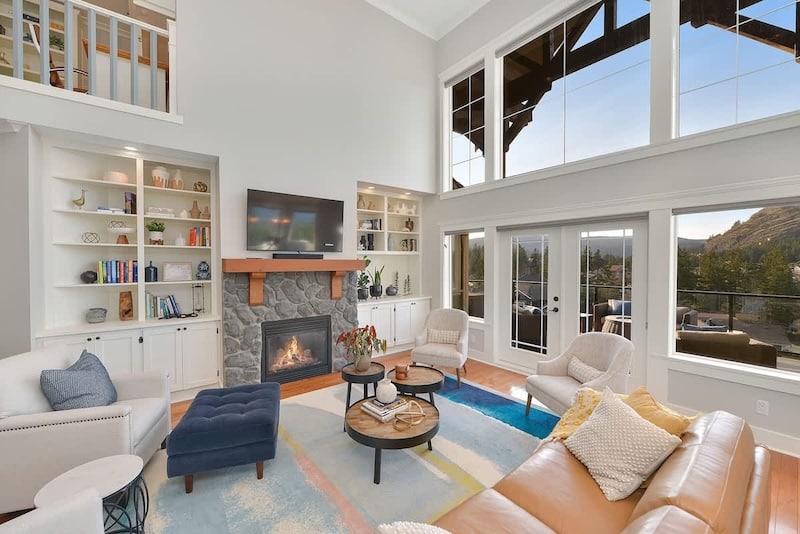
EMR Vacation Rentals offers professionally managed homes across Greater Victoria, including Downtown Victoria, Oak Bay, Sidney, Langford, and Sooke. These fully furnished properties are designed for comfort and longer stays, with practical layouts, reliable high-speed internet, and access to the everyday essentials that make remote work easier.
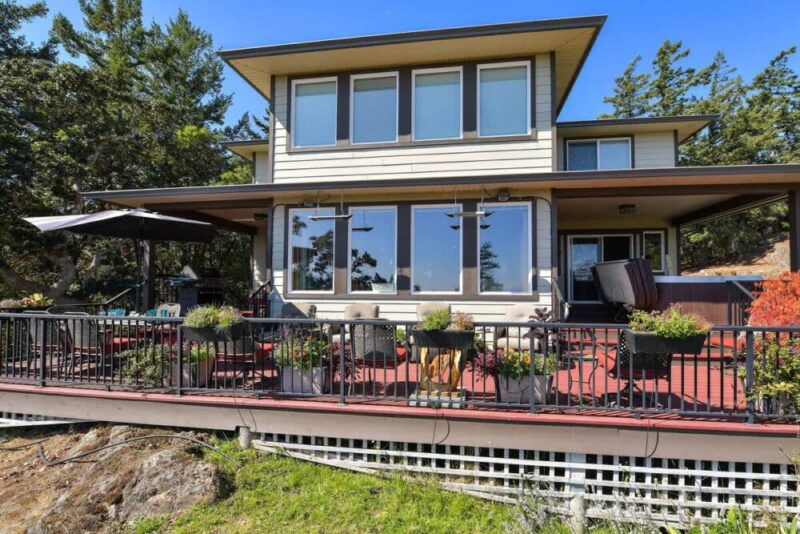 Whether you are staying for a few weeks or a few months, having a well-managed home base allows you to focus on your work while enjoying everything the region has to offer.

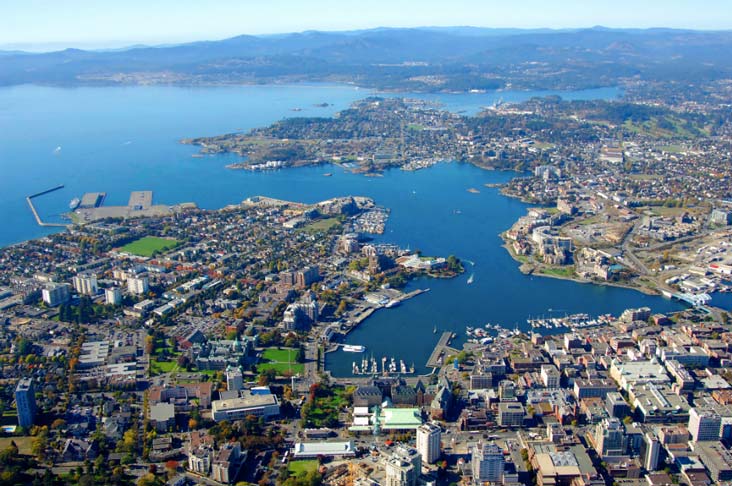
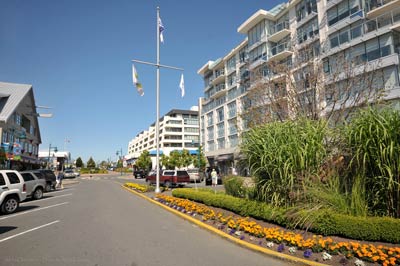
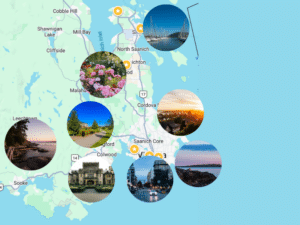 Greater Victoria may look compact on a map, but it does not feel like one single, uniform city when you are actually living in it. It feels more like a collection of mini communities, each with its own personality, pace, and everyday rhythm. One area might mean harbour walks, heritage buildings, and coffee shops around the corner. Another might mean newer homes, school drop-offs, rec centres, and a bit more breathing room.
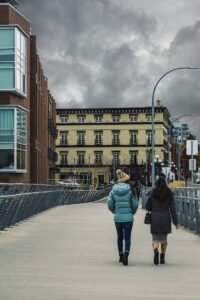 It helps to think of Greater Victoria in a few broad lifestyle zones. The Victoria core, including downtown, James Bay, and Fernwood, tends to appeal to people who want walkability, character, and easy access to restaurants, cafés, and the Inner Harbour. The Westshore, including Langford, Colwood, and View Royal, attracts people looking for newer developments, more space, and practical family amenities. Around Gordon Head and Upper Quadra, you get a more residential mix shaped by schools, parks, and proximity to UVic, while the Peninsula communities like Cordova Bay, Brentwood Bay, and Sidney offer a quieter, more coastal way of life.
 Getting around Greater Victoria is relatively easy, but how you move day to day will depend heavily on where you choose to stay.
 Cycling is a strong option, particularly in the warmer months. The region has an extensive network of multi-use trails like the Galloping Goose and Lochside Trail, which connect many neighbourhoods and make it possible to commute or run errands by bike if you’re staying nearby.
 One of the most well-known traffic patterns in the region is the “Colwood Crawl,” referring to congestion along the main route between the Westshore and downtown during peak hours. While communities like Langford and Colwood offer more space and newer homes, the trade-off can be a longer and less predictable commute.
 For families

 Walkability, nearby green space, and access to trails or beaches can shape your daily routine. Many neighbourhoods across Greater Victoria offer excellent outdoor access, but some are better suited than others depending on how you like to spend your time outside.
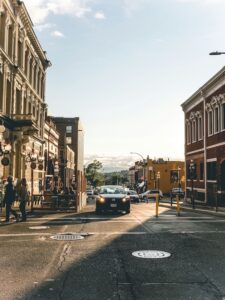 Urban, walkable, close to everything
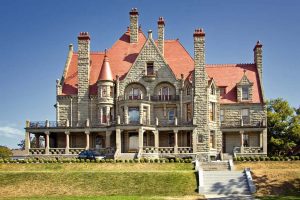 Established, local feel, highly livable
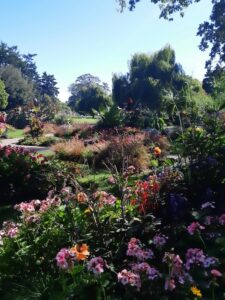 Agricultural, slower pace, connected rural living
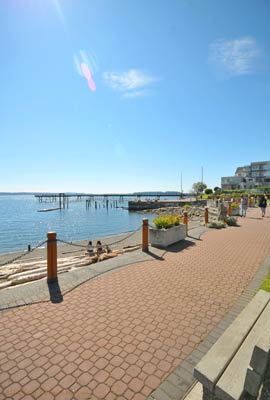
 Newer development, more space, value trade-offs
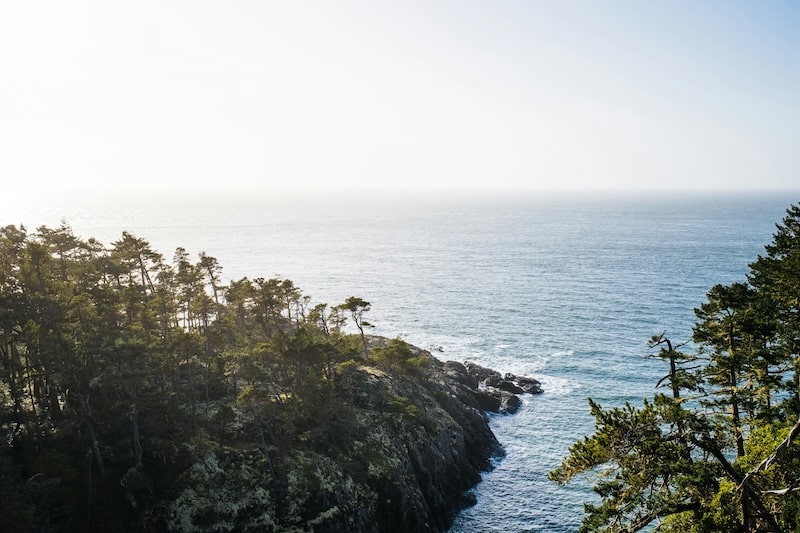
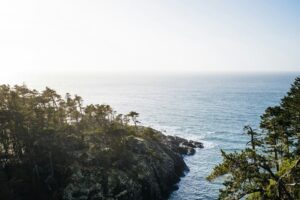 Nature-first, remote, lifestyle-driven
 One of the best ways to choose the right neighbourhood is to experience it firsthand. Staying in a furnished rental allows you to explore different areas while maintaining comfort and flexibility, whether you want to test out urban living, a quieter coastal setting, or a more family-oriented community.



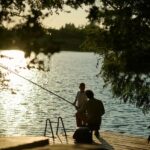
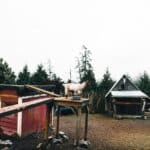

 Access to Nature Year-Round
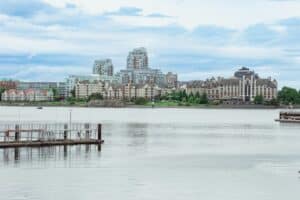 A Distinctive Coastal City
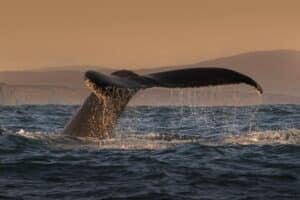 Wildlife and Everyday Nature
 A Strong Food and Drink Scene
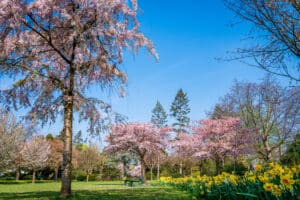 A Manageable Climate
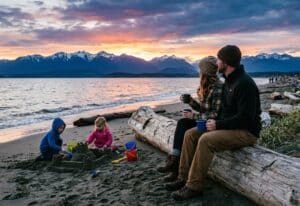 High Quality of Life
 It’s an Island
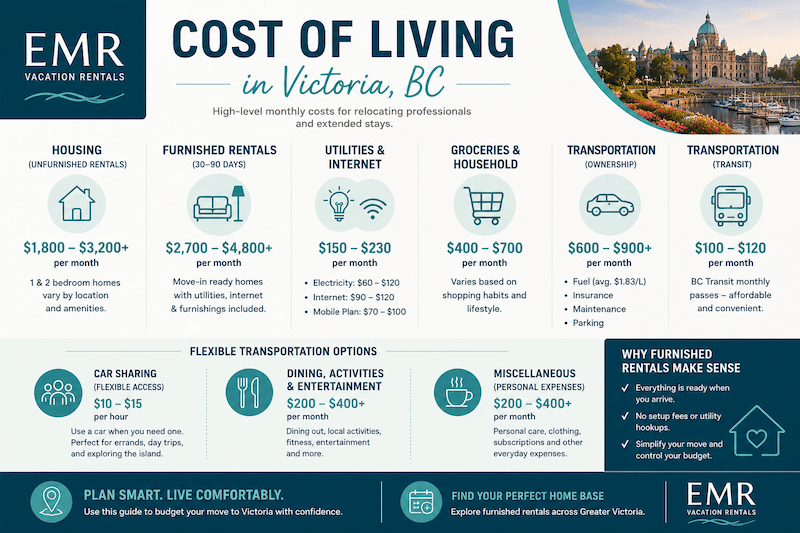
 Cost of Living
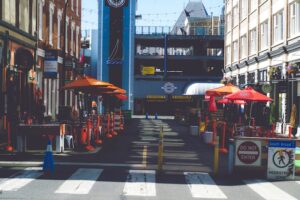 Limited Big-City Access
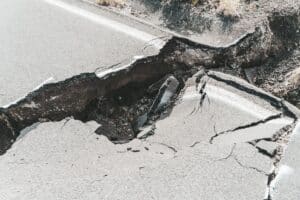 Earthquake Risk
 If you’re considering a move, a longer stay is one of the best ways to understand how Victoria fits your lifestyle.

 For companies booking extended stays, the choice is shifting away from traditional hotels toward corporate housing in Victoria BC. If you are coordinating travel for your team, explore EMR Vacation Rentals’
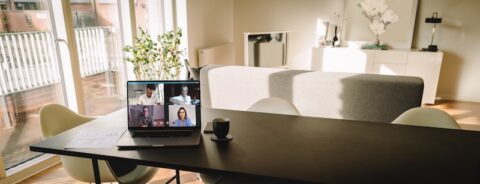
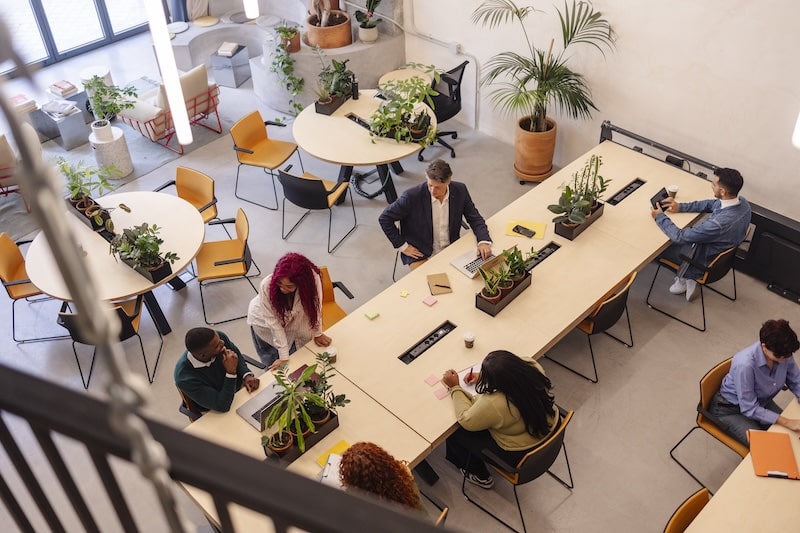
 For many professionals, accommodation doubles as a workspace. Reliable internet, a proper desk, and a quiet environment are no longer optional.
 A full kitchen makes it easier to maintain routines, eat well, and reduce daily expenses. Instead of relying on takeout or room service, travellers can prepare meals on their own schedule.
 Having separate areas for work and relaxation helps support both productivity and well-being. Corporate housing allows guests to stay focused during the day and properly disconnect in the evening.

 Victoria offers several neighbourhoods that work well for business travel, depending on the nature of the stay. The Inner Harbour and downtown core are ideal for shorter assignments or executive stays, with easy access to offices, dining, and services.
 As business travel continues to evolve, so do expectations. Extended stays require more than a standard hotel room. They require space, functionality, and comfort.

 If you only have time to visit a few cafés during your trip, start with these standout spots.
 Victoria’s coffee culture has developed alongside the broader Pacific Northwest coffee movement, which emphasizes quality beans, careful roasting, and skilled brewing. Like nearby Vancouver and Seattle, the city has embraced specialty coffee in a way that goes far beyond the traditional café experience.
 Third-wave coffee focuses on the origin of beans, roasting techniques, and brewing methods that highlight subtle flavours. Rather than dark roasting beans until they taste uniform, roasters aim to bring out the unique characteristics of each coffee.

 Quick Look


 Most travellers
 Trips to Hot Springs Cove often double as wildlife viewing excursions. Clayoquot Sound is home to humpback whales, grey whales, sea otters, bald eagles, shorebirds, and black bears. Many boat tours operated by Tofino outfitters combine wildlife viewing with a visit to the springs, creating a full-day experience that showcases the diverse ecosystems of the region.
 Hot Springs Cove lies within the traditional territory of the