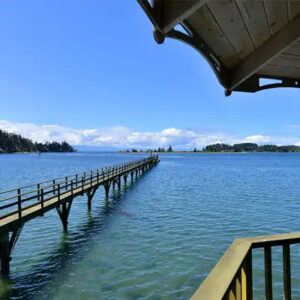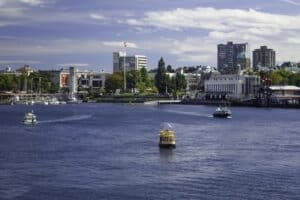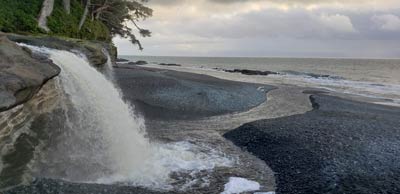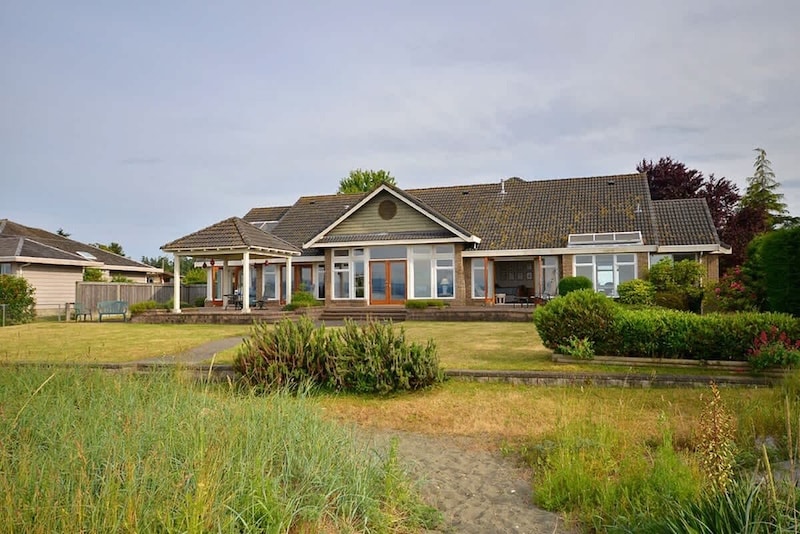
Halloween on Vancouver Island 2025

Halloween on Vancouver is so much fun! From family-friendly festivals to super scary events, we’ve got it all!

Continue reading

Cost of Living in Victoria BC

welcome to Victoria sign in the Inner Harbour

Any move is tough. Whether it’s down the street or across the globe, one of the first questions is always the same: how much will it cost to live there?

For many expats considering Canada, Victoria, British Columbia is at the top of the list. Perched on the southern tip of Vancouver Island, this charming city blends European flair with stunning natural beauty, making it one of the most desirable places in the world to live and visit.

small wooden figures next to  pile of coins - cost of living

But beauty comes at a price. Victoria’s cost of living is among the highest in Canada, and what it takes to afford life here depends on whether you’re moving as a single person or a family, where you settle in Greater Victoria, and the kind of work you find.

Before making the leap, let’s break down the costs so you can decide if Victoria is the right fit for you. And if you’re still exploring, one of the best ways to “try on” life on the Island is by staying in a long-term vacation rental with us! EMr has an extensive portfolio of homes across Vancouver Island! It’s the perfect way to live like a local and see if island life is right for you!

How to Determine the Cost of Living?

While the cost of living is often measured in dollars, the true cost of living goes much deeper. It is a balance between what you pay and what you gain, whether that means climate, culture, job opportunities, or overall lifestyle.

In Toronto, Ontario, Metro Vancouver, and Victoria, British Columbia, living expenses and in particular, housing prices remain among the highest in Canada, making both cities difficult for newcomers to afford.  For Victoria in 2025, the average cost of living works out to be between $1,500 to $3,000 per month (excluding rent or mortgage) for a single person, and can land between $5,000 – $10,000 per month for a family of four. For single people, you may want to consider sharing a rental with roommates and for families, you may want to look into buying a home with a mortgage helper in order to avoid finding a rental in this hot market. 

woman sitting at a peak with a view of the Saanich Inlet - Victoria BCHere’s the good news: while the numbers can feel overwhelming, what you get in return is hard to beat. Victoria consistently ranks as one of the most livable cities in Canada thanks to its mild climate, stunning natural surroundings, and thriving cultural scene. Access to high-quality healthcare, excellent schools, safe neighbourhoods, and endless opportunities for outdoor recreation all contribute to a quality of life that offsets the higher costs. For many, the investment is worth it when balanced against the day-to-day lifestyle that Victoria offers.

How Other Canadian Cities Compare 

Cities like Winnipeg, Manitoba and Lévis, Quebec are far more affordable and boast rich history and vibrant communities. The trade-off, however, comes in the form of fewer big-city amenities, more limited job opportunities, and long, freezing winters and hot, humid summers.

Calgary, Alberta, just east of the B.C. border, offers a thriving job market, a strong arts scene, and more affordable housing than Toronto or Vancouver. The challenge is that while Alberta regularly provides strong employment prospects and a vibrant culture, its economy is inextricably tied to oil and gas, and has historically experienced major economic shifts (boom & bust). Plus, much of Alberta experiences long, frigid winters that can be tough to deal with year after year.

If you are relocating from Seattle to Victoria, you will find the mild climate familiar and appealing. The adjustment comes instead from higher Canadian taxes and tariffs, although these are balanced by the security of universal healthcare.

The Bottom Line

So while the monetary cost of living is the top factor for many people when considering a move, it’s not the entire picture. It is wise to weigh what you spend against the kind of life you want to experience and what kind of compromises you are willing to make.

Employment Opportunities

With unemployment rates that consistently sit below the national average, Victoria continues to offer opportunities for newcomers. As of September 2025, the unemployment rate in Victoria was 5.1%, lower than the provincial average of 5.9%. Earlier in the year, it dipped as low as 3.7%, underscoring the city’s relatively strong job market.

One of the biggest challenges remains the wage-to-cost-of-living ratio. While job opportunities are available, wages have not risen as quickly as housing and living costs. This continues to be a hurdle for many newcomers.

Key sectors in 2025 include the Provincial Government, healthcare, construction, hospitality, retail, and a steadily growing tech sector. Tourism also remains a major employer, and Victoria continues to attract retirees from across Canada who value the city’s high quality of life.

Housing

There has been no escaping the housing story in Victoria. After years of record-breaking highs, the housing market has begun to show some signs of balance, but affordability is still an issue.

homes on the waterfront in Victoria BC

  • Rentals: As of summer 2025, the median monthly rent for all units in Victoria was $2,397. A one-bedroom apartment averages around $2,000 to $2,100, while a three-bedroom suitable for a family of four sits closer to $3,300 to $3,500 per month.

  • Home prices: The benchmark price for a single-family home in the Victoria Core is now about $1.31 million, while condos average around $550,000.

Housing costs are lower outside Downtown Victoria and can help ease the financial burden. Areas like the Saanich Peninsula, Langford, Colwood, or Esquimalt are great options, especially for families but prices remain high across Greater Victoria, and commuting can be a challenge.

If you’re hoping to relocate, budget carefully. Housing will be the largest single expense. However, booking a long-term rental in Victoria is a great way to transition and can help you get a realistic sense of what living in Greater Victoria is really like before making a permanent decision.

Food Costs

woman grocery shopping - food costsThe cost of food in the capital region continues to climb. Dining out remains expensive, with a casual meal averaging around $25 per person and a a dinner for two at a mid-range-restaurant sits between $80 and $100.

Groceries are also a major monthly cost, averaging $650–$700 per person depending on diet and shopping habits. The good news is that throughout Greater Victoria, there’s a wide range of grocery stores. From large, wholesale stores to boutique markets, savvy shoppers can save by shopping smart and mixing and matching.

Alcohol remains pricey in B.C., with provincial tariffs and taxes raising costs. Coffee shop culture is still strong, and while a daily cappuccino habit can add up quickly, the city’s abundance of high-quality, locally roasted coffee means you can make gourmet coffee at home and enjoy an indulgence once in a while.

Transportation

inside of a bus - over a line of seats looking to the front While the roads in Greater Victoria are well maintained and EV adoption is on the rise with a number of public charging stations throughout Greater Victoria, getting around Victoria can be challenging. Like many growing cities, traffic congestion during weekday rush hours is a reality, gas prices are high and parking in the downtown core can be limited and costly. EV adoption has also grown steadily, supported by a growing number of public charging stations throughout Greater Victoria.

Many residents work around this by relying on alternative transportation. Cycling is especially popular thanks to Victoria’s extensive network of bike paths, while others make use of the city’s public transit system.

As of 2025, a monthly adult BC Transit bus pass costs $95, with cash fares ranging from $2.50 to $5.00 depending on the route.

Utilities

Monthly utilities in 2025 average slightly higher than previous years:

  • Basic utilities (electricity, heating, cooling, water, garbage): $180–$200

  • Internet (60 Mbps or more): ~$100

  • Mobile phone plan with adequate data: $90–$110 per line

  • Streaming services and cable add to entertainment costs, with most households spending an additional $50–$100/month.

Sports and Leisure

tip of a kayak in the ocean - Victoria lifestyleVictoria remains an active-lifestyle city. Many residents enjoy free outdoor activities such as hiking, cycling, jogging, kayaking, and bouldering thanks to the mild climate. There are also numerous, well-kept public parks with tennis and basketball courts, playgrounds and even outdoor workout equipment. 

For the rainier season, community centres continue to offer affordable memberships with access to pools, gyms, and courts, while private gym memberships are pricier but widely available.

Childcare

toddler stacking blocks Childcare has been a longstanding challenge in Victoria. The $10-a-Day ChildCareBC program continues its phased rollout in 2025, but space is limited, and demand far outpaces supply.

While some families benefit from the program, many still pay $500 to $1,500 per month per child, especially if they are waiting for a spot or require care outside subsidized hours. If you’re a newcomer to Greater Victoria and are looking for childcare, budgeting for the non-subsidized cost is a good idea while you navigate the subsidized option. 

For school aged children, many families require before and/or after-school care. These programs often have long waitlists but schools and the parent community are great resources for newcomers!

Quality of Life

view of a sparkling ocean with a sailboat - view from Dallas Road Victoria BCDespite high costs, Victoria continues to rank among Canada’s most desirable cities to live in. The city offers excellent healthcare, clean public spaces, safe neighbourhoods, strong schools, local food production, and well-planned urban infrastructure.

According to 2025 quality of life indexes, Victoria’s biggest drawback continues to be affordability. For those who can budget for it, however, the trade-off is access to one of the highest standards of living in the country.

The Bottom Line: Cost of Living in Victoria

Victoria continues to be one of the best places in Canada to live if you can afford it.

If you’re seriously thinking about relocating to Victoria, one of the best first steps is to book a long-term rental in your preferred neighbourhood and see how it feels.

Resources

Living in Sidney BC

view of the Sidney Pier from one end on a cloudy day 0 Sidney BC

More and more people are drawn to Vancouver Island, British Columbia for its natural beauty, temperate climate, and slower pace of life. But choosing where to settle can feel overwhelming if you’ve never actually lived here. Each community has its own character, and finding the right fit is key. That’s where we come in. This guide takes a closer look at life in Sidney, BC, one of the most popular towns on the Saanich Peninsula. We’ll explore the pros and cons of living here, what makes the Peninsula unique, and why it’s such a desirable place to call home.  Not ready to sign on the line? EMR Vacation Rentals has a portfolio of long-term homes in Sidney and the Saanich Peninsula and the surrounding area so you can get a taste of island life before making the leap!


About Sidney, BC

 metal statue of a sailor in Sidney BC, outdoor art walk Sidney-by-the-Sea is an aptly named seaside town located on the northeastern tip of the Saanich Peninsula, just 25 minutes from downtown Victoria. With a population of around 12,000, it’s the Peninsula’s main hub for shopping, dining, and community services.

Sidney is known for its walkable downtown core, active marina, and cultural venues like the Mary Winspear Centre. It has earned a reputation as both a vibrant community for retirees and a welcoming place for families who appreciate small-town living with big-city connections close at hand.

The town’s history stretches back to its Coast Salish First Nations roots, followed by European settlement in the mid-19th century when logging and fishing shaped the early economy. Over time, agriculture flourished thanks to the Peninsula’s fertile soil and mild climate. Today, this area remains the main agricultural hub of Greater Victoria with farms, orchards, and wineries as defining features of the region.


Pros of Living in Sidney

Location & Accessibility

Sidney’s location makes it one of the most accessible communities on Vancouver Island. The Swartz Bay BC Ferries terminal is just north of town, offering daily sailings to Vancouver. Victoria International Airport is less than 10 minutes away, while downtown Victoria is a 25-minute drive. Sidney also serves as a gateway to the Gulf Islands and San Juan Islands, making weekend getaways easy.

Scenic Beauty & Outdoor Lifestyle

Living in Sidney means being surrounded by ocean views, marinas, and beaches. Locals enjoy kayaking, sailing, and paddleboarding right from the shoreline. Nearby Sidney Spit, part of Gulf Islands National Park Reserve, is a favourite for birdwatching, hiking, and picnics. The region’s mild coastal climate means you can spend time outdoors year-round.

Walkable, Safe & Community-Oriented

Sidney is known for its welcoming, small-town atmosphere. Beacon Avenue, the town’s main street, is lined with cafés, boutiques, and bookstores, making it easy to get around on foot. The community comes together for markets and seasonal festivals, while the Mary Winspear Centre hosts concerts, theatre, and events that add cultural vibrancy. Many people choose Sidney for its sense of safety and neighbourly feel.

Amenities & Services

Though smaller than Victoria, Sidney has everything residents need for day-to-day living. Schools, medical clinics, grocery stores, and recreation facilities are all nearby. Seniors benefit from strong support services, and families appreciate the access to parks, libraries, and family-friendly activities.


Cons of Living in Sidney

Cost of Housing & Rentals

Sidney’s popularity comes with a price. Real estate values are high, and rental housing can be difficult to find. While it’s more affordable than Vancouver, the limited supply of homes means costs are comparable to Victoria. Workforce housing is a particular challenge, with many employees commuting from other parts of the Saanich Peninsula.

Employment & Economy

Sidney’s economy is largely driven by tourism, retail, and service industries. While there are some local employers in marine, aerospace, and technology sectors, many residents commute to Victoria for work. Professionals looking for diverse career opportunities may find limited options directly in Sidney.

Limited Nightlife & Pace of Life

Those looking for a vibrantview from a BC ferry heading to Sidney BC on Vancouver Island - sunset nightlife or large-scale entertainment scene may find Sidney too quiet. The town is known for its slower pace and relaxed atmosphere, which appeals to retirees and families but may not suit younger professionals who want a more dynamic social scene.

Seasonal Tourism

During summer months, Sidney sees an influx of tourists, particularly from cruise ship passengers and ferry travellers. While this supports local businesses, it can make the downtown core busier and less tranquil than in the off-season.


So What is it Really Like to Live in Sidney BC?

Living in Sidney, BC, offers the best of coastal small-town life: oceanfront beauty, a safe and welcoming community, and easy access to both Vancouver Island and the mainland. It’s an ideal place for retirees, families, and anyone seeking a quieter pace surrounded by natural beauty. However, the cost of housing, limited job market, and quieter social scene may be drawbacks for some.

exterior shot of a home in Sidney BC, Heron View Cottage vacation rental If you’re considering making Sidney your new home, the best way to truly understand what life is like here is to try it out first. EMR Vacation Rentals offers long-term rentals in Sidney and across the Saanich Peninsula, giving you the perfect home base to explore the area and decide if it’s right for you!


Find your perfect Sidney rental with EMR Vacation Rentals and start living the coastal lifestyle today!

A Traveler’s Guide to Public Transportation in Victoria, BC

Getting around a new city can be a challenge, but Victoria makes it refreshingly easy! 

While it doesn’t have a subway system or a train network like other major Canadian cities, Victoria’s public transportation is straightforward and reliable making it popular with locals and a great way for travellers to get around!

Public transportation in Victoria, BC is provided exclusively by BC Transit. Whether you’re commuting to UVic, catching a ferry in Swartz Bay, or simply exploring downtown Victoria, you’ll be using the bus system. If you’re staying in a vacation rental in Greater Victoria EMR Vacation Rentals in Oak Bay, Sooke, Sidney, or Metchosin, this guide will help you confidently plan your routes across Greater Victoria!

Quick Tips for Using Transit in Victoria

  • Always check NextRide for real-time bus tracking.

  • Use a DayPass if you plan to take more than two rides in a day.

  • Download the Umo App to simplify fare payment and trip planning.

  • TransLink is Metro Vancouver’s system — use it when continuing travel on the Mainland.

  • Plan your commute during peak hours in advance to avoid delays.

What Public Transit Looks Like in Victoria

Victoria’s public transportation is run by the Victoria Regional Transit System, a branch of BC Transit. There are no light rail trains or subways here — just buses. But don’t let that fool you. The system is robust, with bus stops scattered throughout the region including Colwood, James Bay, Royal Oak, Langford, Brentwood Bay, and Saanichton.

Why Take the Bus in Victoria?

  • DayPass and Bus Pass Options: Affordable single fares, daypasses, and monthly bus pass options. Kids 12 and under ride free.

  • U-Pass: If you’re a student at UVic or Royal Roads University, you’ll receive a U-Pass for unlimited rides.

  • Real-Time Tracking: Use NextRide to see when your bus will arrive.

  • Accessibility: Buses are equipped with low floors, ramps, and spots for strollers or mobility aids.

  • Bike Racks: Each bus comes with a bike rack, making multi-modal trips a breeze.

How to Plan Your Trip

closeup of a smartphone with a GPS map open on a map with pins in the map

Option 1: Google Maps

Just enter your starting point and destination into Google Maps and select the public transit icon. It’ll generate a step-by-step itinerary based on current schedules.

Option 2: BC Transit Tools

  • Visit bctransit.com/victoria to find schedules, maps, and alerts.
  • Search by route number if you already know the bus line.
  • Use the Umo App to pay fares, load your card, and track buses in real time.

Accessibility with handyDART

If you or a loved one has mobility challenges, handyDART is BC Transit’s door-to-door shared ride service for people unable to use regular buses. It’s fully accessible and only requires free registration to use.

Commuting Around the Region

Whether you’re commuting from Sidney to downtown Victoria, or from Langford to UVic, the transit service makes it easy to connect across the region! 

Buses serve:

  • Downtown Victoria

  • Oak Bay and James Bay

  • Langford and Colwood

  • Royal Oak and Brentwood Bay

  • Saanichton and Sooke

Most routes run seven days a week, with reduced service on holidays. If you’re commuting during rush hour, expect frequent service on major routes like #14 UVic or #50 Langford/Downtown.

Need to Catch a Ferry?

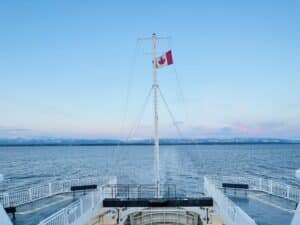
bright blue sky in front of a ferry off the coast of Vancouver Island flying a Canadian FlagVictoria doesn’t have a bus or train that connects directly to Vancouver, but it does have a very scenic ferry system.


  • BC Ferries: The Swartz Bay Ferry Terminal (near Sidney) connects you to Metro Vancouver, the Gulf Islands, and more. Bus routes run regularly to and from Swartz Bay.
  • Victoria Harbour Ferries: These adorable little water taxis operate in downtown Victoria and are a great way to visit different harbourside neighbourhoods. They’re not part of the transit system but offer a fun and scenic alternative

Where to Stay

If you’re planning to explore the Island, you’ll want to book a Vancouver Island vacation rental with us so you’ll always be close to a major bus route or transit hub!

Stunning Home


Whether you’re in a stylish condo in downtown Victoria, a serene oceanside retreat in Sooke, or a cozy cottage in Sidney, our homes offer the perfect base for your car-free adventure!


Explore our collection of well-located, fully equipped rentals across Greater Victoria and find your ideal home away from home!

Top 10 Hikes on Vancouver Island: Trails You Don’t Want to Miss!

Adventurous female hiker is enjoying a view of a waterfall during a foggy day.

Whether you’re a first-time visitor or a seasoned west coast explorer, Vancouver Island is a hiker’s paradise! From rugged coastal trails and ancient forests to alpine lakes and wildlife-rich estuaries, the Island offers some of the best hikes in British Columbia, all infused with the island’s signature wild beauty.

This curated list of top hikes spans the southern tip near Victoria and Sooke to the far reaches of Cape Scott and the Alberni Valley. Each trail has something unique to offer, from panoramic viewpoints to quiet forest paths. With options for every skill level, this guide will help you find the right trail for your next outdoor adventure, whether you’re chasing ocean views, rainforest solitude, or a bucket-list backcountry climb.

Looking for the perfect vacation rental on Vancouver Island? From waterfront stays to mountainside estates, we’ve got the very best of Vancouver Island right here!

Why Hike on Vancouver Island?

Rainforest meets rugged coastline

Vancouver Island’s trails wind through one of the world’s rare temperate rainforests. Towering Douglas firs, red cedars, and moss-covered maples dominate the landscape. Underfoot, ferns, salal, and mushrooms thrive in the damp, shady understory.

Wildlife and Seasons worth watching

Vancouver Island is home to black bears, Roosevelt elk, bald eagles, otters, and whales. Depending on the season and location, hikers may hear sea lions barking offshore or catch the flash of spawning salmon in a nearby stream.

Accessibility with adventure

Some of the most incredible scenery is just a short drive from towns and cities. Day hikes near Victoria and Sooke can feel worlds away, but they’re only 30 to 60 minutes from local shops and restaurants. That means visitors don’t need to be backcountry experts to enjoy wild, spectacular trails.

The 10 Best Hikes on Vancouver Island

Adventurous female is hiking Juan de Fuca Trail to Mystic Beach on the Pacific Ocean Coast during a sunny summer day. Taken near Port Renfrew, Vancouver Island, BC, Canada.Difficulty: Moderate
Time: 4 to 6 hours
Why We Love It: Coastal rainforest and remote beaches
Great For: Intermediate hikers, photographers, ocean lovers

This coastal segment of the Juan de Fuca Trail is rugged and unforgettable. Expect wooden walkways, tidal shelves, and the salty smell of the open Pacific. Sombrio Beach is a popular starting point and offers access to hidden waterfalls and surf breaks. Botanical Beach, at the other end, is famous for its tide pools filled with colourful marine life.

Difficulty: Hard
Time: 3 to 4 hours
Why We Love It: Big climb, quiet trail, panoramic summit views
Great For:  Locals, weekend hikers, and anyone looking for a challenging adventure close to Sooke.

This well-marked but rugged trail climbs steadily from the Sooke Potholes to the summit of Empress Mountain, the highest point in the Sea to Sea Regional Park. Along the way, hikers pass waterfalls, forest ponds, and scenic ridges before reaching sweeping views at the top. The final stretch includes a short rock scramble that isn’t technical, but can be challenging. Navigation is generally easy, though side trails are common, so it’s smart to bring a map or download one in advance.

Difficulty: Hard
Time: 2 to 3 hours
Why We Love It: A steep climb with massive views
Great For: Local hikers, sunrise chasers, fitness enthusiasts

Located just outside Victoria in Goldstream Provincial Park, this popular trail packs a punch! The climb is short but intense, leading to a rocky summit with panoramic views of the Saanich Peninsula and distant Olympic Mountains. Best tackled in dry weather, as parts of the route require scrambling on exposed rock.

Difficulty: Easy
Time: 1 to 2 hours
Why We Love It: Ocean views and easy access
Great For: Families, casual walkers, storm watchers

This well-maintained trail winds along the coast near Ucluelet, offering benches, interpretive signs, and incredible viewpoints at every turn. It’s an ideal introduction to west coast hiking, with the bonus of crashing surf, sea stacks, and potential whale sightings. Perfect for any age or ability.

The rocks surrounded by greenery in the Cape Scott Provincial Park in Vancouver, CanadaDifficulty: Easy to Moderate
Time: 2 to 3 hours round trip
Why We Love It: Remote beach, sea stacks, and wilderness quiet
Great For: Families, beginner hikers, landscape photographers

This trail offers one of the most iconic beach hikes on the island. After an easy walk through second-growth forest, hikers emerge onto a wide, sandy bay dotted with sea stacks. The trailhead is at the northern tip of Vancouver Island, making it ideal for those exploring beyond the usual tourist routes.

Difficulty: Moderate to Hard
Time: 4 to 6 hours
Why We Love It: Rugged coastal hiking at its finest
Great For: All-day hikers, nature lovers, oceanview fans

Winding through rocky bluffs, forest groves, and tidepools, this trail offers everything a coastal hike should. Located near Sooke, it’s easily accessible from Victoria but feels completely wild. Expect elevation changes, exposed rocks, and plenty of rewarding views across the Strait of Juan de Fuca.

Difficulty: Moderate
Time: 3 to 4 hours
Why We Love It: Panoramic views with a peaceful vibe
Great For: Up island hikers, solitude seekers, fall colour chasers

Less crowded than other summit hikes, this trail climbs through quiet forest to a lookout above Port Alberni. The reward is a sweeping view of the inlet and surrounding mountains. It’s especially beautiful in autumn, when the trees light up in gold and crimson.

Difficulty: Moderate to Hard
Time: 6 or more hours (day segment only)
Why We Love It: Access to Canada’s tallest waterfall
Great For: Strong hikers, Strathcona fans, waterfall hunters

Most visitors tackle this multi-day hike on a backpacking trek, but the first section is a rewarding day trip in its own right. After a boat shuttle across Great Central Lake, hikers venture into one of Vancouver Island’s most remote areas. Towering trees, alpine creeks, and glimpses of Della Falls make the effort worthwhile!

Difficulty: Hard
Time: 3 to 5 hours
Why We Love It: A local challenge with a stunning payoff
Great For: Nanaimo adventurers, training hikes, peak baggers

Rising behind the city of Nanaimo, Mount Benson is a classic summit hike with forested switchbacks and rocky climbs. At the top, hikers are treated to expansive views of the Strait of Georgia, Gulf Islands, and the city below. This is a popular trail, so start early for the best experience.

Difficulty: Easy
Time: 1 to 1.5 hours
Why We Love It: Waterfalls, bridges, and forest in one neat package
Great For: Families, new hikers, casual nature lovers

This scenic loop near Parksville takes visitors past a series of tumbling waterfalls and over several wooden bridges. The trail is short and easy, with picnic spots and plenty of photo opportunities. It’s a great way to experience the lush side of Vancouver Island without venturing far from town.

Difficulty: Very challenging
Time: 6 to 8 days (multi-day only)
Why We Love It: One of Canada’s most iconic wilderness hikes
Great For: Experienced backpackers with permits and reservations

Adventurous girl hiking Juan de Fuca Trail to Bear Beach on the Pacific Ocean Coast during a sunny and foggy summer morning. Taken near Port Renfrew, Vancouver Island, BC, Canada.The West Coast Trail is one of the most famous multi-day hiking routes in British Columbia. This 75-kilometre backcountry trail runs through Pacific Rim National Park Reserve and is strictly managed by Parks Canada to protect both hikers and the landscape.

Access to the trail is strictly controlled and only permitted with a valid reservation, backcountry use permit, and mandatory safety orientation. Entry and exit points are limited to Pachena Bay (temporarily closed as of Jan 2026), Gordon River (Port Renfrew Trailhead), and Balaats’adt (Nitinaht Village), and hikers should plan for multiple nights on the trail.

Please note: Carmanah Point and Pachena Point light stations are currently closed to the public by Superintendent Order.

The terrain is demanding, even for experienced hikers. Expect long ladder systems, deep mud, cable car river crossings, and rapidly changing coastal weather. Because of the logistics, safety requirements, and permitting process, the West Coast Trail should only be considered by well-prepared backpackers planning a full multi-day trip.

Visitors looking for coastal day hikes are encouraged to explore alternatives like the Juan de Fuca Trail or East Sooke Coast Trail, which offer dramatic ocean scenery without the same level of risk or regulation.

When is the Best Time to Hike on Vancouver Island?

Spring brings rushing waterfalls, wildflowers, and the return of migratory birds. Many trails are quieter and the weather is mild, though still wet.

Summer is the most popular season, with dry trails and longer daylight hours. High-elevation trails and alpine areas open up in July and August.

Fall offers crisp air, vibrant foliage, and fewer crowds. It’s one of the most underrated times to hike, especially in areas like the Alberni Valley or Strathcona Park.

Winter is ideal for low-elevation trails near Victoria, Sooke, and Ucluelet. Coastal hikes remain accessible, and storm watching adds drama to the views.

Always check local trail conditions and weather forecasts before heading out, especially between November and April.

What to Pack for a Day Hike on Vancouver Island

items being packed for a hike - jecket, boots, backpack, camera - Vancouver Island trailsWaterproof clothing
This rainforest lives up to its name! Even in the summer, it’s a good idea to bring a wind and waterproof jacket and a light layer underneath. In the winter, you’ll want to make sure you layer with technical material and have a good quality waterproof outer layer.

Good footwear
Sturdy hiking boots with ankle support are essential, especially on coastal or muddy trails! Consider hiking poles for longer hikes as you never know when tired legs will meet a technical section of the trail. 

Navigation tools
Even popular trails can have poor signage. A downloaded map, GPS app, or even a paper map if you can find one is smart to have!

Water and snacks
Always carry enough water, especially in remote areas where streams may not be safe to drink from. If you’re going on long hikes, you’ll want to bring some iodine tablets with you to clean the water from streams and rivers that you find.

Bear spray and whistle
Dangerous wildlife encounters are rare but always possible in this wilderness! If you’re in a very remote area, you may want to make noise on the trail and it’s always a good idea to hike in groups when possible.

Extra socks
Dry feet can make all the difference, especially on wet or boggy trails!

Ready to Explore the Best Hiking Trails on Vancouver Island?

From rain-soaked forests to windswept ridgelines, Vancouver Island’s trails offer a hiking experience like no other. Whether you’re travelling with family, seeking solitude, or chasing views, there’s a trail waiting to be discovered.

Hot tub with amazing views.

Book your stay with EMR Vacation Rentals and find the perfect home base on Vancouver Island! With full kitchens, hot tubs, and plenty of space to relax after a day on the trail, EMR has everything needed for a comfortable and scenic getaway. Start planning your island adventure today!

Chasing the Shoreline: The Best Beaches on Vancouver Island

person in a red jacket sitting on a beach on Vancouver Island

The west coast of Canada has long been known for its incredible beaches and Vancouver Island, British Columbia, is no exception! Whether you go north, south, east or west, you’re sure to find some of the most stunning beaches in the world. From remote windswept beaches to enormous shorelines, on Vancouver Island there are hundreds of absolutely stunning beaches to explore and enjoy! Soak up the sun, surf, swim in the refreshing saltwater, make sandcastles, kayak, paddleboard, spot majestic orcas, minke and grey whales from the shores and so much more! If you’re looking for the very best beaches on Vancouver Island, we’ve got you covered! Check out our list of favourite beaches and get out there! 

Tofino & Ucluelet 

Nestled in the charming town of Tofino, these beautiful Canadian beaches are a haven for surfers and windsurfing enthusiasts who travel here from far and wide! With pristine sands and incredible waves reminiscent of Hawaii’s shores is a coastal paradise that leaves a lasting impression! Overlooking the vast expanse of the Pacific Ocean, these mesmerizing beaches in Tofino offer visitors the perfect place for thrilling surfing adventures and unforgettable moments!

Long Beach 

Tucked between Tofino and Ucluelet on the edge of the Pacific Rim National Park, Long Beach epitomizes the spirit of the wild west coast. Surfers flock to its legendary waves, while beach enthusiasts delight in its soft sand and sweeping vistas of the Pacific Ocean. This expansive beach is the perfect place to enjoy the freshest ocean breezes and beachcomb as you wander along its seemingly endless expanse. With its awe-inspiring beauty and invigorating ambiance, Long Beach embodies the essence of Vancouver Island’s renowned surf culture, making it an absolute must-visit destination for both locals and travellers!

Sooke & Jordan River

Mystic Beach

Follow a scenic hiking trail from the parking lot through lush greenery to reach the magical shores of Mystic Beach. This compact, gray-sand beach along the Juan De Fuca Marine Trail boasts a unique charm, with a cascade gracefully pouring over sheer cliffs. Located near Jordan River, it offers a serene and secluded retreat for nature enthusiasts seeking a tranquil coastal experience.

China Beach

This tranquil beach offers a serene escape when you’re staying near Sooke. With a forested walking trail that takes you from the parking lot to the beach and a wide sandy beach with views of Washington to enjoy, whether you’re paddleboarding, kayaking, or simply basking in the sun, China Beach is a stunning place to bask in the beauty of the west coast.

French Beach

A family favourite, French Beach offers visitors a playground, picnic table and a beautiful pebbly beach to enjoy. Here, you can spend many hours enjoying the fresh air, playing in the waves, climbing the driftwood, and finding beautiful stones and shells – it’s perfect for a family day out! 

Cape Scott 

San Josef Bay

Discover the untamed beauty of San Josef Bay, nestled within the Cape Scott Provincial Park. This remote beach is a paradise for hikers, boasting captivating trails that lead to its pristine shores. With its white sand and blue waters, San Josef Bay offers a stunning, remote coastal experience.

Gulf Islands

Tribune Bay

Located on Hornby Island, Tribune Bay is an idyllic beach with white sand and crystal-clear waters. The only access to Hornby Island is via two ferries: one from Vancouver Island to Denman Island and then from Denman Island to Hornby Island. While it is quite the journey to get here, this remote beach is worth it! 

Parksville

Rathtrevor Beach

Located in the gorgeous little resort town of Parksville, Rathtrevor Beach is the perfect beach on the east coast to do some serious beach exploration. At low tide, you can walk for kilometres along the sand, beachcomb and see the creatures in tidal pools! This is the perfect beach for families with kids because the immense stretch of sand and warm, shallow water means that you can have a stress-free beach experience! Whether you’re staying right in Parksville or in nearby Nanaimo, this beach is a must! 

Comox Valley

Kye Bay

Experience the magic of low tide at Kye Bay, nestled on the shoes of Comox. This beach has a mixture of pebbles and soft sand and offers a wonderland of tidal pools, perfect for beachcombing and exploration! With its peaceful ambiance and stunning vistas, Kye Bay is a coastal haven that invites you to embrace the beauty of nature’s rhythms.

Victoria 

Willows Beach

Nestled in one of Victoria’s most picturesque neighbourhoods, Willows Beach is one of the best beaches in the city. It’s an ideal spot for beginners to paddleboard or launch a kayak and it is one of the most popular windsurfing spots in the summer! With stunning views and soft sand to sunbathe on, Willows is by far one of the best places in Victoria to spend a sunny, summer day! 


Living on Vancouver Island: What to Know Before You Relocate

view of the Saanich Inlet and Peninsula from the Malahat at sunset

Considering a move to Vancouver Island? This west coast gem of British Columbia is known for its natural beauty, relaxed lifestyle, and close-knit communities. With lush rainforests, charming coastal towns, and year-round outdoor activities, it’s no wonder that more and more Canadians and international newcomers are setting their sights on the island. Whether you’re relocating for work, retirement, or simply a change of pace, Vancouver Island offers a high quality of life for those seeking something different from the hustle of mainland or urban living.

Before making the leap, it’s important to understand what life here really looks like. From cost of living and housing to job opportunities and lifestyle fit, here are the essentials you need to know!

If you’re serious about a relocation, booking a long-term vacation rental with EMR Vacation Rentals is one of the best ways to explore the island and get a real sense of what living here could be like!

Pros & Cons of Living on Vancouver Island

PROS

  • Year-round access to hiking, kayaking, biking, and wildlife viewing
  • Breathtaking ocean views, rainforests, and natural beauty
  • Mild climate compared to much of Canada
  • Smaller towns with strong sense of community
  • High-quality healthcare and education
  • Great for outdoor enthusiasts and relaxed lifestyles

CONS

  • Higher cost of living, especially groceries and housing
  • Competitive real estate and rental markets
  • Fewer job opportunities outside healthcare, education, and tourism
  • Limited nightlife and cosmopolitan options
  • Slower pace may not suit everyone
  • Rainy winters, especially in coastal regions

Is Vancouver Island Right for You?

soft, cool sunrise light over a pebbly beach with snowcapped mountains in the distance Island living isn’t one-size-fits-all. People relocating from larger cities like Vancouver, Toronto, New York, or Los Angeles may appreciate the slower pace, natural beauty, and easy access to outdoor recreation. However, they may also miss the variety, energy, and anonymity of urban life. Vancouver Island has no true metropolis. Even its largest cities feel like small towns compared to major urban centres. For Canadians from provinces like Nova Scotia or Quebec, the lifestyle may be desirable, but the housing prices can be a shock. Meanwhile, Americans from the southern U.S. may struggle with the cooler climate and grey winters, even though the natural surroundings are stunning year-round.

Those best suited to island life are typically:

  • Remote workers or digital nomads
  • Retirees seeking a slower, nature-forward lifestyle
  • Outdoor enthusiasts and creatives
  • Families looking for safe, tight-knit communities

Those who may struggle include:

  • Singles or couples who thrive on nightlife and cosmopolitan experiences
  • Anyone dependent on large-scale industry or niche job markets
  • People uncomfortable with seasonal rain and fewer big-city amenities

South Vancouver Island: Greater Victoria & the Cowichan Valley

The vibe: Refined, artistic, and community-oriented with city perks and coastal beauty.

Main centres: Victoria, Sidney, Saanich, Sooke, Duncan

Best for: Professionals, retirees, and those seeking amenities with a small-town feel

Considerations: High housing costs, traffic near Victoria, and limited nightlife

Greater Victoria encompasses Victoria, Sooke, Langford & Westshore, and the Saanich Peninsula. 

Victoria, the capital city of British Columbia, is a hub for healthcare, education, and government. It’s also home to a rich arts scene, historic architecture, and walkable neighbourhoods filled with cafes, bookstores, and boutiques. 

The surrounding Saanich Peninsula and the oceanfront town of Sidney offer a quieter lifestyle with great access to parks and beaches.

On the far west coast of South Vancouver Island, Sooke stuns with its wild, rugged coastline and quaint village lifestyle.

The Cowichan Valley, stretching north of Duncan and Lake Cowichan, is known for its vineyards, ciderhouses, and relaxed agricultural communities. The area has a strong First Nations presence and a growing food and drink scene, making it a culturally rich and laid-back place to settle.

Central Vancouver Island: Nanaimo, Parksville, Qualicum Beach & the Comox Valley

The vibe: Friendly, affordable (in parts), and ideal for families and retirees

Main centres: Nanaimo, Parksville, Qualicum Beach, Courtenay, Comox

Best for: Outdoor lovers, families, and semi-retirees

Considerations: Fewer nightlife options, car-dependent in many areas

Nanaimo is a vibrant city with a growing job market in education, healthcare, and transportation. It also offers excellent ferry access to the mainland. Further north, Parksville and Qualicum Beach are peaceful seaside resort towns known for sandy beaches and active retirement communities. These towns combine natural beauty with a slower pace of life.

The Comox Valley, including Courtenay and Comox, is a hub for outdoor recreation and artistic culture. Residents enjoy skiing Mount Washington in winter, biking trails in summer, and a strong local food scene all year long.

North Vancouver Island: Campbell River, Port McNeill & Telegraph Cove

The vibe: Rugged, affordable, and full of outdoor opportunity

Main centres: Campbell River, Port Alberni

Best for: Affordability, fishing, and easy access to nature

Considerations: Limited jobs outside of trades and services; more remote feeling

Campbell River is known as the salmon capital of the world! It’s a hardworking coastal city with whale watching, fishing, and boating built into its lifestyle and a perfect fit for any avid anglers!

Port Alberni, located inland, offers some of the most affordable housing options on the island. With easy access to forest trails, lakes, and rivers, these communities appeal to adventurers and those seeking a break from the hustle.

West Coast Vancouver Island: Tofino & Ucluelet

The vibe: Wild, artistic, and quietly luxurious

Main centres: Tofino, Ucluelet

Best for: Nature lovers, creatives, and those wanting a truly relaxed lifestyle

Considerations: Expensive housing, remote access, and limited healthcare services

Tofino and Ucluelet are small towns with global reputations. Known for surfing, storm watching, and stunning old growth forests, the west coast is where you go to get away from it all. The real estate market is steep, and permanent jobs can be scarce, but for artists, remote workers, or those in the hospitality industry, the lifestyle is hard to beat.

Cost of Living & the Real Estate Market

Quick Look:
  • Housing: Victoria & Tofino = high; Nanaimo & Campbell River = moderate; Port Alberni = more affordable (Sources: WorkBC, Living Wage BC, Numbeo) 
  • Groceries & Fuel: 6–15% higher than on the mainland 
  • Utilities: Comparable to BC average
  • Rental Market: Tight in most areas; long-term rentals are in high demand


Vancouver Island’s cost of living is above average, especially when it comes to groceries, fuel, and housing. According to WorkBC’s Cost of Living Calculator, a family of four in Greater Victoria needs an annual household income of $108,168 to maintain a basic standard of living. Numbeo’s cost comparison data shows that groceries and restaurant prices in Victoria are approximately 6–12% higher than in Vancouver. 


The real estate market remains competitive: as of early 2024, benchmark home prices average around $935,000 in Victoria, $770,000 in Nanaimo, and $550,000 in Port Alberni. Rental demand is high across most regions, with low vacancy rates making long-term rentals especially competitive.

What Daily Life Looks Like

Quick Look:

  • Outdoor activities: Kayaking, hiking, surfing, storm watching, wildlife watching

  • Community life: Farmer’s markets, art galleries, local volunteering, seasonal events

  • Climate: Mild winters, warm summers, and regular rain. Especially from November to March

  • Lifestyle: Relaxed, community-driven, nature-oriented, with occasional logistical trade-offs

Living on Vancouver Island isn’t just about where you live, it’s about how you live! The day-to-day rhythm here is shaped by nature, seasons, and community. For most residents, life centres around proximity to the outdoors: whether it’s walking the dog along a foggy beach, paddling out for a morning kayak, or heading to a forest trail for a post-work hike, daily life leans into the island’s wild, restorative beauty.


The pace is noticeably slower. Many shops close early, and nightlife is limited outside of Victoria. Instead, the evenings are filled with home-cooked meals, board games, craft beer, and watching storms roll in from the Pacific. Weekends revolve around farmer’s markets, community events, local breweries, and seasonal festivals. This is especially true in smaller towns where community involvement is strong.


In more urban areas like Nanaimo or Victoria, the lifestyle includes coffee shop culture, independent bookstores, yoga studios, and access to healthcare and education. In rural and coastal towns, it may mean living off well water, relying on ferries, and planning ahead for winter storms or power outages. In many areas, self-sufficiency and a deep respect for nature are embedded in everyday life.


For families, island life offers space to grow, outdoor adventures, and strong school communities. For retirees, it means tranquility and access to nature. For professionals and remote workers, it’s a place to find balance between career and quality of life. Provided your field aligns with the local job market or you’re set up to work remotely.

Try Before You Buy: Long-Term Rentals with EMR

smiling couple with a suitcase enter a room - vacation rentals

The best way to see if island life is right for you is to live it! EMR Vacation Rentals offers long-term stays in fully furnished, professionally managed homes across Vancouver Island. Stay for a month or more and get a feel for daily rhythms, community fit, and what life here is really like.

Explore EMR’s Island Homes:

EMR Vacation Rentals offers an impressive selection of long-term rental homes that reflect the diversity of lifestyles across Vancouver Island. Whether you’re looking for a modern oceanside condo in a vibrant city centre, a forest-fringed cottage in a laid-back surf town, or a spacious family home in a rural farming valley, EMR has something for everyone!

For urban convenience and

Mount Finlayson View Villa Main Image - EMR vacation rentals

professional access, explore homes in Greater Victoria and the Saanich Peninsula.


For a relaxed, family-friendly setting with ocean views and hiking trails, Parksville, Qualicum Beach, and Nanaimo offer wonderful options.


For those seeking an outdoorsy lifestyle in creative, connected communities, check out the Comox Valley and Cowichan Valley.


For peace, quiet, and a slower pace of life, our Sooke properties place you right next to wild beaches and west coast forests.


From retirees and remote workers to young families and digital nomads, EMR’s wide range of professionally managed and fully furnished  properties lets you experience the real rhythms of Vancouver Island before making your move permanent.

Is Living on Vancouver Island Right for You?

Vancouver Island offers an exceptional lifestyle rooted in natural beauty, community, and connection. It’s not the right fit for everyone but for many, it offers a better balance than most people.

Explore before you relocate! Book a long-term rental with EMR Vacation Rentals and experience island living for yourself!

A Traveller’s Guide to Sidney, BC

View of Sidney oceanfront walking path - Lochside Trail on a sunndy day towards the marina - blue marina structure in the background

Tucked along the southeastern edge of Vancouver Island, Sidney, BC is a charming waterfront town that blends small-town warmth with west coast adventure. From kayaking the sheltered coastline to browsing local markets, this Canadian gem on the Saanich Peninsula is an ideal stop for travellers seeking relaxation, exploration, and seaside charm!

As a locally owned vacation rental company with properties throughout Greater Victoria and the Saanich Peninsula, EMR Vacation Rentals knows the ins and outs of this vibrant region. Whether you’re planning a romantic weekend or a family getaway, we’re here to help you make the most of your time in Sidney!

Looking for the perfect home base? EMR’s Sidney Vacation Rentals has you covered with cozy, well-appointed homes just minutes from the Sidney waterfront.


A Quick Introduction to Sidney, BC

Known affectionately as Sidney by the Sea, this laid-back town offers stunning views of the Gulf Islands and easy access to both nature and culture. Just 30 minutes north of Victoria and located in the heart of the Saanich Peninsula, Sidney is surrounded by ocean, farmland, and forest — making it one of the most picturesque spots on the west coast of Canada.

Sidney is part of Greater Victoria, but it has a unique identity all its own. The town of Sidney and surrounding area of North Saanich is the traditional territory of the W̱SÁNEĆ First Nations giving it rich cultural roots and a strong sense of community. Whether you’re exploring the Sidney waterfront, walking Beacon Avenue, or catching the sunrise over the Salish Sea, you’ll quickly see why this Canadian coastal town is so beloved.


Top Things to Do in Sidney, BC

From marine discovery to lush gardens and outdoor adventure, Sidney is packed with memorable experiences for all ages and interests!

Stroll Beacon Avenue

Sidney’s main street, Beacon Avenue, is a walkable delight. Lined with local shops, cafés, bookstores, and galleries, it’s the perfect place to spend a sunny afternoon!

Go Whale Watching

Sidney is one of the best spots on Vancouver Island for whale watching tours. Depart from the marina for the chance to see orcas, humpbacks, porpoises, and sea lions in their natural habitat.

Explore the Shaw Centre for the Salish Sea

This vibrant aquarium and marine centre on the waterfront showcases over 3,500 marine creatures from the Salish Sea ecosystem. It’s educational, interactive, and a great option for families or rainy days!

Paddle the Coastline

Calm waters and scenic coves make Sidney a great spot for kayak adventures. Paddle past seals, seabirds, and hidden beaches, or join a guided tour to learn about the local marine ecology.

Visit The Butchart Gardens

Just a short drive from Sidney, Butchart Gardens is a world-famous botanical garden with year-round floral displays.


Looking for more things to do in Sidney BC? We’ve got the ultimate list of attractions and activities here: Top 10 Things to Do in Sidney BC


Best Time to Visit Sidney, BC

Sidney is a year-round destination, with each season offering something special. Here’s a quick look at what to expect:

Spring in Sidney

Mild temperatures and blooming gardens make spring a stunning time to visit. Local parks come alive with cherry blossoms and migrating birds, and it’s a quieter time before summer crowds arrive.

Summer in Sidney

Long days, warm weather, and packed event calendars define summer in Sidney. Enjoy waterfront festivals, open-air markets, and peak wildlife viewing.

Fall in Sidney

Autumn brings golden leaves and harvest events to the Saanich Peninsula. It’s an excellent time for wine tasting, coastal walks, and shoulder-season savings on accommodations.

Winter in Sidney

Winter is peaceful, with cozy cafés, holiday events, and stormy ocean views. Visit the aquarium, book a spa day, or explore indoor galleries while enjoying fewer crowds.


Best Restaurants in Sidney, BC

Sidney’s culinary scene is growing fast, with local ingredients and waterfront views taking centre stage. Here are a few of our favourites near Beacon Avenue and downtown Sidney:

For more listings you can check our favourite eateries here: Walk-ins-Welcome: Best Restaurants in Sidney BC


Tips for Visiting Sidney, BC

Make your visit smooth and memorable with these local insights:

Explore Sidney on foot. The downtown core is walkable, with beaches, shops, and parks just steps apart!

Visit Beacon Park during the summer. It hosts concerts, markets, and family-friendly events along the water.

Check out the street market. Sidney’s summer Street Market on Thursdays is a highlight for locals and visitors alike.

Time your trip around annual events. From the ArtSea Festival to the Christmas Parade, Sidney loves a good celebration!

Use Sidney as your Gulf Islands base. With both BC ferries and private charters close by, it’s easy to explore many of the Southern Gulf Islands!


Ready to Discover Sidney BC?

With its walkable charm, stunning Sidney waterfront, and vibrant downtown, the town of Sidney is the perfect home base for exploring southern Vancouver Island. Nestled between the Swartz Bay ferry terminal and Victoria International Airport, it’s easy to reach—but even easier to stay and enjoy. Whether you’re here for a seaside retreat, a nature-filled adventure, or a relaxing weekend close to Victoria, this coastal town delivers a uniquely west coast Canadian experience.

Book your Sidney getaway with EMR Vacation Rentals and enjoy local service, curated homes, and all the comforts of a Vancouver Island stay.

Best Places to Live on Vancouver Island

girl enjoying the view of a rocky coast - wild pacific trail - BC

There are lots of reasons to move to Vancouver Island, British Columbia – we have the mildest climate in Canada, breathtaking natural beauty, year-round outdoor activities, low crime rates, robust healthcare, quaint small towns, a thriving artistic community and incredible food and drink. But when you’re thinking about where to live on Vancouver Island, that can get tricky. No matter where you choose to live, each city and town has pros and cons so to help narrow it down, we’ve made a list of the very best places to live on Vancouver Island! And remember, you can always find a nearby EMR rental to stay in so you can experience what living in each area would be like–whether you want to try out the wild west coast of Sooke, immerse yourself in the city vibe of Victoria or Nanaimo, go full country in the Cowichan Valley, live in laid-back Sidney or be beachfront in Parksville, EMR has all this and so much more!

Greater Victoria

Greater Victoria on the southernmost coast of Vancouver Island is a large area that includes the neighbourhoods of Oak Bay, Sidney, Langford and Sooke on the far west coast. Greater Victoria as a whole is one of the best places on the Island to live but there are certain areas that really stand! 

Victoria

Victoria is the largest city on Vancouver Island and offers incredible shopping, dining and nightlife, art galleries and cultural centres and easy access to spectacular outdoor recreation–it’s no wonder that it is consistently at the top of the list! To live here, however, you’ll have to make sure you can afford it – the cost of living and rising real estate prices have created issues with current and potential residents so be sure to do your research and see if Victoria is a good fit! 

Pros:

Stunning city with everything you’d want from an urban centre (culture, dining etc.)

Easy access to beaches, hiking trails and outdoor recreation

Cons: 

Cost of living is very high

Langford

Langford (currently being rebranded as Westshore) is one of the fastest growing areas in Greater Victoria. With new neighbourhoods and commercial centres being built at a rapid pace, Langford offers residents more affordable housing options and a real sense of community making it by far, one of the best options for newcomers to Greater Victoria. The downside of living in Langford is the commute into Victoria. It can be slow-going and the transit system to link Langford to Victoria isn’t yet at pace with the growth of the southern Island.

Pros: 

Lots of quiet neighbourhoods to choose from 

Easy access to amenities (grocery stores, pharmacies etc.)

Easy access to outdoor recreation 

Cons:

Commute to Victoria is very congested

Lacks some of the cultural conveniences (dining, art, heritage buildings etc.)

Sidney

Sidney is one of the most charming places on Vancouver Island. This laid-back, west coast, walkable little town centre is a popular place for retirees to relocate because it has everything you could need from grocery stores to bookshops, boutiques, pharmacies, cafes all within a few blocks! Not only is it charming, but Sidney boasts some of the most stunning waterfront walkways and is a hub for artists and nautical enthusiasts. 

Pros:

Charming and walkable town centre

Lively retirement community

Gorgeous ocean views and fresh breezes year-round

Easy access to ferries via the Swartz Bay Ferry Terminal 

Cons:

Can be challenging for younger families 

A long commute to Victoria 

Oak Bay

If you’re looking for a truly authentic Victorian neighbourhood, look no further than Oak Bay. Located to the east of Victoria, Oak Bay is one of the oldest neighbourhoods in Greater Victoria and is where you can find stunning heritage homes, carefully designed new buildings and a charming village centre. With easy access to sandy beaches, lovely cafes and one of the best authentic British pubs in the city, it’s no wonder people from all over the world fall in love with Oak Bay.

Pros:

Charming village

Easy access to sandy beaches and Victoria’s city centre

Numerous public transit options and easy cycling routes throughout

Cons:

Cost of living is highest in this neighbourhood

Real estate is expensive, and rentals are hard to find

Sooke

If you’re looking for a true Canadian small town, you’ll want to explore the little town of Sooke on the far west coast of Greater Victoria. This stunning, remote town on the Pacific Ocean is a hub for outdoor activities like kayaking, hiking, mountain biking, whale watching and more! Sooke is also a relatively affordable place in comparison to Victoria proper. The downside to living in Sooke is that it is quite a small town and lacks some of the amenities that can be found in Victoria or Langford. Also, the commute to Victoria, approximately an hour each way, is a long one making Sooke a difficult place for people who have to commute every day. 

Pros:

Lots of natural beauty to enjoy and explore

Hub for outdoor activities

Small, friendly community

Cons:

Lacking some modern infrastructure & amenities

Long commute to Victoria 

Cowichan Valley 

The Cowichan Valley is Vancouver Island’s agricultural area with swaths of farms, beautiful country roads, pristine freshwater lakes, rivers, beaches, hiking trails and stunning vineyards. In fact, the Cowichan Valley is Vancouver Island’s winemaking area and has its own, unique, marine Mediterranean microclimate. The Cowichan Valley encompasses the area from the Malahat north to Ladysmith and east to west from Carmanah Walbran Provincial Park to the east coast of Vancouver Island.

Duncan

Known as The City of Totems, Duncan is an important cultural centre for Coast Salish art and is the smallest city by area in Canada. While it might be a small city, Duncan offers residents a beautiful little city centre with lovely boutiques, breweries, cafes and restaurants. It is also a hotspot for forward-thinking farm-to-table cuisine, abundant outdoor recreation opportunities, amenities and is known as a safe place to live. While sometimes you might need to go into Victoria for certain items or experiences, for the most part, Duncan offers everything you need for daily life.

Pros:

Cost of living is significantly lower than Victoria 

Friendly small-town atmosphere 

Many amenities & attractions 

Not too far from Victoria 

Plenty of outdoor recreation 

Cons:

Travelling to Victoria is a must for some activities and events

Heavy reliance on personal transportation (car or bike)

Lack of public transportation 

Cowichan Bay 

The little village of Cowichan Bay is a tiny gem on the water with a small houseboat community, general store, boutiques, cafes and seafood-centric restaurants. This area is perfect for peaceful country and oceanside living with lots of natural beauty and a slower pace of life to enjoy. However, as picturesque as this area is, there is almost no public transportation, and most amenities are in Duncan or Victoria so living in Cowichan Bay requires access to a car for daily life.

Pros:

Picturesque country living

Less populated beaches, trails etc. 

Quaint village 

Stunning natural beauty

Cons:

Relatively remote

Requires a car to do most things

Lack of nearby amenities

Chemainus

This little artisan village nestled on the edge of the west coast of Vancouver Island has a fascinating history. When the recession of the 1980’s hit, Chemainus began to quickly decline but a tenacious, young mayor revitalized the entire town with an ambitious mural project. What was a risky project was so successful that today, Chemainus has over 50 incredible murals! Additionally, the Chemainus Theater is a renowned playhouse where locals and visitors can go and see incredible live performances! Whether you love the theatre or not, Chemainus is a lovely little town that offers a low-key west coast lifestyle. 

Pros:

Local ferry terminal to Salt Spring Island

Easy commute to Vancouver Island’s second largest city, Nanaimo

Great lifestyle for families, couples and retirees

Lower cost of living than major cities on the Island 

Cons:

Heavy reliance on vehicles

Nanaimo is the closest large city and is 30 mins away

Fewer local career opportunities than major cities

Ladysmith

Perched on the edge of the ocean, just north of Chemainus on the 49th parallel, there is the little town of Ladysmith BC. Here, you can find incredible Edwardian-era heritage buildings, stunning natural beauty, outdoor recreation, incredible dining, boutique shopping and friendly people! If you are craving small-town living, Ladysmith might be the perfect fit! 

Pros:

Easy commute to Vancouver Island’s second largest city, Nanaimo

Great lifestyle for families, couples and retirees

Lower cost of living than major cities on the Island 

Cons:

Heavy reliance on vehicles

Nanaimo is the closest large city and is 30 mins away

Fewer local career opportunities than major cities 

Nanaimo

Known as The Harbour City, Nanaimo has an extensive stretch of harbour walkway that is a popular place for locals and visitors to walk and enjoy the view. Nanaimo is surrounded by rich, diverse ecosystems and offers spectacular land and seascapes, endless outdoor activities, a growing shopping district, great dining and thriving arts community. There’s no doubt that Nanaimo is a perfect mix of city and wilderness! While it might be less expensive than Victoria, as the second largest city on Vancouver Island, Nanaimo is still a relatively expensive city to relocate to unless you’re comparing it to cities with very high cost of living metrics like Victoria, Metro Vancouver or Toronto. 

Pros: 

Second largest city with everything you’d want from an urban centre (culture, dining etc.)

Easy access to beaches, hiking trails and outdoor recreation

Ferries to Gulf Islands and Metro Vancouver within short driving distance

Cons: 

Cost of living is high especially real estate

Parksville

Just a short drive north of Nanaimo is the little town of Parksville that offers resort-style living right on the water. With spectacular beaches, year-round golfing, endless outdoor activities and some of the best spas on the Island, Parksville is a great place to settle down. Parksville is also a great home base to explore more of the mid-Island! From here you can visit the little town of Qualicum Beach with white sand beaches and a little town centre, head to Coombs and wander through the market, or explore one of the many Provincial and Regional parks in the area! 

Pros:

Incredible beaches

Popular place for families and retirees

Close to a major city

Cons:

Town is very small and lacks some amenities 

Fewer local career opportunities than major cities 

Port Alberni

Nestled at the end of the Alberni Inlet just west of Parksville and Qualicum beach is the little town of Port Alberni. With a small but friendly population and lots of interesting cultural and natural attractions, Port Alberni has quickly become a popular place for small families and retirees to settle down away from the hustle and bustle of major cities. Life in Port Alberni moves a little more slowly and because of that, it is an ideal place for anyone looking for a laid-back, small town to relocate to. Like most small towns on Vancouver Island, there are fewer local career opportunities making Port Alberni a great place if remote work is possible. 

Pros:

Lots of interesting attractions

Close to Parksville and Qualicum beaches 

Surrounded by natural beauty – especially lakes

Cons:

Heavy reliance on vehicles

Nanaimo is the closest large city and is over an hour away

Fewer local career opportunities than major cities 

Comox Valley

On the north east coast of Central Vancouver Island is the Comox Valley which includes the little village of Cumberland, the city of Courtenay and town of Comox. With dazzling views of the Comox Glacier to the west and Salish Sea to the east, the Comox Valley is surrounded by stunning natural beauty and offers world-class, year-round recreation. While the Comox Valley may provide an idyllic recreational lifestyle, it can be difficult to find local career employment unless it is in one of the area’s main industries: healthcare, education, Mount Washington (seasonal) or Canadian Forces. 

Comox

With beautiful parks, lots of outdoor recreation, and a little downtown area filled with boutiques and restaurants just a short walk from the marina, Comox is a quaint seaside town perfect for anyone who wants to go out on the water whenever you want! 

Courtenay

As the Comox Valley’s largest urban centre, in Courtenay you’ll find a charming, small town with both urban amenities and character. You can find one-of-a-kind boutiques, great dining, gorgeous green spaces, a vibrant arts and cultural scene with local festivals and special events taking place year-round and so much more! 

Pros:

Idyllic outdoor recreation opportunities

Laid-back west coast lifestyle

Friendly communities

Thriving artistic community 

Cons:

Limited career opportunities

Housing costs are rising & market is saturated

Campbell River

If you’re an avid angler or an outdoor enthusiast, Campbell River is made for you! Known as one of the best sport fishing locations in the world and the gateway to the gorgeous, remote Discovery Islands, Campbell River is an adventurer’s paradise! While Campbell River is beautiful, it is remote and can be difficult if you’re hoping to find a balance between urban amenities and natural beauty. 

Pros:

Lots of pristine wilderness to explore

Gateway to Discovery Islands

Best sport fishing in Canada

Cons:

Lack of amenities

Long way to travel to get to major cities

Tofino 

Located on the far west coast of Vancouver Island on the Clayoquot Sound, Tofino and nearby Ucluelet offers visitors and residents the opportunity to live in and explore some of the most diverse ecosystems in the world. Tofino, where the forest meets the ocean, is where you can find world-class surfing at the famous Long Beach, embark on breathtaking adventures on land and sea, and immerse yourself in a friendly, vibrant artistic community. However, there has been a concerning housing shortage in both Tofino and Ucluelet and with rising housing prices the cost of living in these towns can be a barrier for relocating here. 

Pros:

Pristine wilderness to explore and enjoy

Friendly, thriving community

Best surfing on Vancouver Island

Cons:

Very remote and lacks some amenities 

Housing shortage & high cost of living

The Top 10 Restaurants in Qualicum Beach

Here on Vancouver Island, we’re no strangers to good food — and this charming little town on the edge of the ocean just might be one of our best-kept secrets! Whether you’re in the mood for oceanfront fine dining, laid-back brunch spots, or just the perfect scoop of ice cream after a beach stroll, the restaurants in Qualicum Beach serve up the goods! 

Start planning your Vancouver Island foodie getaway with EMR Vacation Rentals. With professionally managed homes just minutes from the top restaurants in Qualicum Beach, you’ll enjoy comfort, convenience, and a true taste of the west coast.

Rooted by local ingredients, steeped in west coast character, and served with that unmistakable Vancouver Island charm, the restaurants here reflect everything we love about living in this corner of Canada. It’s creative, it’s cozy, and it’s packed with personality!

So if you’re hungry for a culinary adventure with a serious small-town soul, let us show you around. These are the best restaurants in Qualicum Beach, straight from those who know the area best.


A Taste of Qualicum Beach

The culinary scene in Qualicum Beach is as charming and eclectic as the town itself — think cozy bistros, breezy beach cafés, and welcoming pubs, all served with a side of stunning views! 

With Mount Arrowsmith towering in the background, stretches of soft sandy beaches, and the salty breeze from the Strait of Georgia ever-present, this stretch of Vancouver Island sets the stage for some seriously memorable meals!

Menus here lean into the region’s bounty — expect wild mushrooms, tons of fresh seafood (yes, the seafood here really is that good), island-grown veggies, and locally produced meats and cheeses that put your average charcuterie board to shame! Everything is thoughtfully crafted, beautifully plated, and infused with the laid-back creativity of the west coast.

Whether you’re noshing on ice cream after a beach day or watching the tide roll in over a crisp glass of white and a perfectly seared halibut, there’s something especially intimate about the food scene in Qualicum Beach. 

Trust us — as locals, we know good food when we taste it. And Qualicum Beach is full of it!


Top 10 Restaurants in Qualicum Beach

1. Qualicum Beach Café

Address: 2690 Island Hwy W, Qualicum Beach, BC V9K 1G8
Phone: 250-752-8146
Ambiance: Upscale coastal, elegant yet relaxed with panoramic ocean views
Price: $$$
Cuisine: West Coast fine dining with seafood, steaks, brunch, and wine
Highlights: Oceanfront dining room, gluten-free options, family-friendly atmosphere, locally inspired dishes

This is Qualicum Beach’s premier oceanfront dining experience — a sophisticated spot where floor-to-ceiling windows let the coastal light pour in and every table feels like the best seat in the house. The menu is upscale without being pretentious, highlighting local seafood, seasonal ingredients, and BC wines. With a focus on service and style, Qualicum Beach Café is equally perfect for a celebratory dinner or a leisurely brunch with family.

2. Final Approach Restaurant

Address: 3-1000 Ravensbourne Ln, Qualicum Beach, BC V9K 2L7
Phone: 250-594-0056
Ambiance: Casual, relaxed setting near the airport with patio seating
Price: $$
Cuisine: Classic Canadian comfort food with seafood favourites and brunch
Highlights: Excellent fish and chips, cozy brunch spot, happy hour, family-friendly

Located next to the Qualicum Beach Airport, this under-the-radar gem serves up hearty portions and warm service in a down-to-earth atmosphere. Loved by locals for its consistently good food, Final Approach is the kind of place where you’ll find both a crispy plate of fish and chips and a thoughtfully crafted eggs Benedict. It’s casual dining done right, and the patio is a sunny bonus on nice days.

3. Fern + Cedar

Address: 680 Berwick Rd S Unit B, Qualicum Beach, BC V9K 1R2
Phone: 250-594-9951
Ambiance: Modern, cozy brewpub with warm lighting and relaxed vibes
Price: $$
Cuisine: Inventive pub fare with a plant-based menu, local craft beer, and gluten-free options
Highlights: Rotating taps from breweries across BC, family-friendly, locally sourced ingredients, stylish décor

A newer addition to the Qualicum Beach scene, Fern + Cedar blends the best of elevated pub dining with the soul of a great community hangout. The menu caters to everyone, with dishes ranging from brisket bowls to beet hummus, and they do a great job with dietary accommodations. The bar is always pouring something fresh, and with Arrowsmith Brewing right next door, it’s no surprise the beer is on point.

4. The Sapphire Room

Address: 240 First Ave W, Qualicum Beach, BC V9K 1H5
Phone: 250-594-2229
Ambiance: Intimate, elegant, and artfully designed
Price: $$$
Cuisine: West Coast fine dining with global influences
Highlights: Seasonal dishes made with local ingredients, cozy interior with upscale flair

Tucked into the heart of the village, The Sapphire Room is where culinary craftsmanship meets cozy elegance. This is where you go for a date night or a decadent solo meal when you want to treat yourself. Expect bold flavours, beautifully plated dishes, and a team that clearly cares about every detail.

5. Black Bird Schnitzel Haus

Address: 3298 Island Hwy W, Qualicum Beach, BC V9K 2C6
Phone: 250-594-4550
Ambiance: Bavarian-inspired, casual, and cheerful
Price: $$
Cuisine: Classic German food plus hearty Canadian favourites
Highlights: Authentic schnitzels, cozy lodge vibe, massive portions, welcoming service

This family-owned favourite offers a fun mix of authentic German dishes and comforting pub staples. If you’re in the mood for schnitzel (and you should be), you’ll find a dozen varieties here, each one cooked to golden perfection. From spaetzle to bratwurst to fish tacos, Black Bird has a little bit of everything — and a whole lot of charm.


6. Thai Smile Cuisine

Address: 668 Beach Rd, Qualicum Beach, BC V9K 1H1
Phone: 250-594-9993
Ambiance: Friendly, unassuming interior with traditional Thai accents
Price: $–$$
Cuisine: Authentic Thai food, made to order
Highlights: No MSG, all dishes can be made vegetarian with tofu, family-owned, fast and flavourful

A staple in town for years, Thai Smile Cuisine is beloved for its authentic, customizable Thai dishes served with warmth and consistency. From silky green curries to pad Thai with the perfect balance of sweet and heat, everything is made from scratch. They’re also happy to tweak spice levels and accommodate dietary preferences.


7. Giovanni’s Ristorante

Address: 4-690 Memorial Ave, Qualicum Beach, BC V9K 1S2
Phone: 250-752-6693
Ambiance: Elegant meets casual, with a spacious dining room and bar
Price: $$–$$$
Cuisine: Italian pizzeria classics and modern mains
Highlights: Gluten-free options, great for takeout or dine-in, welcoming to families and date nights alike

Equal parts refined and relaxed, Giovanni’s is a go-to for pizza, pasta, and Italian comfort food with a slightly upscale twist. Whether you’re sitting down for a celebratory dinner or grabbing a thin-crust pie to go, the food is consistently satisfying and well-executed. Bonus: their gluten-free pizza crusts are top notch.

8. French Creek Bistro Restaurant & Grill

Address: 1025 Lee Rd, Parksville, BC V9P 2E1
Phone: 250-248-3713
Ambiance: Casual and friendly with a rustic dining area
Price: $$
Cuisine: Classic diner-style comfort food and all-day breakfast
Highlights: Great brunch, huge portions, relaxed vibe, local hangout for decades

Just a short drive from downtown Qualicum, French Creek Bistro offers no-frills comfort food with a side of local charm. Think massive plates of eggs and hashbrowns, home-cooked burgers, and the kind of coffee that keeps your mug full. It’s a classic roadside stop that regulars return to again and again.

9. Aioli Seafood Restaurant

Address: 2696 Island Hwy W, Qualicum Beach, BC V9K 1G8
Phone: 250-594-9958
Ambiance: Relaxed and welcoming, with takeout options and dine-in seating
Price: $$
Cuisine: Seafood and comfort food classics
Highlights: Generous prawn dishes, creamy chowder, fresh Caesar salad, family-friendly vibe

If you’re looking for satisfying seafood without the formality of fine dining, Aioli delivers. Known for their chowder and prawn dishes, this spot is great for a casual lunch or sunset dinner. The takeout game is strong here too — perfect if you’re headed back to your vacation rental after a day at the beach.

10. Shore Restaurant

Address: 2831 Island Hwy W, Qualicum Beach, BC V9K 2C4
Phone: 250-752-2406
Ambiance: Beachy and casual with unbeatable views
Price: $$
Cuisine: Casual west coast fare with tacos, bowls, and fish & chips
Highlights: Beachfront location, gluten-free options, laid-back menu, ideal for families

A popular stop for locals and visitors alike, Shore is all about good eats with a view. Their fish tacos and crispy fish & chips are go-to orders, but the whole menu is made for relaxed, coastal dining. Sit on the patio with a cold drink and soak up that salty air — it’s Qualicum Beach at its most chill.


Best Time to Visit for Food Lovers

While Qualicum Beach serves up great eats year-round, each season adds its own flavour!

Summer is ideal for patio dining, fresh seafood, and post-beach ice cream. Many restaurants feature seasonal menus that showcase the best of local produce — think heirloom tomatoes, berries, and spot prawns.

Spring is a great shoulder season for foodies. You’ll beat the summer rush but still enjoy blooming gardens and warming temperatures — ideal for a café crawl or a scenic road trip up from Nanaimo.

Fall brings quieter streets and cozy vibes, making it perfect for lingering over brunch or booking that coveted dinner reservation without the crowds. Plus, the harvest season means menus are bursting with root veggies, wild mushrooms, and slow-simmered comfort dishes.

Winter is quieter still, but that’s part of the charm! While it can be chilly and rainy — and occasionally snowy — it’s the perfect time to hunker down in a cozy pub or fireside restaurant and enjoy hearty winter fare. Think rich stews, warm chowders, and mulled local cider. Many eateries offer comfort-forward seasonal specials that make the most of this slower, snug season.


Local Dining Tips

  • Make reservations in advance. Summer weekends fill up fast at the most popular spots.
  • Don’t skip the chowder! It’s a signature dish at many local restaurants — and each one does it a little differently.
  • Support local breweries! Many eateries pour BC craft beers from right here on the island.
  • Enjoy gluten-free or plant-based options! Many of these restaurants offer incredible plant-based and gluten free options.
  • Pair your meal with a walk. The beach, forest, and village are never far — the perfect way to digest and explore!


Where to Stay: Vacation Rentals in Qualicum Beach

Ready to eat your way through Qualicum Beach? EMR Vacation Rentals has the perfect home base for your getaway! 

With a hand-picked collection of properties across Vancouver Island, including Qualicum Beach, Parksville, Nanaimo and beyond, you’ll find everything from cozy beach cottages, pet friendly homes, spacious family properties and so much more!

Each of our vacation rentals offer guests full kitchens (great for whipping up some local food), ocean-view patios, and the comfort of staying in a professionally managed home. Whether you’re here for a food-focused trip or just want to relax and explore, our local team is here to help you have the best possible stay! 

Explore our Qualicum Beach vacation rentals to find your perfect place to unwind.


Ready to Enjoy the Restaurants in Qualicum Beach?

Whether you’re sipping BC wine by the sea or tucking into the best schnitzel this side of the Alps, Qualicum Beach restaurants serve up flavour, personality, and island charm in every bite.

Start planning your Vancouver Island foodie getaway with us — and taste the best of British Columbia, one meal at a time!