Fall Beers, Ciders & Wines on Vancouver Island

Fall on Vancouver Island, British Columbia means crisp air, colourful forests, and the perfect excuse to cozy up with a seasonal drink! From pumpkin ales and spiced ciders made in Saanich to bold reds grown in the Cowichan Valley, the island’s breweries, cideries, and wineries shine brightest this time of year. Whether you are planning a tasting tour or simply want a few bottles to enjoy by the fire, this guide will help you find the best fall sips.

If you are visiting the island, make your getaway extra special with a stay in one of our cozy Vancouver Island cottages, oceanfront homes, or luxury estates! After a day of tastings, there is nothing better than curling up in comfort with your new favourite drink.

Craft Breweries Worth Visiting

woman with a tattoo on her arm holding up a beerVancouver Island’s craft beer scene is one of the most exciting in Canada! From Victoria to Port Alberni, breweries are known for their creativity, rotating taps, and seasonal releases that keep locals and visitors coming back for more. Whether you stop in at a tasting room for a flight or pick up a few cans at a local shop, there’s always something new and distinctive to discover!

Here are some of our top picks on the island that are a must-visit for beer lovers:

Driftwood Brewery

Victoria

A mainstay in Victoria’s beer scene, Driftwood is beloved for its hop-forward ales and approachable dark beers. Their tasting room is a must for anyone exploring the city’s brewery district.

Hoyne Brewing Co.

Victoria

Family-owned and community-focused, Hoyne consistently delivers balanced, flavourful beers that are easy to enjoy. Their warm, welcoming tasting room is a local favourite.

Phillips Brewing & Malting Co.

Victoria

One of the pioneers of craft brewing in British Columbia, Phillips is known for its creative branding and a wide range of beers, from light lagers to bold stouts. Their beers are widely available across the Island.

Check out our favourite breweries in Victoria! Flights of Fancy: Explore Breweries in Victoria!

Category 12 Brewing

Saanichton

Known for their scientific approach and bold recipes, Category 12 offers a rotating lineup of IPAs, lagers, and experimental brews that highlight the innovation behind the Island’s beer culture.

Twin City Brewing

Port Alberni

This small-town brewery has gained a big reputation thanks to inventive recipes and a lively taproom atmosphere. A great stop if you’re venturing into the central Island.

Longwood Brewery

Nanaimo

With a focus on sustainability and local ingredients, Longwood offers a variety of beers that reflect the character of the Island. Look for their rotating seasonal taps when visiting Nanaimo.

Crisp & Cozy Ciders

Vancouver Island is just as well known for cider as it is for beer, thanks to its rich agricultural roots and a landscape dotted with orchards and apple trees.

Man standing in apple orchard, holding crate with apples. Apple harvest in autumn.The cideries here lean into tradition while embracing innovation, producing everything from classic dry cider to creative blends infused with honey, spices, and botanicals. Many are small-scale and award winning, offering a real sense of place with every glass.

In these cideries, you can walk through orchards, learn about the cider making process, and then settle into a welcoming tasting room with a flight of seasonal options. Alongside their bottles of delicious cider, many cideries now also produce sparkling, still, and even craft cider variations that highlight local fruit and careful fermentation techniques. Whether you are visiting Saanich, the Cowichan Valley, or the Gulf Islands, there is always something new to discover.

Sea Cider Farm & Ciderhouse

Saanichton

This cidery is a must-visit for anyone in the Saanich Peninsula. Known for heritage cider apples and carefully managed fermentation, Sea Cider produces a wide range of styles, from sweet and fruity to robust and spiced. Their orchard and tasting room are as inviting as their bottles.

Merridale Cidery & Distillery

Cowichan Valley

One of the most recognized names in Canadian cider, Merridale combines tradition with creativity. Their lineup includes approachable dry cider as well as more adventurous blends. With food, tours, and events at their orchard, it’s an essential stop for anyone interested in authentic cider making.

Tugwell Creek Meadery

Sooke

While focused on mead, Tugwell Creek belongs on any cider tour. Their honey-based creations are often spiced or oak-aged, delivering the kind of complexity you’d expect from an award winning producer. If you are staying near Sooke, a visit to their farm is a perfect afternoon outing.

Salt Spring Wild Cider

Salt Spring Island

On the largest Gulf Island, Salt Spring Wild Cider highlights wild cider apples and foraged botanicals in its small-batch releases. Their craft cider lineup is always evolving, and they offer refreshing still and sparkling styles that are perfect for pairing with food.

North Haven Cider

Cowichan Valley

One of the newest additions to Vancouver Island’s cider scene, North Haven focuses on producing craft cider that reflects the character of the Cowichan Valley. Using locally grown cider apples and careful fermentation methods, they create balanced, approachable bottles that highlight the region’s orchard heritage. Their tasting room is a welcoming stop, especially for folks exploring around Duncan.

Big Bang Cider

Nanaimo

Farm-based and proud of its roots, Big Bang Cider is one of the few fully heritage apple orchards in British Columbia. Their farm sits among apple trees, and their focus is on traditional dry cider made with real cider apples. They make sure the fermentation captures vintage, season, and place. The tasting experience at the farm is rustic and authentic, with a chance to try flights, walk the orchard, and enjoy their offerings on site.

Tugwell Creek Meadery

Sooke

Mead lovers will appreciate the Solstice Metheglin Mead, a ginger-spiced honey wine aged in French oak. It pairs beautifully with fall dishes and feels festive on a stormy night.

Warm Wines for Chilly Nights

glass of wine set on a balcony with the view of a vineyard, ocean and distant hills The wine scene on Vancouver Island has grown into something truly special. Thanks to the mild maritime climate, vineyards here enjoy long growing seasons and cooling ocean breezes that create wines with bright acidity, elegant aromatics, and subtle complexity. Many wineries focus on small-batch production, sustainable practices, and capturing the unique character of the island’s soil and climate.

Visiting a winery here is as much about the experience as it is the wine. You can sip in modern tasting rooms, stroll through rolling vineyards, or linger on patios with sweeping views of the Cowichan Valley. From crisp whites and sparkling wines to bold Pinot Noir, Vancouver Island offers a wine experience that blends West Coast charm with European-style craftsmanship.

Church & State Wines

Brentwood Bay

One of the largest and most recognizable wineries on the island, Church & State pairs a striking setting with an impressive portfolio. Their tasting room is a showstopper, and their sparkling wines and blends have made them one of Vancouver Island’s most award winning producers.

Blue Grouse Estate Winery

Duncan (Cowichan Valley)

This family-owned estate is celebrated for its stunning vineyard views and commitment to sustainability. With a modern tasting room and a reputation for polished whites and reds, Blue Grouse has become a cornerstone of the Cowichan Valley wine scene.

Averill Creek Vineyard

Cowichan Valley

Averill Creek is known for its premium Pinot Noir and Chardonnay, reflecting the island’s cooler-climate terroir. The tasting room is sleek and contemporary, and their wines are often praised for their freshness, balance, and precision.

Enrico Winery

Mill Bay

Set against the beautiful landscape of Mill Bay, Enrico Winery offers a welcoming tasting room and a wide range of varietals. Their versatility makes them a favourite stop for both casual sippers and dedicated wine enthusiasts.

Cherry Point Estate Wines

Cobble Hill

As one of the more established wineries on the island, Cherry Point offers both history and hospitality. Their vineyard is picturesque, and their diverse lineup ensures there is something for every palate.

Alderlea Vineyard & Winery

Duncan

Alderlea is among Vancouver Island’s older vineyards, respected for its consistency and charm. Visitors enjoy a relaxed tasting experience and a lineup that highlights elegant whites and balanced reds.

Zanatta Estate Winery

Cowichan Valley

Zanatta combines old-world inspiration with island character. Their estate-grown varietals, such as Ortega and Pinot Noir, showcase just how much potential the Cowichan Valley has as a wine region.

Fall Wine & Cider Events on Vancouver Island

someone wearing a dark shirt taking a glass of wine from someone - wine event These events are the perfect way to experience the island’s craft beverage culture and connect with local makers!

Victoria International Wine Festival

October 2nd, 3rd & 4th, 2025

Victoria Conference Centre, Victoria BC

Three-day festival featuring grand tastings, seminars, and wine-dinners. Great chance to sample wines from BC and beyond.

Merridale Harvest Cider Festival

Sunday, September 21st, 2025

1:00pm–4:00pm

Merridale Cidery & Distillery, Cowichan Valley BC

Features farm-based cideries from across BC. Includes tastes, pop up liquor store and food.

Sea Cider: Paint and Cider Night

September 18th, October 16th, November 13th, 2025

Evenings, 6pm-9pm

Sea Cider Farm & Ciderhouse, Saanichton

Evening events combining cider tasting with art (guided painting). Tickets required.

Sea Cider: Apple Day

September 28th, 2025

11:00am-4:00pm

Sea Cider Farm & Ciderhouse, Saanichton

Annual celebration of apples & cider — family friendly, live atmosphere.

Where to Stay on Vancouver Island

There’s nothing better than relaxing in a cozy Vancouver Island vacation rental after a long day of tastings!

Mill Bay Manor - EMR Vacation RentalsOur handpicked homes across Vancouver Island, from Sooke and Sidney to the Cowichan Valley, Nanaimo, Parksville, and the Comox Valley feature fireplaces, hot tubs, and full kitchens, making them ideal for enjoying your favourite fall finds!

Explore our Vancouver Island vacation rentals today and start planning your autumn getaway!

Cheers to Fall on Vancouver Island!

From pumpkin ales to spiced ciders and bold Cowichan reds, fall on Vancouver Island is bursting with flavour. Whether you are exploring breweries in Victoria, sipping cider in Cowichan, or tasting wines on a vineyard hillside, there is no better way to celebrate the season. Pair your adventure with a cozy EMR rental, and you will have all the ingredients for a memorable autumn escape!

Halloween on Vancouver Island 2025

Halloween on Vancouver is so much fun! From family-friendly festivals to super scary events, we’ve got it all!

Continue reading

Cost of Living in Victoria BC

welcome to Victoria sign in the Inner Harbour

Any move is tough. Whether it’s down the street or across the globe, one of the first questions is always the same: how much will it cost to live there?

For many expats considering Canada, Victoria, British Columbia is at the top of the list. Perched on the southern tip of Vancouver Island, this charming city blends European flair with stunning natural beauty, making it one of the most desirable places in the world to live and visit.

small wooden figures next to  pile of coins - cost of living

But beauty comes at a price. Victoria’s cost of living is among the highest in Canada, and what it takes to afford life here depends on whether you’re moving as a single person or a family, where you settle in Greater Victoria, and the kind of work you find.

Before making the leap, let’s break down the costs so you can decide if Victoria is the right fit for you. And if you’re still exploring, one of the best ways to “try on” life on the Island is by staying in a long-term vacation rental with us! EMr has an extensive portfolio of homes across Vancouver Island! It’s the perfect way to live like a local and see if island life is right for you!

How to Determine the Cost of Living?

While the cost of living is often measured in dollars, the true cost of living goes much deeper. It is a balance between what you pay and what you gain, whether that means climate, culture, job opportunities, or overall lifestyle.

In Toronto, Ontario, Metro Vancouver, and Victoria, British Columbia, living expenses and in particular, housing prices remain among the highest in Canada, making both cities difficult for newcomers to afford.  For Victoria in 2025, the average cost of living works out to be between $1,500 to $3,000 per month (excluding rent or mortgage) for a single person, and can land between $5,000 – $10,000 per month for a family of four. For single people, you may want to consider sharing a rental with roommates and for families, you may want to look into buying a home with a mortgage helper in order to avoid finding a rental in this hot market. 

woman sitting at a peak with a view of the Saanich Inlet - Victoria BCHere’s the good news: while the numbers can feel overwhelming, what you get in return is hard to beat. Victoria consistently ranks as one of the most livable cities in Canada thanks to its mild climate, stunning natural surroundings, and thriving cultural scene. Access to high-quality healthcare, excellent schools, safe neighbourhoods, and endless opportunities for outdoor recreation all contribute to a quality of life that offsets the higher costs. For many, the investment is worth it when balanced against the day-to-day lifestyle that Victoria offers.

How Other Canadian Cities Compare 

Cities like Winnipeg, Manitoba and Lévis, Quebec are far more affordable and boast rich history and vibrant communities. The trade-off, however, comes in the form of fewer big-city amenities, more limited job opportunities, and long, freezing winters and hot, humid summers.

Calgary, Alberta, just east of the B.C. border, offers a thriving job market, a strong arts scene, and more affordable housing than Toronto or Vancouver. The challenge is that while Alberta regularly provides strong employment prospects and a vibrant culture, its economy is inextricably tied to oil and gas, and has historically experienced major economic shifts (boom & bust). Plus, much of Alberta experiences long, frigid winters that can be tough to deal with year after year.

If you are relocating from Seattle to Victoria, you will find the mild climate familiar and appealing. The adjustment comes instead from higher Canadian taxes and tariffs, although these are balanced by the security of universal healthcare.

The Bottom Line

So while the monetary cost of living is the top factor for many people when considering a move, it’s not the entire picture. It is wise to weigh what you spend against the kind of life you want to experience and what kind of compromises you are willing to make.

Employment Opportunities

With unemployment rates that consistently sit below the national average, Victoria continues to offer opportunities for newcomers. As of September 2025, the unemployment rate in Victoria was 5.1%, lower than the provincial average of 5.9%. Earlier in the year, it dipped as low as 3.7%, underscoring the city’s relatively strong job market.

One of the biggest challenges remains the wage-to-cost-of-living ratio. While job opportunities are available, wages have not risen as quickly as housing and living costs. This continues to be a hurdle for many newcomers.

Key sectors in 2025 include the Provincial Government, healthcare, construction, hospitality, retail, and a steadily growing tech sector. Tourism also remains a major employer, and Victoria continues to attract retirees from across Canada who value the city’s high quality of life.

Housing

There has been no escaping the housing story in Victoria. After years of record-breaking highs, the housing market has begun to show some signs of balance, but affordability is still an issue.

homes on the waterfront in Victoria BC

  • Rentals: As of summer 2025, the median monthly rent for all units in Victoria was $2,397. A one-bedroom apartment averages around $2,000 to $2,100, while a three-bedroom suitable for a family of four sits closer to $3,300 to $3,500 per month.

  • Home prices: The benchmark price for a single-family home in the Victoria Core is now about $1.31 million, while condos average around $550,000.

Housing costs are lower outside Downtown Victoria and can help ease the financial burden. Areas like the Saanich Peninsula, Langford, Colwood, or Esquimalt are great options, especially for families but prices remain high across Greater Victoria, and commuting can be a challenge.

If you’re hoping to relocate, budget carefully. Housing will be the largest single expense. However, booking a long-term rental in Victoria is a great way to transition and can help you get a realistic sense of what living in Greater Victoria is really like before making a permanent decision.

Food Costs

woman grocery shopping - food costsThe cost of food in the capital region continues to climb. Dining out remains expensive, with a casual meal averaging around $25 per person and a a dinner for two at a mid-range-restaurant sits between $80 and $100.

Groceries are also a major monthly cost, averaging $650–$700 per person depending on diet and shopping habits. The good news is that throughout Greater Victoria, there’s a wide range of grocery stores. From large, wholesale stores to boutique markets, savvy shoppers can save by shopping smart and mixing and matching.

Alcohol remains pricey in B.C., with provincial tariffs and taxes raising costs. Coffee shop culture is still strong, and while a daily cappuccino habit can add up quickly, the city’s abundance of high-quality, locally roasted coffee means you can make gourmet coffee at home and enjoy an indulgence once in a while.

Transportation

inside of a bus - over a line of seats looking to the front While the roads in Greater Victoria are well maintained and EV adoption is on the rise with a number of public charging stations throughout Greater Victoria, getting around Victoria can be challenging. Like many growing cities, traffic congestion during weekday rush hours is a reality, gas prices are high and parking in the downtown core can be limited and costly. EV adoption has also grown steadily, supported by a growing number of public charging stations throughout Greater Victoria.

Many residents work around this by relying on alternative transportation. Cycling is especially popular thanks to Victoria’s extensive network of bike paths, while others make use of the city’s public transit system.

As of 2025, a monthly adult BC Transit bus pass costs $95, with cash fares ranging from $2.50 to $5.00 depending on the route.

Utilities

Monthly utilities in 2025 average slightly higher than previous years:

  • Basic utilities (electricity, heating, cooling, water, garbage): $180–$200

  • Internet (60 Mbps or more): ~$100

  • Mobile phone plan with adequate data: $90–$110 per line

  • Streaming services and cable add to entertainment costs, with most households spending an additional $50–$100/month.

Sports and Leisure

tip of a kayak in the ocean - Victoria lifestyleVictoria remains an active-lifestyle city. Many residents enjoy free outdoor activities such as hiking, cycling, jogging, kayaking, and bouldering thanks to the mild climate. There are also numerous, well-kept public parks with tennis and basketball courts, playgrounds and even outdoor workout equipment. 

For the rainier season, community centres continue to offer affordable memberships with access to pools, gyms, and courts, while private gym memberships are pricier but widely available.

Childcare

toddler stacking blocks Childcare has been a longstanding challenge in Victoria. The $10-a-Day ChildCareBC program continues its phased rollout in 2025, but space is limited, and demand far outpaces supply.

While some families benefit from the program, many still pay $500 to $1,500 per month per child, especially if they are waiting for a spot or require care outside subsidized hours. If you’re a newcomer to Greater Victoria and are looking for childcare, budgeting for the non-subsidized cost is a good idea while you navigate the subsidized option. 

For school aged children, many families require before and/or after-school care. These programs often have long waitlists but schools and the parent community are great resources for newcomers!

Quality of Life

view of a sparkling ocean with a sailboat - view from Dallas Road Victoria BCDespite high costs, Victoria continues to rank among Canada’s most desirable cities to live in. The city offers excellent healthcare, clean public spaces, safe neighbourhoods, strong schools, local food production, and well-planned urban infrastructure.

According to 2025 quality of life indexes, Victoria’s biggest drawback continues to be affordability. For those who can budget for it, however, the trade-off is access to one of the highest standards of living in the country.

The Bottom Line: Cost of Living in Victoria

Victoria continues to be one of the best places in Canada to live if you can afford it.

If you’re seriously thinking about relocating to Victoria, one of the best first steps is to book a long-term rental in your preferred neighbourhood and see how it feels.

Resources

B.C.’s Short-Term Rental Laws: Vancouver Island

The Lakehouse on Langford Lake Main Image

The world of short-term rentals in British Columbia is changing fast. With the rollout of the Short-Term Rental Accommodations Act in 2023 and the new provincial registry taking effect in 2025, compliance has become more complicated than ever. For many property owners, the rules can feel like a moving target. This can lead to fines, cancelled bookings, or even having listings removed.

In this blog, we will break down what the latest changes mean for short-term rental operators on Vancouver Island, highlight key dates and requirements, and show you how to protect your investment in this evolving landscape.

Not interested in trying to navigate the new STR laws alone? Tired from the stress of staying on top of every new date, policy change while still trying to maintain a passive income with your STR?

We can help.

At EMR, we take care of the licensing, registration, and platform requirements for you, ensuring your property stays fully compliant without the stress of navigating shifting regulations. Our expertise means you can focus on hosting and keep earning while we handle the paperwork and enforcement details.

Setting the Stage: Vancouver Island’s Housing Crisis

The story of B.C.’s housing crisis stretches back decades. In the mid-20th century, Canada built thousands of social housing units and supported purpose-built rentals through federal incentives. By the 1980s, governments began shifting their priorities. They pulled back funding, partly because of economic recessions, rising deficits, and a broader move toward neoliberal policies that favoured the private market. Housing was increasingly treated as a commodity rather than a public good. Without the subsidies and tax incentives, developers turned to condos and ownership models that offered higher returns and rental construction stalled. As demand grew, prices became inflated and international investment and speculation pushed prices even higher.

However, wages did not keep pace. By the mid-2010s, entire neighbourhoods were feeling the pressure. Families struggled to stay put. Young people delayed moving out on their own and homelessness crept upward.

On Vancouver Island, the strain is especially visible. Victoria’s vacancy rates hover near zero. Nanaimo and the Comox Valley see similar shortages. Seasonal tourism brings more demand, while retirees and investors add another layer of competition. For many Islanders, securing stable housing has become harder than ever.

It is in this climate that the Province introduced the Short-Term Rental Accommodations Act. The aim is straightforward: return more units to the long-term market. But for property owners, especially those on Vancouver Island, the reality is far more complex. What began as a response to a housing shortage has reshaped how short-term rentals can operate and forced operators to adapt to a new era of regulation.

Breakdown of B.C.’s Short-Term Rental Accommodations Act

In October 2023, Housing Minister Ravi Kahlon and Premier David Eby introduced the Short-Term Rental Accommodations Act to address British Columbia’s housing crisis. The government argued that the widespread use of entire homes as short-term rentals had worsened the problem. At the time, provincial estimates showed that more than 16,000 homes across B.C. were being used for short-term stays rather than long-term housing, creating additional scarcity for residents.

To counter this, the Act was introduced with several key measures that have been phased in between late 2023 and 2025:

Purpose of the Act

  • Give local governments stronger tools to enforce short-term rental bylaws.
  • Return short-term rental units to the long-term housing market.
  • Establish a new provincial role in short-term rental regulation.

Applicability

  • Covers short-term rentals listed publicly on platforms and booking forums.
  • Does not apply to certain categories such as reserve lands, hotels, or temporary shelters.

Enforcement Measures

  • As of May 1, 2024, a valid business licence number must be displayed on all listings.
  • Platforms are required to remove listings that do not display a valid licence.
  • Local government fines for bylaw offences have increased significantly.
  • Regional districts now have business licensing authority for short-term rentals.

Data Sharing

  • By summer 2024, short-term rental platforms were required to begin sharing listing data with the Province to support bylaw enforcement.

Returning Units to the Long-Term Market

  • Since May 1, 2024, short-term rentals have been limited to a host’s principal residence plus one secondary suite or accessory dwelling.
  • Protections for non-conforming use of property no longer apply to short-term rentals.

Provincial Oversight

  • The provincial short-term rental registry officially launched in July 2025.
  • All hosts, platforms, and strata hotel platforms must register and pay annual fees by May 1, 2025.
  • Enforcement of registry compliance begins in June 2025, with listings removed, new bookings blocked, and future bookings cancelled if registration is not completed.

Timeline of the Short-Term Rental Accommodations Act

  • October 26, 2023 – Act introduced by Housing Minister Ravi Kahlon and Premier David Eby.
  • February 29, 2024 – Deadline for municipalities to apply for exemptions (“opt out”).
  • March 31, 2024 – Deadline for municipalities not initially covered to apply to be included (“opt in”).
  • May 1, 2024 – Principal residence plus one secondary suite rule begins. Business licence numbers required on listings.
  • Summer 2024 – Platforms begin sharing data with the Province.
  • End of 2024 – Provincial registry prepared for launch.
  • May 1, 2025 – All hosts, platforms, and strata hotel operators must be registered and pay annual fees.
  • June 2, 2025 – Listings without valid registration removed. No new bookings allowed.
  • June 23, 2025 – Future bookings for unregistered properties cancelled.
  • July 31, 2025 – Province confirms registry enforcement procedures.
  • September 2025 – Full registry validation in effect. All listing details (address, unit number, postal code) must exactly match the provincial registry to remain active.

What Short-Term Rentals Are Still Allowed?

One of the biggest questions for property owners has always been: what is actually permitted? The answer shifted in May 2024, when the Province limited short-term rentals to a host’s principal residence plus one secondary suite or accessory dwelling.

In practice, this means that if you live in your home and also have a basement suite, a laneway home, or another self-contained unit on the property, you can continue to rent it out short-term. But operating multiple investment properties or listing entire homes that are not your primary residence is no longer legal in most communities.

There are exceptions. Some areas were allowed to opt out of the provincial rules, while others opted in voluntarily. This patchwork approach has added to the confusion, since the rules in one municipality may not apply just a few kilometres down the road.

What has not changed is the provincial expectation that all short-term rentals must be registered. Even if your property qualifies under the principal residence requirement, you must still register with the provincial system. Exemptions such as hotels, temporary shelters, or properties on reserve lands do not remove this responsibility.

For hosts on Vancouver Island, the message is clear: know the rules in your community, confirm that your property qualifies, and ensure you are properly registered. Missing even one step could result in your listing being removed and your income disappearing.

This is where EMR Vacation Rentals can make all the difference! We handle the details from licensing and  registration to compliance so you do not have to. Instead of worrying about shifting regulations, you can rely on EMR to keep your property fully compliant while you focus on welcoming guests and enjoying the benefits of your investment.

Remaining Issues and Unanswered Questions

Even with the registry in place, there are still gaps and uncertainties. Enforcement relies heavily on accurate data and precise platform validation, which means even small typos in an address can cause a listing to be taken down. Property owners are left wondering how smoothly the system will function when thousands of listings are processed at once.

The shift from a 30-day minimum stay to a 90-day minimum in opted-in zones has also disrupted the mid-term rental market. For students, travelling professionals, or families between homes, this change has reduced flexibility. On Vancouver Island, where universities and seasonal employment bring people for shorter periods, the impact is significant.

Legal questions remain as well. Some owners of properties originally zoned or built for short-term rentals argue they have been unfairly targeted. Class-action challenges have been discussed, though outcomes are uncertain. Add in the political uncertainty of future elections, and there is no guarantee that today’s rules will remain unchanged tomorrow.

For many individual hosts, this uncertainty is overwhelming. Compliance is not just about following the law; it is about protecting income, avoiding cancellations, and staying competitive in a crowded market.

That is why more owners are turning to EMR Vacation Rentals. Our team stays ahead of every policy update, monitors changes at both the provincial and municipal levels, and ensures that properties remain compliant. Instead of worrying about whether a new regulation will upend your plans, you can depend on EMR to handle the details and safeguard your investment.

What to Do If Your Listing Is Removed

1. Confirm your registration

Log in to the provincial short-term rental registry. Make sure your registration is active and not expired. Write down your registration number, street address, unit number if applicable, and postal code exactly as they appear.

2. Match your details

Update your listing on Airbnb, VRBO, or other platforms so that the information matches the registry word for word. Even small typos or formatting differences can cause validation to fail.

3. Fix registry errors if needed

If the registry itself contains incorrect information, request a correction through the Province before trying to update your platform listing.

4. Resubmit your listing

Once your details align, your listing should be reinstated. Larger platforms usually validate automatically. For smaller ones, you may need to contact support directly.

5. Manage bookings

Cancelled future bookings cannot always be restored, but once validation is complete you can accept new ones.

6. Consider professional help

Validation can be stressful and time consuming. EMR Vacation Rentals manages registration, monitors compliance, and handles errors directly with the Province and booking platforms, so your property stays online and earning.

Navigating the Future of Short-Term Rentals on Vancouver Island

The Short-Term Rental Accommodations Act has reshaped how vacation rentals operate across British Columbia. From principal residence requirements to the provincial registry, the rules now demand attention to detail and a willingness to adapt. For property owners on Vancouver Island, compliance is not optional. It is the foundation of protecting income, preventing cancellations, and staying competitive in a fast-changing market.

Staying compliant with B.C.’s short-term rental rules can feel overwhelming, but you don’t have to do it alone! EMR Vacation Rentals ensures that every home in our portfolio meets the latest provincial and municipal requirements, giving you peace of mind and reliable income without the administrative headaches.

Ready to simplify your short-term rental management? Contact EMR Vacation Rentals today and let us handle compliance, so you can focus on enjoying the benefits of your property.

Living in Sidney BC

view of the Sidney Pier from one end on a cloudy day 0 Sidney BC

More and more people are drawn to Vancouver Island, British Columbia for its natural beauty, temperate climate, and slower pace of life. But choosing where to settle can feel overwhelming if you’ve never actually lived here. Each community has its own character, and finding the right fit is key. That’s where we come in. This guide takes a closer look at life in Sidney, BC, one of the most popular towns on the Saanich Peninsula. We’ll explore the pros and cons of living here, what makes the Peninsula unique, and why it’s such a desirable place to call home.  Not ready to sign on the line? EMR Vacation Rentals has a portfolio of long-term homes in Sidney and the Saanich Peninsula and the surrounding area so you can get a taste of island life before making the leap!


About Sidney, BC

 metal statue of a sailor in Sidney BC, outdoor art walk Sidney-by-the-Sea is an aptly named seaside town located on the northeastern tip of the Saanich Peninsula, just 25 minutes from downtown Victoria. With a population of around 12,000, it’s the Peninsula’s main hub for shopping, dining, and community services.

Sidney is known for its walkable downtown core, active marina, and cultural venues like the Mary Winspear Centre. It has earned a reputation as both a vibrant community for retirees and a welcoming place for families who appreciate small-town living with big-city connections close at hand.

The town’s history stretches back to its Coast Salish First Nations roots, followed by European settlement in the mid-19th century when logging and fishing shaped the early economy. Over time, agriculture flourished thanks to the Peninsula’s fertile soil and mild climate. Today, this area remains the main agricultural hub of Greater Victoria with farms, orchards, and wineries as defining features of the region.


Pros of Living in Sidney

Location & Accessibility

Sidney’s location makes it one of the most accessible communities on Vancouver Island. The Swartz Bay BC Ferries terminal is just north of town, offering daily sailings to Vancouver. Victoria International Airport is less than 10 minutes away, while downtown Victoria is a 25-minute drive. Sidney also serves as a gateway to the Gulf Islands and San Juan Islands, making weekend getaways easy.

Scenic Beauty & Outdoor Lifestyle

Living in Sidney means being surrounded by ocean views, marinas, and beaches. Locals enjoy kayaking, sailing, and paddleboarding right from the shoreline. Nearby Sidney Spit, part of Gulf Islands National Park Reserve, is a favourite for birdwatching, hiking, and picnics. The region’s mild coastal climate means you can spend time outdoors year-round.

Walkable, Safe & Community-Oriented

Sidney is known for its welcoming, small-town atmosphere. Beacon Avenue, the town’s main street, is lined with cafés, boutiques, and bookstores, making it easy to get around on foot. The community comes together for markets and seasonal festivals, while the Mary Winspear Centre hosts concerts, theatre, and events that add cultural vibrancy. Many people choose Sidney for its sense of safety and neighbourly feel.

Amenities & Services

Though smaller than Victoria, Sidney has everything residents need for day-to-day living. Schools, medical clinics, grocery stores, and recreation facilities are all nearby. Seniors benefit from strong support services, and families appreciate the access to parks, libraries, and family-friendly activities.


Cons of Living in Sidney

Cost of Housing & Rentals

Sidney’s popularity comes with a price. Real estate values are high, and rental housing can be difficult to find. While it’s more affordable than Vancouver, the limited supply of homes means costs are comparable to Victoria. Workforce housing is a particular challenge, with many employees commuting from other parts of the Saanich Peninsula.

Employment & Economy

Sidney’s economy is largely driven by tourism, retail, and service industries. While there are some local employers in marine, aerospace, and technology sectors, many residents commute to Victoria for work. Professionals looking for diverse career opportunities may find limited options directly in Sidney.

Limited Nightlife & Pace of Life

Those looking for a vibrantview from a BC ferry heading to Sidney BC on Vancouver Island - sunset nightlife or large-scale entertainment scene may find Sidney too quiet. The town is known for its slower pace and relaxed atmosphere, which appeals to retirees and families but may not suit younger professionals who want a more dynamic social scene.

Seasonal Tourism

During summer months, Sidney sees an influx of tourists, particularly from cruise ship passengers and ferry travellers. While this supports local businesses, it can make the downtown core busier and less tranquil than in the off-season.


So What is it Really Like to Live in Sidney BC?

Living in Sidney, BC, offers the best of coastal small-town life: oceanfront beauty, a safe and welcoming community, and easy access to both Vancouver Island and the mainland. It’s an ideal place for retirees, families, and anyone seeking a quieter pace surrounded by natural beauty. However, the cost of housing, limited job market, and quieter social scene may be drawbacks for some.

exterior shot of a home in Sidney BC, Heron View Cottage vacation rental If you’re considering making Sidney your new home, the best way to truly understand what life is like here is to try it out first. EMR Vacation Rentals offers long-term rentals in Sidney and across the Saanich Peninsula, giving you the perfect home base to explore the area and decide if it’s right for you!


Find your perfect Sidney rental with EMR Vacation Rentals and start living the coastal lifestyle today!

Top 10 Things to Do in Victoria, BC!

front view of the walkway, fountain and facade of the Legislative Building in Victoria BC

Victoria, the capital of British Columbia, is one of those rare cities that seems to have it all! Perched on the southern tip of Vancouver Island, it offers a mix of urban charm and outdoor adventure, all steeped in rich history. You’ll find Victorian-era architecture sitting comfortably alongside modern food trucks, and quiet seaside strolls giving way to bustling markets and festivals. It’s a place where you can spend the morning spotting orcas in the Salish Sea and the afternoon sipping tea at a historic hotel!

NIC2116 Main ImageWhether you’re here for a weekend getaway or a longer stay, there’s no shortage of ways to enjoy the city! And with EMR Vacation Rentals offering fully-equipped vacation homes throughout Greater Victoria, from Sooke to Sidney, you’ll have the perfect home base for exploring it all!

A Brief Introduction to Victoria

Victoria is often referred to as the “Garden City,” and with good reason! With its temperate coastal climate, Victoria has the mildest winter in Canada making it one of Canada’s greenest cities! You will regularly find greenery lasting into early November and the first blossoms of spring arrive as early as late January! As the ancestral home of the Coast Salish First Nations for thousands of years, Greater Victoria is filled with a rich history and Indigenous culture waiting to be explored! 

Downtown Victoria is walkable and welcoming, with Government Street and the surrounding Old Town and Chinatown areas offering plenty to explore. It’s also home to Canada’s oldest Chinatown and Fan Tan Alley, one of the narrowest streets in North America. From seaplanes and sightseeing to whale watching tours and museums, there’s something here for every kind of traveller!

Interested in more information about Victoria? We have everything you’ll want to know about the capital city right here! 

Top Things to Do in Victoria, BC

1. Explore the Inner Harbour

This is the heart of the city and a great place to begin your adventure. Surrounded by historic buildings and bustling with life, the Inner Harbour is ideal for a self-guided walking tour.

heritage Empress Hotel lit by the sunset in the Inner Harbour Victoria BC

  • Snap a photo in front of the iconic Parliament Buildings
  • Watch the seaplanes land and take off over the Salish Sea
  • Walk the scenic Ogden Point Breakwater and enjoy views of the Olympic Mountains
  • Have afternoon tea at the Fairmont Empress, a grand Canadian landmark
  • Visit the Royal BC Museum

2. Enjoy Victoria’s Unique Side! 

On the surface, Victoria is a refined city with a distinctly British influence but just below the surface you can uncover Victoria’s quirky side making this city even more charming! 

  • Take a stroll through Canada’s narrowest street, Fan Tan Alley
  • Wander through Miniature World, a quirky local favourite
  • Shop in Market Square, Victoria’s open-air commercial space packed with boutiques, breweries and unique finds!

For more unique things to do, take a look at our blog:

3. Discover >Beacon Hill Park

Just steps from downtown, Beacon Hill Park is 200 acres of gardens, ponds, and walking paths. You’ll find everything from peacocks to towering totem poles here.

4. Enjoy Fisherman’s Wharf

A short walk from the Inner Harbour, Fisherman’s Wharf is a floating neighbourhood packed with personality.
  • Grab fresh seafood from colourful food kiosks
  • Say hello to the harbour seals
  • Launch a kayak tour or hop on a water taxi for a fun ride around the bay

5. Stroll Through Stunning Gardens

top down photo of the Sunken Garden in Butchart Gardens Victoria BC
  • Victoria’s gardens are famous for a reason. Whether you’re into floral displays or peaceful green spaces, there’s something for you.
  • The Butchart Gardens (a must-see, especially in spring and summer)
  • Abkhazi Garden, a lesser-known but lovely gem
  • Victoria Butterfly Gardens, perfect for kids or a rainy day

6. Go Whale Watching

Hop on a whale watching tour and head into the Salish Sea. You may spot orcas, humpbacks, sea lions, and more.
  • Tours leave from Victoria, Sidney, and Sooke
  • Best seen from April through October, but marine life is abundant year-round

For a full list of the best whale watching near Victoria, we’ve rounded up our favourites in our blog:

7. Step Into the Past at Historic Sites

Victoria’s heritage is everywhere you look, and several landmarks tell its story best.

For more historic places to explore, check out our list of the top heritage sites in Victoria!

8. Get a Taste of Victoria! 

The city’s Victorian flair isn’t just in its architecture—it’s in the way people spend their time.

Looking for more recommendations? Take a look at our favourites!

Spring

Spring is when the gardens come alive. The Butchart Gardens are at their colourful peak, and the city feels fresh and quiet. It’s also a great time for early whale watching tours.

Summer

This is peak season for a reason: warm weather, long days, and all attractions in full swing. It’s perfect for kayaking, beach walks, and open-air markets.

Fall

Quieter streets and golden foliage make autumn ideal for photography and sightseeing. Consider a day trip to Sooke or a walk up Mount Douglas.

Winter

Winter is the most peaceful time to visit, with fewer tourists and cozy charm. Enjoy museum visits, brunches, or simply relaxing in your rental with ocean views.

Best Restaurants and Brunch Spots in Victoria

Bonus Travel Tips for Visiting Victoria

  • Book ahead during summer! Popular tours and accommodations fill up quickly.

  • Walk as much as possible. Downtown Victoria and the Inner Harbour are best explored on foot!

  • Bring layers! Even in summer, the coastal breeze can be cool.

  • Use water taxis. They’re a fun and easy way to get around the harbour!

  • Make time for a day trip! Don’t miss nearby Sidney, Saanich, or the hiking trails around Mount Douglas!

Where to Stay in Victoria, BC

If you’re looking for the very best vacation rentals in Victoria, you’re in the right place! We specialize in providing comfortable, beautifully located vacation homes across Greater Victoria! Whether you’re staying in Sooke for ocean views, Sidney for easy access to the airport and BC Ferries, or Saanich for garden tours and winery visits, we have the perfect base for your trip!

Each property comes equipped with the comforts of home, from full kitchens to Wi-Fi, and many feature extras like hot tubs, patios, and water views. Plus, booking directly with us means you’ll get the best rates, local support, and a stay you can trust!

Ready to Discover Victoria, BC?

From strolling the Inner Harbour to sampling local fare on a food tour, visiting historic sites to spotting orcas on a whale watching tour, Victoria is one of Canada’s must-see destinations.

Start planning your adventure today with EMR Vacation Rentals—your local guide to everything that makes Victoria BC unforgettable.

The Best Lakes on Vancouver Island: The Local’s List!

View of a placid lake in Canada through the trees

Looking for the perfect place to swim, paddle, or unwind under the sun? While Vancouver Island is famous for its rugged coastlines and stunning ocean beaches its freshwater lakes are equally magical! From paddleboarding on calm waters to waterskiing, fishing, or simply enjoying a lakeside picnic area, there’s a lake for every visitor!

NIC2116 Main Image


Ready to find your ideal Vancouver Island vacation rental? With us, you’ll find a collection of beautiful, hand-picked vacation homes near all the best lakes! Whether you’re planning a relaxing getaway or a high-adventure vacation, our British Columbia vacation rentals give you ideal access to Vancouver Island’s top bodies of water!

Quick Look at Vancouver Island Lakes

With hundreds of lakes dotting Canada’s stunning west coast, it’s no wonder that Vancouver Island is home to some of the most diverse and beautiful bodies of water in the country! 

While ocean access may get the spotlight, locals know that lakes often provide warmer water, quieter surroundings, and easier access for activities like kayaking, paddling, camping, and hiking.

Thanks to Vancouver Island’s temperate climate, lakes offer everything from winter hikes and spring paddles to summer swims and fall fishing!

Why Vancouver Island Lakes Are Worth Exploring

  • Over hundreds of lakes span Vancouver Island’s lush west coast.

  • Lakes often offer warmer water and quieter settings than the ocean.

  • Ideal for kayaking, paddling, camping, and hiking.

  • Thanks to a temperate climate, many lakes are enjoyable year-round.

  • Activities vary by season: winter hikes, spring paddles, summer swims, and fall fishing.

  • From easy-access day-use lakes to remote backcountry escapes, there’s something for every adventurer.

Whether you’re looking for urban lakes with day-use areas and groomed trails to remote, backcountry spots perfect for anglers and adventurers, this guide breaks down the top Vancouver Island lakes by theme so you can find your perfect match!

Best Lakes for Swimming

woman in a black bathing suit going for a swim in a lake in canada

Warm water, easy entry points, docks and scenic sandy beaches make these lakes ideal for a refreshing summer (or cold weather) dip! With warm, clear waters and great jumping off points, these lakes take the top spots when it comes to freshwater swimming on Vancouver Island!

Spider Lake: This calm, shallow lake near Qualicum Beach is family-friendly with warm water, excellent visibility, and space for relaxed swimming.

Thetis Lake: Located just outside Victoria, this lake park features a designated beach area, shaded trails, and summer lifeguards—a classic local swim spot.

Shawnigan Lake: A warm, sunny lake with a true cottage country vibe. Public access points lead to picnic areas and gentle entry slopes.

Campbell Lake: Near Campbell River, this tranquil lake is known for warm water and relaxing summer swims in a peaceful natural setting.enturous and casual swimmers. Access to beach areas and trails makes it popular with families.

Best Lakes for Kayaking, Canoeing & Paddleboarding

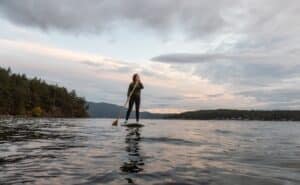
woman paddleboarding on a peaceful lake in the summer

If you’re looking to explore Vancouver Island’s lakes by paddle, these top picks offer calm waters, scenic surroundings, and convenient boat launches. Plus the size of these lakes means you’ll have lots of exploring to do!

Cowichan Lake: One of the largest lakes on the island, this peaceful spot is ideal for long-distance kayaking, paddling, and canoeing with multiple launch points.

Kennedy Lake: Nestled near Tofino and Ucluelet, this expansive lake is perfect for paddlers! Try to get out on the water early in the day when it’s mirror-still.

Westwood Lake: Just outside Nanaimo, this lake features a 6-km loop trail and calm waters ideal for SUP and short paddles.

Cameron Lake: Easily accessed via Hwy 4, this lake is popular for canoeing and even a bit of windsurfing when the breeze picks up.

Nitinat Lake: This windswept lake near the west coast is a thrilling destination for experienced paddlers and windsurfers alike.

Best Lakes for Fishing & Anglers

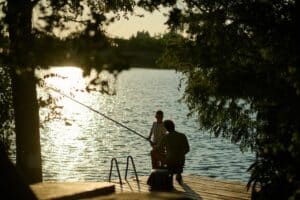
With healthy stocks of rainbow trout, smallmouth bass, and deep cool waters, these Vancouver Island lakes are favourites among local anglers.silhouette of man and child fishing on the dock of a lake

Sproat Lake: Located in Port Alberni, this deep, clear lake is renowned for trout fishing, shore casting, and trolling.

Spider Lake: Known as a smallmouth bass hotspot, it’s also a great spot for calm paddles and fishing from your kayak.

Comox Lake: A large lake with deep pockets of trout-rich waters. Excellent for anglers who want to fish by boat or from the shoreline.

Best for Boating & Watersports

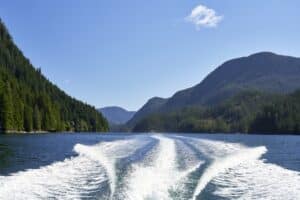
wake of a speedboat on the surface of a lake in the summertime

Ready to throttle up? These lakes offer excellent conditions for boating, waterskiing, tubing, and other water sports!

Cowichan Lake: With its sprawling shoreline, warm water, and numerous boat launches, it’s the ultimate boating destination.

Sproat Lake: Not just for anglers, this lake is known for smooth waters perfect for waterskiing and tubing.

Kennedy Lake: As the largest freshwater lake on the island, it has room for boats of all sizes and supports a wide variety of water sports.

Shawnigan Lake: With private docks and public day-use areas, this busy lake is a favourite for motorboats and tubing in the summer months.

Best for Hiking & Scenic Views

Some lakes aren’t just for

hiker on a rocky outcropping over a lake - hiking by a lake

swimming—they’re a destination for a hike, a viewpoint, or even a peaceful forest picnic. These lakes combine hiking trails, picnic tables, and backcountry charm.

Buttle Lake: Set within Strathcona Provincial Park, this backcountry lake is surrounded by rugged trails and alpine beauty. A top pick for hikers and campers.

Westwood Lake: Just minutes from Nanaimo, the trail circling this lake is perfect for walking, jogging, or cycling with lakeside views the whole way.

Thetis Lake: Besides great swimming, it features multiple interconnected hiking trails ideal for shaded summer walks.

Tips for the Ultimate Lake Day

Whether you’re exploring a remote campground or pulling into a day-use area with your cooler and towel, these tips will help you make the most of your lake visit!

  • Arrive early! Popular parking lots fill quickly, especially on summer weekends.
  • Pack essentials. Don’t forget your sunscreen, bug spray, towels and extra snacks for those long lake days!
  • Leave no trace! Respect these natural spaces, especially near First Nations lands. Take everything you brought to the lake out with you so you can leave it the same or better than you found it! 
  • Check regulations! Look for any advisories, especially concerning any advisories, boat launch, day use and campground availability.
  • Do your research! Some lakes are quiet and peaceful, others are ideal for fast-paced water sports. Plan accordingly!

Where to Stay Near Vancouver Island's Lakes

Looking for the perfect home base near Vancouver Island’s lakes? EMR Vacation Rentals offers a curated selection of Vancouver Island vacation homes, each designed to offer comfort, convenience, and a true west coast experience! Whether you’re visiting for a fun getaway or a multi-week retreat, our homes give you easy access to lake adventures across the region.

Cowichan Valley: Access top spots like Cowichan Lake and Shawnigan Lake, ideal for boating, paddling, and family getaways.

Nanaimo: Explore lakes like Westwood, Long Lake, and the surrounding Nanaimo Lakes for swimming, hiking, and summer recreation.

Greater Victoria & Saanich Peninsula: Perfect for accessing Thetis Lake, Elk/Beaver Lake, and other family-friendly lake parks.

Comox Valley: Stay near Comox Lake and take advantage of top-tier fishing, paddling, and trail access.

Parksville & Qualicum Beach: Ideal for visitors heading to Spider Lake, Horne Lake, and Cameron Lake.

Pacific Rim Region: Enjoy lakes like Kennedy Lake and Nahmint Lake while staying near Tofino, Ucluelet, and the heart of the west coast.

Many of our homes feature full kitchens, private patios, hot tubs, and extra space for gear like kayaks, paddleboards, or bikes. Whether you’re looking for a romantic retreat or a multi-family gathering, EMR has a property to match your style!

Book with confidence and get local expertise, guest support, and vacation rentals that feel like home!

Ready to Book Your Vancouver Island Lake Getaway?

From tranquil paddling spots to adrenaline-filled watersports havens, these Vancouver Island lakes offer something for every traveller. Whether you’re seeking a quiet beach or a lively campground, there’s a lake and a rental for you.

Explore our handpicked properties today and start your lakeside adventure with EMR Vacation Rentals.

A Traveler’s Guide to Public Transportation in Victoria, BC

Getting around a new city can be a challenge, but Victoria makes it refreshingly easy! 

While it doesn’t have a subway system or a train network like other major Canadian cities, Victoria’s public transportation is straightforward and reliable making it popular with locals and a great way for travellers to get around!

Public transportation in Victoria, BC is provided exclusively by BC Transit. Whether you’re commuting to UVic, catching a ferry in Swartz Bay, or simply exploring downtown Victoria, you’ll be using the bus system. If you’re staying in a vacation rental in Greater Victoria EMR Vacation Rentals in Oak Bay, Sooke, Sidney, or Metchosin, this guide will help you confidently plan your routes across Greater Victoria!

Quick Tips for Using Transit in Victoria

  • Always check NextRide for real-time bus tracking.

  • Use a DayPass if you plan to take more than two rides in a day.

  • Download the Umo App to simplify fare payment and trip planning.

  • TransLink is Metro Vancouver’s system — use it when continuing travel on the Mainland.

  • Plan your commute during peak hours in advance to avoid delays.

What Public Transit Looks Like in Victoria

Victoria’s public transportation is run by the Victoria Regional Transit System, a branch of BC Transit. There are no light rail trains or subways here — just buses. But don’t let that fool you. The system is robust, with bus stops scattered throughout the region including Colwood, James Bay, Royal Oak, Langford, Brentwood Bay, and Saanichton.

Why Take the Bus in Victoria?

  • DayPass and Bus Pass Options: Affordable single fares, daypasses, and monthly bus pass options. Kids 12 and under ride free.

  • U-Pass: If you’re a student at UVic or Royal Roads University, you’ll receive a U-Pass for unlimited rides.

  • Real-Time Tracking: Use NextRide to see when your bus will arrive.

  • Accessibility: Buses are equipped with low floors, ramps, and spots for strollers or mobility aids.

  • Bike Racks: Each bus comes with a bike rack, making multi-modal trips a breeze.

How to Plan Your Trip

closeup of a smartphone with a GPS map open on a map with pins in the map

Option 1: Google Maps

Just enter your starting point and destination into Google Maps and select the public transit icon. It’ll generate a step-by-step itinerary based on current schedules.

Option 2: BC Transit Tools

  • Visit bctransit.com/victoria to find schedules, maps, and alerts.
  • Search by route number if you already know the bus line.
  • Use the Umo App to pay fares, load your card, and track buses in real time.

Accessibility with handyDART

If you or a loved one has mobility challenges, handyDART is BC Transit’s door-to-door shared ride service for people unable to use regular buses. It’s fully accessible and only requires free registration to use.

Commuting Around the Region

Whether you’re commuting from Sidney to downtown Victoria, or from Langford to UVic, the transit service makes it easy to connect across the region! 

Buses serve:

  • Downtown Victoria

  • Oak Bay and James Bay

  • Langford and Colwood

  • Royal Oak and Brentwood Bay

  • Saanichton and Sooke

Most routes run seven days a week, with reduced service on holidays. If you’re commuting during rush hour, expect frequent service on major routes like #14 UVic or #50 Langford/Downtown.

Need to Catch a Ferry?

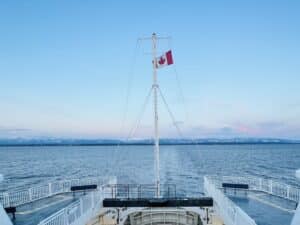
bright blue sky in front of a ferry off the coast of Vancouver Island flying a Canadian FlagVictoria doesn’t have a bus or train that connects directly to Vancouver, but it does have a very scenic ferry system.

  • BC Ferries: The Swartz Bay Ferry Terminal (near Sidney) connects you to Metro Vancouver, the Gulf Islands, and more. Bus routes run regularly to and from Swartz Bay.
  • Victoria Harbour Ferries: These adorable little water taxis operate in downtown Victoria and are a great way to visit different harbourside neighbourhoods. They’re not part of the transit system but offer a fun and scenic alternative

Where to Stay

If you’re planning to explore the Island, you’ll want to book a Vancouver Island vacation rental with us so you’ll always be close to a major bus route or transit hub!

Stunning Home


Whether you’re in a stylish condo in downtown Victoria, a serene oceanside retreat in Sooke, or a cozy cottage in Sidney, our homes offer the perfect base for your car-free adventure!


Explore our collection of well-located, fully equipped rentals across Greater Victoria and find your ideal home away from home!

Top 10 Hikes on Vancouver Island: Trails You Don’t Want to Miss!

Adventurous female hiker is enjoying a view of a waterfall during a foggy day.

Whether you’re a first-time visitor or a seasoned west coast explorer, Vancouver Island is a hiker’s paradise! From rugged coastal trails and ancient forests to alpine lakes and wildlife-rich estuaries, the Island offers some of the best hikes in British Columbia, all infused with the island’s signature wild beauty.

This curated list of top hikes spans the southern tip near Victoria and Sooke to the far reaches of Cape Scott and the Alberni Valley. Each trail has something unique to offer, from panoramic viewpoints to quiet forest paths. With options for every skill level, this guide will help you find the right trail for your next outdoor adventure, whether you’re chasing ocean views, rainforest solitude, or a bucket-list backcountry climb.

Looking for the perfect vacation rental on Vancouver Island? From waterfront stays to mountainside estates, we’ve got the very best of Vancouver Island right here!

Why Hike on Vancouver Island?

Rainforest meets rugged coastline

Vancouver Island’s trails wind through one of the world’s rare temperate rainforests. Towering Douglas firs, red cedars, and moss-covered maples dominate the landscape. Underfoot, ferns, salal, and mushrooms thrive in the damp, shady understory.

Wildlife and Seasons worth watching

Vancouver Island is home to black bears, Roosevelt elk, bald eagles, otters, and whales. Depending on the season and location, hikers may hear sea lions barking offshore or catch the flash of spawning salmon in a nearby stream.

Accessibility with adventure

Some of the most incredible scenery is just a short drive from towns and cities. Day hikes near Victoria and Sooke can feel worlds away, but they’re only 30 to 60 minutes from local shops and restaurants. That means visitors don’t need to be backcountry experts to enjoy wild, spectacular trails.

The 10 Best Hikes on Vancouver Island

Adventurous female is hiking Juan de Fuca Trail to Mystic Beach on the Pacific Ocean Coast during a sunny summer day. Taken near Port Renfrew, Vancouver Island, BC, Canada.Difficulty: Moderate
Time: 4 to 6 hours
Why We Love It: Coastal rainforest and remote beaches
Great For: Intermediate hikers, photographers, ocean lovers

This coastal segment of the Juan de Fuca Trail is rugged and unforgettable. Expect wooden walkways, tidal shelves, and the salty smell of the open Pacific. Sombrio Beach is a popular starting point and offers access to hidden waterfalls and surf breaks. Botanical Beach, at the other end, is famous for its tide pools filled with colourful marine life.

Difficulty: Hard
Time: 3 to 4 hours
Why We Love It: Big climb, quiet trail, panoramic summit views
Great For:  Locals, weekend hikers, and anyone looking for a challenging adventure close to Sooke.

This well-marked but rugged trail climbs steadily from the Sooke Potholes to the summit of Empress Mountain, the highest point in the Sea to Sea Regional Park. Along the way, hikers pass waterfalls, forest ponds, and scenic ridges before reaching sweeping views at the top. The final stretch includes a short rock scramble that isn’t technical, but can be challenging. Navigation is generally easy, though side trails are common, so it’s smart to bring a map or download one in advance.

Difficulty: Hard
Time: 2 to 3 hours
Why We Love It: A steep climb with massive views
Great For: Local hikers, sunrise chasers, fitness enthusiasts

Located just outside Victoria in Goldstream Provincial Park, this popular trail packs a punch! The climb is short but intense, leading to a rocky summit with panoramic views of the Saanich Peninsula and distant Olympic Mountains. Best tackled in dry weather, as parts of the route require scrambling on exposed rock.

Difficulty: Easy
Time: 1 to 2 hours
Why We Love It: Ocean views and easy access
Great For: Families, casual walkers, storm watchers

This well-maintained trail winds along the coast near Ucluelet, offering benches, interpretive signs, and incredible viewpoints at every turn. It’s an ideal introduction to west coast hiking, with the bonus of crashing surf, sea stacks, and potential whale sightings. Perfect for any age or ability.

The rocks surrounded by greenery in the Cape Scott Provincial Park in Vancouver, CanadaDifficulty: Easy to Moderate
Time: 2 to 3 hours round trip
Why We Love It: Remote beach, sea stacks, and wilderness quiet
Great For: Families, beginner hikers, landscape photographers

This trail offers one of the most iconic beach hikes on the island. After an easy walk through second-growth forest, hikers emerge onto a wide, sandy bay dotted with sea stacks. The trailhead is at the northern tip of Vancouver Island, making it ideal for those exploring beyond the usual tourist routes.

Difficulty: Moderate to Hard
Time: 4 to 6 hours
Why We Love It: Rugged coastal hiking at its finest
Great For: All-day hikers, nature lovers, oceanview fans

Winding through rocky bluffs, forest groves, and tidepools, this trail offers everything a coastal hike should. Located near Sooke, it’s easily accessible from Victoria but feels completely wild. Expect elevation changes, exposed rocks, and plenty of rewarding views across the Strait of Juan de Fuca.

Difficulty: Moderate
Time: 3 to 4 hours
Why We Love It: Panoramic views with a peaceful vibe
Great For: Up island hikers, solitude seekers, fall colour chasers

Less crowded than other summit hikes, this trail climbs through quiet forest to a lookout above Port Alberni. The reward is a sweeping view of the inlet and surrounding mountains. It’s especially beautiful in autumn, when the trees light up in gold and crimson.

Difficulty: Moderate to Hard
Time: 6 or more hours (day segment only)
Why We Love It: Access to Canada’s tallest waterfall
Great For: Strong hikers, Strathcona fans, waterfall hunters

Most visitors tackle this multi-day hike on a backpacking trek, but the first section is a rewarding day trip in its own right. After a boat shuttle across Great Central Lake, hikers venture into one of Vancouver Island’s most remote areas. Towering trees, alpine creeks, and glimpses of Della Falls make the effort worthwhile!

Difficulty: Hard
Time: 3 to 5 hours
Why We Love It: A local challenge with a stunning payoff
Great For: Nanaimo adventurers, training hikes, peak baggers

Rising behind the city of Nanaimo, Mount Benson is a classic summit hike with forested switchbacks and rocky climbs. At the top, hikers are treated to expansive views of the Strait of Georgia, Gulf Islands, and the city below. This is a popular trail, so start early for the best experience.

Difficulty: Easy
Time: 1 to 1.5 hours
Why We Love It: Waterfalls, bridges, and forest in one neat package
Great For: Families, new hikers, casual nature lovers

This scenic loop near Parksville takes visitors past a series of tumbling waterfalls and over several wooden bridges. The trail is short and easy, with picnic spots and plenty of photo opportunities. It’s a great way to experience the lush side of Vancouver Island without venturing far from town.

Difficulty: Very challenging
Time: 6 to 8 days (multi-day only)
Why We Love It: One of Canada’s most iconic wilderness hikes
Great For: Experienced backpackers with permits and reservations

Adventurous girl hiking Juan de Fuca Trail to Bear Beach on the Pacific Ocean Coast during a sunny and foggy summer morning. Taken near Port Renfrew, Vancouver Island, BC, Canada.The West Coast Trail is one of the most famous multi-day hiking routes in British Columbia. This 75-kilometre backcountry trail runs through Pacific Rim National Park Reserve and is strictly managed by Parks Canada to protect both hikers and the landscape.

Access to the trail is strictly controlled and only permitted with a valid reservation, backcountry use permit, and mandatory safety orientation. Entry and exit points are limited to Pachena Bay (temporarily closed as of Jan 2026), Gordon River (Port Renfrew Trailhead), and Balaats’adt (Nitinaht Village), and hikers should plan for multiple nights on the trail.

Please note: Carmanah Point and Pachena Point light stations are currently closed to the public by Superintendent Order.

The terrain is demanding, even for experienced hikers. Expect long ladder systems, deep mud, cable car river crossings, and rapidly changing coastal weather. Because of the logistics, safety requirements, and permitting process, the West Coast Trail should only be considered by well-prepared backpackers planning a full multi-day trip.

Visitors looking for coastal day hikes are encouraged to explore alternatives like the Juan de Fuca Trail or East Sooke Coast Trail, which offer dramatic ocean scenery without the same level of risk or regulation.

When is the Best Time to Hike on Vancouver Island?

Spring brings rushing waterfalls, wildflowers, and the return of migratory birds. Many trails are quieter and the weather is mild, though still wet.

Summer is the most popular season, with dry trails and longer daylight hours. High-elevation trails and alpine areas open up in July and August.

Fall offers crisp air, vibrant foliage, and fewer crowds. It’s one of the most underrated times to hike, especially in areas like the Alberni Valley or Strathcona Park.

Winter is ideal for low-elevation trails near Victoria, Sooke, and Ucluelet. Coastal hikes remain accessible, and storm watching adds drama to the views.

Always check local trail conditions and weather forecasts before heading out, especially between November and April.

What to Pack for a Day Hike on Vancouver Island

items being packed for a hike - jecket, boots, backpack, camera - Vancouver Island trailsWaterproof clothing
This rainforest lives up to its name! Even in the summer, it’s a good idea to bring a wind and waterproof jacket and a light layer underneath. In the winter, you’ll want to make sure you layer with technical material and have a good quality waterproof outer layer.

Good footwear
Sturdy hiking boots with ankle support are essential, especially on coastal or muddy trails! Consider hiking poles for longer hikes as you never know when tired legs will meet a technical section of the trail. 

Navigation tools
Even popular trails can have poor signage. A downloaded map, GPS app, or even a paper map if you can find one is smart to have!

Water and snacks
Always carry enough water, especially in remote areas where streams may not be safe to drink from. If you’re going on long hikes, you’ll want to bring some iodine tablets with you to clean the water from streams and rivers that you find.

Bear spray and whistle
Dangerous wildlife encounters are rare but always possible in this wilderness! If you’re in a very remote area, you may want to make noise on the trail and it’s always a good idea to hike in groups when possible.

Extra socks
Dry feet can make all the difference, especially on wet or boggy trails!

Ready to Explore the Best Hiking Trails on Vancouver Island?

From rain-soaked forests to windswept ridgelines, Vancouver Island’s trails offer a hiking experience like no other. Whether you’re travelling with family, seeking solitude, or chasing views, there’s a trail waiting to be discovered.

Hot tub with amazing views.

Book your stay with EMR Vacation Rentals and find the perfect home base on Vancouver Island! With full kitchens, hot tubs, and plenty of space to relax after a day on the trail, EMR has everything needed for a comfortable and scenic getaway. Start planning your island adventure today!

The Best Beaches on Vancouver Island: Find the Right Beach for Your Getaway

person in a red jacket sitting on a beach on Vancouver Island

Vancouver Island is home to hundreds of beaches, and no two offer quite the same experience. Some are known for warm, sandy shorelines and shallow water, while others are rugged stretches of coastline where you’ll find driftwood, tide pools, waterfalls, and crashing Pacific waves. The best beach depends on the kind of getaway you’re looking for.

As a local vacation rental company, we spend a lot of time helping guests decide where to stay based on how they want to experience Vancouver Island. Whether you’re planning a family beach vacation, looking for quiet coastal walks, or hoping to catch your first wave, this guide highlights the beaches we most often recommend throughout the regions we know best.

Oceanfront Oasis Main Image

Stay Close to the Best Beaches

Whether you’re dreaming of sandy family beaches, rugged west coast shorelines, or quiet seaside escapes, you’ll find professionally managed vacation rentals throughout Vancouver Island, making it easy to stay close to the beaches that best match your travel style.

Which Vancouver Island Beach Region Is Right for You?

One of the things that makes Vancouver Island special is how dramatically the coastline changes from one region to the next. The beaches around Victoria feel completely different from those in Parksville, Sooke, or the west coast. Choosing the right region often means you’ll spend less time driving and more time enjoying exactly the kind of beach experience you’re looking for.

Region Beach Style Best For Don’t Miss
Greater Victoria Urban beaches with sand, pebbles, rocky shoreline and waterfront parks. Swimming, paddleboarding, sightseeing and cafés. Willows Beach, Gonzales Beach, Island View Beach.
Sooke & Juan de Fuca Rugged coastline with driftwood, tide pools and pebble beaches. Hiking, photography and marine life. Botanical Beach, China Beach, Mystic Beach, French Beach.
Cowichan Valley Sheltered bays and quiet seaside communities. Kayaking, relaxing and birdwatching. Cherry Point Beach, Cowichan Bay, Maple Bay.
Parksville & Qualicum Beach Wide sandy beaches and expansive tidal flats. Families, swimming and sandcastle building. Rathtrevor Beach, Parksville Community Beach, Qualicum Beach.
Nanaimo Rocky coves and protected waterfront parks. Picnics, kayaking and sunset walks. Neck Point Park, Piper’s Lagoon, Blueback Beach.
Comox Valley Long sandy beaches with mountain views. Beachcombing, picnics and wildlife viewing. Miracle Beach, Saratoga Beach, Kye Bay.
West Coast Expansive Pacific surf beaches. Surfing and storm watching. Chesterman Beach, Long Beach, Cox Bay.
North Island Remote wilderness coastline. Hiking and photography. San Josef Bay.

Waterfront PropertiesWe’ve Got the Best Beach Getaways

Whether you’re dreaming of sandy family beaches, rugged west coast shorelines, or quiet seaside escapes, you’ll find professionally managed homes throughout Vancouver Island.

Explore Oceanfront Homes

Greater Victoria Beaches

view of the ocean from Dallas Road Victoria, BCIf you enjoy spending the morning at the beach before wandering through neighbourhood cafés, local shops, or the Inner Harbour, Greater Victoria offers some of the island’s most accessible beaches. You’ll find a mix of sandy stretches, pebble beaches, and rocky shoreline, all within a short drive of downtown.
Willows Beach

Quick Look
  • Best for: Families, swimming and paddleboarding
  • Beach type: Sand with some pebbles
  • Facilities: Washrooms, playground and picnic areas
  • Good to know: Calm summer waters make it a local favourite.

Willows Beach is one of the beaches we recommend most often to guests staying in Victoria. The protected bay creates calmer conditions than many other beaches on the island, making it a comfortable spot for swimming, paddleboarding, and spending an afternoon by the water. The surrounding Oak Bay neighbourhood also makes it easy to grab lunch or coffee before or after your visit.

EMR Local Tip: Summer mornings are usually the calmest time to paddleboard before afternoon winds begin to build.

Gonzales Beach

Quick Look
  • Best for: Swimming and sunset views
  • Beach type: Sandy cove
  • Facilities: Limited parking
  • Good to know: Popular with locals on warm evenings.

Tucked into one of Victoria’s oldest neighbourhoods, Gonzales Beach feels surprisingly peaceful considering how close it is to downtown. Its sheltered location and gentle slope make it one of the city’s better swimming beaches during the summer months.

Island View Beach Regional Park

Quick Look
  • Best for: Long walks, birdwatching and beachcombing
  • Beach type: Sand and pebbles
  • Facilities: Parking, picnic areas and washrooms
  • Good to know: One of the longest beaches in Greater Victoria.

Located on the Saanich Peninsula, Island View Beach offers wide open shoreline with views across Haro Strait toward the Gulf Islands. It’s an excellent choice if you’re looking for more space to spread out while still staying close to Victoria.

Sooke & Juan de Fuca Beaches

As you travel west from Victoria, the coastline changes quickly. Sandy city beaches give way to rugged shoreline, driftwood-covered coves, waterfalls, and some of the island’s best tide pools. This is where we send guests looking for a classic west coast experience without driving all the way to Tofino.

Botanical Beach

Quick Look
  • Best for: Tide pools and marine life
  • Beach type: Rocky shoreline
  • Facilities: Parking and trail access
  • Good to know: Best explored around low tide.

Botanical Beach is one of Vancouver Island’s most remarkable coastal ecosystems. At low tide, the rock shelves fill with colourful sea stars, anemones, and other marine life, creating one of Canada’s best tide pooling experiences. It’s worth planning your visit around the tide tables to make the most of the trip.

EMR Local Tip: Arrive within two hours of low tide to safely explore the tide pools before the ocean returns.

China Beach

Quick Look
  • Best for: Beach walks and relaxing
  • Beach type: Pebbles and sand
  • Facilities: Parking and washrooms
  • Good to know: A short forest trail leads to the beach.

China Beach combines an easy walk through old-growth forest with sweeping views across the Strait of Juan de Fuca. It’s quieter than many of the island’s better-known beaches and is a wonderful place to spend a slow afternoon exploring the shoreline.

Mystic Beach

Quick Look
  • Best for: Hiking and photography
  • Beach type: Pebble beach
  • Facilities: Trailhead parking
  • Good to know: Moderate forest hike required.

Reaching Mystic Beach is part of the experience. The forest trail leads through lush coastal rainforest before opening onto a secluded beach where a waterfall spills over the cliffs onto the shoreline. It’s one of the most memorable day trips from Sooke.

French Beach Provincial Park

Quick Look
  • Best for: Picnics and wildlife viewing
  • Beach type: Pebbles and driftwood
  • Facilities: Picnic areas and washrooms
  • Good to know: Excellent place to watch for seals and seabirds.

French Beach offers a little bit of everything that makes this stretch of coastline special. Families enjoy the open grassy picnic areas while photographers often come for the dramatic shoreline and changing weather rolling in from the Pacific.

Cowichan Valley Beaches

Cowichan Valley offers a quieter coastal experience than many visitors expect. Instead of long stretches of open shoreline, you’ll find sheltered bays, small seaside communities, and beaches where it’s easy to slow down and enjoy a relaxed afternoon by the water. It’s a great region for kayaking, wildlife watching, and combining a beach day with wineries, markets, or waterfront dining.

Cherry Point Beach

view of a beach atttached to a home in the Cowichan Valley - Cherry Point Beach Quick Look
  • Best for: Picnics and quiet beach days
  • Beach type: Pebble and mixed shoreline
  • Facilities: Limited
  • Good to know: Often much quieter than beaches farther north.

Cherry Point Beach is a peaceful place to enjoy the Salish Sea without the crowds. Gentle waves, driftwood, and open coastal views make it a favourite for reading, enjoying a picnic, or simply relaxing by the water.

Cowichan Bay

View of Cowichan Bay from Salithan Tree House - Cowichan Valley vacation rentals Quick Look
  • Best for: Kayaking and waterfront strolls
  • Beach type: Working waterfront
  • Facilities: Restaurants, cafés and public docks
  • Good to know: Pair your visit with lunch in the village.

While Cowichan Bay is better known for its waterfront village than its sandy beaches, the shoreline offers plenty to explore. Launch a kayak, watch fishing boats come and go, then wander through one of Vancouver Island’s most charming seaside communities.

Maple Bay

Quick Look
  • Best for: Swimming and boating
  • Beach type: Sheltered bay
  • Facilities: Marina, washrooms and nearby cafés
  • Good to know: Calm water makes it popular throughout summer.

Maple Bay is one of the Cowichan Valley’s best places to enjoy a warm afternoon on the water. Its protected location often means calmer conditions for swimming, kayaking, and paddleboarding.

Parksville & Qualicum Beach Beaches

For families, it’s hard to beat the beaches around Parksville and Qualicum Beach. Protected by the Salish Sea, these beaches are known for warm, shallow water, enormous tidal flats, and soft sand that seems to stretch for kilometres at low tide. If you’re travelling with young children, this is one of the first regions we recommend.

Rathtrevor Beach Provincial Park

Kye Bay sandy beach at your back door.

Quick Look
  • Best for: Families, swimming and sandcastle building
  • Beach type: Wide sandy beach
  • Facilities: Washrooms, picnic areas and campground
  • Good to know: One of Canada’s largest tidal flats.

Rathtrevor Beach is one of Vancouver Island’s best-known beaches, and for good reason. At low tide, the ocean recedes hundreds of metres, creating an enormous sandy playground where children can explore tidal pools, play beach games, and walk far out onto the flats.

EMR Local Tip: Plan your visit for about two hours before low tide to enjoy the longest beach walks and the best tide pooling.

Parksville Community Beach

Quick Look
  • Best for: Families and summer beach days
  • Beach type: Sand
  • Facilities: Playground, picnic shelters and washrooms
  • Good to know: Home to the annual Parksville Beach Festival.

Located beside the Parksville waterfront, this beach combines soft sand with plenty of nearby amenities. It’s easy to spend an entire day here between the playground, boardwalk, cafés, and waterfront parks.

Qualicum Beach

Quick Look
  • Best for: Beach walks and relaxing
  • Beach type: Sand and pebbles
  • Facilities: Waterfront promenade and nearby shops
  • Good to know: Quieter than neighbouring Parksville.

Just north of Parksville, Qualicum Beach offers a more relaxed atmosphere while still providing beautiful shoreline and sweeping ocean views. The waterfront promenade is ideal for a morning walk before exploring the town’s cafés and boutiques.

Nanaimo Beaches

view of Nanaimo from the ocean

Nanaimo’s beaches are often overlooked, but they offer a wonderful mix of protected coves, rocky shoreline, and waterfront parks. They’re perfect for travellers who want to combine outdoor recreation with exploring the city’s restaurants, shops, and harbour.

Neck Point Park

Quick Look
  • Best for: Wildlife viewing and coastal walks
  • Beach type: Rocky shoreline
  • Facilities: Walking trails and parking
  • Good to know: Keep an eye out for seals and sea lions.

Neck Point Park is one of Nanaimo’s most scenic waterfront parks, with walking trails that weave between rocky headlands and sheltered coves. It’s a great place to watch the tides or spend an evening enjoying the sunset.

Piper’s Lagoon Park

Quick Look
  • Best for: Families and exploring
  • Beach type: Sand and rock
  • Facilities: Parking and walking trails
  • Good to know: Accessible at most tide levels.

Piper’s Lagoon is a favourite among locals thanks to its calm water and interesting shoreline. Children love exploring the rocks and tidal pools, while photographers appreciate the panoramic views across the Salish Sea.

Blueback Beach

Quick Look
  • Best for: Swimming and quiet afternoons
  • Beach type: Pebble beach
  • Facilities: Limited
  • Good to know: A peaceful alternative to busier waterfront parks.

Blueback Beach offers a quieter setting where visitors can enjoy the ocean without the larger crowds found elsewhere around Nanaimo.

Comox Valley Beaches

The Comox Valley combines long sandy beaches, mountain views, and a slower pace that makes it easy to spend an entire day outdoors. These beaches are popular for picnics, beachcombing, wildlife watching, and simply enjoying the scenery.


Miracle Beach Provincial Park

Quick Look
  • Best for: Families and picnics
  • Beach type: Sand with driftwood
  • Facilities: Campground, picnic areas and washrooms
  • Good to know: Excellent for exploring at low tide.

Miracle Beach is one of the Comox Valley’s best-loved provincial parks. The broad shoreline, driftwood, and calm water make it a comfortable place to spend an afternoon with family while exploring the tidal flats.

Saratoga Beach

Quick Look
  • Best for: Swimming and paddleboarding
  • Beach type: Long sandy beach
  • Facilities: Nearby services
  • Good to know: One of the warmest beaches in the region.

Saratoga Beach is known for its soft sand and relatively warm water during the summer. It’s an excellent choice for swimming, paddleboarding, or simply relaxing with views across to the mainland mountains.

Kye Bay

Quick Look
  • Best for: Beachcombing and watching the tides
  • Beach type: Sand
  • Facilities: Limited
  • Good to know: The beach becomes enormous at low tide.

Kye Bay offers one of the widest sandy shorelines in the Comox Valley when the tide is out. It’s a wonderful place for long walks, birdwatching, and letting children explore the shallow water.

Honourable Mentions: Vancouver Island’s Iconic West Coast Beaches

Chesterman Beach Clayoquot Sound near Tofino on Vancouver Island; British Columbia, Canada.

No guide to Vancouver Island’s beaches would be complete without mentioning the legendary surf beaches around Tofino and the Pacific Rim. While our focus is on the regions we know best, these beaches are well worth adding to your itinerary if you’re exploring the island’s west coast.

Chesterman Beach

Known for consistent surf, wide sandy shoreline, and spectacular Pacific sunsets, Chesterman Beach has earned its reputation as one of Canada’s premier surfing destinations.

Long Beach

Located within Pacific Rim National Park Reserve, Long Beach stretches for more than 16 kilometres and is equally popular for surfing, storm watching, and beach walks.

Cox Bay

A favourite among experienced surfers, Cox Bay delivers powerful waves and dramatic coastal scenery throughout the year.


Northern Vancouver Island

San Josef Bay

Quick Look
  • Best for: Hiking and photography
  • Beach type: White sand and sea stacks
  • Facilities: None
  • Good to know: Remote location within Cape Scott Provincial Park.

If your travels take you to Northern Vancouver Island, San Josef Bay is one of the island’s most memorable beaches. Reached by a forest trail through Cape Scott Provincial Park, its white sand, sea stacks, and remarkably untouched setting reward visitors willing to make the journey.

EMR Local Tip: Bring everything you need for the day. This is a remote area with very limited services nearby.

Frequently Asked Questions

Which Vancouver Island beaches are best for families?

Rathtrevor Beach, Parksville Community Beach, Willows Beach, and Miracle Beach are among our favourite family-friendly beaches thanks to their calm water, easy access, and nearby amenities.

Which beaches are best for swimming?

Willows Beach, Gonzales Beach, Saratoga Beach, Maple Bay, and Rathtrevor Beach generally offer some of the calmest swimming conditions during the summer months.

Where can I find tide pools?

Botanical Beach is Vancouver Island’s best-known destination for tide pooling, while Rathtrevor Beach and Piper’s Lagoon also offer excellent opportunities to explore marine life at low tide.

Can you surf on Vancouver Island?

Yes. Chesterman Beach, Cox Bay, and Long Beach are internationally recognized surf destinations, attracting beginners and experienced surfers throughout the year.

What is the warmest beach on Vancouver Island?

The protected waters around Parksville, Qualicum Beach, and Saratoga Beach are generally considered some of the warmest places to swim on Vancouver Island during the summer.

What should I pack for a Vancouver Island beach day?

Even on warm summer days, we recommend bringing layers, sunscreen, water shoes for rocky beaches, and a towel or blanket. If you’re visiting Botanical Beach or Rathtrevor Beach, checking the tide tables before you leave will help you make the most of your visit.

Where to Stay Near Vancouver Island’s Best Beaches

One of the best parts of exploring Vancouver Island is that every region offers a different coastal experience. Whether you’re planning family beach days in Parksville, exploring the rugged shoreline around Sooke, relaxing on Victoria’s waterfront, or discovering the quieter beaches of the Comox Valley, staying nearby gives you more time to enjoy everything the coast has to offer.

Our professionally managed vacation rentals are located throughout Vancouver Island’s most sought-after destinations, making it easy to find a comfortable home base close to the beaches that match your travel style.

exterior view of the whole vacation rentalWhether you’re dreaming of sandy family beaches, rugged west coast shorelines, or quiet seaside escapes, you’ll find professionally managed vacation rentals throughout Vancouver Island.