Fall on Vancouver Island: A Local Guide to Autumn Adventures

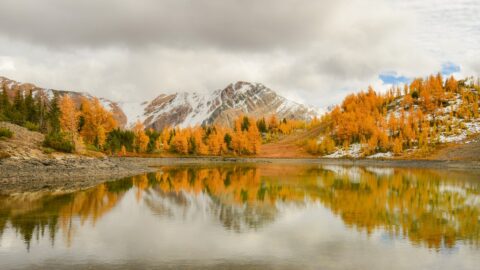
goldstream provincial park - fall vancouver island

By the EMR Vacation Rentals Team | Local Vancouver Island accommodation specialists

Fall on Vancouver Island brings crisp mornings, mild afternoons, quieter trails and a slower pace after the busy summer season. September often feels like an extension of summer, October brings cooler walking weather and more autumn colour, and November marks the transition toward the Island’s wetter coastal winter.

It is an especially rewarding time to explore Greater Victoria, Sooke, the Cowichan Valley, Nanaimo, Parksville and Qualicum Beach, and the Comox Valley. You can watch salmon return to local rivers, walk beneath changing maples and towering evergreens, visit wineries and cideries, or settle into a café when the rain rolls in.

With professionally managed vacation rentals across many of these regions, EMR makes it easy to choose a comfortable home base and experience Vancouver Island at your own pace.
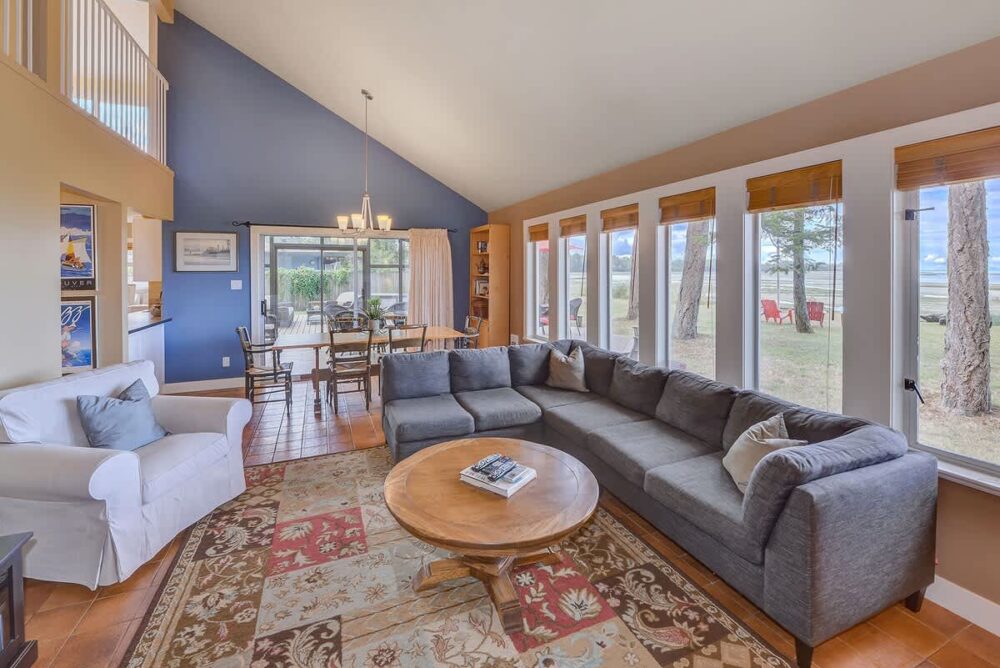
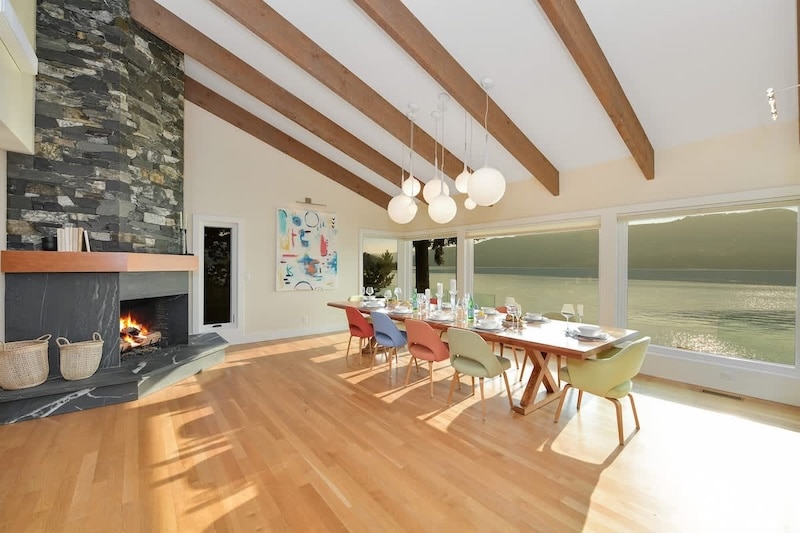
Living room space to enjoy with fantastic views.

Explore Vancouver Island Vacation Rentals

Quick Look: Fall on Vancouver Island Best time to visit: September and October for milder weather and outdoor activities; November for a quieter, rainier coastal experience Best for: Hiking, road trips, salmon runs, food and drink, heritage attractions and longer stays Typical conditions: Changeable weather, with cooler mornings, mild afternoons and increasing rain later in the season What to pack: Waterproof jacket, layers, water-resistant footwear and a flexible itinerary Good home bases: Victoria, Sooke, Cowichan Valley, Nanaimo, Parksville and Qualicum Beach, and Comox Valley Pairs well with: A scenic drive, an outdoor walk and one weatherproof activity each day

What Is Vancouver Island Like in the Fall?
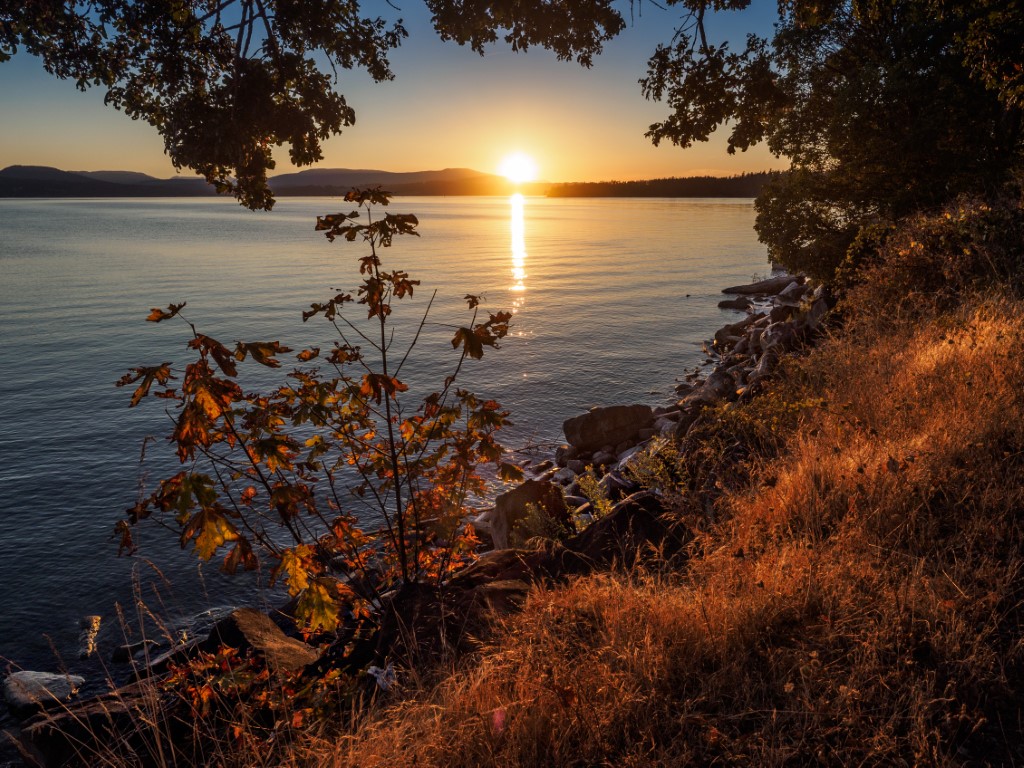
sunset through the trees on Vancouver islandFall on Vancouver Island is generally mild, but conditions vary by month and region. Early September can still bring warm, dry afternoons. By October, mornings are cooler, daylight hours are shorter and rain becomes more common. November tends to be wetter and windier, particularly on exposed coastlines.

Vancouver Island does not transform into one uninterrupted display of red and gold. Much of the landscape remains green because of its coniferous forests. The contrast is part of the appeal: Japanese maples, Garry oaks and other deciduous trees add pockets of colour among deep green firs, cedars and moss-covered forest floors.

In our experience helping guests plan stays across the Island, the best fall itineraries leave room for the weather. A rainy morning does not have to derail the day. It may simply mean visiting a museum or heritage site first, then heading outside when the clouds lift.

The EMR Fall Planning Formula

Rather than building every day around a fixed schedule, we recommend planning three layers:

  1. Choose one outdoor anchor. Make a park, garden, beach walk or scenic drive the main experience of the day.
  2. Add one weatherproof backup. Keep a museum, heritage site, café or tasting room nearby in case the forecast changes.
  3. Leave one flexible day. Use it for the clearest forecast, the salmon run, a longer drive or the activity you discover after arriving.

This simple approach works particularly well in fall because Vancouver Island weather can change quickly, even within the same region.

Best Things to Do on Vancouver Island in the Fall

1. Take a Fall Walk or Hike

Young, blonde woman wearing light layers and a touque in the forest surrounded by ferms - pacific northwest fashion, packing, what to wear

Cooler temperatures and quieter trails make autumn one of our favourite hiking seasons. Conditions can become muddy or slippery after rain, so sturdy footwear and an early start are worthwhile. For more ideas across the Island, explore our guide to the top hikes on Vancouver Island.

Goldstream Provincial Park, near Langford Goldstream combines accessible forest walks, waterfalls, towering trees and one of the South Island’s best-known salmon runs. It is a convenient excursion from Victoria or the Westshore and offers options for both short walks and more demanding hikes. Best for: Families, nature lovers and salmon viewing | Pairs well with: A warm drink or meal in Langford after the walk

East Sooke Regional Park East Sooke offers rugged shoreline, forest trails, small coves and broad views across the water. The park has approximately 50 kilometres of trails, ranging from approachable walks near Aylard Farm to challenging coastal routes. Choose a route that matches your experience and available daylight. Best for: Coastal scenery and longer hikes | Pairs well with: A stay in Sooke or the Westshore

Beacon Hill Park and the Dallas Road waterfront, Victoria For an easy urban outing, begin among the Garry oaks and gardens of Beacon Hill Park, then continue toward the waterfront. The Dallas Road path offers ocean views and easy access to James Bay, Fairfield and Cook Street Village. Best for: A flexible half-day in Victoria | Pairs well with: Lunch or coffee in Cook Street Village

Englishman River Falls and Little Qualicum Falls These provincial parks near Parksville and Qualicum Beach offer forested trails and dramatic river scenery. Wet leaves, roots and rock can make trails slippery, so check current park advisories and walk carefully after heavy rain. Best for: Waterfalls and forest walks | Pairs well with: A Parksville or Qualicum Beach getaway

2. See the Salmon Run

The annual salmon return is one of Vancouver Island’s defining fall experiences. Timing varies by river, species and seasonal conditions, but October and November are generally the key months at many viewing locations.

Goldstream Provincial Park is one of the most accessible places to learn about the run near Victoria. Farther north, Englishman River Falls and Little Qualicum Falls are also associated with seasonal salmon activity. Always use established trails and viewing areas, keep dogs controlled where required, and never enter spawning channels or disturb fish.

Salmon also attract eagles and other wildlife. Observe from a respectful distance, carry out everything you bring and follow current park guidance.

3. Explore Gardens and Heritage Sites
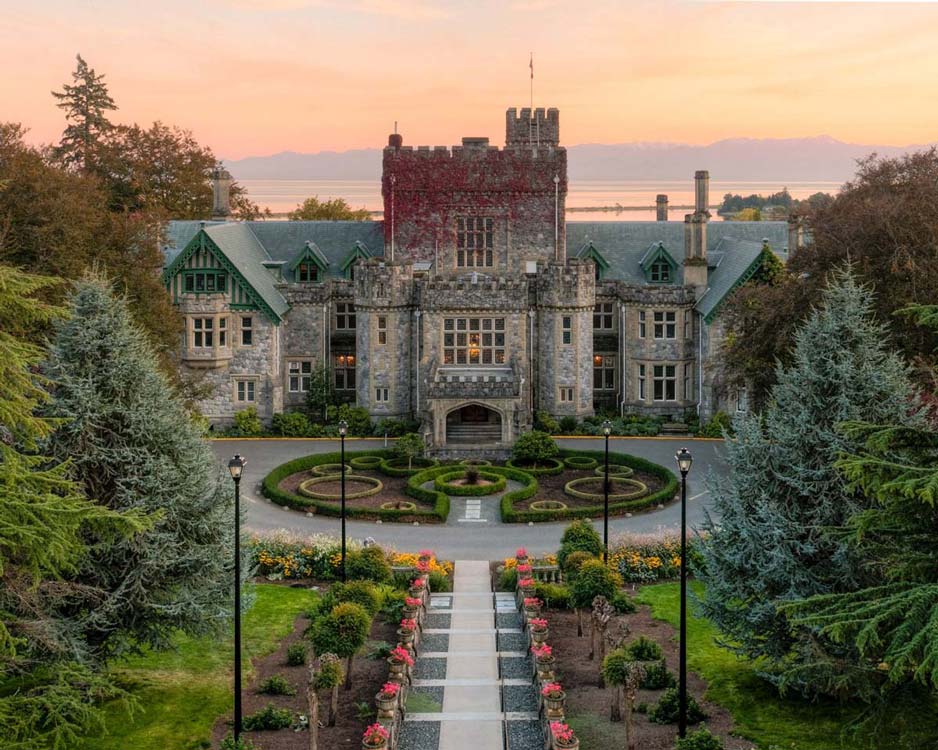
Fall weather is ideal for pairing an outdoor attraction with an indoor or sheltered experience.

At The Butchart Gardens in Brentwood Bay, autumn colour is especially noticeable in the Japanese Garden, where maples add rich reds and golds to the landscape. Because hours and admission change seasonally, check the official schedule before visiting.

In Greater Victoria, Craigdarroch Castle, the Royal BC Museum and the Parliament Buildings offer reliable options when the rain arrives. Hatley Castle and Hatley Park in Colwood provide historic architecture and landscaped grounds, although access and tours vary, so confirm what is open before making the trip. Our guide to Victoria’s top heritage sites can help you choose which stops to add to your day.

Victoria’s compact centre also makes it easy to combine heritage and food. Walk through Chinatown and Fan Tan Alley, visit the Inner Harbour and stop for lunch without committing to a long drive.

4. Plan a Scenic Fall Drive
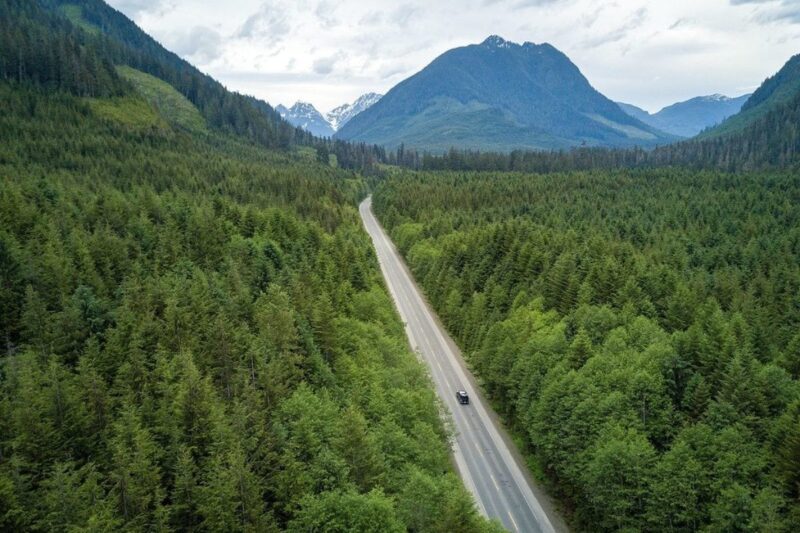
Autumn road trips come with lighter traffic than the height of summer, but they also require more attention to daylight, rain and road conditions.

Cowichan Valley loop Build a relaxed day around Duncan, Cowichan Bay, Cobble Hill and the surrounding agricultural communities. Depending on seasonal hours, you can combine one of the Cowichan Valley wineries with a cidery or farm stop, the Kinsol Trestle or a waterfront walk in Cowichan Bay. Best for: Food, wine and gentle sightseeing | Pairs well with: A Cowichan Valley stay so no one has to rush back to Victoria

Pacific Marine Circle Route This southern Vancouver Island loop connects Victoria, Sooke, Port Renfrew and the Cowichan Valley. It is beautiful, but it is not a quick sightseeing circuit.

Good to Know: Roads can be narrow or rough in places, services are limited on some stretches and daylight fades earlier in fall. Treat the Pacific Marine Circle Route as a full-day trip, or divide it over multiple days.

Best for: Experienced road trippers who enjoy remote coastal scenery | Pairs well with: Overnight stops in Sooke and the Cowichan Valley

Nanaimo to the Comox Valley The east coast route makes it easy to connect Nanaimo, Parksville, Qualicum Beach, Courtenay and Comox. Beaches, forest walks, small-town stops and restaurants can all fit into the day, but choosing two or three priorities will make the drive more enjoyable. Best for: Travellers exploring Central Vancouver Island | Pairs well with: A multi-stop stay or a longer monthly rental

Local Planning Note: Tofino, Ucluelet and northern Vancouver Island can be inspiring additions to a larger road trip, but they are not close day trips from EMR’s primary rental regions. If they are part of your itinerary, plan separate accommodation and check driving conditions before leaving.

5. Taste the Fall Harvest
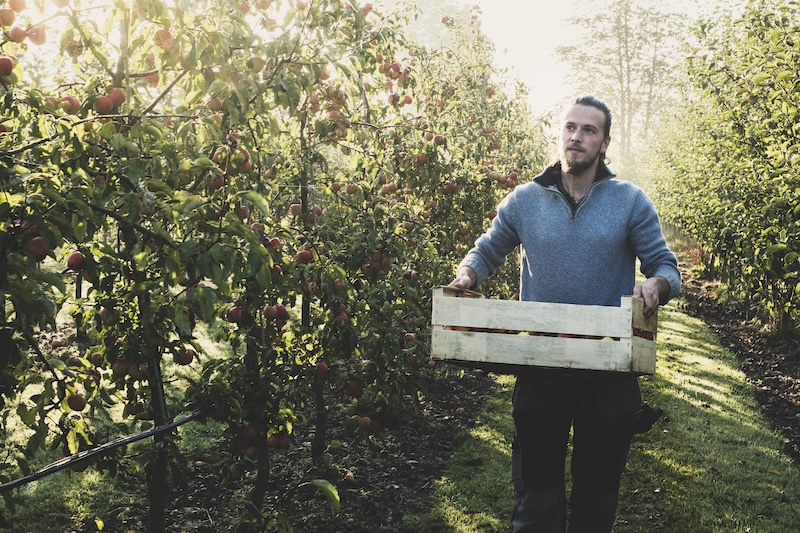
Man standing in apple orchard, holding crate with apples. Apple harvest in autumn.Fall is an excellent time to explore Vancouver Island’s food and drink. The Cowichan Valley is known for wineries, cideries, farms and restaurants that draw from the surrounding region. Greater Victoria, Nanaimo and the Comox Valley also have strong craft brewery and dining scenes. The Vancouver Island Ale Trail and Vancouver Island Cider Path are useful starting points, and Sea Cider is an easy addition to a Saanich Peninsula day.

Seasonal hours can change after summer, particularly at rural tasting rooms and farm businesses. Confirm opening times and reservation requirements before driving out. If your day includes alcohol, choose a designated driver, join a tour or stay nearby.

For a low-key alternative, visit a bakery or café, pick up local ingredients and make dinner in your vacation rental. A full kitchen is especially useful on cool evenings when staying in feels like part of the trip rather than a compromise.

If you would rather let someone else cook, use our local guides to find restaurants in Qualicum Beach, Parksville, the Comox Valley, Nanaimo and Sidney. Early risers can also explore our guide to the best breakfast in Nanaimo.

6. Celebrate Halloween and the Cosier Side of Fall

Cheerful family on the farm. Parenting and childhood. Motherhood. Autumn Thanksgiving Day. Outdoor games. Harvesting at farm. Vacation home.By October, pumpkin patches, corn mazes, ghost tours and family Halloween events begin appearing across Greater Victoria and the Cowichan Valley. Event dates, age recommendations and ticket requirements change every year, so use EMR’s current Halloween guide once the annual listings are confirmed.

You do not need a scheduled event to enjoy the season. A blustery waterfront walk, a heritage attraction, a bookstore visit or a slow dinner can be just as memorable. In November, the quieter pace becomes one of the Island’s biggest advantages.

Which Vancouver Island Fall Experience Is Right for You?

If you want… Choose… Stay near…
Easy walks, museums and restaurants Beacon Hill Park, Dallas Road and central Victoria Downtown Victoria, James Bay, Fairfield or Oak Bay
Rugged coastline and forest trails East Sooke Regional Park Sooke or the Westshore
Salmon viewing and waterfalls Goldstream Provincial Park Langford, Colwood or Victoria
Wineries, cideries and farm stops Cowichan Valley Duncan, Cowichan Bay or nearby communities
Beaches and waterfall day trips Parksville and Qualicum Beach Parksville or Qualicum Beach
Food, forest and a Central Island base Nanaimo or the Comox Valley Nanaimo, Courtenay or Comox
 

What to Pack for Vancouver Island in the Fall

suitcase packed with fall clothes, camera - fall adventure travelPack for changes rather than one fixed forecast:

  • A waterproof jacket with a hood
  • Light layers that can be added or removed
  • Water-resistant walking shoes or hiking boots
  • Warm socks and a spare pair for longer outings
  • A small daypack with water and snacks
  • A portable charger
  • A headlamp for rural walks or trail days
  • Binoculars for wildlife viewing

Before hiking or driving, check the forecast, park advisories and local road conditions. Cell service can be limited in rural and coastal areas, so download directions in advance.

Stay Longer and Experience More

Fall is well suited to a longer Vancouver Island stay. With fewer peak-season crowds and a mix of outdoor and indoor activities, you can explore at a slower pace, work remotely between outings or use a furnished rental as a comfortable base while relocating.

EMR’s monthly furnished rentals offer the space and everyday conveniences that make extended stays easier, including full kitchens and separate living areas in many homes. Availability and minimum-stay requirements vary by property.
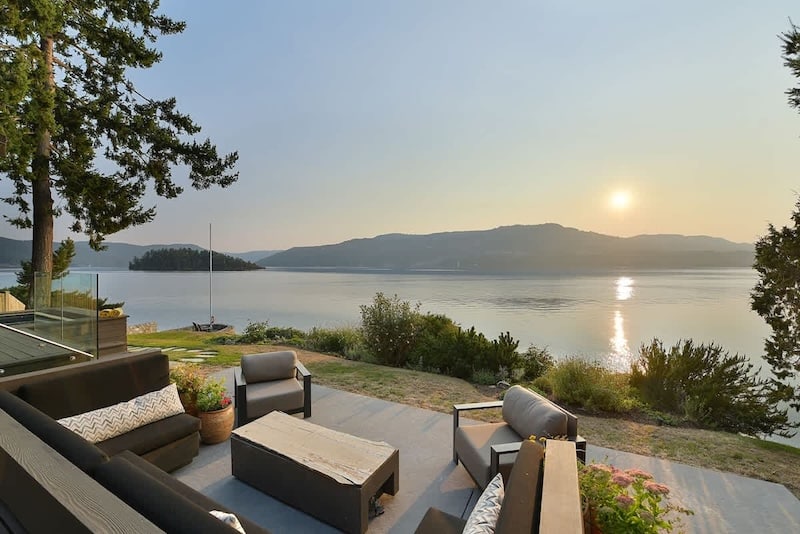
view of the ocean from Luxury Oceanside home's patio

Explore Monthly Furnished Rentals


Frequently Asked Questions About Fall on Vancouver Island

When is the best time to visit Vancouver Island in the fall?

September and October are generally the best months for mild weather, hiking and scenic drives. November is quieter and wetter, making it better suited to flexible itineraries, indoor attractions and cosy coastal stays.

Fall weather is mild but changeable. September can still feel summery, while October brings cooler mornings and more rain. November is typically wetter and windier. Conditions vary across the Island, so check the local forecast for the region you plan to visit.

Good options include Beacon Hill Park, The Butchart Gardens, Goldstream Provincial Park and neighbourhood streets throughout Greater Victoria. The Island remains predominantly green, with colourful maples and deciduous trees appearing among its evergreen forests.

Goldstream Provincial Park is a popular and accessible viewing location near Victoria. Rivers near Parksville and Qualicum Beach, including the Englishman and Little Qualicum, are also associated with fall salmon runs. Timing varies, so check current local information before visiting.

Yes. Roads and attractions are often quieter than in summer, but travellers should plan around shorter daylight hours, rain and reduced seasonal services. Avoid overloading the itinerary and confirm opening hours in rural communities.

Where to Stay for a Fall Vancouver Island Getaway

The right home base depends on the experience you want. Stay in Victoria for walkable neighbourhoods, museums, restaurants and easy day trips. Choose Sooke for rugged coastline, the Cowichan Valley for food and wine, Parksville and Qualicum Beach for beaches and waterfall excursions, or Nanaimo and the Comox Valley for Central Island exploring.

EMR Vacation Rentals offers professionally managed homes across Vancouver Island, from urban condos to spacious coastal retreats. Booking directly gives you access to local support and a team that knows the homes and the regions they serve.
Ready to Plan Your Fall Vancouver Island Getaway?
Professionally managed stays for effortless Vancouver Island getaways.Find Your Fall Home Base with EMR Vacation Rentals

Best Places to Live on Vancouver Island

girl enjoying the view of a rocky coast - wild pacific trail - BC

There are lots of reasons to move to Vancouver Island, British Columbia – we have the mildest climate in Canada, breathtaking natural beauty, year-round outdoor activities, low crime rates, robust healthcare, quaint small towns, a thriving artistic community and incredible food and drink. But when you’re thinking about where to live on Vancouver Island, that can get tricky. No matter where you choose to live, each city and town has pros and cons so to help narrow it down, we’ve made a list of the very best places to live on Vancouver Island! And remember, you can always find a nearby EMR rental to stay in so you can experience what living in each area would be like–whether you want to try out the wild west coast of Sooke, immerse yourself in the city vibe of Victoria or Nanaimo, go full country in the Cowichan Valley, live in laid-back Sidney or be beachfront in Parksville, EMR has all this and so much more!

Greater Victoria

Greater Victoria on the southernmost coast of Vancouver Island is a large area that includes the neighbourhoods of Oak Bay, Sidney, Langford and Sooke on the far west coast. Greater Victoria as a whole is one of the best places on the Island to live but there are certain areas that really stand! 

Victoria

Victoria is the largest city on Vancouver Island and offers incredible shopping, dining and nightlife, art galleries and cultural centres and easy access to spectacular outdoor recreation–it’s no wonder that it is consistently at the top of the list! To live here, however, you’ll have to make sure you can afford it – the cost of living and rising real estate prices have created issues with current and potential residents so be sure to do your research and see if Victoria is a good fit! 

Pros:

Stunning city with everything you’d want from an urban centre (culture, dining etc.)

Easy access to beaches, hiking trails and outdoor recreation

Cons: 

Cost of living is very high

Langford

Langford (currently being rebranded as Westshore) is one of the fastest growing areas in Greater Victoria. With new neighbourhoods and commercial centres being built at a rapid pace, Langford offers residents more affordable housing options and a real sense of community making it by far, one of the best options for newcomers to Greater Victoria. The downside of living in Langford is the commute into Victoria. It can be slow-going and the transit system to link Langford to Victoria isn’t yet at pace with the growth of the southern Island.

Pros: 

Lots of quiet neighbourhoods to choose from 

Easy access to amenities (grocery stores, pharmacies etc.)

Easy access to outdoor recreation 

Cons:

Commute to Victoria is very congested

Lacks some of the cultural conveniences (dining, art, heritage buildings etc.)

Sidney

Sidney is one of the most charming places on Vancouver Island. This laid-back, west coast, walkable little town centre is a popular place for retirees to relocate because it has everything you could need from grocery stores to bookshops, boutiques, pharmacies, cafes all within a few blocks! Not only is it charming, but Sidney boasts some of the most stunning waterfront walkways and is a hub for artists and nautical enthusiasts. 

Pros:

Charming and walkable town centre

Lively retirement community

Gorgeous ocean views and fresh breezes year-round

Easy access to ferries via the Swartz Bay Ferry Terminal 

Cons:

Can be challenging for younger families 

A long commute to Victoria 

Oak Bay

If you’re looking for a truly authentic Victorian neighbourhood, look no further than Oak Bay. Located to the east of Victoria, Oak Bay is one of the oldest neighbourhoods in Greater Victoria and is where you can find stunning heritage homes, carefully designed new buildings and a charming village centre. With easy access to sandy beaches, lovely cafes and one of the best authentic British pubs in the city, it’s no wonder people from all over the world fall in love with Oak Bay.

Pros:

Charming village

Easy access to sandy beaches and Victoria’s city centre

Numerous public transit options and easy cycling routes throughout

Cons:

Cost of living is highest in this neighbourhood

Real estate is expensive, and rentals are hard to find

Sooke

If you’re looking for a true Canadian small town, you’ll want to explore the little town of Sooke on the far west coast of Greater Victoria. This stunning, remote town on the Pacific Ocean is a hub for outdoor activities like kayaking, hiking, mountain biking, whale watching and more! Sooke is also a relatively affordable place in comparison to Victoria proper. The downside to living in Sooke is that it is quite a small town and lacks some of the amenities that can be found in Victoria or Langford. Also, the commute to Victoria, approximately an hour each way, is a long one making Sooke a difficult place for people who have to commute every day. 

Pros:

Lots of natural beauty to enjoy and explore

Hub for outdoor activities

Small, friendly community

Cons:

Lacking some modern infrastructure & amenities

Long commute to Victoria 

Cowichan Valley 

The Cowichan Valley is Vancouver Island’s agricultural area with swaths of farms, beautiful country roads, pristine freshwater lakes, rivers, beaches, hiking trails and stunning vineyards. In fact, the Cowichan Valley is Vancouver Island’s winemaking area and has its own, unique, marine Mediterranean microclimate. The Cowichan Valley encompasses the area from the Malahat north to Ladysmith and east to west from Carmanah Walbran Provincial Park to the east coast of Vancouver Island.

Duncan

Known as The City of Totems, Duncan is an important cultural centre for Coast Salish art and is the smallest city by area in Canada. While it might be a small city, Duncan offers residents a beautiful little city centre with lovely boutiques, breweries, cafes and restaurants. It is also a hotspot for forward-thinking farm-to-table cuisine, abundant outdoor recreation opportunities, amenities and is known as a safe place to live. While sometimes you might need to go into Victoria for certain items or experiences, for the most part, Duncan offers everything you need for daily life.

Pros:

Cost of living is significantly lower than Victoria 

Friendly small-town atmosphere 

Many amenities & attractions 

Not too far from Victoria 

Plenty of outdoor recreation 

Cons:

Travelling to Victoria is a must for some activities and events

Heavy reliance on personal transportation (car or bike)

Lack of public transportation 

Cowichan Bay 

The little village of Cowichan Bay is a tiny gem on the water with a small houseboat community, general store, boutiques, cafes and seafood-centric restaurants. This area is perfect for peaceful country and oceanside living with lots of natural beauty and a slower pace of life to enjoy. However, as picturesque as this area is, there is almost no public transportation, and most amenities are in Duncan or Victoria so living in Cowichan Bay requires access to a car for daily life.

Pros:

Picturesque country living

Less populated beaches, trails etc. 

Quaint village 

Stunning natural beauty

Cons:

Relatively remote

Requires a car to do most things

Lack of nearby amenities

Chemainus

This little artisan village nestled on the edge of the west coast of Vancouver Island has a fascinating history. When the recession of the 1980’s hit, Chemainus began to quickly decline but a tenacious, young mayor revitalized the entire town with an ambitious mural project. What was a risky project was so successful that today, Chemainus has over 50 incredible murals! Additionally, the Chemainus Theater is a renowned playhouse where locals and visitors can go and see incredible live performances! Whether you love the theatre or not, Chemainus is a lovely little town that offers a low-key west coast lifestyle. 

Pros:

Local ferry terminal to Salt Spring Island

Easy commute to Vancouver Island’s second largest city, Nanaimo

Great lifestyle for families, couples and retirees

Lower cost of living than major cities on the Island 

Cons:

Heavy reliance on vehicles

Nanaimo is the closest large city and is 30 mins away

Fewer local career opportunities than major cities

Ladysmith

Perched on the edge of the ocean, just north of Chemainus on the 49th parallel, there is the little town of Ladysmith BC. Here, you can find incredible Edwardian-era heritage buildings, stunning natural beauty, outdoor recreation, incredible dining, boutique shopping and friendly people! If you are craving small-town living, Ladysmith might be the perfect fit! 

Pros:

Easy commute to Vancouver Island’s second largest city, Nanaimo

Great lifestyle for families, couples and retirees

Lower cost of living than major cities on the Island 

Cons:

Heavy reliance on vehicles

Nanaimo is the closest large city and is 30 mins away

Fewer local career opportunities than major cities 

Nanaimo

Known as The Harbour City, Nanaimo has an extensive stretch of harbour walkway that is a popular place for locals and visitors to walk and enjoy the view. Nanaimo is surrounded by rich, diverse ecosystems and offers spectacular land and seascapes, endless outdoor activities, a growing shopping district, great dining and thriving arts community. There’s no doubt that Nanaimo is a perfect mix of city and wilderness! While it might be less expensive than Victoria, as the second largest city on Vancouver Island, Nanaimo is still a relatively expensive city to relocate to unless you’re comparing it to cities with very high cost of living metrics like Victoria, Metro Vancouver or Toronto. 

Pros: 

Second largest city with everything you’d want from an urban centre (culture, dining etc.)

Easy access to beaches, hiking trails and outdoor recreation

Ferries to Gulf Islands and Metro Vancouver within short driving distance

Cons: 

Cost of living is high especially real estate

Parksville

Just a short drive north of Nanaimo is the little town of Parksville that offers resort-style living right on the water. With spectacular beaches, year-round golfing, endless outdoor activities and some of the best spas on the Island, Parksville is a great place to settle down. Parksville is also a great home base to explore more of the mid-Island! From here you can visit the little town of Qualicum Beach with white sand beaches and a little town centre, head to Coombs and wander through the market, or explore one of the many Provincial and Regional parks in the area! 

Pros:

Incredible beaches

Popular place for families and retirees

Close to a major city

Cons:

Town is very small and lacks some amenities 

Fewer local career opportunities than major cities 

Port Alberni

Nestled at the end of the Alberni Inlet just west of Parksville and Qualicum beach is the little town of Port Alberni. With a small but friendly population and lots of interesting cultural and natural attractions, Port Alberni has quickly become a popular place for small families and retirees to settle down away from the hustle and bustle of major cities. Life in Port Alberni moves a little more slowly and because of that, it is an ideal place for anyone looking for a laid-back, small town to relocate to. Like most small towns on Vancouver Island, there are fewer local career opportunities making Port Alberni a great place if remote work is possible. 

Pros:

Lots of interesting attractions

Close to Parksville and Qualicum beaches 

Surrounded by natural beauty – especially lakes

Cons:

Heavy reliance on vehicles

Nanaimo is the closest large city and is over an hour away

Fewer local career opportunities than major cities 

Comox Valley

On the north east coast of Central Vancouver Island is the Comox Valley which includes the little village of Cumberland, the city of Courtenay and town of Comox. With dazzling views of the Comox Glacier to the west and Salish Sea to the east, the Comox Valley is surrounded by stunning natural beauty and offers world-class, year-round recreation. While the Comox Valley may provide an idyllic recreational lifestyle, it can be difficult to find local career employment unless it is in one of the area’s main industries: healthcare, education, Mount Washington (seasonal) or Canadian Forces. 

Comox

With beautiful parks, lots of outdoor recreation, and a little downtown area filled with boutiques and restaurants just a short walk from the marina, Comox is a quaint seaside town perfect for anyone who wants to go out on the water whenever you want! 

Courtenay

As the Comox Valley’s largest urban centre, in Courtenay you’ll find a charming, small town with both urban amenities and character. You can find one-of-a-kind boutiques, great dining, gorgeous green spaces, a vibrant arts and cultural scene with local festivals and special events taking place year-round and so much more! 

Pros:

Idyllic outdoor recreation opportunities

Laid-back west coast lifestyle

Friendly communities

Thriving artistic community 

Cons:

Limited career opportunities

Housing costs are rising & market is saturated

Campbell River

If you’re an avid angler or an outdoor enthusiast, Campbell River is made for you! Known as one of the best sport fishing locations in the world and the gateway to the gorgeous, remote Discovery Islands, Campbell River is an adventurer’s paradise! While Campbell River is beautiful, it is remote and can be difficult if you’re hoping to find a balance between urban amenities and natural beauty. 

Pros:

Lots of pristine wilderness to explore

Gateway to Discovery Islands

Best sport fishing in Canada

Cons:

Lack of amenities

Long way to travel to get to major cities

Tofino 

Located on the far west coast of Vancouver Island on the Clayoquot Sound, Tofino and nearby Ucluelet offers visitors and residents the opportunity to live in and explore some of the most diverse ecosystems in the world. Tofino, where the forest meets the ocean, is where you can find world-class surfing at the famous Long Beach, embark on breathtaking adventures on land and sea, and immerse yourself in a friendly, vibrant artistic community. However, there has been a concerning housing shortage in both Tofino and Ucluelet and with rising housing prices the cost of living in these towns can be a barrier for relocating here. 

Pros:

Pristine wilderness to explore and enjoy

Friendly, thriving community

Best surfing on Vancouver Island

Cons:

Very remote and lacks some amenities 

Housing shortage & high cost of living

Your Guide to a Happy Halloween on Vancouver Island

person dressed up for halloween holding a pumpkin

With the oncoming fall, there is a lot to look forward to while visiting Vancouver Island, British Columbia. The incredibly mild climate here means that most fall days are filled with sunny skies and crisp evenings, you can go on a hike and check out the changing leaves, the weather is still warm enough to enjoy kayaking or paddleboarding and farmers markets are overflowing with produce.

Continue reading

Moving to Vancouver Island

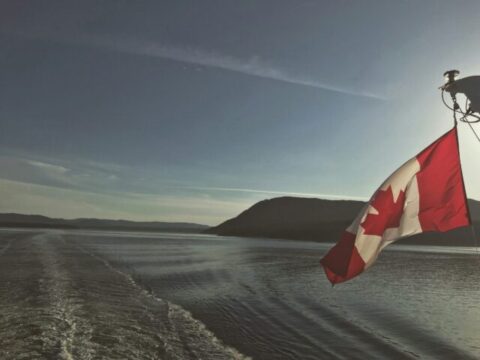
canadian flag on a BC ferry travelling to Vancouver Island

Everyone who visits Vancouver Island, is wowed by the beauty of the Island. With charming towns and gorgeous cities, stunning forests, wildlife, culture and adventure, Vancouver Island is a special place. So special in fact, that between 2014 and 2021, over 89,000 people decided to permanently call Vancouver Island home! There’s a lot to consider before moving but if a relocation to Vancouver Island has been on your mind, we’re here to give you a better idea if the move is right for you!

Whether you’re thinking about just trying out the Vancouver Island lifestyle or you need a rental to bridge the gap between landing here and a permanent Vancouver Island address, EMR is the best place to start! Not only does EMR offer short term and mid term rentals, but you can find an incredible selection of family homes, downtown condos, waterfront properties and more to choose from all over Vancouver Island. With EMR you’re sure to find exactly the kind of property you need to make your relocation easy and fun!

About Vancouver Island

  • Vancouver Island is a large Island at approximately 31,000 km² with a population of almost 900,000 people off the coast of British Columbia. 
  • There are around 500 communities all across the Island that vary greatly in size, amenities, and location so it’s important to decide what kind of Island lifestyle you’re looking for. 
  • With the mildest climate in all of Canada, Vancouver Islanders enjoy warm summers and mild winters – which means incredible outdoor activities year-round! Here, you really can ski, golf and surf all in the same day! 

For more in depth information about moving to and living on the wild West Coast, check out these resources! 

Welcome BC: A Government of BC website that provides helpful information for anyone looking to relocate to B.C., including an excellent page exclusively for information about working on Vancouver Island.

Vancouver Island Economic Alliance (VIEA): A registered non-government, non-profit society that promotes regional economic development through collaborative partnerships with members. This website provides detailed maps and regional information about the various communities on Vancouver Island.

Is Vancouver Island Affordable?

This is an important question when you’re considering a move. Generally speaking, the cost of living on Vancouver Island is high compared to cities in Alberta and Manitoba but people coming from the Lower Mainland BC or Ontario especially Metro Vancouver and Toronto will find that the cost of living on the Island is relatively similar if not more manageable. 

This question also comes down to where on the Island you choose to live – are you hoping to live in the heart of Victoria, in the countryside of the Cowichan Valley or are you looking for an oasis on one of the stunning Gulf Islands? These choices will affect the cost of living that goes beyond house prices.

You’ll also want to consider:

  • Transportation costs (ex. Ferries, fuel costs)
  • Work and commuting
  • Access to amenities and attractions
  • Schools and community services 

This cost of living calculator is an incredibly helpful tool to make an informed decision about how much it’ll cost to live in various regions on the Island.

Vancouver Island Housing Options and Resources

  • There are many types of housing options on Vancouver Island from large family homes to chic condos and everything in between but the housing available will vary largely by the area you’re in. 
  • In the cities you’re more likely to find a wider variety of housing while in the country and near small towns, you may have a harder time finding condos and townhouses. 
  • The first step is to figure out where you want to live on Vancouver Island and what type of housing you’ll need to create a search with your criteria. 
  • The one thing that is important to note is that housing on Vancouver Island can be very expensive, especially in Greater Victoria and Nanaimo
  • If you’re looking for real estate on Vancouver Island, there’s no getting around it: it can take time! You have to be willing to go to showings and open houses and be prepared to put in offers that don’t always pan out. It’s an adventure and can be stressful but there’s a silver lining! 

EMR has lovely short term and long term homes of every type all over Vancouver Island so you can settle in and start living the Island lifestyle right away while you look! Below, there are some incredible resources linked that will help you find your new home on Vancouver Island! 

Vancouver Island Real Estate Resources:

Vancouver Island Real Estate Listings – Search for real estate listings across Vancouver Island.

More Vancouver Island Real Estate Listings – Search for real estate listings across Vancouver Island.

Vancouver Island Rental Listings – Search for rental listings across Vancouver Island.

Vancouver Island Real Estate Board – Search for real estate listings across Vancouver Island.

Vancouver Island Open Houses – Search for open houses across Vancouver Island.

Vancouver Island Rental Resources:

Rent BC

Craigslist 

Used.ca

Kijiji Home Rentals

Sublet.com

Main Areas on Vancouver Island

Vancouver Island is home to diverse neighbourhoods, each offering a unique sense of community, stunning rainforests, and breathtaking views of the Pacific Ocean. Here are some of the main areas to consider:

Southern Vancouver Island 

Greater Victoria 

Victoria: The capital city of BC with beautiful heritage architecture, a vibrant culture, and many charming neighbourhoods like James Bay, Oak Bay, Fairfield and Fernwood – it is a must see for all visitors to Vancouver Island! 

Langford: A fast growing township with modern amenities, new neighbourhoods, access to natural beauty, upscale resorts and a stress-free lifestyle.

Saanich: Home to the lovely little town of Sidney and the location of the Swartz Bay BC Ferries terminal, Sannich is also the agricultural hub on the south island and offers easy access to the mainland, gulf islands and beautiful residential areas.

Sooke: The little town on the far west coast of Vancouver Island is known for its stunning coastline and endless outdoor activities.

Cowichan Valley

Duncan: This tiny city has a charming, historic downtown centre and is known for its totem poles and strong First Nations culture.

Lake Cowichan: This popular summertime destination is a beautiful, tranquil place to visit in the Cowichan Valley! 

Shawnigan Lake: With both luxury homes and quaint lake cottages, Shawnigan Lake is a busy lake in the summer and stunning place for peace and quiet on the off season

Cowichan Bay: Located on the edge of the water, Cowichan Bay has a small, charming houseboat community as well as pubs, boutiques and cafes.

Central Vancouver Island 

Nanaimo: The second largest city on Vancouver Island known as the Harbour City offers visitors a beautiful waterfront and bustling downtown.

Tofino: World renowned for its incredible beaches and surfing, Tofino is a haven for nature lovers with spectacular hiking trails and plenty of outdoor adventures.

Parksville & Qualicum Beach: Famous for soft sandy beaches and family-friendly activities, these resort towns are popular summer destinations for Vancouver Islanders!

Comox Valley: A hub for summer and winter outdoor recreation, Comox Valley offers visitors and residents easy access to Mt. Washington, ocean adventures and so much more! 

Northern Vancouver Island

Campbell River: World renowned for its fishing adventures, in Campbell River, you can spend days on the water fishing, prawning, crabbing and enjoying the pristine wilderness of the north island. 

Alert Bay: A small village rich in First Nations culture, featuring the renowned U’mista Cultural Centre and vibrant totem poles.

Port McNeill: A charming coastal town offering whale-watching tours, forestry, and a gateway to the Broughton Archipelago.

Port Hardy: A bustling town known for its outdoor adventures, including fishing, hiking, and proximity to Cape Scott Provincial Park.

Job Opportunities on Vancouver Island

Whether you’re moving to Vancouver Island for a current job or looking for a new position, you’re sure to find lots of opportunities on Vancouver Island! 

  • A 2021 Labour Market Outlook predicted that between 2021 and 2031 there would be over 160,000 job openings in the Vancouver Island/Coastal region alone! While this report indicates that the opportunities on Vancouver Island will be mainly in healthcare, social assistance, retail and construction, 
  • There are also two unique industries on Vancouver Island that attract job seekers from every professional stratum: Provincial Government and Tourism.
    • There are 30,000 employees in the Provincial Government who live and work in the capital region around Victoria. This industry attracts professionals with a variety of skills and is a great jumping off point for anyone looking to relocate to the Victoria area. 
    • Similarly, the tourism industry on Vancouver Island is massive, bringing in billions in revenue with close to 100,000 employees who serve the millions of international and domestic tourists who flock to Vancouver Island yearly.

To kick off your job search on Vancouver Island check out these employment resources on the Work BC website and get one step closer to a life on the Island!

Vancouver Island Lifestyle

So, what’s it really like living on Vancouver Island? That really depends on where you choose to live but generally, Vancouver Island, even in the cities, is a very laid-back place to call home. 

  • Style and Fashion: While you can find people dressed up for a night out or professionally for work, Vancouver Islanders are known for their casual, comfortable style and it’s not uncommon for some offices to have a very laid-back dress code. 
  • Outdoor Adventure: Vancouver Island is also known for its outdoor recreation. Whether you’re into hiking, biking, kayaking, paddleboarding, skiing, snowboarding, or boating, you’ll find pristine, natural beauty to enjoy it in and if you’re looking for people to join you, you’ll have no problem finding Vancouver Islanders who are passionate about getting outside! 
  • Children and Education: For kids, the public and private schools are safe and provide children with important academic and social education by highly trained dedicated teachers and administrators. You can also find excellent universities and colleges in Victoria, the Cowichan Valley, Nanaimo, Courtenay and Campbell River where older kids can start their post-secondary education and adults can grow their professional skills. 
  • Healthcare: There are hospitals, walk-in clinics and doctor’s offices all across Vancouver Island. However, the healthcare system on Vancouver Island has been stretched in recent years so if you or your loved ones require specialized treatment or a regular doctor, you may want to do due diligence by:
    • Finding a primary healthcare provider in your area or getting on waitlists 
    • Ensuring that the nearby hospitals and clinics are able to meet your healthcare needs. 
    • Researching where the nearest hospitals and clinics are as some communities can be remote
  • Emergency Services: Reliable fire and police services are available in every community on Vancouver Island. However, some remote areas that are newly developed may not have established services yet so be sure to check before you purchase! 

Groceries and Amenities: there is an abundance of high-quality grocery stores, pharmacies, and other important amenities all over the Island. No matter where you choose to live on Vancouver Island, you can be sure that you’ll have all the comforts required to thrive!

Ultimately the decision to move is a big one with many factors to consider carefully before taking the leap but if you’re determined to relocate somewhere in Canada, you’ll be hard pressed to find a better place than Vancouver Island! 

Have a Reel Good Time! Fishing on Vancouver Island

fishing at sunset in bc

There’s a lot to see and do on Vancouver Island but if you’re an avid angler, there’s only one way to spend one of our many sunny days–and that’s out fishing! There are tons of fishing opportunities all over the Island and you’ll find some of the best fishing in the world off the coast of British Columbia, Canada! Whether you decide to spend a slow, peaceful day casting a line from one of the great fishing spots on the shore or you book a charter to head out on the pacific ocean, you’ll have an incredible day followed by an incredible dinner! With so many types of fish to catch from Dolly Varden trout to pacific salmon, cod and even halibut, Vancouver Island fishing is a once-in-a-lifetime experience! Just make sure you have a valid stamp and fishing licence! Both freshwater and saltwater fishing licences are conveniently available to purchase online or at most sporting shops.   

Shore Fishing on Vancouver Island

Sooke

One of the earliest independent settlements in the Province, Sooke is a peaceful, historic town nestled amongst wild West Coast landscape. If you’re lucky enough to stay right in Sooke or in the beautiful neighbouring village of Metchosin, you’ll know how quickly you can fall in love with the beauty and tranquillity of this area. Sooke is the perfect spot for all outdoor adventures, especially fishing. 

East Sooke Park

Just a twenty minute hike from the parking lot will take you to the bluffs where the ocean drops off sharply. Here the water runs deep and you can easily fish for chinook, sockeye, pink and coho salmon. If cod and rockfish are more to your liking, a short 5 minute walk will take you to a plethora of sites that are perfect for bottom fishing. In these sites you can cast a line for rockfish and delicious ling cod. A day here is always well spent. If you need equipment, or advice from lines to lures the Crab Shack Store and the Sooke Marine Center are great options to make sure you have all the gear to have a successful day out! 

Victoria

As the weather gets warmer, Victoria becomes abuzz with activity! There might be  many ways to enjoy the stunning natural beauty of BC’s capital city but fishing is the only one that has a (potential) edible reward at the end of it! Whether you’re staying right in the heart of downtown Victoria or a little farther away in Sidney, there are lots of great fishing areas nearby to do some shore fishing. 

Ten Mile Point

In the late summer months, Ten Mile Point is a great spot to try your luck! The rocky outcrops provide the perfect place to set up for the day. With strong currents and an ocean floor that drops away for hundreds of feet, Ten Mile Point provides an ideal spot to fish for chinook. If you hit those tides perfectly, you can even catch some bottom fish like feisty lingcods. 

Ogden Point Breakwater

Right in the bustling neighbourhood of James Bay, you’ll find the popular Ogden Point Breakwater. The huge, concrete walkway is a great place to catch salmon, cod, geenling, flounder, perch and more! If you’re looking for a peaceful angling spot, it’s best to go here on cloudy days and during the week as it’s a very popular walking path that attracts lots of people!

Langford Lake

If you’re looking for some freshwater fishing, Langford Lake, right in the heart of Langford is stocked full of rainbow trout and smallmouth bass that you can easily catch from the fishing dock found along the Ed Nixon Trail just off Leigh Road. 

Saanich Peninsula 

Sidney is a stunning, walkable seaside town that lives life at a slower pace. One of the most popular features of this little town is the beautiful waterfront trail that offers incredible views, beach access and access to the popular Sidney pier! 

Elk Lake

This popular lake is a great local option to find excellent shore fishing. There are several rest stops around the lake where you can find spots to cast a line to catch rainbow and coastal cutthroat trout, smallmouth and largemouth bass, common carp or yellow perch. 

Sidney Fishing Pier

In the heart of Sidney’s town centre you can find beautiful gardens, a stunning seashore, outdoor gallery and the famous Sidney Fishing Pier. This enormous pier that juts out above the water, makes a great platform for crabbing and fishing. Here you can catch pacific salmon, cod, sole, flounder, and so much more! 

Cowichan Valley 

Cowichan River

If you’re looking for the very best freshwater fishing on Vancouver Island, you’ve found it! Known for the incredible sizes and species of trout in this river, no matter where you choose to cast a line, you’re sure to get a photo-worthy catch! While the Cowichan River is open to fly fishing, and freshwater river fishing, the rules and regulations for this river change from time to time and they can be tricky to navigate. If you’d like to fish in the Cowichan River, you’ll want to do you research or hiring a guide to make sure you’re doing everything by the book so you can focus on just having an incredible time! 

Nanaimo 

Nanaimo Waterfront

If you’re looking for great shore fishing in the heart of Nanaimo, this is the spot for you! While there are fish here during the winter, the main run will show up as early as April and peak in later summer, you can grab your gear and head down to the picturesque walkway and drop a line to catch pacific salmon, bull head, dog fish, Dungeness crab, perch, herring, cod and so so much more! For a full list and all the information check here!  

Englishman River 

While this fishing spot is one of the best for river fishing near Nanaimo, there are some strict rules about where you can and more importantly–where you can’t fish in Englishman River. There is no fishing below the lower falls all the way to Top Bridge and crossing at the end of Allsbrook Road from December to the end of May. But don’t let those restrictions stop you! You can still fish for most months of the year in this gorgeous river and you can start catching steelhead trout as early as January, cutthroat trout arrive in spring and stay to feed on the salmon hatchery in the fall which brings spawning pink, chinook, coho and chum salmon in good numbers, making Englishman River a teeming fishery for many months of the year! For more information about this location, click here

Westwood Lake

This stocked lake is a great place if you’ve got kids you want to take fishing with tons of rainbow trout ready to bite! The fishing platform in Westwood Lake Park can get busy on the weekends so if you’re heading here, you might want to plan on showing up early, when the weather is cloudy or on a weekday and avoid other anglers! 

Campbell River

Fly Fishing on Campbell River 

If you’re looking for the best spot for fly fishing on Vancouver Island, you’ll want to pack up your gear and head up to Campbell River! This river offers year-round fly fishing opportunities and there are even some areas of the river that have been set aside for fly fishers only! Cast your line in the spring for rainbow trout, summer for pink salmon and steelhead or into the beaches and estuaries for feisty cutthroat! There’s no end to the incredible fly fishing experience you can have here – just make sure you keep your eyes peeled for hungry bears who also fish in this incredible river!  

Discovery Pier 

If you’re looking for the premier spot in Campbell River to cast a line from the shore, this is it! With incredible amenities like rod holders along the pier’s length, fishing chairs and even dip nets, this pier is one of the best fishing spots on Vancouver Island! This pier is Canada’s first saltwater fishing pier and it extends along Discovery Passage right near Fisherman’s Wharf in Campbell River. Just make sure that you bring or rent heavy duty gear – the currents are strong and the fish here can be huge! Even if you’re not planning to cast a line, this is a must see when you’re in the area as you can get incredible views of the Passage, spot breaching whales, sea lions and watch the boats navigate the rushing currents while you enjoy food and ice cream from the nearby stand. 

Tyee Pool

Ok this pool is not exactly shore fishing but it needs an honourable mention for its popularity! There’s nowhere else you can find the perfect combination of modern sportfishing and classic fishing like Tyee Pool. Reserved for non-motorized boats only, this elite tidal fishery is great for challenging salmon fishing and can bring you close to enormous salmon (think 30+ lb) and you can spend hours with aspiring Tyee Club members trying to boat massive fish with heavy tackle and traditional lures. While the fishing here is not for the faint of heart, it is one of the most rewarding experiences for the avid angler!

Cape Mudge

Perched on the edge of beautiful Quadra Island, this scenic lighthouse looks out onto some of the area’s most popular – and populated – fishing grounds! Known for what the locals call “The Hump” this fishing spot has an underwater fish magnet making it a safe bet for finding salmon and even the occasional halibut! 

Fishing Charters on Vancouver Island

Shore fishing is great, but if you want a serious crack at Vancouver Island fishing and you’re up for an adventure, you’re going to want to book a charter to take you out on the water! The waterways around Vancouver Island hold hotspots for incredible fishing whether you’re looking for salmon, deep water fish like halibut, crabs or even prawns! There are so many fishing charters to choose from so we’ve rounded up our favourites to make your choice easier! 

Sooke

Bluefin Fishing Adventures 

6947 W Coast Rd, Sooke, BC | 778-966-1436

Book salmon or halibut fishing charters as well as tours through Sooke’s pristine waterways to find steelhead and salmon! 

Blue Wolf Charters

1581 Dufour Rd, Sooke, BC | 250-704-9653

Owner and operator, Roy Carver has made a name for himself as a fun, experienced fishing guide and chef. Every guest is sent home with a few of Roy’s favourite recipes to help make your catch into a fabulous meal!

Goin’ Coastal Fishing Charters 

7062 Richview Rd, Sooke, BC | 250-532-9284

Tory Howe, owner, operator and fishing guide extraordinaire knows all the nooks and crannies of the ocean floor and is ready to help you catch a big one! 

Warrior Fishing Charters 

6971 W Coast Rd, Sooke, BC | 250-208-9879

If you’re looking for creature comforts while out on the ocean, look no further. Their boats are outfitted with heated cabins and kitchenettes and offer experienced guides for a deluxe fishing experience. 

Good Time Dave’s Fishing Charters

4901 East Sooke Road, Victoria, BC | 250-883-9252

Looking for a laid-back, fun loving guide who knows the waters around East Sooke like the back of his hand? Good Time Dave’s is the charter you!

Crab Shack Sport Fishing 

6947 W Coast Rd, Sooke, BC | 250-642-4410

Whether you’re new to fishing or an avid angler, a small group or large, 30 year fishing veteran Elden Smith is ready to make sure you have a great time and catch some amazing fish!

Victoria

Foghorn Fishing Charters

475 Head St Unit 2, Victoria, BC | 250-658-1848

Located right in the Inner Harbour, this team of experienced fishermen offer guests 20 years of experience fishing off southern Vancouver Island and have everything they need to have a great day out! 

Salmon Eye Fishing Charters 

453 Head St, Victoria, BC | 250-244-1821

No matter the season, Salmon Eye is ready for guests! With heated cabins and seats for five people under cover, experienced guides and top-of-the line equipment, booking with this charter is a great idea.

Beasley’s Fishing Charters

12 Erie St, Victoria, BC | 250-514-4070

No matter if you’re hoping to go deep water fishing for halibut, coasting in the ocean for salmon or exploring one of the island’s gorgeous rivers for steelhead, this fun, inclusive company makes fishing fun for every age and ability!

Adam’s Fishing Charters 

812 Wharf St, Victoria, BC | 250-370-2326

Specializing in salmon and halibut charters, this company has high performance vessels ready to take guests from Sooke to Oak Bay in search of the perfect catch!

King Size Adventures

1327 Beach Dr, Victoria, BC | 250-507-5500

Boasting one of the biggest, top performing charter vessels in the Victoria charter fleet, King Size adventures takes guests onto the Strait from Oak Bay to fish for halibut, salmon, lingcod, rockfish and Dungeness crab.

No Limit Fishing Charters

1104 Wharf St, Victoria, BC | 250-888-2277

With a reputation built on outstanding salmon and halibut fishing charters, owner and operator, Lewis Freeman offers guests memorable fishing trips off the coast of Victoria. 

Sidney

Sea King Adventures

10441 Resthaven Dr, Sidney, BC | 250-920-6531

For something a little different than your average fishing charter, consider Sea King’s ‘Deadliest Catch’ fishing tour that includes prawning, crabbing and fishing for salmon and halibut all in an amazing 6-7 hour adventure!

Bon Chovy Fishing Charters

9835 Seaport Pl, Sidney, BC | 604-306-2619

If you’re looking for a charter that offers flexible tours and year-round fishing in Sidney’s calm waters, Bon Chovy is a great charter option!

No matter where you stay or what your speed is, there is always lots of excellent fishing to be found all across the southern end of Vancouver Island! 

Cowichan Valley

River Quest Charters

5650 West Riverbottom Rd, Duncan, BC | 250-748-4776

If you want a full fishing experience in the Cowichan Valley, this is the place to go! Stay in a gorgeous fishing lodge on the banks of the Cowichan River, and let expert guides show you everything you need to know about fly fishing or spin fishing on the river as well as take you to local lakes for still water fishing! 

Kenzies Fishing Adventures

7469 Hudgrove Rd, Lake Cowichan, BC | 250-701-3670

Whether you’re an expert who knows exactly what kind of fishing you’re looking for or a total novice who is looking for a fun, relaxing and educational day out, Kenzie’s customizable charters are the perfect place to start! 

Nanaimo 

Reel Time Fishing Charters & Marine Tours

1956 Zorkin Rd, Nanaimo, BC | 250-667-6950

With over 2 decades of experience on the waters around Nanaimo, Captain Andrew Turkstra offers incredible and affordable tours and friendly, encouraging expertise–which is why he has so many happy customers! 

Nanaimo Adventure Charters

1000 Stewart Ave, Nanaimo, BC | 250-667-8272

If you’re looking for a great easy to spend an afternoon in Nanaimo, you’ll want to book a fishing trip with Captain Michael Hill! With lots of experience and a friendly demeanour, he’ll take you out to all the great fishing spots and even clean your catch for you to take home! 

Campbell River

50 North Adventures

1374 Island Highway, C Dock #19A, Campbell River, BC | 250-702-4515

Originally from Australia, Captain Dean Parsonage has fished all over the world – so when he says that Campbell River is the fishing capital of the world, he means it! Come and see what makes this area an angler’s heaven!

TD Coastal Adventures

1374 Island Hwy, Campbell River, BC | 250-895-3165

With decades of sportfishing experience, Captain Dan is ready to welcome you and your family aboard for a day of fun, sun and fishing! 

What a Novel Idea! Our Favourite Vancouver Island Bookstores

shelves filled with books in a bookstore

There are few better things than curling up with a good book. Whether you’re into mysteries, biographies, fantasy or history, a new book can make even the rainiest days something to look forward to. There are lots of amazing bookstores on Vancouver Island, British Columbia that carry a wide range of subjects and specialties with friendly, knowledgeable staff. So whether you’re looking for something specific or just browsing, stocking up on your favourite genre or selecting gifts for family and friends, these are the best bookstores on the Island where you find your next adventure among the pages!

Bookstores in Victoria BC

Russell Books

747 Fort St #100, Victoria, BC V8W 3E9

Right downtown Victoria is the beloved Russell Books. Founded in a 300 square foot shop in 1961 in Montreal, Russell Books grew quickly into one of Montreal’s best places for second-hand, new and antiquarian in the city. With such amazing success, in 1991 founder Reg Russell opened a Victoria branch right downtown. As an independent, family-owned bookstore, family, community and the importance of books and literacy has always been at the heart of Russell Books. 

Munro’s Books

1108 Government St, Victoria, BC V8W 1Y2

​​In a stunning heritage building in the heart of downtown Victoria, Monro’s Books might be one of the most beautiful bookstores on the Island. While this landmark bookstore might be breathtaking today, Munro’s is a truly local labour of love. In 1963 Jim and Alice Munro (the Alice Munro of Canadian literary fame) set up a small, narrow shop on Yates Street and filled the shelves with new, contemporary forms of writing and art. From there, the Munro’s added more and more books of all kinds, moving locations to accommodate their growing business until eventually they landed in the beautiful location you can still find them today.

Bolen Books

1644 Hillside Ave #111, Victoria, BC V8T 2C5

At a whopping 20,000 square feet, Bolen Books is currently the largest single-location independent bookstore in Western Canada located in the Hillside Mall. Since 1975 Bolen has been a faithful general interest bookstore who now has impressively large sections dedicated to children’s books, science fiction, cooking, travel, fiction, mystery and more!

Bastion Books

14 Bastion Square, Victoria, BC V8W 1H9

Tucked away in the historic Bastion Square is Victoria’s go-to for vintage and contemporary books. With a great selection across genres, comfy chairs to relax in and warm, knowledgeable staff, Bastion Books is a must stop for every book-lover! 

James Bay Coffee and Books

143 Menzies St, Victoria, BC V8V 2G4

With an eclectic selection of books crammed on the shelves and piled high, this funky independent coffee/bookstore is a rare find. Stay for lunch, peruse the shelves and stop for tea leaf reading. There’s always something fun happening at this great neighbourhood hub!

Bookstores in Sidney BC

Beacon Books

2372 Beacon Ave W, Sidney, BC V8L 1X3

As you walk down Beacon Ave. in Sidney, you won’t be able to miss the striking, bright-red, Dutch door of Beacon Books. Specializing in a wide selection of first-edition, collectable, out-of-print, second-hand, signed, and rare books,  Beacon is a 4,000 square foot paradise for every bibliophile! 

Tanner’s Books

2436 Beacon Ave, Sidney, BC V8L 1X6

For 24 years, Tanner’s has been faithfully serving the little town of Sidney. Since it’s opening, Tanner’s has grown to be one of the best full-service bookstores on the Peninsula with everything from new releases and bestsellers to magazines and newspapers to cards, puzzles and even atlases! Plus, with over 50 categories of children’s, fiction, and non-fiction books, Tanner’s is a one-stop shop for you and anyone on your gift list. 

The Haunted Bookshop

9807 Third St, Sidney, BC V8L 3A6

Established in 1947, The Haunted Bookshop is Vancouver Island’s oldest bookshop. Packed with carefully curated rarities, out-of-print material, crowd pleasing paperbacks, and eye-catching ephemera, this is a bookstore that should be on every bibliophile’s list.

Galleon Books & Antiques

2506 Beacon Ave #106, Sidney, BC V8L 1Y2

If you love antiques and books, this is the bookseller for you! Specializing in non-fiction books with a focus on the history of BC, you’ll find incredible selections on First Nations history, military, exploration and art history plus antiquarian and collectible books. Here, you can also find beautifully displayed antiques and collectibles from serving ware to nautical ephemera and more.

Bookstores in the Cowichan Valley BC

Bucknucks Books

1400 Cowichan Bay Rd #47, Cobble Hill, BC V0R 1L0

As the largest, family-owned bookstore in the Cowichan Valley near Duncan, Bucknucks is the place to go for incredible second-hand books. With a passion for their community, literacy, access to books and the environment the owners created an environmentally sustainable business that allows people to get great quality books at affordable prices.

Bookstores in Parksville BC

Sea & Summit Bookshop 

280 Island Hwy E #102, Parksville, BC V9P 2H6

When Kristie and Kevin Lauer discovered that Mulberry Bush Bookstore in Parksville was for sale, Kristie leapt at the chance to fulfill her lifelong dream to become a bookstore owner. Since then, Sea & Summit has become one of the best independent bookstores in the area to find an incredible selection of new releases and bestsellers. If you’re needing a new book for your stay in Nanaimo or that new release that you’ve been dying to read, Sea & Summit is worth the short drive to Parksville!

Fireside Books

114 Middleton Ave, Parksville, BC V9P 2G8

Since 1993, Fireside Books in the heart of the little town of Parksville has been providing the community with an eclectic array of new, second-hand, vintage and signed books. With over 100,000 books to browse and an enormous selection of high-quality puzzles, this long-standing store in the heart of the community is sure to carry more than a few gems for you to find!. 

Bookstores in Courtenay BC

Laughing Oyster Bookshop

286 5th St, Courtenay, BC V9N 1J6

This charming, locally owned and operated bookstore has an extensive collection of books and a wide range of genres. Whether you’re looking for something specific to curl up with while you’re staying in the Comox Valley or if you need a recommendation, the incredible staff at Laughing Oyster are always happy to help.

British Columbia Weather in September: What to Expect

September weather in British Columbia can be unpredictable, with a mix of warm and sunny days as well as cooler, wetter spells. While the province can experience mild temperatures during this time of year, it’s important to be prepared for all types of weather.

September is typically a transitional month, as summer gradually shifts into fall. In some parts of British Columbia, you may experience warm, dry weather that’s perfect for outdoor activities such as hiking and fishing. However, it’s important to note that temperatures can drop significantly in the early morning and evening, so it’s wise to pack layers and ensure you have proper rain gear in case of sudden changes in weather.

Average Temperature in British Columbia in September

On the Coast 

In cities like Vancouver, Victoria, and Tofino, you can expect average daytime temperatures of 16-18°C (60-65°F) and nighttime temperatures of 11-13°C (50-55°F) throughout September. It’s not uncommon to experience some light rain during this time, so it’s a good idea to pack a rain jacket.

In the Mountains

In the Rocky Mountains, temperatures will be slightly colder, with average daytime temperatures of 8-12°C (45-55°F) and nighttime temperatures near freezing at 0-4°C (32-40°F). It’s important to note that temperatures can vary greatly, and snowfall is possible in the higher elevations.

In the Interior

The interior of British Columbia, including places like Kamloops and Kelowna, experiences warm and dry weather in September, with average daytime temperatures of 20-25°C (68-77°F) and nighttime temperatures of 6-10°C (43-50°F). This region tends to have more consistent weather, with less rainfall than the coast.

Rainfall in British Columbia in September

Overall, September is a great month to visit British Columbia if you’re looking to avoid the crowds and enjoy some mild weather. While there is some chance of rainfall, it’s generally a mild and enjoyable time to explore the province’s forests, lakes, and mountains.

Here’s a table summarizing the average rainfall amounts for selected cities in British Columbia in September:

CityAverage Rainfall (mm)Average Rainy Days
Vancouver6010-15
Victoria4810-15
Kelowna246-8
Prince George547-10
Prince Rupert43326-30

On the Coast 

In Vancouver and other coastal areas of BC, September usually sees an increase in rainfall compared to the summer months. But it’s still a relatively dry month compared to other parts of the year. On average, Vancouver gets around 60mm (or 2.4 inches) of rain in September, with around 10-15 rainy days during the month.

In the Interior

September marks the end of summer in British Columbia, but that doesn’t mean you won’t experience the occasional hot and humid day. While many areas of the province have low relative humidity throughout the year due to its proximity to the coast, the interior of BC can see higher humidity levels during the summer months, including September.

Humidity Levels in British Columbia in September

September marks the end of summer in British Columbia, but that doesn’t mean you won’t experience the occasional hot and humid day. While many areas of the province have low relative humidity throughout the year due to its proximity to the coast, the interior of BC can see higher humidity levels during the summer months, including September.

Coastal Cities 

In Vancouver and Victoria, humidity levels in September range from about 60% to 80%, with occasional spikes into the 90% range during periods of heavy rain. The higher humidity levels are largely due to the proximity of these cities to the ocean.

The Interior 

The Interior of British Columbia experiences lower overall humidity levels due to the drier climate, but September can still see an increase in humidity compared to the rest of the year. Areas like Kelowna and Kamloops can experience relative humidity levels between 50% and 70% in September, especially during periods of warmer weather.

Regardless of humidity levels, September in BC generally has comfortable temperatures in the mid- to high-teens Celsius (mid-50s to low 60s Fahrenheit).

Best Places to Visit in British Columbia in September

Photo by shutterstock.com/Engel Ching

If you’re planning a trip to British Columbia in September, you’ll find no shortage of breathtaking sights, outdoor activities, and cultural events! Here are some of the best places to visit in British Columbia in September.

Victoria

As the provincial capital of British Columbia, Victoria is a popular tourist destination throughout the year. In September, you can enjoy the beautiful weather while exploring the city’s historical sites and cultural events. Attend the Victoria International Wine Festival, visit the colourful Butchart Gardens, or take a tour of the grand British Columbia Parliament Buildings.

Vancouver

September is one of the best months to visit Vancouver. The crowds have thinned out, the weather is mild and pleasant, and there are plenty of events to check out. Some of the popular annual events in September include the Vancouver International Film Festival, the Fringe Festival, and the Vancouver Dragon Boat Festival.

Whistler

September marks the transition between summer and winter in Whistler, but there’s still plenty to do in this charming mountain town! Take a scenic gondola ride, enjoy some coffee in the village, or go for a hike in the stunning surrounding wilderness. You can also attend the annual Whistler Village Beer Festival, which features over 120 breweries from around the world.

Tofino

Set on the rugged west coast of Vancouver Island, Tofino is known for its natural beauty and outdoor adventures. September is a great month to visit this town, with its warm weather and fewer crowds. Enjoy a scenic beach walk or a whale-watching tour, or go surfing in the crystal-clear waters.

Okanagan Valley

September is the harvest season in the Okanagan Valley, and there’s no better time to visit this wine region. Take a vineyard tour, sample some of the world-class wines, and enjoy the beautiful scenery. If you’re interested in outdoor activities, try hiking, biking or paddle-boarding along the stunning lakeshore.

Outdoor Activities in British Columbia in September

Photo by shutterstock.com/Monika Wieland

September is one of the best months to explore the great outdoors of British Columbia. The weather is beautiful, with warm and sunny days, making it perfect for various outdoor activities!

Hiking

With cooler temperatures and less humidity, September is an ideal time for hiking in British Columbia. There are plenty of hiking trails to choose from, ranging from easy walks to challenging hikes. Some of the most popular hikes in September include the Joffre Lakes Trail, the Grouse Grind, and Mount Cheam.

Fishing

September is a great time for fishing in British Columbia, especially for salmon. You can enjoy fly fishing, freshwater fishing, or coastal fishing. For fly fishing, you can head to the Skeena River or the Elk River. If you enjoy freshwater fishing, try fishing for rainbow trout in some of the provincial parks like Kalamalka Lake.

Whale Watching

September is the perfect month to go whale watching in British Columbia. This is because it’s the time when the Pacific Northwest’s resident orca population returns to Johnstone Strait. You will have an opportunity to see other marine mammals like minke whales, humpback whales, grey whales, and porpoises as well.

Rock Climbing

September is an ideal time for rock climbers to explore the many crags and peaks of British Columbia. The cooler temperatures offer better climbing conditions, and there are plenty of climbing routes to suit all levels of experience.

Clothing to Pack for British Columbia in September

When packing for a trip to British Columbia in September, keep in mind that the weather can be quite variable. You can expect temperatures to range from the mid-teens to the low twenties (Celsius), so layers are key. Here are some clothing items to consider:

  • Warm waterproof jacket: You’ll definitely want to bring a warm jacket, as temperatures can drop quickly in the evenings and at higher elevations. If you’re visiting northern cities in BC, a water resistant or waterproof down or synthetic jacket is essential.
  • Waterproof outer layer: September can be rainy in British Columbia but it can also be warm so  having a light waterproof outer layer, like a rain jacket or shell, is essential.
  • Long pants: Throughout much of BC, the dress code is quite casual. If you’re staying in Vancouver or Victoria and plan to go out for dinner or to enjoy the nightlife, you’ll want to bring trousers or skirts to dress up for the evening. For the rest of BC, jeans or hiking pants are appropriate and will keep you warm and protect you from bugs and scratches while hiking or exploring!
  • Shorts or skirts: It can still be quite warm during the day, so pack a few pairs of shorts or skirts for those sunny afternoons.
  • Closed-toe shoes: If you’re planning to do any outdoor activities like hiking or cycling, you’ll want to have a sturdy pair of closed-toe shoes, like hiking boots or running shoes.
  • Hat and sunglasses: Don’t forget to pack a sun hat and sunglasses to protect yourself from the sun’s rays, which can still be strong in September.
  • Warm socks: Pack several pairs of warm socks to keep your feet cozy on colder evenings.

Tips for Travelling to British Columbia in September

September can be a great time to visit British Columbia, but it’s important to be prepared for the changing weather patterns and potential for outdoor activities to be impacted by rain. Here are a few tips to keep in mind when planning your travels to British Columbia in September:

  1. Check the weather forecast regularly: September in British Columbia can be unpredictable with varying temperatures, rain, and even snow in some areas. Be sure to pack for cooler weather and check forecasts before heading out for the day.
  2. Plan your activities accordingly: While it’s unlikely, many outdoor activities such as hiking, camping, and water sports may be impacted by inclement weather. Keep an eye on the weather before your trip and if there has been heavy rainfall, it’s a good idea to check for any park or trail closures and consider alternative indoor activities if necessary.
  3. Bring rain gear: It’s always a good idea to pack a good raincoat for outdoor recreation or an umbrella for city exploration in case of sudden rain showers. Water-resistant footwear is also recommended, as sidewalks and trails may be wet and slippery.
  4. Enjoy the fall colours: September is a great time to witness the changing fall colours in British Columbia. Consider taking a scenic drive or hike to soak in the beauty of the changing leaves.
  5. Take advantage of offseason discounts: As September is considered an offseason month in British Columbia, many tourist attractions offer discounts. 
  6. Attend fall festivals and events: British Columbia hosts a variety of fall festivals and events, including wine festivals, harvest celebrations, and cultural events. Check local calendars to see what’s happening in the area during your visit!
  7. Respect wildlife and the environment: As always, it’s important to respect the wildlife and environment when travelling in British Columbia. Be sure to read and follow all park rules and regulations and avoid feeding any wildlife you may encounter.

Events & Festivals in British Columbia in September

Photo by shutterstock.com/canadastock

September is an exciting month in British Columbia, with several events and festivals taking place throughout the province! Check local tourism websites for more events and up-to-date information!

Vancouver International Film Festival

The Vancouver International Film Festival (VIFF) is a must-attend event for film lovers. It runs for two weeks in September, showcasing the best in both Canadian and international cinema. You can attend screenings, panel discussions, and even meet-and-greets with filmmakers!  With over 400 incredible films from around the world to choose from, there’s something for everyone!

Rifflandia Music Festival

The Rifflandia Music Festival is an annual event that takes place in Victoria during the second weekend of September. It’s an indie music lover’s paradise and features over 150 artists from Canada and around the world. The festival takes place over four days and has multiple indoor and outdoor stages, at nearby venues.

Whistler Village Beer Festival

The Whistler Village Beer Festival is a five-day celebration of craft beer that takes place in Whistler Village, featuring local and international breweries. Enjoy a glass of beer while experiencing live music and entertainment. The event also includes Cask Nights, a Brewer’s Brunch, and multiple seminars, making it a perfect option for beer enthusiasts!

Vancouver Fringe Festival

The Vancouver Fringe Festival is an 11-day event that celebrates live theatre. The festival features more than 800 shows, from comedies to dramas, and everything in between, in different venues throughout Vancouver. With no artistic direction, the festival offers a completely varied program that is sure to satisfy all tastes in the theatre world.

Okanagan Wine Festival

The Okanagan Valley is known for its beautiful landscapes and fantastic wineries. The Okanagan Wine Festival is a ten-day celebration that showcases wineries from Kelowna to Osoyoos. The festival includes more than 100 events, including wine-pairing dinners, educational wine seminars, and vineyard tours.

Pacific National Exhibition (PNE)

The Pacific National Exhibition (PNE) is a classic fair that takes place at the end of August and continues through most of September. The PNE offers plenty of attractions, including local prize winning animals, baby animals, games, carnival rides, concerts, and exhibitions. The annual prize home is always a favourite attraction, with amazing design and stunning views.

Pros & Cons of Visiting British Columbia in September

September is a beautiful month to visit British Columbia, but there are pros and cons to visiting during this month – here are some things to consider when you’re planning your trip!

Pros

  • Pleasant temperatures: With warm days and cool nights, British Columbia’s weather in September is typically mild and enjoyable, making it perfect for outdoor activities like hiking, camping, and biking.
  • Off-peak crowds: As the summer break comes to an end, and students return to school, the September downtime translates to fewer crowds in British Columbia’s hotspots, allowing for more peaceful experiences.
  • Fall foliage: British Columbia’s forests and parks explode in colours during the month of September! During this month, you can watch the leaves change colours and enjoy the gorgeous fall blooms. The picturesque vistas are worth every penny!
  • Lower prices: Since September is the shoulder season, vacation rentals, dining, and other costs tend to be lower in British Columbia compared to peak season.

Wildlife Hibernation: With the approach of winter, bears begin to seek higher altitudes meaning that you’ll have less chance of accidentally running into one on the trails!

Cons

  • Unpredictable weather: Keep in mind that September weather can be unpredictable with warm, sunny days followed by cold and rainy ones. It’s always important to pack a variety of clothing to manage different weather conditions!
  • Limited daylight hours: As September marks the beginning of Fall, daylight hours are shorter than previous months, meaning there are fewer daylight hours to enjoy outdoor recreation than the summer.
  • Closures and Limited Availability: Since it is the shoulder season, you may encounter some closures or limited opening hours for attractions that you may have been hoping to enjoy.

Wildlife Hibernation: With the approach of winter, some of the animals in British Columbia begin to hibernate, making it harder to view wildlife and experience wildlife adventures.

Enjoy British Columbia in September

While the weather in British Columbia during September tends to be cooler and wetter than in the summer months, it’s still a great time to visit and explore this beautiful province!

Temperatures can vary widely between regions, so be sure to check the weather forecast for your specific destination but overall, September is a great time to visit British Columbia if you’re looking for a quieter, more peaceful experience and don’t mind cooler weather.

Whether you’re exploring the cities or hitting the trails, there’s plenty to see and do throughout this stunning province!

Featured Image Credit: Shawna and Damien Richard

Navigating the Short-Term Rental Legislation in British Columbia 2024

blue and green shapes under white text with an image of Victoria's Inner Harbour

Short-term rentals, once a lucrative venture for property investors in British Columbia, are facing a significant regulatory shift with the recent implementation of the Short-Term Rental legislation. As the province grapples with a housing crisis exacerbated by the surge in short-term rentals, the government has rolled out a comprehensive set of measures to address the issue and prioritize long-term rental availability. While this has raised concerns among property owners and investors, understanding the intricacies of the new regulations can help navigate this transition effectively.

B.C.’s Housing Crisis: The Need for Regulation

With the proliferation of short-term rentals impacting the long-term housing market, the government’s move to regulate the industry aims to alleviate the strain on available housing options. As more than 16,000 entire homes are currently utilized for short-term rentals, finding affordable long-term rentals has become increasingly challenging for residents.

Embracing Change: Strategies for Investors

In light of the new regulations, investors and property owners can employ several strategies to adapt to the evolving landscape:

Embrace Regional Oversight: The introduction of a provincial registry and compliance unit underscores the need for adherence to new guidelines. Investors can prioritize understanding and complying with registration and licensing requirements.

Diversify Investment Portfolios: Exploring alternative investment avenues, such as long-term rentals in exempted areas or properties catering to agri-tourism, can mitigate the impact of the principal residence requirement.

Collaborate with Local Governments: Engaging in discussions with local governments regarding potential exemptions and understanding their stance on the principal residence requirement can provide valuable insights for navigating the changing rental landscape.

Balancing Perspectives: The Impact on Property Investors

While the regulations aim to address housing challenges, the new rules have sparked concerns among property investors. Amanda Van Der Lee, owner of How to Host Property Management & Design, emphasized the potential financial setbacks and job losses that could result from the stringent measures. Similarly, Jen Higham, an investor in Prince George, expressed concerns over the feasibility of transitioning properties into long-term rentals, highlighting potential market saturation and property devaluation as consequences.

Moving Forward: Finding Equilibrium

As the government endeavors to strike a balance between regulating short-term rentals and preserving housing affordability, the industry’s stakeholders must collaborate to ensure a sustainable housing market. Leveraging the available resources, engaging with local authorities, and exploring diverse investment opportunities can help investors navigate the changing regulatory landscape while contributing to the broader goal of housing sustainability in British Columbia.

The recent developments in British Columbia highlight the need for a nuanced approach to short-term rentals, one that acknowledges the concerns of property investors while addressing the urgent housing needs of residents. By adapting to the new regulations and proactively engaging with the evolving rental market, investors can continue to navigate the changing landscape and contribute to the long-term sustainability of the housing sector.

Resources:

The Official Website of the Government of BC – The New Rules

The Official Website of the Government of BC – Strata Short Term Rental ByLaws

Moving to Vancouver Island

Everyone who visits Vancouver Island, is wowed by the beauty of the Island. With charming towns and gorgeous cities, stunning forests, wildlife, culture and adventure, Vancouver Island is a special place. It’s so special, that between 2014 and 2021, over 89,000 people decided to permanently call Vancouver Island home! There’s a lot to consider when thinking about moving but if a relocation to Vancouver Island has been on your mind, we’re here to give you a better idea if the move is right for you! Whether you’re thinking about just trying out the Vancouver Island lifestyle or you need a rental before moving to your permanent Vancouver Island address, EMR is the best place to start! Not only does EMR offer short term and long term rentals, but you can find an incredible selection of family homes, downtown condos, waterfront properties and more to choose from all over Vancouver Island. With EMR you’re sure to find exactly the kind of property you need to make your relocation easy and fun! 

About Vancouver Island

Vancouver Island is a large Island at approximately 31,000 km² with a population of almost 800,000 people off the coast of British Columbia. There are around 500 communities all across the Island that vary greatly in size, amenities, and location so it’s important to decide what kind of Island lifestyle you’re looking for. No matter where you live on the Island one thing is for sure: with the mildest climate in all of Canada, Vancouver Islanders enjoy warm summers and mild winters – which means incredible outdoor activities year-round! Here, you really can ski, golf and surf all in the same day! For more in depth information about moving to and living on the wild West Coast, check out these resources! 

A Government of BC website that provides helpful information for anyone looking to relocate to B.C., including an excellent page exclusively for information about working on Vancouver Island.

A registered non-government, non-profit society that promotes regional economic development through collaborative partnerships with members. This website provides detailed maps and regional information about the various communities on Vancouver Island. 

Is Vancouver Island Affordable?

This is an important question when you’re considering a move. Generally speaking, the cost of living on Vancouver Island is high compared to cities in Alberta and Manitoba but people coming from the Lower Mainland BC or Ontario especially Metro Vancouver and Toronto will find that the cost of living on the Island is relatively similar. It also depends on where on the Island you choose to live – are you hoping to live in the heart of Victoria, in the countryside of the Cowichan Valley or are you looking for an oasis on one of the stunning Gulf Islands? This cost of living calculator is an incredibly helpful tool to make an informed decision about how much it’ll cost to live in various regions on the Island. 

Vancouver Island Housing Options and Resources

There are many types of housing options on Vancouver Island from large family homes to chic condos and everything in between but the housing available will vary largely by the area you’re in. In the cities you’re more likely to find a wide variety of housing and in the country and near small towns, you may have a harder time finding condos and townhouses. The first step is to figure out where you want to live on Vancouver Island and what type of housing you’ll need to create a search with your criteria. The one thing that is important to note is that housing on Vancouver Island can be very expensive, especially in Greater Victoria and Nanaimo. For more information about renting, check the Find a Place to Live page or download the Newcomer’s Guide on the Welcome BC website and check the links below! If you’re looking for real estate on Vancouver Island, there’s no getting around it: it can take time! You have to be willing to go to showings and open houses and be prepared to put in offers that don’t always pan out. It’s an adventure and can be stressful but there’s a silver lining! EMR has lovely short term and long term homes of every type all over Vancouver Island so you can settle in and start living the Island lifestyle right away while you look! Below, there are some incredible resources linked that will help you find your new home on Vancouver Island! 

Vancouver Island Real Estate Resources:

Vancouver Island Real Estate Listings – Search for real estate listings across Vancouver Island.

More Vancouver Island Real Estate Listings – Search for real estate listings across Vancouver Island.

Vancouver Island Rental Listings – Search for rental listings across Vancouver Island.

Vancouver Island Real Estate Board – Search for real estate listings across Vancouver Island.

Vancouver Island Open Houses – Search for open houses across Vancouver Island.

Vancouver Island Rental Resources:

Rent BC

Craigslist 

Used.ca

Kijiji Home Rentals

Sublet.com

Job Opportunities on Vancouver Island

Whether you’re moving to Vancouver Island for a current job or looking for a new position, you’re sure to find lots of opportunities on Vancouver Island. In fact, a 2021 Labour Market Outlook predicted that between 2021 and 2031 there would be over 160,000 job openings in the Vancouver Island/Coastal region alone! While this report indicates that the opportunities on Vancouver Island will be mainly in healthcare, social assistance, retail and construction, there are also two unique industries on Vancouver Island that attract job seekers from every professional stratum: Provincial Government and tourism. There are 30,000 employees in the Provincial Government who live and work in the capital region around Victoria. This industry attracts professionals with a variety of skills and is a great jumping off point for anyone looking to relocate to the Victoria area. Similarly, the tourism industry on Vancouver Island is massive, bringing in billions in revenue with close to 100,000 employees who serve the millions of international and domestic tourists who flock to Vancouver Island yearly. To kick off your job search on Vancouver Island check out these employment resources on the Work BC website and get one step closer to a life on the Island! 

Vancouver Island Lifestyle

So, what’s it really like living on Vancouver Island? That really depends on where you choose to live but generally, Vancouver Island, even in the cities, is a very laid-back place to call home. While you can find people dressed up for a night out or professionally for work, Vancouver Islanders are known for their casual, comfortable style and it’s not uncommon for some offices to have a very laid-back dress code. Vancouver Island is also known for its outdoor recreation. Whether you’re into hiking, biking, kayaking, paddleboarding, skiing, snowboarding, boating or  more, you’ll find pristine, natural beauty to enjoy it in and if you’re looking for people to join you, you’ll have no problem finding Vancouver Islanders who are passionate about getting outside! There is an abundance of arts and culture on the Island as well – you can find galleries, workshops, theatres, museums and many Coast Salish ancestral sites. For kids, the public and private schools are safe and provide children with important academic and social education by highly trained dedicated teachers and administrators. You can also find excellent universities and colleges in Victoria, the Cowichan Valley, Nanaimo, Courtenay and Campbell River where older kids can start their post-secondary education and adults can grow their professional skills. There are hospitals, fire stations and police that service each community and no matter how remote your community of choice might be, there is an abundance of high-quality grocery stores, pharmacies, and other important amenities all over the Island. No matter where you choose to live on Vancouver Island, you can be sure that you’ll have all the comforts required to thrive! 

Ultimately the decision to move is a big one with many factors to consider carefully before taking the leap but if you’re determined to relocate somewhere in Canada, you’ll be hard pressed to find a better place than Vancouver Island! 

How to Celebrate Canadian Thanksgiving on Vancouver Island

various pumpkins near bail of hay - thanksgiving - fall

When you think of Thanksgiving in North America, most people think of pilgrim outfits, pumpkin pie, the Mayflower and feast re-enactments between pilgrims and American Indians – typical images from many Hollywood movies and American TV shows.

Continue reading