B.C.’s Short-Term Rental Laws: Vancouver Island

The Lakehouse on Langford Lake Main Image

The world of short-term rentals in British Columbia is changing fast. With the rollout of the Short-Term Rental Accommodations Act in 2023 and the new provincial registry taking effect in 2025, compliance has become more complicated than ever. For many property owners, the rules can feel like a moving target. This can lead to fines, cancelled bookings, or even having listings removed.

In this blog, we will break down what the latest changes mean for short-term rental operators on Vancouver Island, highlight key dates and requirements, and show you how to protect your investment in this evolving landscape.

Not interested in trying to navigate the new STR laws alone? Tired from the stress of staying on top of every new date, policy change while still trying to maintain a passive income with your STR?

We can help.

At EMR, we take care of the licensing, registration, and platform requirements for you, ensuring your property stays fully compliant without the stress of navigating shifting regulations. Our expertise means you can focus on hosting and keep earning while we handle the paperwork and enforcement details.

Setting the Stage: Vancouver Island’s Housing Crisis

The story of B.C.’s housing crisis stretches back decades. In the mid-20th century, Canada built thousands of social housing units and supported purpose-built rentals through federal incentives. By the 1980s, governments began shifting their priorities. They pulled back funding, partly because of economic recessions, rising deficits, and a broader move toward neoliberal policies that favoured the private market. Housing was increasingly treated as a commodity rather than a public good. Without the subsidies and tax incentives, developers turned to condos and ownership models that offered higher returns and rental construction stalled. As demand grew, prices became inflated and international investment and speculation pushed prices even higher.

However, wages did not keep pace. By the mid-2010s, entire neighbourhoods were feeling the pressure. Families struggled to stay put. Young people delayed moving out on their own and homelessness crept upward.

On Vancouver Island, the strain is especially visible. Victoria’s vacancy rates hover near zero. Nanaimo and the Comox Valley see similar shortages. Seasonal tourism brings more demand, while retirees and investors add another layer of competition. For many Islanders, securing stable housing has become harder than ever.

It is in this climate that the Province introduced the Short-Term Rental Accommodations Act. The aim is straightforward: return more units to the long-term market. But for property owners, especially those on Vancouver Island, the reality is far more complex. What began as a response to a housing shortage has reshaped how short-term rentals can operate and forced operators to adapt to a new era of regulation.

Breakdown of B.C.’s Short-Term Rental Accommodations Act

In October 2023, Housing Minister Ravi Kahlon and Premier David Eby introduced the Short-Term Rental Accommodations Act to address British Columbia’s housing crisis. The government argued that the widespread use of entire homes as short-term rentals had worsened the problem. At the time, provincial estimates showed that more than 16,000 homes across B.C. were being used for short-term stays rather than long-term housing, creating additional scarcity for residents.

To counter this, the Act was introduced with several key measures that have been phased in between late 2023 and 2025:

Purpose of the Act

  • Give local governments stronger tools to enforce short-term rental bylaws.
  • Return short-term rental units to the long-term housing market.
  • Establish a new provincial role in short-term rental regulation.

Applicability

  • Covers short-term rentals listed publicly on platforms and booking forums.
  • Does not apply to certain categories such as reserve lands, hotels, or temporary shelters.

Enforcement Measures

  • As of May 1, 2024, a valid business licence number must be displayed on all listings.
  • Platforms are required to remove listings that do not display a valid licence.
  • Local government fines for bylaw offences have increased significantly.
  • Regional districts now have business licensing authority for short-term rentals.

Data Sharing

  • By summer 2024, short-term rental platforms were required to begin sharing listing data with the Province to support bylaw enforcement.

Returning Units to the Long-Term Market

  • Since May 1, 2024, short-term rentals have been limited to a host’s principal residence plus one secondary suite or accessory dwelling.
  • Protections for non-conforming use of property no longer apply to short-term rentals.

Provincial Oversight

  • The provincial short-term rental registry officially launched in July 2025.
  • All hosts, platforms, and strata hotel platforms must register and pay annual fees by May 1, 2025.
  • Enforcement of registry compliance begins in June 2025, with listings removed, new bookings blocked, and future bookings cancelled if registration is not completed.

Timeline of the Short-Term Rental Accommodations Act

  • October 26, 2023 – Act introduced by Housing Minister Ravi Kahlon and Premier David Eby.
  • February 29, 2024 – Deadline for municipalities to apply for exemptions (“opt out”).
  • March 31, 2024 – Deadline for municipalities not initially covered to apply to be included (“opt in”).
  • May 1, 2024 – Principal residence plus one secondary suite rule begins. Business licence numbers required on listings.
  • Summer 2024 – Platforms begin sharing data with the Province.
  • End of 2024 – Provincial registry prepared for launch.
  • May 1, 2025 – All hosts, platforms, and strata hotel operators must be registered and pay annual fees.
  • June 2, 2025 – Listings without valid registration removed. No new bookings allowed.
  • June 23, 2025 – Future bookings for unregistered properties cancelled.
  • July 31, 2025 – Province confirms registry enforcement procedures.
  • September 2025 – Full registry validation in effect. All listing details (address, unit number, postal code) must exactly match the provincial registry to remain active.

What Short-Term Rentals Are Still Allowed?

One of the biggest questions for property owners has always been: what is actually permitted? The answer shifted in May 2024, when the Province limited short-term rentals to a host’s principal residence plus one secondary suite or accessory dwelling.

In practice, this means that if you live in your home and also have a basement suite, a laneway home, or another self-contained unit on the property, you can continue to rent it out short-term. But operating multiple investment properties or listing entire homes that are not your primary residence is no longer legal in most communities.

There are exceptions. Some areas were allowed to opt out of the provincial rules, while others opted in voluntarily. This patchwork approach has added to the confusion, since the rules in one municipality may not apply just a few kilometres down the road.

What has not changed is the provincial expectation that all short-term rentals must be registered. Even if your property qualifies under the principal residence requirement, you must still register with the provincial system. Exemptions such as hotels, temporary shelters, or properties on reserve lands do not remove this responsibility.

For hosts on Vancouver Island, the message is clear: know the rules in your community, confirm that your property qualifies, and ensure you are properly registered. Missing even one step could result in your listing being removed and your income disappearing.

This is where EMR Vacation Rentals can make all the difference! We handle the details from licensing and  registration to compliance so you do not have to. Instead of worrying about shifting regulations, you can rely on EMR to keep your property fully compliant while you focus on welcoming guests and enjoying the benefits of your investment.

Remaining Issues and Unanswered Questions

Even with the registry in place, there are still gaps and uncertainties. Enforcement relies heavily on accurate data and precise platform validation, which means even small typos in an address can cause a listing to be taken down. Property owners are left wondering how smoothly the system will function when thousands of listings are processed at once.

The shift from a 30-day minimum stay to a 90-day minimum in opted-in zones has also disrupted the mid-term rental market. For students, travelling professionals, or families between homes, this change has reduced flexibility. On Vancouver Island, where universities and seasonal employment bring people for shorter periods, the impact is significant.

Legal questions remain as well. Some owners of properties originally zoned or built for short-term rentals argue they have been unfairly targeted. Class-action challenges have been discussed, though outcomes are uncertain. Add in the political uncertainty of future elections, and there is no guarantee that today’s rules will remain unchanged tomorrow.

For many individual hosts, this uncertainty is overwhelming. Compliance is not just about following the law; it is about protecting income, avoiding cancellations, and staying competitive in a crowded market.

That is why more owners are turning to EMR Vacation Rentals. Our team stays ahead of every policy update, monitors changes at both the provincial and municipal levels, and ensures that properties remain compliant. Instead of worrying about whether a new regulation will upend your plans, you can depend on EMR to handle the details and safeguard your investment.

What to Do If Your Listing Is Removed

1. Confirm your registration

Log in to the provincial short-term rental registry. Make sure your registration is active and not expired. Write down your registration number, street address, unit number if applicable, and postal code exactly as they appear.

2. Match your details

Update your listing on Airbnb, VRBO, or other platforms so that the information matches the registry word for word. Even small typos or formatting differences can cause validation to fail.

3. Fix registry errors if needed

If the registry itself contains incorrect information, request a correction through the Province before trying to update your platform listing.

4. Resubmit your listing

Once your details align, your listing should be reinstated. Larger platforms usually validate automatically. For smaller ones, you may need to contact support directly.

5. Manage bookings

Cancelled future bookings cannot always be restored, but once validation is complete you can accept new ones.

6. Consider professional help

Validation can be stressful and time consuming. EMR Vacation Rentals manages registration, monitors compliance, and handles errors directly with the Province and booking platforms, so your property stays online and earning.

Navigating the Future of Short-Term Rentals on Vancouver Island

The Short-Term Rental Accommodations Act has reshaped how vacation rentals operate across British Columbia. From principal residence requirements to the provincial registry, the rules now demand attention to detail and a willingness to adapt. For property owners on Vancouver Island, compliance is not optional. It is the foundation of protecting income, preventing cancellations, and staying competitive in a fast-changing market.

Staying compliant with B.C.’s short-term rental rules can feel overwhelming, but you don’t have to do it alone! EMR Vacation Rentals ensures that every home in our portfolio meets the latest provincial and municipal requirements, giving you peace of mind and reliable income without the administrative headaches.

Ready to simplify your short-term rental management? Contact EMR Vacation Rentals today and let us handle compliance, so you can focus on enjoying the benefits of your property.


Living in Sidney BC

view of the Sidney Pier from one end on a cloudy day 0 Sidney BC

More and more people are drawn to Vancouver Island, British Columbia for its natural beauty, temperate climate, and slower pace of life. But choosing where to settle can feel overwhelming if you’ve never actually lived here. Each community has its own character, and finding the right fit is key. That’s where we come in. This guide takes a closer look at life in Sidney, BC, one of the most popular towns on the Saanich Peninsula. We’ll explore the pros and cons of living here, what makes the Peninsula unique, and why it’s such a desirable place to call home.  Not ready to sign on the line? EMR Vacation Rentals has a portfolio of long-term homes in Sidney and the Saanich Peninsula and the surrounding area so you can get a taste of island life before making the leap!


About Sidney, BC

 metal statue of a sailor in Sidney BC, outdoor art walk Sidney-by-the-Sea is an aptly named seaside town located on the northeastern tip of the Saanich Peninsula, just 25 minutes from downtown Victoria. With a population of around 12,000, it’s the Peninsula’s main hub for shopping, dining, and community services.

Sidney is known for its walkable downtown core, active marina, and cultural venues like the Mary Winspear Centre. It has earned a reputation as both a vibrant community for retirees and a welcoming place for families who appreciate small-town living with big-city connections close at hand.

The town’s history stretches back to its Coast Salish First Nations roots, followed by European settlement in the mid-19th century when logging and fishing shaped the early economy. Over time, agriculture flourished thanks to the Peninsula’s fertile soil and mild climate. Today, this area remains the main agricultural hub of Greater Victoria with farms, orchards, and wineries as defining features of the region.


Pros of Living in Sidney

Location & Accessibility

Sidney’s location makes it one of the most accessible communities on Vancouver Island. The Swartz Bay BC Ferries terminal is just north of town, offering daily sailings to Vancouver. Victoria International Airport is less than 10 minutes away, while downtown Victoria is a 25-minute drive. Sidney also serves as a gateway to the Gulf Islands and San Juan Islands, making weekend getaways easy.

Scenic Beauty & Outdoor Lifestyle

Living in Sidney means being surrounded by ocean views, marinas, and beaches. Locals enjoy kayaking, sailing, and paddleboarding right from the shoreline. Nearby Sidney Spit, part of Gulf Islands National Park Reserve, is a favourite for birdwatching, hiking, and picnics. The region’s mild coastal climate means you can spend time outdoors year-round.

Walkable, Safe & Community-Oriented

Sidney is known for its welcoming, small-town atmosphere. Beacon Avenue, the town’s main street, is lined with cafés, boutiques, and bookstores, making it easy to get around on foot. The community comes together for markets and seasonal festivals, while the Mary Winspear Centre hosts concerts, theatre, and events that add cultural vibrancy. Many people choose Sidney for its sense of safety and neighbourly feel.

Amenities & Services

Though smaller than Victoria, Sidney has everything residents need for day-to-day living. Schools, medical clinics, grocery stores, and recreation facilities are all nearby. Seniors benefit from strong support services, and families appreciate the access to parks, libraries, and family-friendly activities.


Cons of Living in Sidney

Cost of Housing & Rentals

Sidney’s popularity comes with a price. Real estate values are high, and rental housing can be difficult to find. While it’s more affordable than Vancouver, the limited supply of homes means costs are comparable to Victoria. Workforce housing is a particular challenge, with many employees commuting from other parts of the Saanich Peninsula.

Employment & Economy

Sidney’s economy is largely driven by tourism, retail, and service industries. While there are some local employers in marine, aerospace, and technology sectors, many residents commute to Victoria for work. Professionals looking for diverse career opportunities may find limited options directly in Sidney.

Limited Nightlife & Pace of Life

Those looking for a vibrantview from a BC ferry heading to Sidney BC on Vancouver Island - sunset nightlife or large-scale entertainment scene may find Sidney too quiet. The town is known for its slower pace and relaxed atmosphere, which appeals to retirees and families but may not suit younger professionals who want a more dynamic social scene.

Seasonal Tourism

During summer months, Sidney sees an influx of tourists, particularly from cruise ship passengers and ferry travellers. While this supports local businesses, it can make the downtown core busier and less tranquil than in the off-season.


So What is it Really Like to Live in Sidney BC?

Living in Sidney, BC, offers the best of coastal small-town life: oceanfront beauty, a safe and welcoming community, and easy access to both Vancouver Island and the mainland. It’s an ideal place for retirees, families, and anyone seeking a quieter pace surrounded by natural beauty. However, the cost of housing, limited job market, and quieter social scene may be drawbacks for some.

exterior shot of a home in Sidney BC, Heron View Cottage vacation rental If you’re considering making Sidney your new home, the best way to truly understand what life is like here is to try it out first. EMR Vacation Rentals offers long-term rentals in Sidney and across the Saanich Peninsula, giving you the perfect home base to explore the area and decide if it’s right for you!
Find your perfect Sidney rental with EMR Vacation Rentals and start living the coastal lifestyle today!

Top 10 Hikes on Vancouver Island: Trails You Don’t Want to Miss!

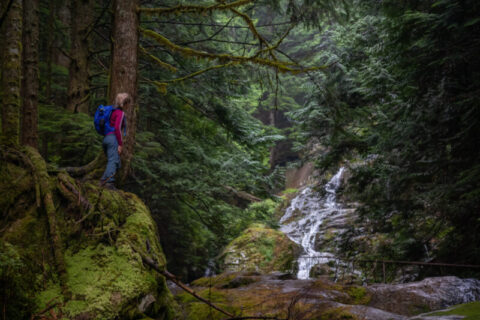
Adventurous female hiker is enjoying a view of a waterfall during a foggy day.

Whether you’re a first-time visitor or a seasoned west coast explorer, Vancouver Island is a hiker’s paradise! From rugged coastal trails and ancient forests to alpine lakes and wildlife-rich estuaries, the Island offers some of the best hikes in British Columbia, all infused with the island’s signature wild beauty.

This curated list of top hikes spans the southern tip near Victoria and Sooke to the far reaches of Cape Scott and the Alberni Valley. Each trail has something unique to offer, from panoramic viewpoints to quiet forest paths. With options for every skill level, this guide will help you find the right trail for your next outdoor adventure, whether you’re chasing ocean views, rainforest solitude, or a bucket-list backcountry climb.

Looking for the perfect vacation rental on Vancouver Island? From waterfront stays to mountainside estates, we’ve got the very best of Vancouver Island right here!

Why Hike on Vancouver Island?

Rainforest meets rugged coastline

Vancouver Island’s trails wind through one of the world’s rare temperate rainforests. Towering Douglas firs, red cedars, and moss-covered maples dominate the landscape. Underfoot, ferns, salal, and mushrooms thrive in the damp, shady understory.

Wildlife and seasons worth watching

Vancouver Island is home to black bears, Roosevelt elk, bald eagles, otters, and whales. Depending on the season and location, hikers may hear sea lions barking offshore or catch the flash of spawning salmon in a nearby stream.

Accessibility with adventure

Some of the most incredible scenery is just a short drive from towns and cities. Day hikes near Victoria and Sooke can feel worlds away, but they’re only 30 to 60 minutes from local shops and restaurants. That means visitors don’t need to be backcountry experts to enjoy wild, spectacular trails.

The 10 Best Hikes on Vancouver Island

Difficulty: Moderate
Time: 4 to 6 hours
Why We Love It: Coastal rainforest and remote beaches
Great For: Intermediate hikers, photographers, ocean lovers

This coastal segment of the Juan de Fuca Trail is rugged and unforgettable. Expect wooden walkways, tidal shelves, and the salty smell of the open Pacific. Sombrio Beach is a popular starting point and offers access to hidden waterfalls and surf breaks. Botanical Beach, at the other end, is famous for its tide pools filled with colourful marine life.

Difficulty: Moderate to Hard
Time: 6 to 8 hours
Why We Love It: A taste of a bucket-list trail without the full trek
Great For: Experienced hikers, adventure seekers, coastal explorers

While the full West Coast Trail is a multi-day undertaking, a day hike from either trailhead offers a sample of what makes it legendary. Hikers can expect ladders, boardwalks, and thick rainforest, with sweeping ocean views along the way. Be prepared for wet, muddy terrain and a good physical challenge.

Difficulty: Hard
Time: 2 to 3 hours
Why We Love It: A steep climb with massive views
Great For: Local hikers, sunrise chasers, fitness enthusiasts

Located just outside Victoria in Goldstream Provincial Park, this popular trail packs a punch! The climb is short but intense, leading to a rocky summit with panoramic views of the Saanich Peninsula and distant Olympic Mountains. Best tackled in dry weather, as parts of the route require scrambling on exposed rock.

Difficulty: Easy
Time: 1 to 2 hours
Why We Love It: Ocean views and easy access
Great For: Families, casual walkers, storm watchers

This well-maintained trail winds along the coast near Ucluelet, offering benches, interpretive signs, and incredible viewpoints at every turn. It’s an ideal introduction to west coast hiking, with the bonus of crashing surf, sea stacks, and potential whale sightings. Perfect for any age or ability.

Difficulty: Easy to Moderate
Time: 2 to 3 hours round trip
Why We Love It: Remote beach, sea stacks, and wilderness quiet
Great For: Families, beginner hikers, landscape photographers


This trail offers one of the most iconic beach hikes on the island. After an easy walk through second-growth forest, hikers emerge onto a wide, sandy bay dotted with sea stacks. The trailhead is at the northern tip of Vancouver Island, making it ideal for those exploring beyond the usual tourist routes.

Difficulty: Moderate to Hard
Time: 4 to 6 hours
Why We Love It: Rugged coastal hiking at its finest
Great For: All-day hikers, nature lovers, oceanview fans

Winding through rocky bluffs, forest groves, and tidepools, this trail offers everything a coastal hike should. Located near Sooke, it’s easily accessible from Victoria but feels completely wild. Expect elevation changes, exposed rocks, and plenty of rewarding views across the Strait of Juan de Fuca.

Difficulty: Moderate
Time: 3 to 4 hours
Why We Love It: Panoramic views with a peaceful vibe
Great For: Up island hikers, solitude seekers, fall colour chasers

Less crowded than other summit hikes, this trail climbs through quiet forest to a lookout above Port Alberni. The reward is a sweeping view of the inlet and surrounding mountains. It’s especially beautiful in autumn, when the trees light up in gold and crimson.

Difficulty: Moderate to Hard
Time: 6 or more hours (day segment only)
Why We Love It: Access to Canada’s tallest waterfall
Great For: Strong hikers, Strathcona fans, waterfall hunters

Most visitors tackle this multi-day hike on a backpacking trek, but the first section is a rewarding day trip in its own right. After a boat shuttle across Great Central Lake, hikers venture into one of Vancouver Island’s most remote areas. Towering trees, alpine creeks, and glimpses of Della Falls make the effort worthwhile!

Difficulty: Hard
Time: 3 to 5 hours
Why We Love It: A local challenge with a stunning payoff
Great For: Nanaimo adventurers, training hikes, peak baggers

Rising behind the city of Nanaimo, Mount Benson is a classic summit hike with forested switchbacks and rocky climbs. At the top, hikers are treated to expansive views of the Strait of Georgia, Gulf Islands, and the city below. This is a popular trail, so start early for the best experience.

Difficulty: Easy
Time: 1 to 1.5 hours
Why We Love It: Waterfalls, bridges, and forest in one neat package
Great For: Families, new hikers, casual nature lovers

This scenic loop near Parksville takes visitors past a series of tumbling waterfalls and over several wooden bridges. The trail is short and easy, with picnic spots and plenty of photo opportunities. It’s a great way to experience the lush side of Vancouver Island without venturing far from town.

When is the Best Time to Hike on Vancouver Island?

Spring brings rushing waterfalls, wildflowers, and the return of migratory birds. Many trails are quieter and the weather is mild, though still wet.


Summer is the most popular season, with dry trails and longer daylight hours. High-elevation trails and alpine areas open up in July and August.


Fall offers crisp air, vibrant foliage, and fewer crowds. It’s one of the most underrated times to hike, especially in areas like the Alberni Valley or Strathcona Park.


Winter is ideal for low-elevation trails near Victoria, Sooke, and Ucluelet. Coastal hikes remain accessible, and storm watching adds drama to the views.


Always check local trail conditions and weather forecasts before heading out, especially between November and April.

What to Pack for a Day Hike on Vancouver Island

items being packed for a hike - jecket, boots, backpack, camera - Vancouver Island trailsWaterproof clothing
This rainforest lives up to its name! Even in the summer, it’s a good idea to bring a wind and waterproof jacket and a light layer underneath. In the winter, you’ll want to make sure you layer with technical material and have a good quality waterproof outer layer.

Good footwear
Sturdy hiking boots with ankle support are essential, especially on coastal or muddy trails! Consider hiking poles for longer hikes as you never know when tired legs will meet a technical section of the trail. 

Navigation tools
Even popular trails can have poor signage. A downloaded map, GPS app, or even a paper map if you can find one is smart to have!

Water and snacks
Always carry enough water, especially in remote areas where streams may not be safe to drink from. If you’re going on long hikes, you’ll want to bring some iodine tablets with you to clean the water from streams and rivers that you find.

Bear spray and whistle
Dangerous wildlife encounters are rare but always possible in this wilderness! If you’re in a very remote area, you may want to make noise on the trail and it’s always a good idea to hike in groups when possible.

Extra socks
Dry feet can make all the difference, especially on wet or boggy trails!

Ready to Explore the Best Hiking Trails on Vancouver Island?

From rain-soaked forests to windswept ridgelines, Vancouver Island’s trails offer a hiking experience like no other. Whether you’re travelling with family, seeking solitude, or chasing views, there’s a trail waiting to be discovered.

Hot tub with amazing views.

Book your stay with EMR Vacation Rentals and find the perfect home base on Vancouver Island! With full kitchens, hot tubs, and plenty of space to relax after a day on the trail, EMR has everything needed for a comfortable and scenic getaway. Start planning your island adventure today!

Living on Vancouver Island: What to Know Before You Relocate

view of the Saanich Inlet and Peninsula from the Malahat at sunset

Considering a move to Vancouver Island? This west coast gem of British Columbia is known for its natural beauty, relaxed lifestyle, and close-knit communities. With lush rainforests, charming coastal towns, and year-round outdoor activities, it’s no wonder that more and more Canadians and international newcomers are setting their sights on the island. Whether you’re relocating for work, retirement, or simply a change of pace, Vancouver Island offers a high quality of life for those seeking something different from the hustle of mainland or urban living.

Before making the leap, it’s important to understand what life here really looks like. From cost of living and housing to job opportunities and lifestyle fit, here are the essentials you need to know!

If you’re serious about a relocation, booking a long-term vacation rental with EMR Vacation Rentals is one of the best ways to explore the island and get a real sense of what living here could be like!

Pros & Cons of Living on Vancouver Island

PROS

  • Year-round access to hiking, kayaking, biking, and wildlife viewing
  • Breathtaking ocean views, rainforests, and natural beauty
  • Mild climate compared to much of Canada
  • Smaller towns with strong sense of community
  • High-quality healthcare and education
  • Great for outdoor enthusiasts and relaxed lifestyles

CONS

  • Higher cost of living, especially groceries and housing
  • Competitive real estate and rental markets
  • Fewer job opportunities outside healthcare, education, and tourism
  • Limited nightlife and cosmopolitan options
  • Slower pace may not suit everyone
  • Rainy winters, especially in coastal regions

Is Vancouver Island Right for You?

soft, cool sunrise light over a pebbly beach with snowcapped mountains in the distance Island living isn’t one-size-fits-all. People relocating from larger cities like Vancouver, Toronto, New York, or Los Angeles may appreciate the slower pace, natural beauty, and easy access to outdoor recreation. However, they may also miss the variety, energy, and anonymity of urban life. Vancouver Island has no true metropolis. Even its largest cities feel like small towns compared to major urban centres. For Canadians from provinces like Nova Scotia or Quebec, the lifestyle may be desirable, but the housing prices can be a shock. Meanwhile, Americans from the southern U.S. may struggle with the cooler climate and grey winters, even though the natural surroundings are stunning year-round.

Those best suited to island life are typically:

  • Remote workers or digital nomads
  • Retirees seeking a slower, nature-forward lifestyle
  • Outdoor enthusiasts and creatives
  • Families looking for safe, tight-knit communities

Those who may struggle include:

  • Singles or couples who thrive on nightlife and cosmopolitan experiences
  • Anyone dependent on large-scale industry or niche job markets
  • People uncomfortable with seasonal rain and fewer big-city amenities

South Vancouver Island: Greater Victoria & the Cowichan Valley

The vibe: Refined, artistic, and community-oriented with city perks and coastal beauty.

Main centres: Victoria, Sidney, Saanich, Sooke, Duncan

Best for: Professionals, retirees, and those seeking amenities with a small-town feel

Considerations: High housing costs, traffic near Victoria, and limited nightlife

Greater Victoria encompasses Victoria, Sooke, Langford & Westshore, and the Saanich Peninsula. 

Victoria, the capital city of British Columbia, is a hub for healthcare, education, and government. It’s also home to a rich arts scene, historic architecture, and walkable neighbourhoods filled with cafes, bookstores, and boutiques. 

The surrounding Saanich Peninsula and the oceanfront town of Sidney offer a quieter lifestyle with great access to parks and beaches.

On the far west coast of South Vancouver Island, Sooke stuns with its wild, rugged coastline and quaint village lifestyle.

The Cowichan Valley, stretching north of Duncan and Lake Cowichan, is known for its vineyards, ciderhouses, and relaxed agricultural communities. The area has a strong First Nations presence and a growing food and drink scene, making it a culturally rich and laid-back place to settle.

Central Vancouver Island: Nanaimo, Parksville, Qualicum Beach & the Comox Valley

The vibe: Friendly, affordable (in parts), and ideal for families and retirees

Main centres: Nanaimo, Parksville, Qualicum Beach, Courtenay, Comox

Best for: Outdoor lovers, families, and semi-retirees

Considerations: Fewer nightlife options, car-dependent in many areas

Nanaimo is a vibrant city with a growing job market in education, healthcare, and transportation. It also offers excellent ferry access to the mainland. Further north, Parksville and Qualicum Beach are peaceful seaside resort towns known for sandy beaches and active retirement communities. These towns combine natural beauty with a slower pace of life.

The Comox Valley, including Courtenay and Comox, is a hub for outdoor recreation and artistic culture. Residents enjoy skiing Mount Washington in winter, biking trails in summer, and a strong local food scene all year long.

North Vancouver Island: Campbell River, Port McNeill & Telegraph Cove

The vibe: Rugged, affordable, and full of outdoor opportunity

Main centres: Campbell River, Port Alberni

Best for: Affordability, fishing, and easy access to nature

Considerations: Limited jobs outside of trades and services; more remote feeling

Campbell River is known as the salmon capital of the world! It’s a hardworking coastal city with whale watching, fishing, and boating built into its lifestyle and a perfect fit for any avid anglers!

Port Alberni, located inland, offers some of the most affordable housing options on the island. With easy access to forest trails, lakes, and rivers, these communities appeal to adventurers and those seeking a break from the hustle.

West Coast Vancouver Island: Tofino & Ucluelet

The vibe: Wild, artistic, and quietly luxurious

Main centres: Tofino, Ucluelet

Best for: Nature lovers, creatives, and those wanting a truly relaxed lifestyle

Considerations: Expensive housing, remote access, and limited healthcare services

Tofino and Ucluelet are small towns with global reputations. Known for surfing, storm watching, and stunning old growth forests, the west coast is where you go to get away from it all. The real estate market is steep, and permanent jobs can be scarce, but for artists, remote workers, or those in the hospitality industry, the lifestyle is hard to beat.

Cost of Living & the Real Estate Market

Quick Look:
  • Housing: Victoria & Tofino = high; Nanaimo & Campbell River = moderate; Port Alberni = more affordable (Sources: WorkBC, Living Wage BC, Numbeo) 
  • Groceries & Fuel: 6–15% higher than on the mainland 
  • Utilities: Comparable to BC average
  • Rental Market: Tight in most areas; long-term rentals are in high demand


Vancouver Island’s cost of living is above average, especially when it comes to groceries, fuel, and housing. According to WorkBC’s Cost of Living Calculator, a family of four in Greater Victoria needs an annual household income of $108,168 to maintain a basic standard of living. Numbeo’s cost comparison data shows that groceries and restaurant prices in Victoria are approximately 6–12% higher than in Vancouver. 


The real estate market remains competitive: as of early 2024, benchmark home prices average around $935,000 in Victoria, $770,000 in Nanaimo, and $550,000 in Port Alberni. Rental demand is high across most regions, with low vacancy rates making long-term rentals especially competitive.

What Daily Life Looks Like

Quick Look:

  • Outdoor activities: Kayaking, hiking, surfing, storm watching, wildlife watching

  • Community life: Farmer’s markets, art galleries, local volunteering, seasonal events

  • Climate: Mild winters, warm summers, and regular rain. Especially from November to March

  • Lifestyle: Relaxed, community-driven, nature-oriented, with occasional logistical trade-offs

Living on Vancouver Island isn’t just about where you live, it’s about how you live! The day-to-day rhythm here is shaped by nature, seasons, and community. For most residents, life centres around proximity to the outdoors: whether it’s walking the dog along a foggy beach, paddling out for a morning kayak, or heading to a forest trail for a post-work hike, daily life leans into the island’s wild, restorative beauty.


The pace is noticeably slower. Many shops close early, and nightlife is limited outside of Victoria. Instead, the evenings are filled with home-cooked meals, board games, craft beer, and watching storms roll in from the Pacific. Weekends revolve around farmer’s markets, community events, local breweries, and seasonal festivals. This is especially true in smaller towns where community involvement is strong.


In more urban areas like Nanaimo or Victoria, the lifestyle includes coffee shop culture, independent bookstores, yoga studios, and access to healthcare and education. In rural and coastal towns, it may mean living off well water, relying on ferries, and planning ahead for winter storms or power outages. In many areas, self-sufficiency and a deep respect for nature are embedded in everyday life.


For families, island life offers space to grow, outdoor adventures, and strong school communities. For retirees, it means tranquility and access to nature. For professionals and remote workers, it’s a place to find balance between career and quality of life. Provided your field aligns with the local job market or you’re set up to work remotely.

Try Before You Buy: Long-Term Rentals with EMR

smiling couple with a suitcase enter a room - vacation rentals

The best way to see if island life is right for you is to live it! EMR Vacation Rentals offers long-term stays in fully furnished, professionally managed homes across Vancouver Island. Stay for a month or more and get a feel for daily rhythms, community fit, and what life here is really like.

Explore EMR’s Island Homes:

EMR Vacation Rentals offers an impressive selection of long-term rental homes that reflect the diversity of lifestyles across Vancouver Island. Whether you’re looking for a modern oceanside condo in a vibrant city centre, a forest-fringed cottage in a laid-back surf town, or a spacious family home in a rural farming valley, EMR has something for everyone!

For urban convenience and

Mount Finlayson View Villa Main Image - EMR vacation rentals

professional access, explore homes in Greater Victoria and the Saanich Peninsula.


For a relaxed, family-friendly setting with ocean views and hiking trails, Parksville, Qualicum Beach, and Nanaimo offer wonderful options.


For those seeking an outdoorsy lifestyle in creative, connected communities, check out the Comox Valley and Cowichan Valley.


For peace, quiet, and a slower pace of life, our Sooke properties place you right next to wild beaches and west coast forests.


From retirees and remote workers to young families and digital nomads, EMR’s wide range of professionally managed and fully furnished  properties lets you experience the real rhythms of Vancouver Island before making your move permanent.

Is Living on Vancouver Island Right for You?

Vancouver Island offers an exceptional lifestyle rooted in natural beauty, community, and connection. It’s not the right fit for everyone but for many, it offers a better balance than most people.

Explore before you relocate! Book a long-term rental with EMR Vacation Rentals and experience island living for yourself!

A Traveller’s Guide to Sidney, BC

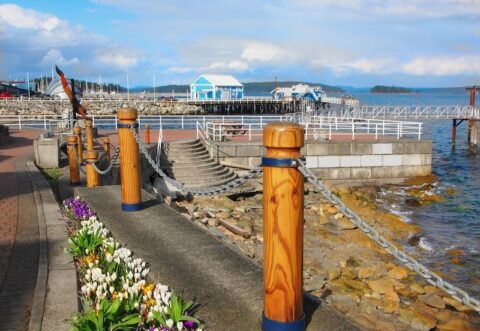
View of Sidney oceanfront walking path - Lochside Trail on a sunndy day towards the marina - blue marina structure in the background

Tucked along the southeastern edge of Vancouver Island, Sidney, BC is a charming waterfront town that blends small-town warmth with west coast adventure. From kayaking the sheltered coastline to browsing local markets, this Canadian gem on the Saanich Peninsula is an ideal stop for travellers seeking relaxation, exploration, and seaside charm!

As a locally owned vacation rental company with properties throughout Greater Victoria and the Saanich Peninsula, EMR Vacation Rentals knows the ins and outs of this vibrant region. Whether you’re planning a romantic weekend or a family getaway, we’re here to help you make the most of your time in Sidney!

Looking for the perfect home base? EMR’s Sidney Vacation Rentals has you covered with cozy, well-appointed homes just minutes from the Sidney waterfront.


A Quick Introduction to Sidney, BC

Known affectionately as Sidney by the Sea, this laid-back town offers stunning views of the Gulf Islands and easy access to both nature and culture. Just 30 minutes north of Victoria and located in the heart of the Saanich Peninsula, Sidney is surrounded by ocean, farmland, and forest — making it one of the most picturesque spots on the west coast of Canada.

Sidney is part of Greater Victoria, but it has a unique identity all its own. The town of Sidney and surrounding area of North Saanich is the traditional territory of the W̱SÁNEĆ First Nations giving it rich cultural roots and a strong sense of community. Whether you’re exploring the Sidney waterfront, walking Beacon Avenue, or catching the sunrise over the Salish Sea, you’ll quickly see why this Canadian coastal town is so beloved.


Top Things to Do in Sidney, BC

From marine discovery to lush gardens and outdoor adventure, Sidney is packed with memorable experiences for all ages and interests!

Stroll Beacon Avenue

Sidney’s main street, Beacon Avenue, is a walkable delight. Lined with local shops, cafés, bookstores, and galleries, it’s the perfect place to spend a sunny afternoon!

Go Whale Watching

Sidney is one of the best spots on Vancouver Island for whale watching tours. Depart from the marina for the chance to see orcas, humpbacks, porpoises, and sea lions in their natural habitat.

Explore the Shaw Centre for the Salish Sea

This vibrant aquarium and marine centre on the waterfront showcases over 3,500 marine creatures from the Salish Sea ecosystem. It’s educational, interactive, and a great option for families or rainy days!

Paddle the Coastline

Calm waters and scenic coves make Sidney a great spot for kayak adventures. Paddle past seals, seabirds, and hidden beaches, or join a guided tour to learn about the local marine ecology.

Visit The Butchart Gardens

Just a short drive from Sidney, Butchart Gardens is a world-famous botanical garden with year-round floral displays.


Looking for more things to do in Sidney BC? We’ve got the ultimate list of attractions and activities here: Top 10 Things to Do in Sidney BC


Best Time to Visit Sidney, BC

Sidney is a year-round destination, with each season offering something special. Here’s a quick look at what to expect:

Spring in Sidney

Mild temperatures and blooming gardens make spring a stunning time to visit. Local parks come alive with cherry blossoms and migrating birds, and it’s a quieter time before summer crowds arrive.

Summer in Sidney

Long days, warm weather, and packed event calendars define summer in Sidney. Enjoy waterfront festivals, open-air markets, and peak wildlife viewing.

Fall in Sidney

Autumn brings golden leaves and harvest events to the Saanich Peninsula. It’s an excellent time for wine tasting, coastal walks, and shoulder-season savings on accommodations.

Winter in Sidney

Winter is peaceful, with cozy cafés, holiday events, and stormy ocean views. Visit the aquarium, book a spa day, or explore indoor galleries while enjoying fewer crowds.


Best Restaurants in Sidney, BC

Sidney’s culinary scene is growing fast, with local ingredients and waterfront views taking centre stage. Here are a few of our favourites near Beacon Avenue and downtown Sidney:

For more listings you can check our favourite eateries here: Walk-ins-Welcome: Best Restaurants in Sidney BC


Tips for Visiting Sidney, BC

Make your visit smooth and memorable with these local insights:

Explore Sidney on foot. The downtown core is walkable, with beaches, shops, and parks just steps apart!

Visit Beacon Park during the summer. It hosts concerts, markets, and family-friendly events along the water.

Check out the street market. Sidney’s summer Street Market on Thursdays is a highlight for locals and visitors alike.

Time your trip around annual events. From the ArtSea Festival to the Christmas Parade, Sidney loves a good celebration!

Use Sidney as your Gulf Islands base. With both BC ferries and private charters close by, it’s easy to explore many of the Southern Gulf Islands!


Ready to Discover Sidney BC?

With its walkable charm, stunning Sidney waterfront, and vibrant downtown, the town of Sidney is the perfect home base for exploring southern Vancouver Island. Nestled between the Swartz Bay ferry terminal and Victoria International Airport, it’s easy to reach—but even easier to stay and enjoy. Whether you’re here for a seaside retreat, a nature-filled adventure, or a relaxing weekend close to Victoria, this coastal town delivers a uniquely west coast Canadian experience.

Book your Sidney getaway with EMR Vacation Rentals and enjoy local service, curated homes, and all the comforts of a Vancouver Island stay.

Best Places to Visit on Vancouver Island, Canada

soft, cool sunrise light over a pebbly beach with snowcapped mountains in the distance

A Quick Guide to Exploring the Best of Vancouver Island

Looking for the best places to visit on Vancouver Island? Whether you’re planning a road trip from Seattle, flying in via seaplane, or catching a BC Ferries ride across the water, Vancouver Island is one of Canada’s most stunning destinations and it’s brimming with unforgettable experiences! From storm watching on the wild west coast to hiking through old-growth forests, this island delivers year-round adventure.

We know this slice of British Columbia like locals, because we are locals! So if you’re wondering where to go, what to see, and what you truly can’t miss, you’re in the right place.The Beach House Suite Main Image

Let’s dive into the must-see towns, parks, and hidden gems that make Vancouver Island a world-class travel destination!

Book the perfect Vancouver Island vacation rental right here!


Why Vancouver Island Is Worth the Trip

Vancouver Island is one of North America’s most diverse and naturally beautiful regions. Located off the west coast of British Columbia, this island stretches from the artsy community of Victoria in the south to the rugged wilderness of Cape Scott in the north.

What makes it so special? You’ll find sandy beaches and surfing in Tofino, grizzly bear viewing tours in Campbell River, wineries and totem poles in the Cowichan Valley, and access to some of Canada’s best whale watching tours. Whether you’re into kayaking, hiking trails, or exploring cultural heritage, Vancouver Island has something for everyone! And it’s all wrapped in a distinctly Canadian blend of warmth and wilderness.

Top Places to Visit on Vancouver Island

1. Tofino & Uclueletaerial view of Chesterman Beach in Tofino at Sunset

These west coast surf towns are a must-see—which is why they’re at the top of the list! Tofino is famous for Cox Bay, storm watching, and the Pacific Rim National Park Reserve, while nearby Ucluelet offers access to the iconic Wild Pacific Trail. It’s a paradise for surfers, hikers, and anyone who loves windswept beaches.

2. Campbell River

Known as the “Salmon Capital of the World,” Campbell River is also one of the best places for grizzly bear tours and orca sightings. Take a whale watching tour or explore Elk Falls Provincial Park with its epic suspension bridge.

3. Victoria

Front of the Legislature - Parliament Buildings in Victoria BC - Inner Harbour British Columbia’s capital is full of charm, history, and coastal elegance! Stroll the Inner Harbour, visit the Parliament Buildings, or take in the flowers at Beacon Hill Park! You’ll also find incredible museums, Fisherman’s Wharf and a great food scene right downtown! Head up the Saanich Peninsula to visit the little town of Sidney and the world famous Butchart Gardens.

4. Nanaimo

This central hub is more than just a ferry port — it’s a launching point for day trips, hikes, and outdoor adventures. Explore the Harbourfront Walkway, check out nearby Provincial Parks, or hop a boat to Newcastle Island. Nanaimo is also a foodie-friendly stop with laid-back Canadian charm!

  • Great for: families, road trippers, outdoor enthusiasts

  • Highlights: waterfront boardwalk, kayaking, sandy beaches, Newcastle Island, nearby hikes to Ammonite Falls

5. Comox Valley (Courtenay, Comox & Cumberland)Boat at the Comox Harbour in the Comox Valley - North Vancouver Island BC

Nestled between the mountains and the Salish Sea, the Comox Valley blends coastal beauty with rich agricultural land. It’s a great spot for wineries, local markets, and hiking trails — not to mention some of the island’s best food and views.

6. Port Alberni

A central inland city surrounded by mountains and lakes, Port Alberni is a hidden gem for hiking, boating, and exploring old-growth forests. It’s also the gateway to the island’s rugged west coast.

7. Telegraph Cove

This tiny, postcard-perfect village on Northern Vancouver Island is one of the best places in Canada for spotting orcas and humpback whales. It’s also a top destination for eco-tours and sea kayaking!

Coast Salish Totem pole - wood colour no paint - BC Fist nations8. Duncan & the Cowichan Valley

Rich in First Nations heritage and renowned for its totem poles, Duncan is the cultural heart of the Cowichan Valley. Surrounded by lush hills and vineyards, this region is home to award-winning wineries, warm lakes, and charming coastal towns!

  • Great for: cultural travellers, wine enthusiasts, weekend escapes

  • Highlights: totem poles walking tour, Kinsol Trestle, Cowichan Bay, wine touring by bike, farmers’ markets

9. Port Renfrew

This remote village on the west coast is where the West Coast Trail begins (or ends). It’s also a fantastic base for rainforest hikes, rugged coastline walks, and hidden beaches.

  • Great for: hikers, adventurers, peace-seekers

  • Highlights: Botanical Beach tide pools, Juan de Fuca Trail, surf spots, Cape Scott connections for backcountry trekking

10. Coombs & Cathedral Grove

Coombs is quirky and unforgettable — especially the Old Country Market, where you’ll often find goats happily grazing on the roof! Nearby, Cathedral Grove in MacMillan Provincial Park is one of the most awe-inspiring old-growth forests on the island.

  • Great for: families, road trips, anyone with a camera

Highlights: goats on the roof, local artisan shops, Cathedral Grove’s ancient forest, proximity to Parksville

Best Time to Visit Vancouver Island

Vancouver Island is a year-round destination — the best time really depends on what you want to experience.


Spring

This is the time when wildflowers bloom, the trails dry out, and it’s shoulder season for travel! Storm watching gives way to whale watching where you can see resident orcas and early migrating humpbacks.


Summer

Summer is peak season on Vancouver Island! You’ll find great weather, perfect for kayaking, beach days and boardwalk strolls in charming towns. It’s also the busiest time for the entire island so be prepared to book ahead no matter what you’re planning to do!


Fall

Harvest season brings food festivals, wine tastings, and stunning foliage, especially around the Cowichan Valley! You’ll find many sunny days before the rains set in and with fewer crowds, cities and coastlines are peaceful.


Winter

Vancouver Island is a rainforest so in the winter, expect rainy days, stormy seas and cozy getaways! Some of the best things to do during this season is storm watching in Tofino, wildlife viewing around Campbell River, and indoor visits to places like the Parliament Buildings in Victoria or Shaw Center for the Salish Sea in Sidney. There are tons of options to make winter a magical off-season option!

Bonus Travel Tips for Vancouver Island

Take the scenic route! A road trip lets you explore hidden gems between the bigger towns — perfect for spontaneous stops.

Seaplane coming in for a landing on the coast of BC - Vancouver Island Harbour Air Ride BC Ferries or a seaplane! Both offer iconic views of the Gulf Islands and Strait of Georgia.

Dress for the weather. Even in summer, layers are key on the west coast.

Book wildlife tours early! Whale watching and grizzly bear tours often sell out fast, especially in high season.

Respect Indigenous lands. Every town and city on Vancouver Island are located on traditional territory, ancestral homes of First Nations people like the W̱SÁNEĆ and Nuu-chah-nulth. Always travel with care and respect.

Ready to Explore the Best of Vancouver Island?

From black bears in the north to surfing in the west, Vancouver Island is one of Canada’s most dynamic travel destinations! Whether you’re planning a family getaway to Parksville, a romantic trip to Tofino, or a backcountry trek through a Provincial Park, there’s something here for everyone.

Book your perfect home base with EMR Vacation Rentals — from oceanside cottages to forested retreats, we have the perfect stay for your island adventure!