Caves and Spelunking on Vancouver Island

Joyful female tourist greeting her male companion, walking out of dark cavern in rocks

Vancouver Island, British Columbia, Canada is one of the most impressive caving destinations in North America. Beneath its forests, mountains, and rugged west coast lies an extensive network of karst landscapes shaped by water over thousands of years. These underground environments include dramatic cave systems, crystal formations, underground rivers, and delicate ecosystems found nowhere else.

Beautiful backyard living and garden spaces.

Whether you are new to spelunking or an experienced caver looking for your next challenge, Vancouver Island offers a range of cave experiences, from accessible guided tours to remote self-guided exploration. With proper preparation and respect for the environment, caving here can be a rewarding, year-round adventure. Pair your trip with a comfortable home base and explore some of the most fascinating underground terrain in Canada!

Explore Vacation Rentals


What to Know Before You Go Caving on Vancouver Island


Quick Look: Vancouver Island Caving Basics

Best for: Adventure seekers, nature lovers, curious first-time cavers

Season: Year-round, though conditions vary by cave system

Experience levels: Beginner to advanced

Tour options: Guided tours and self-guided tours

Essential gear: Headlamp, sturdy footwear, warm layers

group of smiling people on an outdoor adventure wearing blue helmetsCaving on Vancouver Island is not a casual walk underground. These are natural cave systems formed within karst landscapes, often featuring uneven terrain, narrow passages, and active water flow. For first-time visitors, guided tours are strongly recommended, especially within provincial parks where access and conservation rules are enforced.

Experienced cavers may explore select sites independently, but self-guided cave exploration should only be attempted with appropriate skills, equipment, and local knowledge. Protecting cave ecosystems is critical, as even minor disturbances can permanently damage fragile formations.

Book a Home Today!


The Best Places for Caving and Spelunking on Vancouver Island

Horne Lake Caves Provincial Park

Location: Near Qualicum Beach and Parksville

Best for: First-time cavers and guided cave tours

Access: Designated parking lot off the highway

Experience type: Guided tours, limited self-guided access

Notable Experience: Riverbend Cave

Horne Lake Caves Provincial Park is the best place on Vancouver Island to try caving or spelunking for the first time. Located near Qualicum Beach and Parksville, this protected provincial park offers professionally guided cave tours through a connected karst cave system, making it both accessible and educational for beginners.

Man walking and exploring dark cave with light headlamp underground. Mysterious deep dark, explorer discovering mystery moody tunnel looking on rock wall inside.Guided tours are the main way visitors explore the caves, and for good reason! The routes are designed to introduce first-time cavers to cave exploration in a safe, structured way, with experienced guides leading the way. Depending on the tour, you may walk through wide underground chambers, navigate ladders, scramble over rock features, or descend short sections by rappel. Along the way, guides explain how karst landscapes form, how underground rivers shape the caves, and why crystal formations and cave ecosystems need careful protection.

Above ground, the park also offers the Cave and Karst Education Centre and interpretive trails for those who want to learn more without entering a cave. This makes Horne Lake Caves Provincial Park an excellent option for families, mixed-experience groups, or anyone curious about spelunking but unsure where to start.

Riverbend Cave (Guided Experience)

Riverbend Cave is part of the Horne Lake cave system and is often included in guided experiences designed for first-time cavers. Compared to deeper or more technical routes, Riverbend offers a gentler introduction to the underground environment while still showcasing flowing water, sculpted limestone passages, and the sense of exploration that makes caving so memorable.

Because Riverbend is accessed through guided tours, visitors benefit from expert instruction, safety oversight, and interpretation of the cave’s features. It is a popular choice for those who want an authentic cave experience without committing to longer or more physically demanding tours, and it serves as a natural stepping stone for anyone considering more advanced cave exploration in the future.


Upana Caves

Location: Near Gold River on the North Island

Best for: Experienced cavers

Experience type: Self-guided exploration only

Man walking and exploring dark cave with light headlamp underground. Mysterious deep dark, explorer discovering mystery moody tunnel looking on rock wall inside.The Upana Caves are located near Gold River and represent a more remote and demanding cave experience on the North Island. Unlike Horne Lake, these caves are not developed for tourism and are intended for experienced cavers comfortable navigating complex cave entrances and underground terrain.

This area contains extensive karst cave systems that require route-finding skills, proper equipment, and a strong understanding of cave safety. Visitors can expect tight passages, uneven surfaces, and wet conditions depending on the season. The remoteness of the region adds to the appeal but also increases risk, making preparation essential.

Upana is best suited for cavers who already have experience and who understand the responsibility that comes with self-guided cave exploration in sensitive ecosystems.


North Island Karst Cave Systems

Location: Remote North Island regions

Best for: Advanced and experienced cavers

Experience type: Self-guided only

Beyond named caves, the North Island is home to extensive karst landscapes containing numerous undocumented or minimally explored cave entrances. These cave systems play a vital role in local ecosystems, supporting groundwater flow and unique subterranean life.

Because of their remoteness and fragility, these areas are not suitable for casual exploration. Navigation challenges, access restrictions, and environmental sensitivity make them appropriate only for skilled cavers with strong conservation ethics.


Coastal Cave Experiences by Kayak

Location: West Coast Vancouver Island

Best for: Adventure seekers combining kayak and exploration

The rugged cliffs and rocks at Botanical Beach, a popular tourist destination.While not traditional karst caves, sea caves along the west coast of Vancouver Island offer a different type of cave experience. Accessed by kayak, these caves are shaped by ocean forces rather than underground rivers and provide a striking contrast to inland spelunking.

Guided tours are recommended due to changing tides, weather conditions, and marine safety considerations. These experiences pair well with coastal trips and offer a unique way to explore Vancouver Island from both land and water.


Guided vs Self-Guided Caving on Vancouver Island

Guided cave tours are the best option for first-time visitors, families, and anyone new to cave exploration on Vancouver Island. Professional guides not only manage safety and group movement through cave systems, but also help visitors understand how karst landscapes form, why underground rivers behave the way they do, and how crystal formations develop over time. This added context turns a cave visit into a true learning experience rather than just a physical challenge.

young girl exploring a cave with a headlamp onGuided tours are also critical for protecting fragile cave ecosystems. Many caves contain delicate formations and micro-environments that can be permanently damaged by a single misstep. In provincial park settings such as Horne Lake Caves Provincial Park, guided access ensures that exploration remains sustainable while still delivering a memorable and adventurous cave experience.

Self-guided tours should only be considered by experienced cavers who are comfortable with route finding, tight passages, variable water levels, and low-light conditions. These explorers should have a strong understanding of risk management and conservation ethics. Many Vancouver Island cave systems are undeveloped, remote, and sensitive, making preparation and restraint essential to preserving these underground environments for future generations.


Essential Tips for a Safe Cave Experience

Equipment necessary for mountaineering and hiking on wooden backgroundCaving is an inherently adventurous activity, but preparation makes all the difference. Before entering any Vancouver Island cave, make sure you are equipped, informed, and realistic about your experience level.

  • Always carry a reliable headlamp and at least one backup light source. Caves are completely dark once inside, and lighting failures can quickly become dangerous.
  • Wear sturdy, non-slip footwear designed for wet and uneven terrain. Many cave floors are slick, muddy, or rocky.
  • Never cave alone. Even experienced cavers explore in groups to ensure help is available in case of injury or equipment failure.
  • Respect cave ecosystems by avoiding contact with crystal formations, walls, and ceilings. Oils from human skin can permanently damage these features.
  • Follow all provincial park rules, posted signage, and access guidelines. Some cave entrances are seasonally closed to protect wildlife or prevent unsafe conditions.

Approaching caving with care, preparation, and respect ensures a safer experience while helping protect Vancouver Island’s unique underground landscapes.


Where to Stay for Your Vancouver Island Caving Adventure

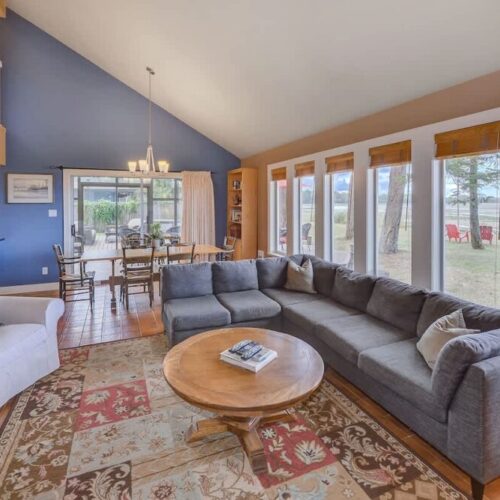
Huge living/entertainment room in the center of the house.Caving destinations on Vancouver Island are spread across several regions, making location an important part of trip planning. Parksville and Qualicum Beach homes offer the most convenient access to Horne Lake Caves Provincial Park, while Nanaimo vacation rentals provide a central base for mid-island exploration. Travellers heading to Gold River or the North Island should plan accommodations carefully due to longer driving distances and limited services.

We offer a wide selection of professionally managed homes across Vancouver Island, giving you a comfortable place to recharge after a day underground. Explore our listings and find the perfect home base for your next cave experience on Vancouver Island.

The Real Cost of Living in Victoria, BC in 2025/2026: A Budgeting Guide for Relocating Professionals

view of Victoria's Inner Harbour from the walkway

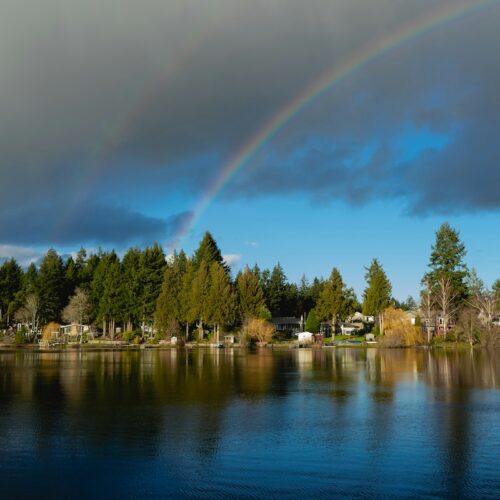
downtown Victoria neighbourhood seen from the water with a rainbow aboveRelocating to Victoria often comes with a bit of sticker shock. The city consistently ranks among the most desirable places to live in Canada, and that demand shows up in housing costs, grocery prices, and everyday expenses. Locals often refer to this premium as the “Sunshine Tax” , a tradeoff for mild weather, ocean access, and a quality of life that is difficult to replicate elsewhere in British Columbia.

That said, understanding the true cost of living in Victoria is the key to making a successful move. With realistic budgeting and the right housing choice, life in Victoria can be manageable, predictable, and well worth the investment.

This guide breaks down monthly expenses in Victoria for 2025 and 2026, with practical context for relocating professionals, remote workers, and families planning their next chapter on Vancouver Island.

Ready to look for furnished rentals in Victoria?

Search Our Listings

A Quick Look: Monthly Cost of Living in Victoria, BC (2025/2026)

Single professional: approximately $2,800 to $3,600 per month

Couple: approximately $3,800 to $4,800 per month

Family of four: approximately $5,200 to $6,500 per month

Largest cost driver: housing, followed by groceries and transportation

Most variable expense: rent and utilities

Budget smoothing tip: furnished, all inclusive rentals reduce upfront and monthly surprises

These ranges vary significantly depending on neighbourhood, housing type, and lifestyle, which is why understanding each category matters.

Housing: The Biggest Line Item in Your Victoria Budget

Rental Prices in Victoria 2025/2026

Beacon Hill View Condo Main Image

Housing remains the most expensive and least flexible part of the cost of living in Victoria. Rental demand has been strong for several years, driven by limited housing supply, population growth, and increased interest from remote workers.

For renters relocating from outside the region, understanding the difference between advertised rent and true monthly housing costs is critical.

Average Monthly Rental Costs in Victoria

Rental Type

Studio apartment

One bedroom apartment

Two bedroom apartment

Furnished mid-term rental

Average Monthly Rent

$1,600 to $1,900

$2,000 to $2,400

$2,700 to $3,300

$2,900 to $4,200

Unfurnished rentals often appear less expensive at first glance, but those base prices rarely reflect the full cost of settling in.

Furnished vs Unfurnished Rentals: The Real Cost Difference

In Victoria, most rentals are unfurnished and geared toward local tenants who already live nearby, own their furniture, and are simply moving between permanent homes. Traditional rental searches reflect this reality, with the majority of listings assuming long term occupancy and full tenant setup.

Living room space to enjoy with fantastic views.

For relocating professionals or those seeking short to mid term stays of 30 to 90 days, this can be challenging. Unfurnished rentals typically require furniture purchases, utility hookups, internet installation, and setup fees. For newcomers, these upfront costs and logistics can quickly add up to several thousand dollars before the first month even begins!

However, furnished rentals, particularly those designed for mid and long term stays, bundle utilities, internet, and furnishings into a predictable monthly rate. This makes budgeting easier during the first three to six months in Victoria, especially for those transitioning jobs, working remotely, or evaluating neighbourhoods before committing long term.

How EMR Can Help

Our vacation rentals are furnished, all-inclusive homes across Greater Victoria, removing many of the hidden costs that catch new residents off guard. For many relocating renters, this approach provides stability while they learn the city and plan next steps.

Grocery Costs and the “Island Tax”

Why Groceries Cost More on Vancouver Island

Beautiful young woman is doing shopping at the supermarket. A shopping cart full of goods in the foregroundVictoria’s grocery prices are consistently higher than mainland cities due to transportation logistics. Many goods arrive by ferry, adding fuel and shipping costs that are passed along to consumers. Combined with national food inflation of roughly 6%, grocery spending has become a meaningful part of monthly expenses in Victoria.

Average Monthly Grocery Costs

Single adult: approximately $475 to $575 per month

Couple: approximately $800 to $1,000 per month

Family of four: approximately $1,200 to $1,400 per month

These estimates assume a mix of home cooking and occasional dining out while more frequent restaurant meals can push monthly food costs significantly higher.

Where You Shop Makes a Difference

Grocery prices in Victoria vary widely depending on where and how you shop. Premium neighbourhood markets, specialty food stores, and convenience focused grocers tend to carry higher price tags, while larger, value oriented grocery stores generally offer more predictable pricing for weekly essentials.

For relocating professionals and families, the most effective way to manage grocery costs is to separate everyday staples from discretionary purchases. Many residents rely on larger grocery stores for routine items and supplement with local markets or specialty shops as needed, rather than doing all of their shopping in one place.

This approach helps keep monthly grocery spending within budget while still allowing flexibility for higher quality or locally sourced foods when desired. Over time, most newcomers naturally find a balance that matches both their lifestyle and budget.

Utilities, Internet, and Staying Connected


Electricity, Heating, and Basic Utilities

Utility costs in VictoriaRound smart thermostat with touch screen installed on the wall indoors. Smart home heating regulation concept. View with copy space are generally lower than in many Canadian cities due to the region’s mild climate, but they can still vary widely. Most households are served by BC Hydro, with average electricity bills typically ranging from $150 to $600 per month depending on the size and age of the home and the number of occupants.

The most significant cost in most homes is heating in winter and cooling in summer if the house is equipped with air conditioning. Older homes and apartments often don’t have air conditioning but are equipped with electric baseboard heating and tend to see higher bills during colder months. This is particularly true in older, heritage buildings with poor insulation or drafty windows. Newer builds, townhomes, and purpose built rentals are often more energy efficient and provide more predictable monthly utility costs.

In addition to electricity, renters also have to factor in water, garbage, and recycling fees if these are not included in rent. In unfurnished rentals, these costs are often passed through by the landlord, adding another layer of variability to monthly expenses.

Internet and Mobile Connectivity

Laptop on table with a video call on the screen in living room. People using VoIP to connect together.Reliable internet is a non-negotiable expense for remote workers and professionals relocating to Victoria. High speed internet plans typically range from $90 to $120 per month, depending on speed and provider. Factor installation appointments, modem rentals, and setup fees often means a larger bill than expected and can also delay service during a move!
The primary internet providers in the region are Shaw and Telus, both of which offer a range of plans suitable for video conferencing, remote work, and streaming..

When it comes to mobile phone plans, Canada ranks as one of the most expensive countries. In BC, most residents pay between $70 and $100 per line for plans with sufficient data for everyday use, however, plan providers often provide seasonal deals and discounts for additional lines so shopping around is recommended.

With furnished, all-inclusive rentals, everything is ready right at check-in.

Utilities, high speed internet, furnishings, and household essentials are already in place. Aside from setting up a personal phone plan, there is little to manage. This allows relocating professionals and families to settle in immediately, budget accurately, and focus on work and life rather than complicated logistics.

The True Cost of Owning a Vehicle in Victoria

Gas prices in Victoria have averaged around $1.63 per litre in the past year and are often higher than mainland British Columbia due to transportation and supply factors. When fuel is combined with insurance, maintenance, parking, and occasional repairs, vehicle ownership can easily cost anywhere from $600 to $900 per month and increases from there.

Parking is another consideration, particularly in central neighbourhoods. Most homes and apartments include parking, or offer limited, free street parking while others can charge additional monthly fees. For professionals commuting to work downtown, these costs can balloon into a large, unforeseen monthly cost.

Public Transit, Walkability, and Alternatives

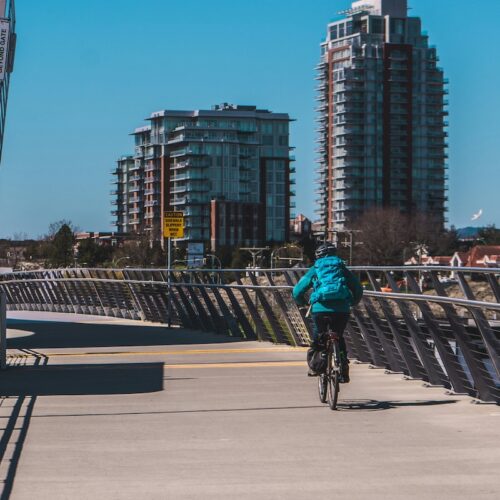
cyclist biking in Victoria on a sunny dayVictoria’s compact size and established bus network make car free commuting a realistic option in many areas. While the public transit system in Victoria is not as extensive as some cities, many use it to commute as it offers significantly lower monthly costs compared to driving a daily vehicle.

Walking and cycling are also popular, particularly during the spring and summer months, with many neighbourhoods designed with daily errands and commuting in mind.

Cycling in Victoria is a popular mode of transportation for much of Victoria’s work force with dedicated bike lanes, trails and routes that weave throughout the city and connect more remote areas to the downtown core. Another aspect that makes cycling in Victoria feasible is the mild temperatures, even through winter. While there may be a few days of freezing temperatures, for most of the year, cycling is a viable option.

If you are in an area that requires a car, car sharing services offer a flexible middle ground for newcomers. Programs like Modo and Evo allow residents to access vehicles on demand without the commitment of ownership. For relocating professionals, this can be an ideal short term solution while you settle in and decide between a car rental, a lease or purchase.

Neighbourhood Context Matters

Neighbourhood choice plays a major role in transportation costs. Areas like James Bay are highly walkable and located close to downtown, allowing many residents to live comfortably without a car. This can substantially reduce monthly expenses and simplify daily routines.

By contrast, communities such as Langford, Sooke and Sidney often offer more space and slightly lower housing costs, but typically require a vehicle for commuting, shopping, and daily activities. While rent may be lower, the necessity for a vehicle is a cost that should be factored into the overall budget.

Income: What It Takes to Live Comfortably in Victoria

The estimated living wage in Victoria is approximately $27.40 per hour. This figure reflects the income required to cover basic expenses without financial strain and is calculated using housing, food, transportation, and childcare costs.

For many professionals, housing choice is the single biggest factor determining whether Victoria feels financially comfortable or stressful. Reducing uncertainty around rent, utilities, and setup costs can make a meaningful difference in overall quality of life.

For additional budgeting context, readers can reference data from Living Wage for Families BC, Statistics Canada, and BC Housing.

Is the Cost of Living in Victoria Worth It

For many relocating professionals, the answer is yes. Victoria offers a rare combination of mild climate, access to nature, walkable neighbourhoods, and a slower pace of life compared to larger Canadian cities. While costs are higher than average, thoughtful budgeting and flexible housing choices make the transition far smoother.

Where to Stay While You Settle In

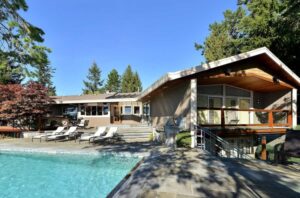
Large cabin with peaked roof, large deck and lots of windows located in Sooke BCFor professionals and families relocating to Victoria, short and mid term rentals offer breathing room. EMR Vacation Rentals provides furnished, all inclusive homes across Greater Victoria, allowing newcomers to manage costs, avoid long term commitments, and get to know the city before settling permanently.

If you are planning a move and want a clearer, more predictable start, explore EMR Vacation Rentals and discover an easier way to budget your first six months in Victoria.

Off-Roading on Vancouver Island: Trails, Access Tips, and Where to Stay

Close up view of young male blonde driving black SUV, looking at landscape from car, and riding on dirt roads in the mountains. Extreme off-road riding on mountain hills.

Vancouver Island, British Columbia is best known for its coastal beauty, refined small towns, and relaxed pace, but beyond the highways and seaside communities lies a vast wilderness that feels worlds away. Dense, old growth forests, inland mountains, and remote backroads give the Island a rugged edge that appeals to travellers looking for a deeper sense of adventure.

Mount Finlayson HomeFor visitors travelling with trucks, SUVs, ATVs, or UTVs (side-by-sides), off-roading offers a way to explore this wild side by day while still enjoying the comforts of a well-located vacation rental by night! With the right planning and a thoughtful home base, off-roading on Vancouver Island can be thrilling, rewarding and relaxing!
If you’re planning an off-road adventure on Vancouver Island, choosing the right place to stay can make all the difference.

Book Vancouver Island Rental

Quick Look: Off-Roading on Vancouver Island

Best for: Adventure-minded travellers with trucks, SUVs, ATVs, or UTVs

Experience level: Moderate to advanced

Terrain: Forestry roads, service roads, inland backroads, alpine routes (seasonal)

Popular regions: Sooke, Cowichan Valley, Nanaimo, Comox Valley

Cell service: Limited to none in many areas

Ideal stay style: Comfortable vacation rental with easy day-trip access

Find a comfortable home base for your Vancouver Island adventure.

Browse Vacation Rentals

What Off-Roading on Vancouver Island Really Looks Like

Summer Activities for adults - a trip on quad bikes on the road. Man on ATV witn safety helmets on the track in the mud participate in the cross country race in the forest on a hot summer day.Off-roading on Vancouver Island has been shaped by the Island’s industry. Most routes follow forest service roads originally built for natural resource industries. Many of these routes remain active industrial corridors used by logging trucks and often cut deep into remote areas, offering access to scenery few visitors ever see.

As beautiful as it can be, conditions can change quickly due to weather, many gravel roads require seasonal maintenance, or closures, and cell service is often unreliable or unavailable. This is not casual terrain, for travellers who enjoy self-reliant exploration and careful planning, the experience can be exceptional!

The Island’s off-roading community values respect for the land, local knowledge, and most of all: preparation. No matter what kind of off-roading adventure you’re looking for, proper preparation and having a comfortable vacation rental to come back to is the key to having a fun, safe and enjoyable adventure!

Book Your Adventure!

Trucks, ATVs, and UTVs

Not all vehicles are suited to every part of Vancouver Island’s backcountry, and understanding the differences helps shape both your routes and your accommodations.

red and black 4x4 vehicles parked near a forestTrucks and SUVs are the most versatile option, ideal for overlanding* on logging roads and long inland drives. Many travellers use them for full-day exploration before returning to a nearby town or rural community.

parked ATV outdoorsATVs are all-terrain vehicles (ATV) designed for off-highway travel with a narrower, more agile build that is operated by straddling the seat and steering with handlebars. Typically used by a single rider, though some models allow a passenger, ATVs are well suited to navigating tight trails, uneven terrain, and areas where maneuverability is more important than cargo capacity. ATVs are better suited to designated trails and require transport, trail knowledge, and careful planning. Rentals and guided experiences exist in limited areas but are seasonal and region-specific.

dirty UTV parkedUTVs are designed primarily for work rather than recreation, with a wide, stable build that seats passengers side by side and offers ample cargo space. Commonly used in rugged or remote areas, they are well suited to transporting equipment and supplies where using a truck is impractical or not possible.
Travelling with a truck or trailered gear? Staying close to main access routes makes exploring far easier.

Not sure where to start? This Vancouver Island off road forum is a great resource for trail information, tips and more!

Vancouver Island Vacation Rentals

*Overlanding is a form of self-reliant travel that focuses on the journey as much as the destination, typically using off-road-capable vehicles to reach remote areas. It often involves extended trips, travel on backroads or unpaved routes, and overnight stays that rely on camping or vehicle-based setups rather than traditional accommodations.

Where to Find the Best Off-Roading on Vancouver Island


Southwest Vancouver Island: Sooke and the West Coast Interior

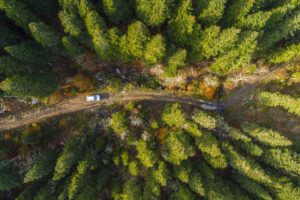
aerial photo of a 4x4 on a trail through the forestSouthwest Vancouver Island offers rugged terrain, dense forest, and a strong sense of remoteness. A network of forest service roads extends inland from the south coast near Sooke to Port Renfrew and beyond, making this area popular with experienced drivers travelling by truck or high-clearance SUV. Cell service is limited, and preparation is essential.
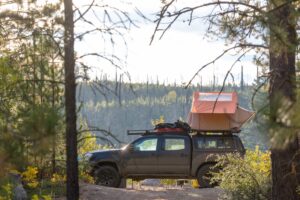
Staying in or near Victoria, Langford, or Sooke allows visitors to access remote routes during the day while returning to modern amenities in the evening.

Rentals in Victoria Here

Cowichan Valley

Centrally located, the Cowichan Valley offers a diverse mix of terrain, from rolling farmland to forested backroads and higher-elevation routes. This variety makes it especially appealing for multi-day exploration, especially around Lake Cowichan.

The area is well-travelled, particularly in summer, and is suitable for both trucks and ATVs. Visitors often appreciate the balance of rural character, working landscapes, and easy access to supplies and services.

Browse Cowichan Valley Rentals

Nanaimo and Central Vancouver Island

With easy highway access and proximity to inland routes, Nanaimo is a popular base for off-road travellers bringing ATVs or trailered vehicles. Like the Cowichan Valley, this area is well known and frequently explored, especially during warmer months.

Its central location makes it a practical choice for visitors planning to explore multiple regions while maintaining a consistent home base.

Vacation Rentals in Nanaimo

Comox Valley and the Strathcona Backcountry

Camping car in recreation site at sunriseThe Comox Valley serves as a gateway to the Island’s most mountainous and remote terrain. Routes near Strathcona Provincial Park reach higher elevations and are more seasonal, requiring experience, proper equipment, and careful monitoring of conditions.

This region appeals to confident adventurers who want challenging exploration paired with the comfort of well-appointed accommodations at the end of the day.

Book Your Comox Valley Rental

Responsible Off-Roading on Vancouver Island

Thumbs up to a beautiful mountain viewResponsible off-roading is essential to preserving access and protecting Vancouver Island’s landscapes, many of which are actively used, carefully managed, or environmentally sensitive.
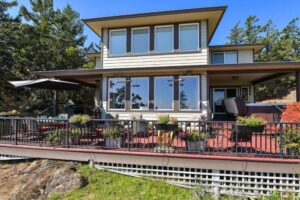
Staying on established roads and designated trails helps prevent erosion and habitat damage, while respecting closures and private land ensures continued access for everyone.

Travellers should always yield to industrial and logging trucks, drive at safe speeds, and be prepared to turn back when conditions deteriorate.

Packing out everything you bring in, avoiding wet or unstable routes, and minimizing noise and disruption are all part of responsible exploration.

When approached thoughtfully, off-roading allows visitors to experience the Island’s wild places while helping keep its backcountry accessible and enjoyable for future travellers.

Where to Stay for Off-Road Adventures on Vancouver Island

Stunning HomeFrom the rugged southern routes near Sooke to the central landscapes of the Cowichan Valley and the alpine terrain of the Comox Valley, choosing the right home base makes off-roading safer, easier, and far more enjoyable. With a wide range of professionally managed homes across Vancouver Island, EMR Vacation Rentals offers comfortable places to relax, recharge, and plan your next day’s adventure.

Explore by day and relax in a stunning Vancouver Island vacation rental at night!

3 Days in Victoria, BC: The Perfect Itinerary!

Victoria West Harbourview Main Image

Victoria, British Columbia is one of those rare Canadian cities that feels both relaxed and richly layered. Set on the southern tip of Vancouver Island, this west coast capital blends historic charm, oceanfront scenery, and an easygoing Pacific Northwest vibe that makes it ideal for a short getaway. With a walkable downtown, access to nature, and a thriving food and drink scene, it consistently ranks as one of the most worthwhile destinations in Canada for first time visitors.

Whether you are arriving by BC Ferries from Tsawwassen or Swartz Bay, flying in by seaplane or float plane from Seattle, or adding Victoria to a larger Vancouver Island road trip, three days is the perfect amount of time to see the must see highlights without rushing.

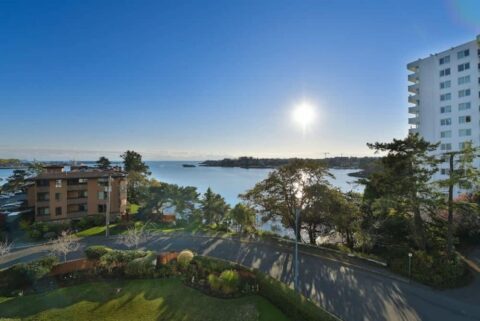
Harbourview Executive Condo Main Image - Victoria vacation rentalsThis 3 day itinerary is designed to help you see all the highlights of the Garden City all while keeping your days balanced and enjoyable!

Looking for the perfect rental in or near the city?

Day 1: Downtown Victoria and the Inner Harbour


Morning: Explore Downtown Victoria

Start your first day in downtown Victoria, one of the most walkable city centres in North America! From cafés and boutiques to heritage architecture, this area is easy to explore on foot and gives you an immediate sense of the city’s laid back yet polished vibe.

Begin with a stroll along Government Street, where independent shops, galleries, and historic buildings line the street. Be sure to stop into Munro’s Books, one of the most beautiful bookstores in Canada, housed in a former bank building.

Hungry? There are tons of local cafés and bistros that highlight local ingredients and seasonal menus, perfect for brunch or a morning coffee! Downtown Victoria has no shortage of excellent brunch options within a few blocks.

Looking for more local recommendations? 10 Best Breakfast Spots in Victoria, BC


Afternoon: Inner Harbour Highlights

view of the Empress Hotel on a sunny day from the walkway in the Inner Harbour Downtown Victoria, BCSpend your afternoon exploring Victoria’s Inner Harbour, the beating heart of the city. This scenic waterfront area is home to several of Victoria’s most iconic landmarks and is ideal for a relaxed half-day of sightseeing.

Visit the Royal BC Museum, a national historic site that offers an excellent introduction to British Columbia, its First Nations cultures, and natural history. Right across the street, you can admire the stately Parliament Buildings, which are especially striking in the evening when illuminated.

Take time to wander the harbour pathways, watch float planes land, or simply enjoy the ocean air!


Evening: Dinner and Harbour Views

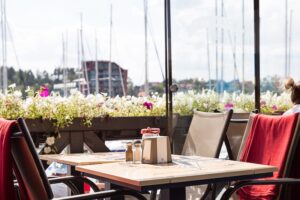
outdoor table at a restaurant near to a harbour - waterfront diningFor dinner, stay close to the water and enjoy a relaxed evening overlooking Victoria’s Inner Harbour. Many nearby restaurants offer west coast inspired menus, Canadian wines, and local craft beer. After dinner, a short evening walk along the harbour is the perfect way to end your first full day.


For a round-up of our favourite restaurants check out:
Catch of the Day! Where to Find the Best Seafood in Victoria!

Veggie, Set, Go! The Best Vegan and Vegetarian Restaurants in Victoria

Grab a Bite! Our Favourite Restaurants in Victoria BC

Ready to start planning your trip to Vancouver Island?

Day 2: Gardens, Neighbourhoods, and Afternoon Tea


Morning: The Butchart Gardens

bright orange leaves on Japanese Maple trees and lots of lush greenery in the Japanese Garden at Butchart GardensDedicate your morning to visiting The Butchart Gardens, one of the most famous attractions in British Columbia and a must see! Located just outside Greater Victoria, the world renowned gardens are worth it to see the stunning variety of plants and flowers that thrive in our temperate climate! From the peaceful Japanese garden to the romantic Rose Garden, there is always something to marvel at!

Arrive early to avoid the crowds of the afternoon and enjoy the gardens at a relaxed pace. The grounds are beautifully maintained year round and are well connected by public transit for those without a car.


Afternoon: Afternoon Tea and Historic Streets

classic afternoon high tea - British styleReturn to the city for a classic Victoria experience with afternoon tea at the Fairmont Empress Hotel. This elegant tea house tradition has become synonymous with the city and is a lovely way to slow down and soak in the atmosphere.

After tea, explore Victoria’s Chinatown! As the oldest Chinatown in Canada and second oldest in North America, this neighbourhood is historic and a must see when you’re in the city! You can find incredible authentic food, charming stores, crockery, unique souvenirs and take a picture of the Gate of Harmonious Interest. Then wander through Fan Tan Alley, one of the narrowest commercial streets in North America to browse the small eclectic shops and boutiques that call the alley home.


Evening: Craft Beer or Casual Dining

beautifully plated salmon dish in a restaurant - upscale dining - good foodVictoria has a thriving craft beer scene, with several breweries and tasting rooms located within easy reach of downtown. If beer is not your thing, choose a cozy bistro or neighbourhood restaurant for a casual dinner and relaxed evening!
Take a look at our blogs for more trip planning ideas:

Flights of Fancy: Explore Breweries in Victoria!

Top 10 Bars in Victoria, BC

Grab a Bite! Our Favourite Restaurants in Victoria BC

The Best Pizza in Greater Victoria

Don’t wait to find the perfect rental in Victoria!

Day 3: Coastal Scenery and Wildlife Experiences


Morning: Beacon Hill Park and Dallas Road

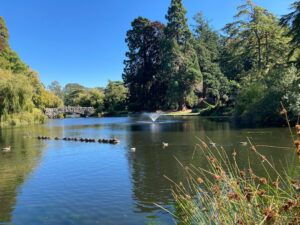
View of Beacon Hill Park's pond and stone bridge on a sunny day Start your final day with a walk through Beacon Hill Park, one of Victoria’s most beloved green spaces. Wander past gardens, ponds, and open lawns before heading toward the coast.
Continue along Dallas Road, where dramatic ocean views stretch across the Juan de Fuca Strait toward the Olympic Mountains. This area is ideal for a scenic walk, cycling, or simply enjoying the fresh sea air.


Afternoon: Whale Watching or Fisherman’s Wharf

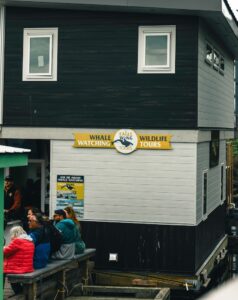
whale watching, Fisherman's Wharf Victoria, BCVictoria is one of the best places in Canada for whale watching, and a variety of whale watching tours depart from the Inner Harbour. Companies like Prince of Whales offer opportunities to see orcas, humpback whales, and other marine wildlife in their natural habitat.
If you prefer to stay on land, visit Fisherman’s Wharf, a colourful floating community known for its floating homes, casual food stalls, and relaxed atmosphere. It is an easy walk or water taxi ride from downtown.


Evening: Farewell to Victoria

Spend your final evening revisiting a favourite spot or enjoying one last waterfront dinner. Victoria’s compact size makes it easy to fit in a final stroll, sunset view, or café stop before your departure.

Grab your dates and start packing your bags!

Getting to and Around Victoria

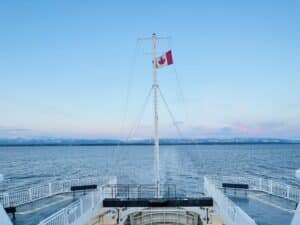
bright blue sky in front of a ferry off the coast of Vancouver Island flying a Canadian FlagVictoria is easily accessible from Vancouver via BC Ferries, with routes connecting Tsawwassen to Swartz Bay near the main ferry terminal. Seaplane and float plane services also offer quick connections from Vancouver and Seattle, providing stunning aerial views of the west coast.

Once in the city, public transit, walking, and cycling make it simple to get around without a car, especially if you are staying near downtown Victoria.


Where to Stay in Victoria

Incredible vacation lodge.

Our Vacation Rentals offer a curated collection of homes throughout Greater Victoria, including walkable downtown locations and quieter neighbourhood retreats. If you’re looking for a high-end vacation rental that makes it easy to enjoy Victoria without spending extra time commuting, you’re in the right place!

Find your ideal home base on Vancouver Island and make the most of your visit to Victoria, BC with us!

Vancouver Island Golf

Family of a golfers playing golf at sunset

Vancouver Island is one of the top golf destinations in Canada, offering an unbeatable mix of ocean views, forested fairways, and championship-level design. With a mild climate that supports year-round play, golfers travelling through British Columbia can build an unforgettable golf vacation without the crowds found in other parts of western Canada.

Salishan Tree House Suite Main Image

From resort courses designed by legendary architects to relaxed public golf options near charming towns and wineries, Vancouver Island golf courses deliver great golf for every style of player! Whether you are planning a long weekend getaway or a full golf trip, this guide highlights the must play golf courses across the island!

Ready to start planning your Vancouver Island getaway? Start by finding your ideal home base!

Quick Look: Golfing on Vancouver Island

Best for: Golfers planning a scenic golf vacation with championship courses and an easygoing coastal vibe

Public golf: Widely available across the island

Resort golf: Strong options in Victoria, Nanaimo, and the Comox Valley

Season: Year-round golfing thanks to mild coastal weather

Perfect for: Golf trips, golf travel itineraries, and extended golf vacations

South Island and Victoria Golf Courses

Bear Mountain Golf Club

1999 Country Club Way, Victoria, BC | 250-744-2327

View from above of four golfers playing golf on a green in the distance.Location: Langford, near Victoria
Best for: Championship resort golf
Course style: Mountain and valley layouts
Public access: Resort course open to the public
Scenery: Elevated fairways with sweeping views

Bear Mountain is one of the most iconic golf resorts in British Columbia and a must for serious golfers. Featuring both a Mountain Course and Valley Course designed by Nicklaus North, this resort delivers dramatic elevation changes, immaculate fairways, and a refined clubhouse experience.

As one of the premier championship courses on the Vancouver Island Golf Trail, Bear Mountain is ideal for golfers seeking a polished golf vacation complete with on site accommodations, golf packages, and resort dining.

Olympic View Golf Club

643 Latoria Rd, Victoria, BC | 250-474-3673

Location: Colwood, west of Victoria
Best for: Scenic public golf near the coast
Course style: Parkland with seaside influences
Public access: Public golf course
Scenery: Ocean views and coastal landscapes

Olympic View Golf Club is a favourite among local golfers and visiting players! This public golf course is an excellent choice for golfers who want challenging play without a resort setting, and it pairs perfectly with a stunning Victoria rental! With a seamless blend of seaside scenery, rolling fairways and consistent course conditions, it is one of the best golf experiences near Victoria.

Highland Pacific Golf

450 Creed Rd, Victoria, BC | 250-478-4653

Location: Highlands area, Victoria
Best for: Relaxed public golf for all skill levels
Course style: Forested parkland course
Public access: Public golf course
Scenery: Wooded fairways and rolling terrain

Highland Pacific Golf offers a welcoming golf club experience that appeals to golfers of all skill levels! If you’re looking for great golf without the formality of a country club, Highland offers wide fairways, forested surroundings, and a laid back clubhouse, making it is a strong public golf option for travellers staying near Victoria.

Cowichan Valley Golf Courses

Arbutus Ridge Golf Club

3515 Telegraph Rd, Cobble Hill, BC | 250-743-5000

Location: Cobble Hill, Cowichan Valley
Best for: Golf paired with wineries and countryside
Course style: Parkland course with elevation changes
Public access: Public golf course
Scenery: Valley views and rural landscapes

Arbutus Ridge is a beautifully maintained golf club nestled on the edge of the ocean in the Cowichan Valley. Known for its smooth fairways and valley views, it offers a more relaxed pace that suits golfers looking to combine their golf experience with wine touring and dining. Plus, its proximity to local wineries makes it a standout stop on a golf getaway!

Cowichan Golf Club

4955 Trans – Canada Hwy, Duncan, BC | 250-746-5333

Location: Duncan, Cowichan Valley
Best for: Traditional golf with a strong local feel
Course style: Classic parkland layout
Public access: Public golf course
Scenery: Tree-lined fairways and valley surroundings

Cowichan Golf Club is one of the Cowichan Valley’s most established and well-loved golf courses, offering a traditional parkland experience that appeals to golfers who appreciate straightforward design and walkable fairways. The course is known for its mature Arbutus trees, gentle elevation changes, and consistent playing conditions throughout the season.

Nanaimo and Central Island Golf

Fairwinds Golf Club

3730 Fairwinds Dr, Nanoose Bay, BC | 250-468-7666

Senior woman golfer tees off with her male partner observing off to the side.Location: Near Nanaimo, Nanoose Bay
Best for: Resort-style golf with coastal access
Course style: Resort parkland layout
Public access: Public golf course
Scenery: Forested fairways with glimpses of the coast

Fairwinds Golf Club is a polished golf resort experience close to Nanaimo. With forested fairways, ocean glimpses, and a welcoming clubhouse, it is ideal for golfers planning a structured golf vacation with comfortable amenities. Its central location makes it an excellent base for golf travel across the island.

Morningstar Golf Club

525 Lowrys Rd, Parksville, BC | 250-248-2244

Location: Near Parksville and the Comox Valley
Best for: Approachable golf for mixed skill levels
Course style: Open parkland layout
Public access: Public golf course
Scenery: Open fairways with mountain views

Morningstar Golf Club offers an open, welcoming golf experience defined by wide fairways, gentle elevation changes, and consistently good playing conditions. The course strikes a comfortable balance between challenge and playability, making it an enjoyable round for both visiting golfers and local regulars.

Set in the Comox Valley, Morningstar is an easy course to add to a multi day golf trip, providing a relaxed contrast to more demanding layouts while still delivering a satisfying round!

Qualicum Beach Memorial Golf Course

469 Memorial Ave, Qualicum Beach, BC | 250-752-6312

Location: Qualicum Beach, near Parksville
Best for: Affordable public golf with a classic community feel
Course style: Traditional parkland course
Public access: Public golf courseLearning Golf. Boy practicing putting with instructor
Scenery: 
Tree-lined fairways with a relaxed coastal setting

Qualicum Beach Memorial Golf Course’s is especially appealing for beginners, casual golfers, and anyone looking for relaxed public golf close to town amenities. It is a well-loved public golf course that offers a straightforward, enjoyable round in the heart of Qualicum Beach. Known for its walkable layout and welcoming atmosphere, it is a great option for golfers who value simplicity, consistency, and a strong sense of local character.

Comox Valley Golf Courses

Crown Isle Golf Resort

399 Club house Dr, Courtenay, BC | 250-703-5000

Location: Courtenay, Comox Valley
Best for: Championship resort golf in the north island
Course style: Traditional championship layout
Public access: Resort course open to the public
Scenery: Mountain backdrops and manicured fairways

Crown Isle serves as the anchor golf resort of the Comox Valley and is widely regarded as one of the standout golf courses on Vancouver Island. The course is known for its tournament pedigree, thoughtful design, and consistently strong playing conditions, creating a polished yet approachable golf experience.

For golfers staying in Courtenay or exploring the wider Comox Valley, Crown Isle is an excellent base for a multi day golf trip, offering both challenge and convenience in one setting!


Saratoga Beach Golf Course

2084 Saratoga Rd, Black Creek, BC | 250-337-2208

Location: Black Creek, between Courtenay and Campbell River
Best for: Relaxed seaside golf with an easygoing pace
Course style: Traditional parkland course with coastal influences
Public access: Public golf course
Scenery: Open fairways with ocean air and coastal surroundings

Located between the Comox Valley and Campbell River, Saratoga Beach Golf Course offers a laid-back golf experience just steps from the shoreline on Vancouver Island’s east coast. Known for its friendly atmosphere and approachable layout, this public golf course is ideal for golfers who value enjoyment and scenery over championship difficulty. It is especially appealing for casual golfers, couples, and travellers looking to balance golf with beach time, dining, and nearby outdoor adventures.

Campbell River Golf Club

700 Petersen Rd, Campbell River, BC | 1-866-910-4567

Location: Campbell River, North Island
Best for: Golf combined with outdoor adventure travel
Course style: Traditional parkland course
Public access: Public golf course
Scenery: Forested setting with a classic feel

Campbell River Golf Club offers a classic golf club experience for travellers exploring northern Vancouver Island! The course features a traditional parkland layout with mature trees, well maintained fairways, and a steady rhythm of play that appeals to golfers who enjoy straightforward design and a relaxed pace. Its central location makes it easy to add a round of golf to a broader North Island itinerary while still enjoying the charm and authenticity of a community focused golf club.

Storey Creek Golf Club

300 McGimpsey Rd, Campbell River, BC | 250-923-3673

Location: South Nanaimo
Best for: Peaceful public golf away from crowds
Course style: Forest parkland course
Public access: Public golf course
Scenery: Mature trees and natural surroundings

Storey Creek is a local favourite offering relaxed public golf in a forested setting, with a layout designed by Les Furber that emphasizes playability and flow. Well maintained and approachable, the course appeals to golfers who enjoy a calm, unrushed round away from resort crowds, making it an easy fit for a ferry accessible golf trip or a broader central Vancouver Island itinerary.

Following the Vancouver Island Golf Trail

The Vancouver Island Golf Trail connects many of these golf courses into a cohesive golf travel route making it easy for golfers to plan a multi-course golf trip without backtracking or long drives. Stretching from Victoria through the Cowichan Valley, Nanaimo, and into the Comox Valley and North Island, the trail highlights the depth and variety of golf available across Vancouver Island.

Mini Golf yellow ball with a bat near the hole at sunsetWhat makes the Vancouver Island Golf Trail especially appealing is its flexibility. Golfers can build a customized itinerary based on pace, skill level, and interests, whether that means playing championship resort courses, relaxed public golf, or a mix of both. Because the island’s regions are well connected by highways and ferry access, golfers can enjoy multiple courses over several days while staying in one home base or moving between regions.

The trail also makes it easy to combine golf with other Vancouver Island experiences. Many golfers pair rounds with Cowichan Valley wineries, oceanfront dining near Victoria, fishing trips in Campbell River, or scenic coastal walks in Parksville and Qualicum Beach. This balance of great golf and off-course activities is what sets Vancouver Island apart from more traditional golf destinations in British Columbia and western Canada.

For travellers planning a longer golf vacation, following the Vancouver Island Golf Trail allows for a relaxed, well paced journey that feels intentional rather than rushed. It is an ideal way to experience the island’s diverse landscapes while enjoying some of the best golf courses in Canada.

Vancouver Island Golf: Frequently Asked Questions

Is Vancouver Island good for a golf vacation?

Yes, Vancouver Island is one of the top golf vacation destinations in Canada. Golfers are drawn to the island for its mild climate, scenic fairways, and variety of golf courses, from championship resorts to relaxed public golf. With easy access from mainland British Columbia and year-round play, it is an ideal destination for both short getaways and extended golf trips.

Golfing on Vancouver Island is possible year-round thanks to the island’s temperate coastal climate. While winter conditions can be wetter, many Vancouver Island golf courses remain open, especially around Victoria, Nanaimo, and the Cowichan Valley. Spring and fall are particularly popular with golfers looking for fewer crowds and excellent course conditions.

Most Vancouver Island golf courses are open to the public. Golfers will find a strong mix of public golf, resort courses, and a few country club style options. This makes it easy for visitors to book tee times without a membership while still enjoying high quality golf experiences across British Columbia.

The best area to stay depends on your golf itinerary.

Victoria and Langford are ideal for golfers playing Bear Mountain, Olympic View, and Highland Pacific.

Cowichan Valley is perfect for pairing golf with wineries and scenic countryside.

Nanaimo and Parksville offer central access for golf travel across the island.

Comox Valley and Courtenay are well suited for resort based golf vacations at Crown Isle.

Staying close to your chosen courses helps maximize tee times and minimize driving.

Most golfers plan to play between two and four golf courses on a Vancouver Island golf trip. The Vancouver Island Golf Trail makes it easy to link courses by region, allowing golfers to enjoy variety without feeling rushed. Longer stays allow for rest days, winery visits, or coastal sightseeing between rounds.

Yes, Vancouver Island is home to several well known golf resorts, including Bear Mountain and Crown Isle. These resorts offer championship courses, on site amenities, and golf packages that appeal to travellers seeking a full service golf experience. Resort golf pairs especially well with longer stays and group golf vacations.

Absolutely. Vancouver Island golf courses range from championship level layouts to more forgiving public golf courses. Many courses feature wider fairways, approachable greens, and multiple tee options, making them suitable for beginners and casual golfers while still engaging experienced players.

One of the biggest draws of a Vancouver Island golf vacation is the ability to combine golf with other experiences. Many golfers pair their rounds with winery visits in the Cowichan Valley, coastal walks near Victoria, dining in Nanaimo, or outdoor adventures in the Comox Valley. This flexibility makes the island ideal for couples, families, and mixed-interest groups.

Tee times are easiest to secure during shoulder seasons in spring and fall. Summer is popular with visiting golfers, so booking tee times in advance is recommended, especially for resort courses and championship golf clubs. Early morning tee times are often the most reliable for smooth play.

Vacation rentals offer golfers more space, flexibility, and comfort compared to traditional hotels. Staying in a vacation rental makes it easier to store clubs, prepare meals, relax between rounds, and travel as a group. Choosing a professionally managed home near your preferred golf courses can elevate your entire golf experience.

Plan Your Vancouver Island Golf Getaway

An aerial shot of lush, green grass grass field near the lake on a sunny dayWhether you are booking early morning tee times or planning a relaxed afternoon round, Vancouver Island offers a golf experience that feels both elevated and unhurried. With public golf, resort golf, and country club style courses spread across the island, it is easy to tailor your trip to match your pace and preferences.

Choose a region, book your tee times, and enjoy year-round golfing in one of Canada’s most scenic destinations!