

Packing for Vancouver Island is easier than many travellers expect. Thanks to the Island’s mild coastal climate, preparing for changing conditions is usually more important than packing for temperature extremes. A lightweight waterproof jacket, comfortable walking shoes, and clothing you can layer will serve you well during almost every season.
 As a local vacation rental management team with homes throughout Vancouver Island, we know that what you need will depend on where you are staying and how you plan to explore. We regularly hear from guests that they walk much farther than expected in Victoria, while those visiting the west coast are sometimes surprised by how cool and breezy the beaches can feel, even in summer. Inland areas such as the Cowichan Valley can be considerably warmer than communities along the coast.
Whether you are planning a summer beach holiday, a winter storm-watching getaway, or an active trip filled with hiking and wildlife viewing, this Vancouver Island packing list will help you prepare.
- Vancouver Island Packing List: Quick Look
- What Is the Weather Like on Vancouver Island?
- Year-Round Packing Essentials
- Winter Packing List
- Spring Packing List
- Summer Packing List
- Fall Packing List
- Packing for Different Vancouver Island Trips
- Vancouver Island Packing FAQs
- Where to Stay on Vancouver Island
What Is the Weather Like on Vancouver Island?
Vancouver Island has a mild coastal climate, but weather conditions vary considerably by season and region. Summers are generally warm and dry, while winters are cooler and wetter. Spring and fall can include sunshine, rain, cool mornings, and warmer afternoons, sometimes all within the same day.
| Season | Typical Conditions | Do Not Forget |
|---|---|---|
| Spring | Mild, green, and changeable | Rain jacket and light layers |
| Summer | Warm, dry, and sunny | Sunscreen, swimsuit, and a sweater |
| Fall | Cool mornings with increasing rain | Warm layers and a rain shell |
| Winter | Mild, wet, and occasionally snowy | Waterproof footwear and a warm jacket |
One thing we have learned from managing vacation homes across Vancouver Island is that there is no single forecast that represents the entire Island. Parksville and the Cowichan Valley are often warmer during summer, while Sooke, Port Renfrew, Tofino, and other exposed coastal areas tend to remain cooler and windier. Temperatures can also drop quickly beside the water once the sun goes down, even after a warm day.
If you are travelling between regions, check the forecast for each destination rather than relying on the weather at your arrival point.
Year-Round Vancouver Island Packing Essentials
Layers, comfortable footwear, and rain protection are the most useful items to pack for Vancouver Island at any time of year. Even during summer, mornings near the water can feel cool, and weather can change as you travel between regions.
When helping guests prepare for their stays, we recommend packing:
- Comfortable everyday walking shoes
- Lightweight waterproof jacket
- Jeans or comfortable pants
- T-shirts
- Sweater, fleece, or sweatshirt
- Activewear
- Sleepwear
- Toiletries and personal medications
- Reusable water bottle
- Small backpack or day bag
- Sunglasses
- Sunscreen
- Camera or phone
- Chargers and portable power bank
- Book, games, or other activities for quieter evenings
If you are flying to Vancouver Island, packing light can make travelling between the airport, ferry terminals, and your accommodation much easier. Packing cubes are helpful for keeping smaller bags organized, particularly if you plan to visit several regions.
Before packing household supplies, we recommend reviewing the amenities included with your EMR vacation rental. Many of our properties provide kitchen essentials, linens, and other everyday items, allowing you to focus on clothing and personal belongings rather than bringing items you may not need.
What to Pack for Vancouver Island in Winter
 Winter on Vancouver Island is generally mild and rainy, particularly in coastal communities. Snow is possible, especially at higher elevations and in communities farther north, but prolonged snow accumulation is less common in Victoria and many lower-elevation coastal areas.
Guests arriving from other parts of Canada are sometimes surprised that waterproof outerwear is often more useful than an extremely heavy winter coat. We recommend wearing warm layers beneath a rain jacket so you can adjust throughout the day and remain comfortable when moving between outdoor activities, local attractions, restaurants, and your vacation rental.
Pack:
- Waterproof jacket with a hood
- Waterproof shoes or rain boots
- Warm sweater or fleece
- Long-sleeved shirts
- Comfortable pants
- Warm base layers
- Wool or moisture-wicking socks
- Toque
- Scarf
- Gloves
- Warm sleepwear
Winter is one of our favourite times to experience a quieter side of Vancouver Island. There are fewer visitors at many beaches, trails, restaurants, and attractions, but wet coastal weather requires a little preparation. If you are planning beach walks or storm watching, we recommend bringing additional dry socks and footwear that can handle wet, muddy conditions.
Explore Winter on Vancouver Island
What to Pack for Vancouver Island in Spring
 Spring weather on Vancouver Island is mild but highly changeable. March often feels closer to winter, while May may include warm afternoons that feel like the beginning of summer.
Rain showers remain common, but longer daylight hours make spring an excellent season for visiting gardens, exploring coastal trails, and enjoying the Island as forests, parks, and neighbourhoods become greener.
Pack:
- Lightweight rain jacket
- T-shirts
- Long-sleeved shirts
- Light sweater or fleece
- Jeans or comfortable pants
- Shorts, dresses, or skirts for warmer late-spring days
- Comfortable walking shoes
- Waterproof footwear for trails
- Sunglasses
- Sunscreen
Our local team recommends planning for several types of weather rather than packing for the warmest temperature in the forecast. A light sweater and rain jacket are easy to remove during a sunny afternoon but can make a significant difference when clouds move in or the temperature drops near the water.
Victoria is especially colourful during spring, but exploring its gardens, waterfront paths, and walkable neighbourhoods can involve a surprising amount of time outdoors. We regularly hear from guests that they walked much farther than anticipated, making comfortable shoes just as important as weather-appropriate clothing.
What to Pack for Vancouver Island in Summer
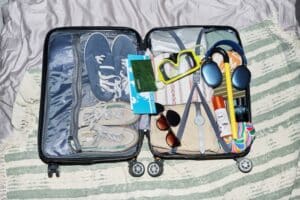 Summer on Vancouver Island is generally warm, sunny, and dry, but evenings near the ocean can still be cool. We recommend packing light summer clothing along with at least one sweater or jacket.
Summer is ideal for beach days, hiking, kayaking, whale watching, patio dining, and exploring local communities. Although coastal temperatures are often cooler than inland British Columbia, sun protection remains important during long days outdoors.
Pack:
- Shorts
- T-shirts and lightweight tops
- Dresses or skirts
- Swimsuit
- Sandals or flip-flops
- Comfortable walking shoes
- Light sweater, fleece, or cardigan
- Lightweight jacket
- Sun hat
- Sunglasses
- Sunscreen
- Reusable water bottle
- Insect repellent
In our experience helping guests plan summer stays, one of the most common packing mistakes is assuming every coastal region will have the same weather.
For beach holidays in Parksville and Qualicum Beach, we recommend bringing sandals for the sand and sturdy walking shoes for waterfront paths, nearby parks, and day trips. The area is known for warm, shallow water and wide sandy beaches, but evenings beside the Strait of Georgia can still become cool.
West coast beaches around Sooke, Port Renfrew, Tofino, and Ucluelet often feel cooler and windier. Even in July and August, a fleece or light jacket can make longer beach walks and evenings near the water much more comfortable.
The Cowichan Valley can become considerably warmer during summer. If you are visiting wineries, farm markets, lakes, or inland trails, lightweight clothing, a hat, sunscreen, and plenty of water are especially important.
Read Our Guide to Summer on Vancouver Island
What to Pack for Vancouver Island in Fall
 Fall on Vancouver Island begins with warm days and gradually becomes cooler and wetter through October and November. September can still feel like summer, while late fall usually calls for waterproof outerwear and warmer layers.
Fall is a rewarding time for hiking, visiting local communities, exploring farm markets, and viewing seasonal wildlife. Flexible clothing will help you prepare for cool mornings, sunny afternoons, and occasional rain.
Pack:
- Waterproof jacket
- T-shirts
- Long-sleeved shirts
- Sweaters or fleece layers
- Jeans or comfortable pants
- Waterproof walking shoes
- Extra socks
- Scarf
- Toque for late-fall visits
- Sunglasses
When guests are travelling between several Vancouver Island regions, we recommend keeping a jacket accessible rather than packing it at the bottom of a suitcase. Temperatures and wind conditions can change noticeably between inland valleys, sheltered east coast communities, and the exposed west coast.
Fall weather also becomes less predictable as the season progresses. Packing a few adaptable layers will usually be more useful than bringing one heavy coat.
What to Pack for Different Vancouver Island Trips
Your itinerary may affect your packing list as much as the season. Based on the questions we receive from guests, these are some of the additional items worth considering for different types of Vancouver Island getaways.
Beach Vacations
Bring a swimsuit, sandals, sunscreen, a sun hat, and a warmer layer for evenings. Water shoes can be useful on rocky beaches, while sturdy footwear is helpful for coastal trails and beach access points.
Vancouver Island beaches vary considerably. Parksville and Qualicum Beach are known for broad sandy shorelines, while many beaches around Victoria, Sooke, and the west coast are rocky, pebbled, or reached by forest trails. We recommend checking the specific beaches you plan to visit before deciding which footwear to bring.
Explore the Best Beaches on Vancouver Island
Hiking and Outdoor Adventures
Pack supportive footwear, moisture-wicking clothing, a waterproof layer, water, snacks, and a small daypack. Hiking boots are helpful for longer or more rugged trails but are not necessary for every Vancouver Island visitor.
For short walks, waterfront paths, and well-maintained nature trails, comfortable walking shoes may be all you need. If your itinerary includes remote or challenging hikes, research the route before arriving and pack for the trail conditions rather than the weather in the nearest town.
Best Hiking on Vancouver Island
Victoria City Breaks
Comfortable walking shoes are essential. Downtown Victoria, the Inner Harbour, James Bay, and surrounding neighbourhoods are highly walkable, and our guests often spend much more time on foot than anticipated.
We recommend bringing a light rain jacket or compact umbrella that can fit in a day bag. Victoria’s coastal weather can change throughout the day, and having an extra layer makes it easier to continue exploring without returning to your vacation rental.
Family Vacations
Bring reusable water bottles, easy-to-carry snacks, weather-appropriate layers, and a change of clothing for younger children. If you are planning beach days, an extra bag for wet swimsuits, sandy clothing, and towels can help keep the rest of your belongings organized.
Beach toys and outdoor equipment may be available at some vacation homes, so review your property amenities before making room in the car. We also recommend leaving some flexibility in your itinerary. Vancouver Island weather can change quickly, and having comfortable clothing for quieter time at your vacation rental can make unexpected rainy periods part of the holiday rather than an interruption.
Vancouver Island Packing FAQs
Do I need hiking boots for Vancouver Island?
Hiking boots are useful for rugged trails, wet terrain, and longer hikes but are not necessary for every trip. Based on the itineraries many of our guests follow, comfortable walking shoes are usually sufficient for sightseeing, local communities, waterfront paths, and easy nature trails.
Is Vancouver Island cold at night during summer?
Summer evenings can become cool near the ocean, particularly in exposed coastal communities. We recommend bringing a light sweater, fleece, or jacket even when warm daytime temperatures are forecast.
Do I need rain gear in July or August?
A lightweight rain jacket is worth packing during any season. July and August are generally Vancouver Island’s driest months, but coastal weather can change and rain remains possible.
Should I bring insect repellent?
Insect repellent can be useful during summer, particularly around lakes, forests, wetlands, and campsites. Mosquito activity varies by location and weather conditions.
Should I bring bear spray to Vancouver Island?
Bear spray is not necessary for most city visits, beach holidays, or trips to well-used attractions. Travellers planning remote hiking or backcountry activities should research the specific area, understand local wildlife guidance, and know how to safely transport and use any wildlife deterrent.
Can I buy anything I forget after I arrive?
Yes. Victoria, Nanaimo, Parksville, Courtenay, Campbell River, and many smaller communities have grocery stores, pharmacies, outdoor retailers, and other everyday services.
We recommend purchasing important supplies before travelling to remote coastal destinations, where stores may have more limited hours and product selections. If you are staying in one of our vacation rentals, our local team is also available to help you find nearby services during your stay.
Where to Stay on Vancouver Island
After helping guests explore Vancouver Island for years, we know that choosing the right home base can make planning, packing, and travelling much easier.
Stay close to city attractions and waterfront paths in Greater Victoria, plan a relaxed beach holiday in Parksville and Qualicum Beach, explore the forests and coast around Sooke, or enjoy the farms, lakes, and warmer summer weather of the Cowichan Valley.
EMR Vacation Rentals offers professionally managed vacation homes throughout Vancouver Island, with options for couples, families, groups, extended stays, and travellers looking for more space and flexibility. Our local team is here to help before and during your stay, whether you have questions about your vacation home, nearby services, or what to expect in the region you are visiting.
Before packing, review the amenities included with your chosen property, leave a little room for local finds, and prepare for changing coastal weather. With a few comfortable layers and the right footwear, you will be ready to experience Vancouver Island in any season.

Find Your Vancouver Island Home Base
Explore professionally managed vacation homes throughout Vancouver Island and find the right place to settle in between adventures.
Book Your Vancouver Island Rental