
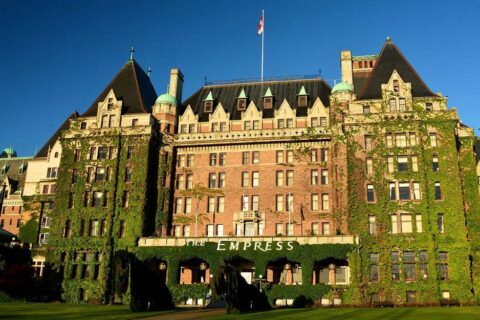
Few landmarks are as closely tied to Victoria as the Empress Hotel. Overlooking the Inner Harbour, this iconic building has been part of the city’s waterfront for more than a century and remains one of the most recognizable sights on Vancouver Island. Whether you’re arriving by harbour ferry, strolling Government Street, visiting the Legislature, or exploring downtown for the first time, chances are you’ll find yourself standing in front of the Empress at some point during your trip.
Today, the Empress is much more than a hotel. It is a historic landmark, architectural treasure, dining destination, cultural icon, and one of the defining features of Victoria’s skyline. From Afternoon Tea and waterfront dining to its fascinating history and beautiful harbourfront setting, the Empress offers visitors a unique way to experience the city.
 If you’re planning a trip to Victoria, the Empress deserves a place on your itinerary. Pair your visit with a stay in one of EMR Vacation Rentals’ professionally managed homes and enjoy easy access to the Inner Harbour, downtown attractions, and everything Greater Victoria has to offer.
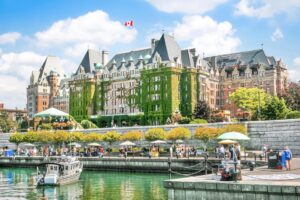 The story of the Empress begins long before its doors opened in 1908. During the late nineteenth and early twentieth centuries, the Canadian Pacific Railway was expanding its influence across Canada through an ambitious network of grand hotels. These properties were designed to encourage tourism, support rail travel, and showcase some of the country’s most important destinations.
Victoria was a natural fit for the project. As British Columbia’s capital city and a growing port on Canada’s west coast, it was already attracting visitors arriving by steamship and rail. The CPR envisioned a landmark hotel that would greet travellers arriving at the Inner Harbour and reinforce Victoria’s reputation as one of Canada’s premier destinations.
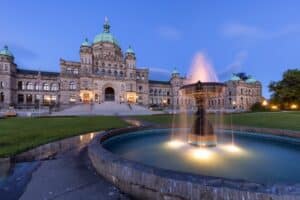
The project was awarded to Francis M. Rattenbury, the British architect responsible for the nearby Parliament Buildings. Rattenbury selected a prominent site overlooking the Inner Harbour, creating a dramatic visual pairing between the two buildings that still defines downtown Victoria today.
Construction began in 1904 and was completed four years later. From the moment it opened, the Empress became a symbol of Victoria’s ambitions and one of the most impressive buildings on Canada’s west coast.
The story of the Empress begins long before its doors opened in 1908. During the late nineteenth and early twentieth centuries, the Canadian Pacific Railway was expanding its influence across Canada through an ambitious network of grand hotels. These properties were designed to encourage tourism, support rail travel, and showcase some of the country’s most important destinations.
Victoria was a natural fit for the project. As British Columbia’s capital city and a growing port on Canada’s west coast, it was already attracting visitors arriving by steamship and rail. The CPR envisioned a landmark hotel that would greet travellers arriving at the Inner Harbour and reinforce Victoria’s reputation as one of Canada’s premier destinations.
The project was awarded to Francis M. Rattenbury, the British architect responsible for the nearby Parliament Buildings. Rattenbury selected a prominent site overlooking the Inner Harbour, creating a dramatic visual pairing between the two buildings that still defines downtown Victoria today.
Construction began in 1904 and was completed four years later. From the moment it opened, the Empress became a symbol of Victoria’s ambitions and one of the most impressive buildings on Canada’s west coast.
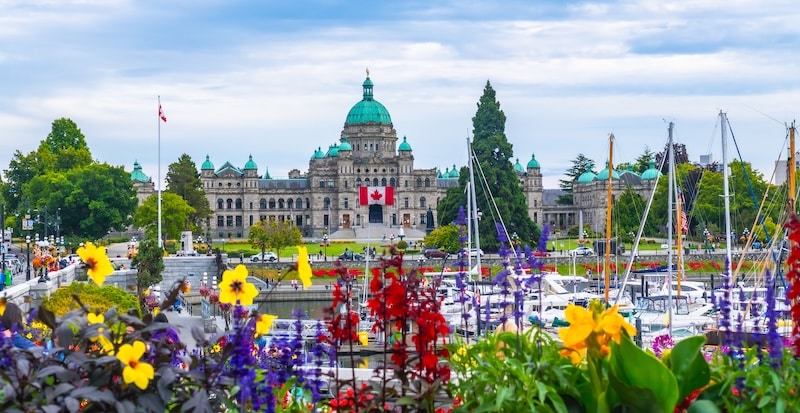
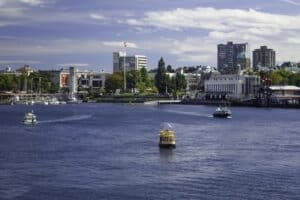 Together with the Parliament Buildings, the hotel creates one of the most recognizable waterfront scenes in Canada. For more than a century, visitors arriving in Victoria have been greeted by the sight of the Empress overlooking the harbour, creating an unforgettable first impression of the city.
Its location places it at the heart of downtown Victoria, within easy walking distance of many of the city’s most popular attractions. The Royal BC Museum, Government Street, Beacon Hill Park, Fisherman’s Wharf, and numerous restaurants, galleries, and shops are all nearby.
What makes the Empress particularly special is how seamlessly it connects to the surrounding city. Visitors can spend an entire day exploring downtown before returning to the harbour to admire the building from a different perspective as the light changes throughout the day.
For many people, no visit to Victoria feels complete without spending time in the Inner Harbour and taking in the view of the Empress rising above the waterfront.
Together with the Parliament Buildings, the hotel creates one of the most recognizable waterfront scenes in Canada. For more than a century, visitors arriving in Victoria have been greeted by the sight of the Empress overlooking the harbour, creating an unforgettable first impression of the city.
Its location places it at the heart of downtown Victoria, within easy walking distance of many of the city’s most popular attractions. The Royal BC Museum, Government Street, Beacon Hill Park, Fisherman’s Wharf, and numerous restaurants, galleries, and shops are all nearby.
What makes the Empress particularly special is how seamlessly it connects to the surrounding city. Visitors can spend an entire day exploring downtown before returning to the harbour to admire the building from a different perspective as the light changes throughout the day.
For many people, no visit to Victoria feels complete without spending time in the Inner Harbour and taking in the view of the Empress rising above the waterfront.
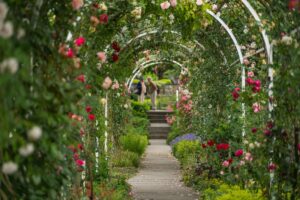 Carefully maintained landscaping softens the edges of the historic structure and creates beautiful viewing areas throughout the year. Seasonal flowers add colour to the harbourfront, while mature plantings help frame some of the best photo opportunities in downtown Victoria.
The grounds also provide a unique perspective on the building’s architecture. Walking around the property allows visitors to appreciate the scale of the structure, its distinctive rooflines, and the relationship between the hotel and the harbour.
Spring and summer are particularly beautiful when flowers are in bloom, but the grounds remain a pleasant place to visit throughout the year.
Carefully maintained landscaping softens the edges of the historic structure and creates beautiful viewing areas throughout the year. Seasonal flowers add colour to the harbourfront, while mature plantings help frame some of the best photo opportunities in downtown Victoria.
The grounds also provide a unique perspective on the building’s architecture. Walking around the property allows visitors to appreciate the scale of the structure, its distinctive rooflines, and the relationship between the hotel and the harbour.
Spring and summer are particularly beautiful when flowers are in bloom, but the grounds remain a pleasant place to visit throughout the year.
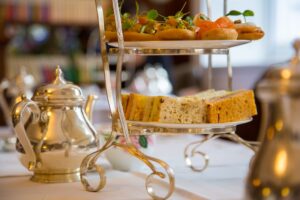 Few traditions are more closely associated with the Empress than Afternoon Tea.
For generations, visitors have gathered in the hotel’s elegant tea room to enjoy one of Victoria’s most enduring experiences. Rooted in British traditions and influenced by the city’s colonial history, Afternoon Tea has become a defining part of the Empress story.
Part of its appeal is the setting itself. Overlooking the Inner Harbour, the experience combines history, atmosphere, and hospitality in a way that feels uniquely Victoria. Visitors often choose Afternoon Tea to celebrate special occasions, mark milestones, or simply enjoy a leisurely afternoon in one of the city’s most historic spaces.
Guests can expect a traditional tea service featuring a selection of teas accompanied by pastries, savouries, and freshly baked scones. While the menu evolves over time, the emphasis remains on creating a relaxed and memorable experience that connects visitors with one of Victoria’s most cherished traditions.
Reservations are highly recommended, particularly during peak travel seasons.
Few traditions are more closely associated with the Empress than Afternoon Tea.
For generations, visitors have gathered in the hotel’s elegant tea room to enjoy one of Victoria’s most enduring experiences. Rooted in British traditions and influenced by the city’s colonial history, Afternoon Tea has become a defining part of the Empress story.
Part of its appeal is the setting itself. Overlooking the Inner Harbour, the experience combines history, atmosphere, and hospitality in a way that feels uniquely Victoria. Visitors often choose Afternoon Tea to celebrate special occasions, mark milestones, or simply enjoy a leisurely afternoon in one of the city’s most historic spaces.
Guests can expect a traditional tea service featuring a selection of teas accompanied by pastries, savouries, and freshly baked scones. While the menu evolves over time, the emphasis remains on creating a relaxed and memorable experience that connects visitors with one of Victoria’s most cherished traditions.
Reservations are highly recommended, particularly during peak travel seasons.
 While Afternoon Tea may be the hotel’s most famous culinary experience, the Empress has also become an important dining destination for both visitors and locals.
 For visitors seeking relaxation, Willow Stream Spa at the Empress has become one of Victoria’s most recognized wellness destinations.
Open to both hotel guests and day visitors, the spa offers a peaceful retreat from the activity of downtown Victoria. Treatments range from massages and facials to wellness-focused experiences designed to help visitors unwind during their stay in the city.
Many visitors choose to combine a spa appointment with Afternoon Tea, dining, or a day spent exploring the Inner Harbour, creating a well-rounded Victoria experience that balances sightseeing with relaxation.
For visitors seeking relaxation, Willow Stream Spa at the Empress has become one of Victoria’s most recognized wellness destinations.
Open to both hotel guests and day visitors, the spa offers a peaceful retreat from the activity of downtown Victoria. Treatments range from massages and facials to wellness-focused experiences designed to help visitors unwind during their stay in the city.
Many visitors choose to combine a spa appointment with Afternoon Tea, dining, or a day spent exploring the Inner Harbour, creating a well-rounded Victoria experience that balances sightseeing with relaxation.
 Book a Rental to Explore Victoria
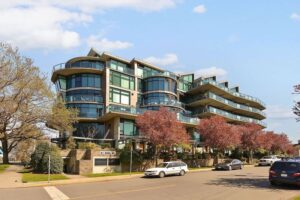 EMR Vacation Rentals offers professionally managed vacation rentals and furnished stays throughout Victoria and Vancouver Island, providing guests with comfortable, well-located accommodations that make it easy to explore the region at their own pace.
Whether you’re planning a weekend getaway, an extended stay, or a longer Vancouver Island adventure, EMR Vacation Rentals offers a comfortable home base close to the attractions, experiences, and landmarks that make Victoria unforgettable.
Find your perfect home base with EMR Vacation Rentals and experience Victoria at your own pace.
EMR Vacation Rentals offers professionally managed vacation rentals and furnished stays throughout Victoria and Vancouver Island, providing guests with comfortable, well-located accommodations that make it easy to explore the region at their own pace.
Whether you’re planning a weekend getaway, an extended stay, or a longer Vancouver Island adventure, EMR Vacation Rentals offers a comfortable home base close to the attractions, experiences, and landmarks that make Victoria unforgettable.
Find your perfect home base with EMR Vacation Rentals and experience Victoria at your own pace.
If you’re planning a trip to Victoria, the Empress deserves a place on your itinerary. Pair your visit with a stay in one of EMR Vacation Rentals’ professionally managed homes and enjoy easy access to the Inner Harbour, downtown attractions, and everything Greater Victoria has to offer.
Jump To:
- Quick Look: Visiting the Empress
- The History of the Empress Hotel
- Art, Architecture, and Design
- A National Historic Site
- Famous Visitors Through the Years
- Saving the Empress
- The Empress and Victoria’s Inner Harbour
- The Gardens and Grounds
- Afternoon Tea at the Empress
- Dining at the Empress
- Willow Stream Spa at the Empress
- Visiting the Empress Today
- A Flexible Downtown Victoria Itinerary
- Where to Stay in Victoria
Quick Look: Visiting the Empress
Location: 721 Government Street, Victoria, BC
Best For: History, architecture, Afternoon Tea, waterfront dining, photography, and cultural experiences.
Good to Know: You do not need to be a guest of the hotel to enjoy many of its most popular experiences, including dining, Afternoon Tea, the spa, and the public spaces surrounding the property.
Nearby Attractions: BC Parliament Buildings, Royal BC Museum, Government Street, Beacon Hill Park, Fisherman’s Wharf, and Victoria’s Inner Harbour.
The History of the Empress Hotel
Built to Welcome the World to Victoria
The story of the Empress begins long before its doors opened in 1908. During the late nineteenth and early twentieth centuries, the Canadian Pacific Railway was expanding its influence across Canada through an ambitious network of grand hotels. These properties were designed to encourage tourism, support rail travel, and showcase some of the country’s most important destinations.
Victoria was a natural fit for the project. As British Columbia’s capital city and a growing port on Canada’s west coast, it was already attracting visitors arriving by steamship and rail. The CPR envisioned a landmark hotel that would greet travellers arriving at the Inner Harbour and reinforce Victoria’s reputation as one of Canada’s premier destinations.
The project was awarded to Francis M. Rattenbury, the British architect responsible for the nearby Parliament Buildings. Rattenbury selected a prominent site overlooking the Inner Harbour, creating a dramatic visual pairing between the two buildings that still defines downtown Victoria today.
Construction began in 1904 and was completed four years later. From the moment it opened, the Empress became a symbol of Victoria’s ambitions and one of the most impressive buildings on Canada’s west coast.
Art, Architecture, and Design
A Distinctly Canadian Landmark
The Empress is often described as one of Canada’s finest examples of Château-style architecture. Inspired by the grand castles and manor houses of Europe, the design combines elements of Tudor, Gothic, Baronial, and Edwardian architecture into a uniquely Canadian expression. Steep rooflines, dormer windows, prominent chimneys, and asymmetrical forms give the building its unmistakable silhouette. While many visitors simply admire the structure from the harbour, the building itself represents an important chapter in the evolution of Canadian architecture. The Château style became closely associated with Canada’s great railway hotels, and the Empress remains one of the most recognizable examples of the movement. Its design helped establish a distinctly Canadian architectural identity that blended European influences with the scale and ambition of a growing nation.Inside the Empress
The interior of the Empress was designed to impress. Early interiors featured rich materials, classical detailing, soaring coffered ceilings, and elegant public spaces that reflected the prestige of the era. Over the years, many of these historic details have been carefully preserved and restored. Visitors can still appreciate the craftsmanship found throughout the building, from decorative woodwork and stained glass to the grand public rooms that have welcomed guests for generations.A National Historic Site
In 1981, the Empress was designated a National Historic Site of Canada, recognizing its significance both architecturally and historically. The designation reflects the building’s importance as one of Canada’s most influential railway hotels and one of the finest examples of the Château style. It also acknowledges the role the Empress has played in shaping Victoria’s identity for more than a century. Today, the building remains one of the city’s most important heritage landmarks and continues to serve as a visual reminder of Victoria’s place in Canadian history.Famous Visitors Through the Years
Few buildings in Victoria have welcomed as many notable visitors as the Empress. Over the decades, royalty, politicians, artists, entertainers, and world leaders have all passed through its doors. In 1919, the Prince of Wales reportedly danced in the Crystal Ballroom. King George VI and Princess Elizabeth attended a luncheon at the hotel during their 1939 visit to Canada. Other famous guests have included author Rudyard Kipling, actress Shirley Temple, Princess Margaret, Rita Hayworth, and numerous contemporary performers and public figures.Ghost Stories and Legends
With more than a century of history, it is perhaps no surprise that the Empress has developed a reputation for ghost stories and unexplained sightings. Local legends suggest that Francis Rattenbury still wanders the halls, while stories of a mysterious woman who disappears near an elevator and a maid dressed in 1920s clothing continue to circulate among staff and visitors. Whether you believe the tales or not, the Empress has become one of Victoria’s most famous haunted landmarks and remains a popular stop on many local ghost tours.Saving the Empress
Despite its importance, the Empress nearly faced a very different fate. By the mid-twentieth century, the building had fallen into significant disrepair. Changing travel habits and decades of wear had left the structure in poor condition, and at one point demolition was seriously considered. Fortunately, preservation efforts prevailed. Beginning in the 1960s, a series of restoration projects helped save the building and restore its historic character. Additional renovations throughout the 1980s and early 2000s further preserved important architectural features while updating the property for modern use. One of the most significant restoration efforts took place between 2014 and 2017, when a major renovation carefully restored historic details, updated public spaces, and ensured the building would remain an important part of Victoria’s future. The Empress visitors see today is the result of decades of preservation work and a community commitment to protecting one of the city’s most treasured landmarks.The Empress and Victoria’s Inner Harbour
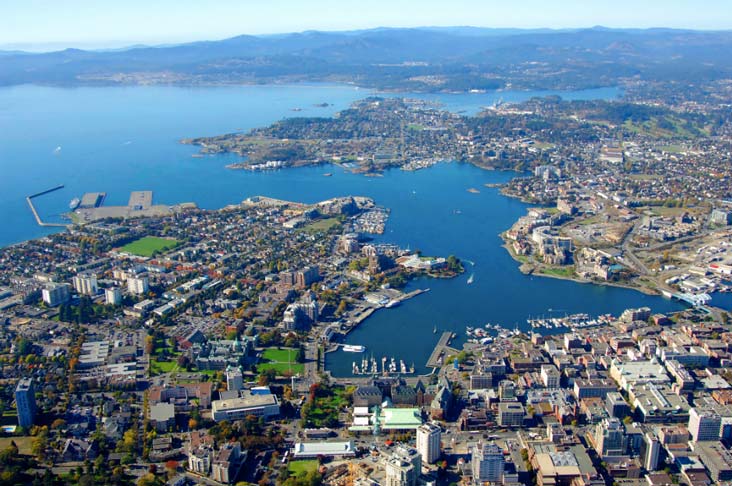
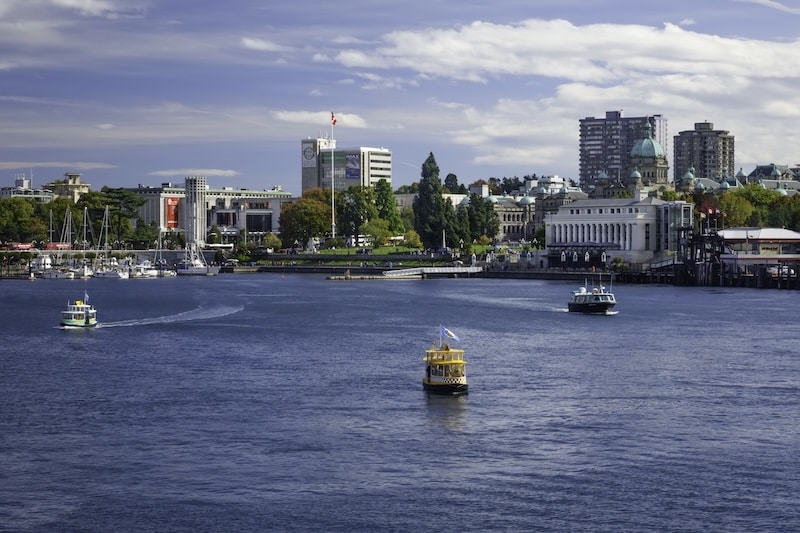
The Empress and Victoria’s Inner Harbour are inseparable.Together with the Parliament Buildings, the hotel creates one of the most recognizable waterfront scenes in Canada. For more than a century, visitors arriving in Victoria have been greeted by the sight of the Empress overlooking the harbour, creating an unforgettable first impression of the city.
Its location places it at the heart of downtown Victoria, within easy walking distance of many of the city’s most popular attractions. The Royal BC Museum, Government Street, Beacon Hill Park, Fisherman’s Wharf, and numerous restaurants, galleries, and shops are all nearby.
What makes the Empress particularly special is how seamlessly it connects to the surrounding city. Visitors can spend an entire day exploring downtown before returning to the harbour to admire the building from a different perspective as the light changes throughout the day.
For many people, no visit to Victoria feels complete without spending time in the Inner Harbour and taking in the view of the Empress rising above the waterfront.
The Gardens and Grounds
While much of the attention naturally focuses on the building itself, the surrounding gardens and grounds are an important part of the Empress experience.Carefully maintained landscaping softens the edges of the historic structure and creates beautiful viewing areas throughout the year. Seasonal flowers add colour to the harbourfront, while mature plantings help frame some of the best photo opportunities in downtown Victoria.
The grounds also provide a unique perspective on the building’s architecture. Walking around the property allows visitors to appreciate the scale of the structure, its distinctive rooflines, and the relationship between the hotel and the harbour.
Spring and summer are particularly beautiful when flowers are in bloom, but the grounds remain a pleasant place to visit throughout the year.
Afternoon Tea at the Empress
Few traditions are more closely associated with the Empress than Afternoon Tea.
For generations, visitors have gathered in the hotel’s elegant tea room to enjoy one of Victoria’s most enduring experiences. Rooted in British traditions and influenced by the city’s colonial history, Afternoon Tea has become a defining part of the Empress story.
Part of its appeal is the setting itself. Overlooking the Inner Harbour, the experience combines history, atmosphere, and hospitality in a way that feels uniquely Victoria. Visitors often choose Afternoon Tea to celebrate special occasions, mark milestones, or simply enjoy a leisurely afternoon in one of the city’s most historic spaces.
Guests can expect a traditional tea service featuring a selection of teas accompanied by pastries, savouries, and freshly baked scones. While the menu evolves over time, the emphasis remains on creating a relaxed and memorable experience that connects visitors with one of Victoria’s most cherished traditions.
Reservations are highly recommended, particularly during peak travel seasons.
Dining at the Empress
While Afternoon Tea may be the hotel’s most famous culinary experience, the Empress has also become an important dining destination for both visitors and locals.
Q at the Empress
Q at the Empress focuses on Pacific Northwest cuisine and draws inspiration from Vancouver Island’s farms, waters, and surrounding landscapes. The atmosphere strikes a balance between refined and approachable, making it a popular choice for special occasions, celebrations, and memorable dinners overlooking Victoria’s most famous waterfront.Q Bar
Q Bar offers a more relaxed experience while maintaining the character and history that visitors expect from the Empress. Its location near the heart of the hotel makes it a natural gathering place for locals and visitors looking to enjoy cocktails, wine, or light fare after a day spent exploring downtown Victoria.The Veranda
Few dining experiences in Victoria rival the setting of The Veranda. Located along the harbourfront, this seasonal space provides exceptional views of the Inner Harbour and creates one of the city’s most enjoyable places to sit outdoors. Whether you’re stopping in for a drink, a casual meal, or simply to enjoy the waterfront atmosphere, the Veranda offers a distinctly Victoria experience.The Bengal Lounge
The Bengal Lounge has long been part of the Empress story and remains one of the property’s most recognizable gathering spaces. Rich in history and character, it reflects a different era of travel while continuing to attract visitors interested in experiencing one of the hotel’s most enduring traditions.Willow Stream Spa at the Empress
For visitors seeking relaxation, Willow Stream Spa at the Empress has become one of Victoria’s most recognized wellness destinations.
Open to both hotel guests and day visitors, the spa offers a peaceful retreat from the activity of downtown Victoria. Treatments range from massages and facials to wellness-focused experiences designed to help visitors unwind during their stay in the city.
Many visitors choose to combine a spa appointment with Afternoon Tea, dining, or a day spent exploring the Inner Harbour, creating a well-rounded Victoria experience that balances sightseeing with relaxation.
Visiting the Empress Today
One of the biggest misconceptions about the Empress is that you need to stay overnight to enjoy it. In reality, many of the building’s most popular experiences are available to day visitors. Whether you’re interested in Afternoon Tea, dining, wellness treatments, photography, architecture, or simply exploring the harbourfront, there are countless ways to experience the property without booking a room. The Empress is worth visiting in every season. Spring and summer bring flowers and bustling harbour activity, while fall and winter offer a quieter atmosphere that highlights the building’s historic character. If you’re visiting for the first time, consider combining your stop with a walk through the Inner Harbour, a visit to the Royal BC Museum, or an afternoon exploring Government Street.Explore From a Local Home Base
Stay close to Victoria’s most iconic landmarks, waterfront walks, restaurants, and cultural attractions with a professionally managed EMR Vacation Rental.
Book a Rental to Explore Victoria
A Flexible Downtown Victoria Itinerary Featuring the Empress
 Morning: Explore the Inner Harbour
- Walk the harbourfront and Causeway
- Take photos of the Empress and Parliament Buildings
- Grab coffee from a nearby café
- Watch floatplanes and harbour ferries come and go
Midday: Discover Downtown Victoria
- Browse shops along Government Street
- Explore Market Square and Bastion Square
- Visit the Royal BC Museum
- Stop for lunch at a local restaurant or café
Afternoon: Experience the Empress
- Enjoy Afternoon Tea
- Wander through the gardens and grounds
- Admire the architecture and harbour views
- Relax with a drink overlooking the waterfront
Evening: Victoria at Golden Hour
- Stroll along the Inner Harbour waterfront
- Watch the harbour lights come on
- Enjoy dinner at the Empress or a nearby restaurant
- Take in one of Victoria’s most iconic evening views
Local Tip: During the summer months, the Inner Harbour comes alive in the evening with street performers, musicians, and a lively waterfront atmosphere. It’s one of the best times of day to experience downtown Victoria.
Where to Stay in Victoria
The Empress may be one of Victoria’s most famous landmarks, but it is only one part of what makes the city such a rewarding destination. From waterfront walks and historic neighbourhoods to museums, restaurants, and outdoor adventures, there is much more to discover throughout Greater Victoria.EMR Vacation Rentals offers professionally managed vacation rentals and furnished stays throughout Victoria and Vancouver Island, providing guests with comfortable, well-located accommodations that make it easy to explore the region at their own pace.
Whether you’re planning a weekend getaway, an extended stay, or a longer Vancouver Island adventure, EMR Vacation Rentals offers a comfortable home base close to the attractions, experiences, and landmarks that make Victoria unforgettable.
Find your perfect home base with EMR Vacation Rentals and experience Victoria at your own pace.
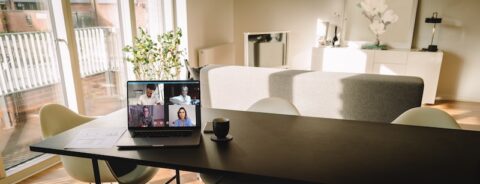
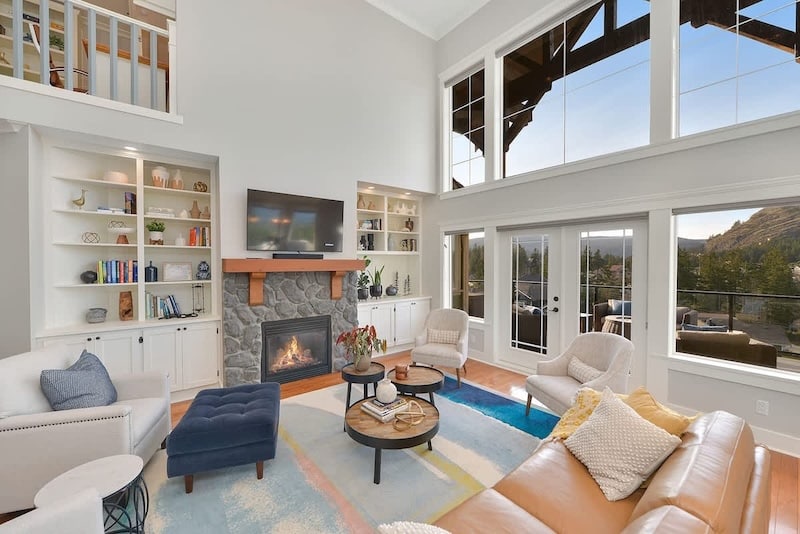 Find your ideal home base with EMR Vacation Rentals and experience Victoria like a local.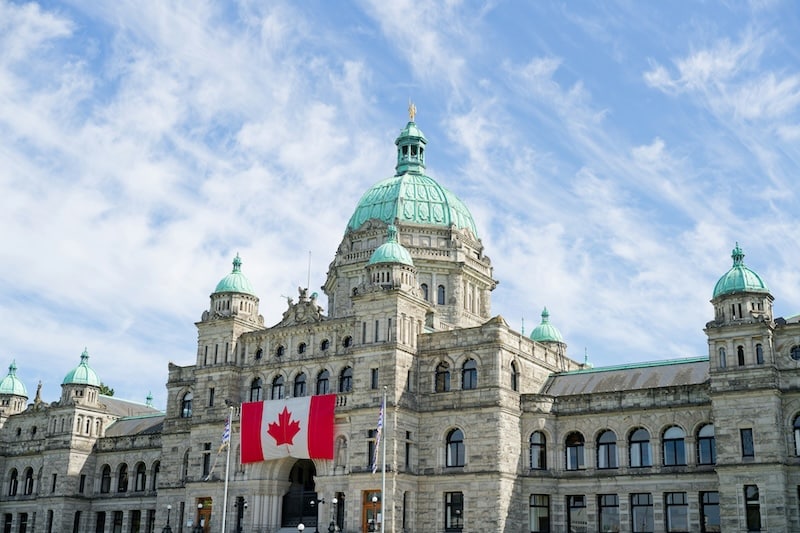

 Finding the right place to stay in Victoria requires some planning, especially if you are arriving from outside Canada.
The rental market is tight, and listings move quickly. Long-term leases often require in-person viewings, references, and upfront commitments that do not align well with flexible or remote lifestyles.
Short-term rentals can work initially, but availability fluctuates and pricing can vary significantly depending on the season.
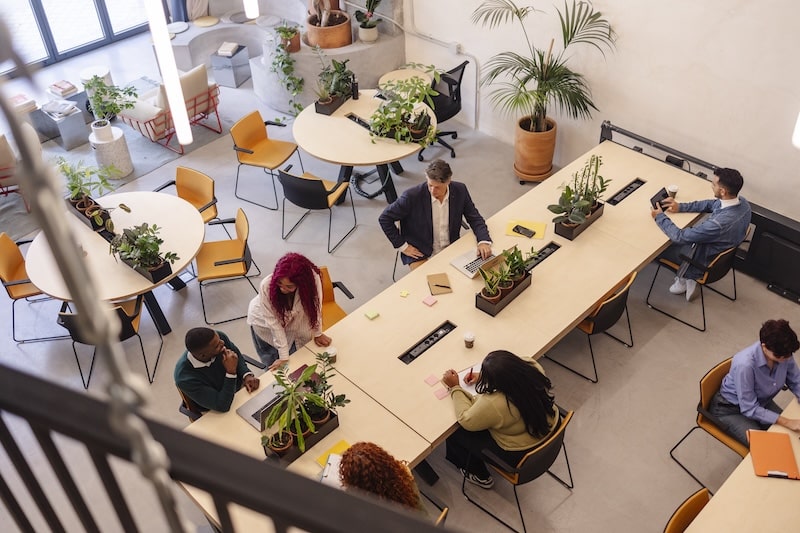
For digital nomads, starting with a furnished rental is often the most reliable approach. It gives you time to understand the city, explore neighbourhoods, and decide if a longer-term setup makes sense, all without the pressure of immediate commitments or the risk of rental scams.
Finding the right place to stay in Victoria requires some planning, especially if you are arriving from outside Canada.
The rental market is tight, and listings move quickly. Long-term leases often require in-person viewings, references, and upfront commitments that do not align well with flexible or remote lifestyles.
Short-term rentals can work initially, but availability fluctuates and pricing can vary significantly depending on the season.
For digital nomads, starting with a furnished rental is often the most reliable approach. It gives you time to understand the city, explore neighbourhoods, and decide if a longer-term setup makes sense, all without the pressure of immediate commitments or the risk of rental scams.
 Greater Victoria is made up of a collection of distinct communities, each offering a different pace of life, access to amenities, and overall work environment. Choosing the right area comes down to how you like to work and how you want to spend your time outside of it.
Below is a high-level look at the areas most digital nomads consider when staying in Greater Victoria. For a deeper breakdown of each neighbourhood, including pros, cons, and lifestyle details, explore our full neighbourhood guide.
Greater Victoria is made up of a collection of distinct communities, each offering a different pace of life, access to amenities, and overall work environment. Choosing the right area comes down to how you like to work and how you want to spend your time outside of it.
Below is a high-level look at the areas most digital nomads consider when staying in Greater Victoria. For a deeper breakdown of each neighbourhood, including pros, cons, and lifestyle details, explore our full neighbourhood guide.



 Canada does not currently offer a dedicated digital nomad visa, but there are still ways to stay and work remotely while visiting.
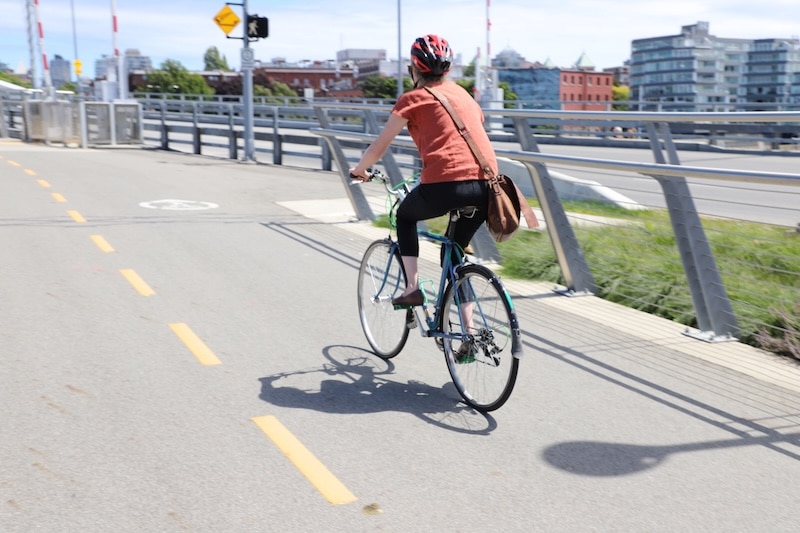 Cycling is one of the most practical and enjoyable ways to get around Victoria.

 A car becomes much more useful once you move outside the downtown core.

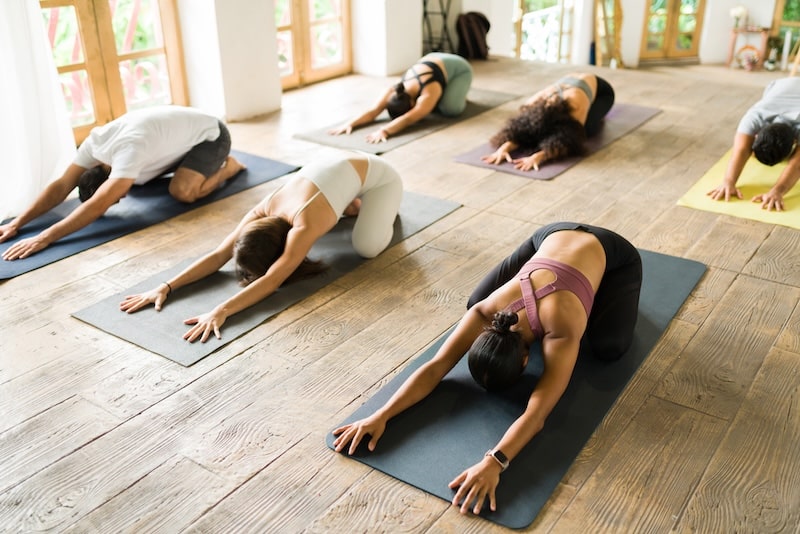
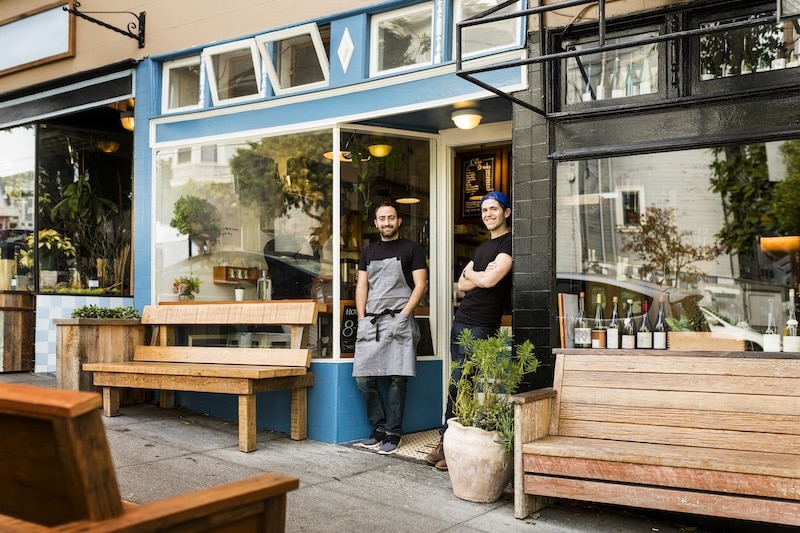
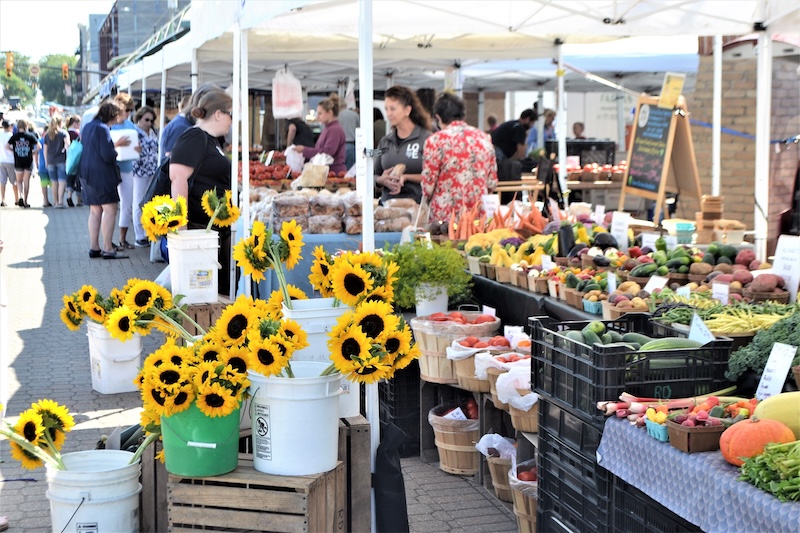


 Victoria is one of the more family-friendly destinations for remote workers in Canada, particularly for longer stays. The combination of safety, access to nature, and a slower pace of life makes it easier to balance work responsibilities with family time.
 Finding the right place to stay is one of the most important parts of your experience in Victoria, especially as a remote worker.
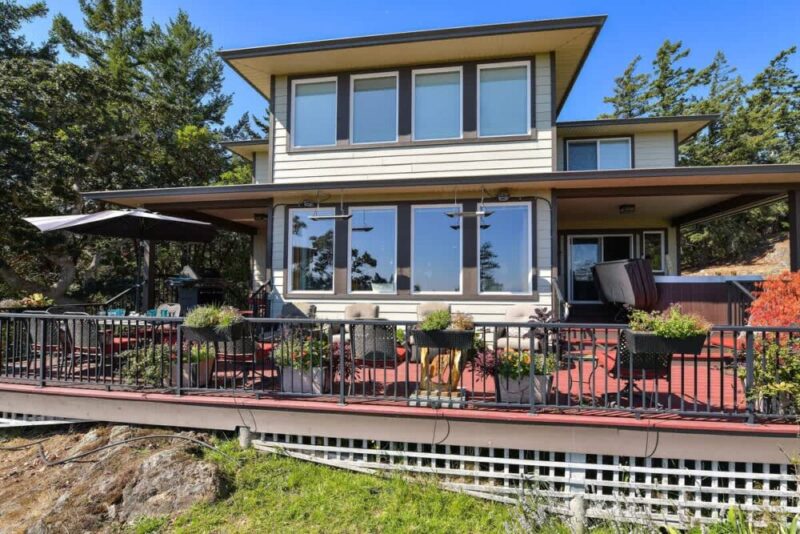
EMR Vacation Rentals offers professionally managed homes across Greater Victoria, including Downtown Victoria, Oak Bay, Sidney, Langford, and Sooke. These fully furnished properties are designed for comfort and longer stays, with practical layouts, reliable high-speed internet, and access to the everyday essentials that make remote work easier.
Finding the right place to stay is one of the most important parts of your experience in Victoria, especially as a remote worker.
EMR Vacation Rentals offers professionally managed homes across Greater Victoria, including Downtown Victoria, Oak Bay, Sidney, Langford, and Sooke. These fully furnished properties are designed for comfort and longer stays, with practical layouts, reliable high-speed internet, and access to the everyday essentials that make remote work easier.
 Whether you are staying for a few weeks or a few months, having a well-managed home base allows you to focus on your work while enjoying everything the region has to offer.




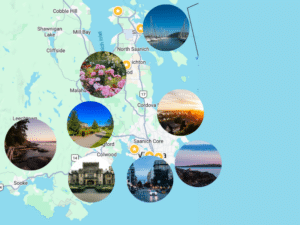 Greater Victoria may look compact on a map, but it does not feel like one single, uniform city when you are actually living in it. It feels more like a collection of mini communities, each with its own personality, pace, and everyday rhythm. One area might mean harbour walks, heritage buildings, and coffee shops around the corner. Another might mean newer homes, school drop-offs, rec centres, and a bit more breathing room.
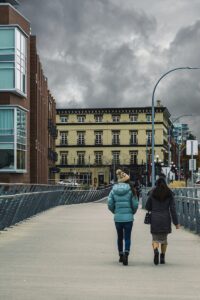 It helps to think of Greater Victoria in a few broad lifestyle zones. The Victoria core, including downtown, James Bay, and Fernwood, tends to appeal to people who want walkability, character, and easy access to restaurants, cafés, and the Inner Harbour. The Westshore, including Langford, Colwood, and View Royal, attracts people looking for newer developments, more space, and practical family amenities. Around Gordon Head and Upper Quadra, you get a more residential mix shaped by schools, parks, and proximity to UVic, while the Peninsula communities like Cordova Bay, Brentwood Bay, and Sidney offer a quieter, more coastal way of life.
 Getting around Greater Victoria is relatively easy, but how you move day to day will depend heavily on where you choose to stay.
 Cycling is a strong option, particularly in the warmer months. The region has an extensive network of multi-use trails like the Galloping Goose and Lochside Trail, which connect many neighbourhoods and make it possible to commute or run errands by bike if you’re staying nearby.
 One of the most well-known traffic patterns in the region is the “Colwood Crawl,” referring to congestion along the main route between the Westshore and downtown during peak hours. While communities like Langford and Colwood offer more space and newer homes, the trade-off can be a longer and less predictable commute.
 For families
 Walkability, nearby green space, and access to trails or beaches can shape your daily routine. Many neighbourhoods across Greater Victoria offer excellent outdoor access, but some are better suited than others depending on how you like to spend your time outside.
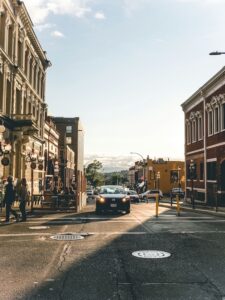 Urban, walkable, close to everything
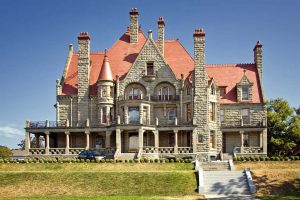 Established, local feel, highly livable
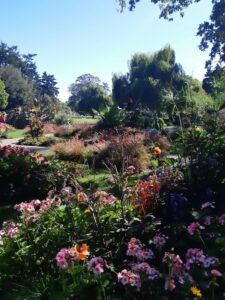 Agricultural, slower pace, connected rural living
 Newer development, more space, value trade-offs
 Nature-first, remote, lifestyle-driven
 One of the best ways to choose the right neighbourhood is to experience it firsthand. Staying in a furnished rental allows you to explore different areas while maintaining comfort and flexibility, whether you want to test out urban living, a quieter coastal setting, or a more family-oriented community.